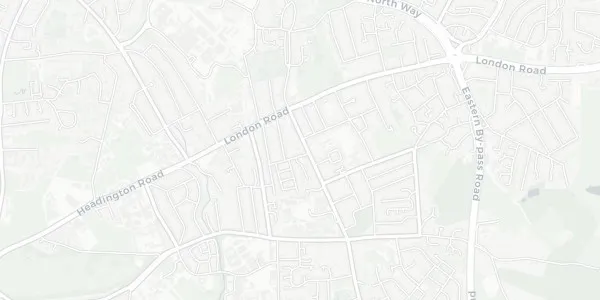
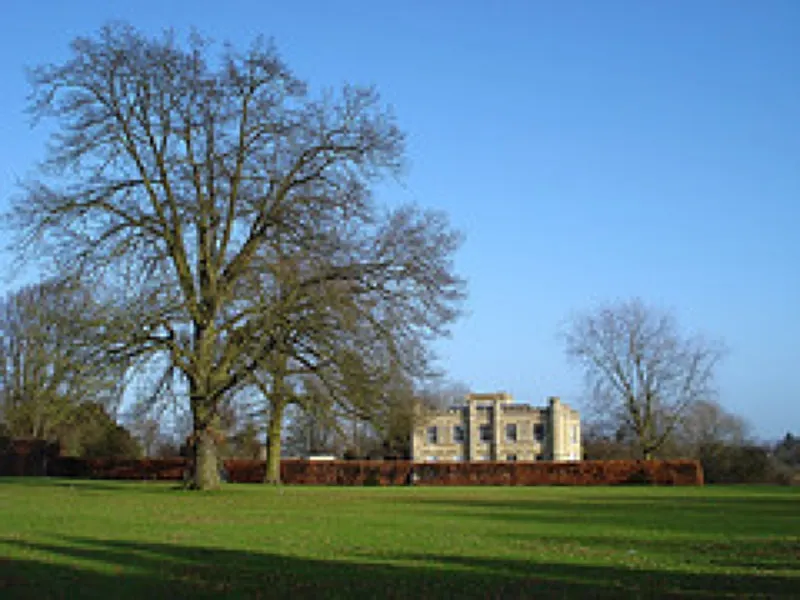
Headington sits on a hill east of the city centre and feels like a separate small town rather than a suburb. It has its own high street, its own character, and one of Oxford's most photographed landmarks — the Headington Shark.
What defines Headington
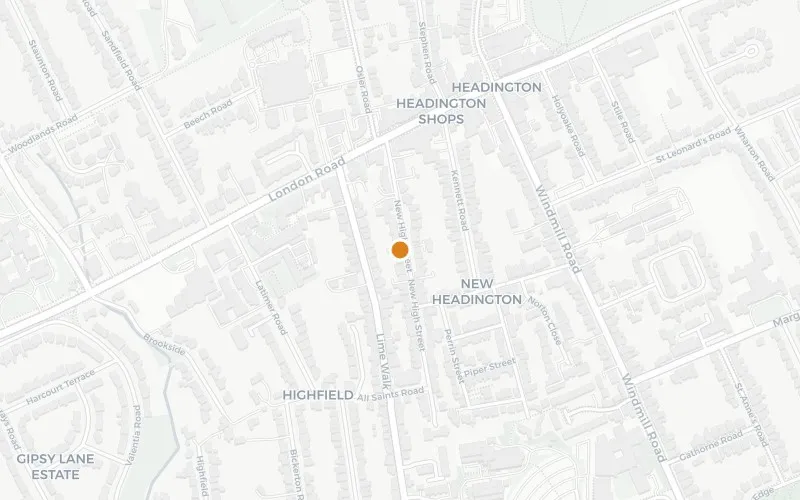
The Shark — a 25-foot fibreglass shark embedded nose-first in the roof of 2 New High Street. Installed in 1986 by Bill Heine as a protest against nuclear weapons and Thatcher-era politics, it survived multiple attempts by the council to remove it and is now a listed landmark. You can't miss it.
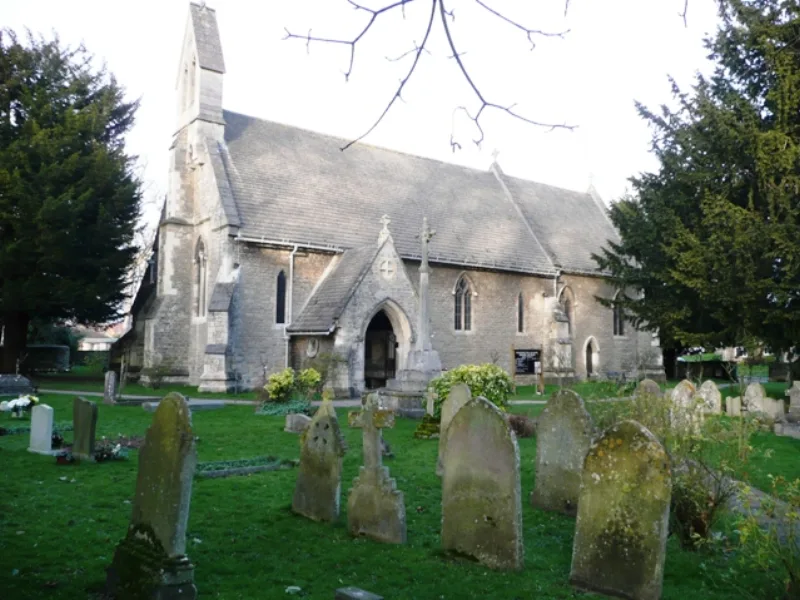
Headington Quarry — the old quarrying village, now a quiet residential area with the Holy Trinity Church where C.S. Lewis is buried.
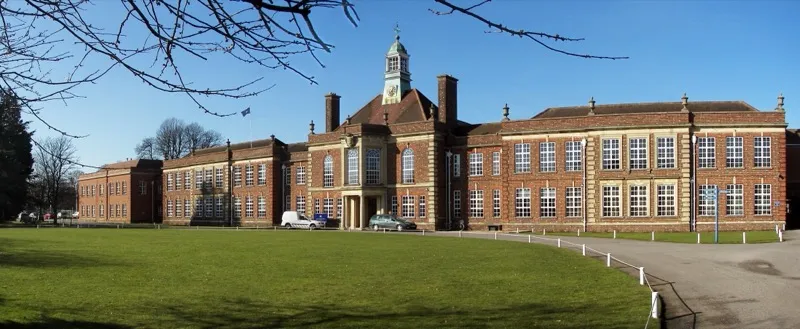
Oxford Brookes University — the city's modern university, whose campus dominates the Headington Hill area.
The feel
Suburban and independent. The high street has a mix of local shops, cafes, and restaurants, plus a large Sainsbury's. It has more of a self-contained village feel than most Oxford suburbs.
Getting here
Frequent buses from the centre (the 8, 9, and Brookes buses). It's uphill from the centre — a 30-minute walk, or a sweaty cycle.
Frequently asked questions
Where is the Headington Shark?
The Headington Shark is on the roof of 2 New High Street, a residential terrace just off Headington Road in Headington. It is visible from the street; the house is private and not open to visitors, but the shark is impossible to miss from the pavement.
Why is there a shark on a house in Headington?
The shark was installed in 1986 by the broadcaster and journalist Bill Heine as a protest against nuclear weapons and the political climate of the time. The local council spent years trying to have it removed; planning inspectors eventually allowed it to stay on the grounds that it had become a recognised local landmark.
Is the Headington Shark still there?
Yes — the shark is in place and recognised as a local landmark. The local council failed in its long-running attempts to have it removed.
Where is C.S. Lewis buried?
C. S. Lewis is buried in the churchyard of Holy Trinity Church in Headington Quarry, the parish church the Lewis brothers attended from 1930 until their deaths. The church also has a stained-glass Narnia window installed in 1991. Both are open to visitors during daylight hours.
What is there to do in Headington?
The headline is the Headington Shark on New High Street. Beyond that: Holy Trinity Headington Quarry for the Narnia window and the C. S. Lewis grave; the Headington high-street shops and cafes; Oxford Brookes University and its Headington Hill campus; and a short walk or bus ride down to the city centre or out to the woodland at Shotover.
How do I get from Oxford city centre to Headington?
Headington sits on a hill east of the city centre. Frequent local buses — the 8 and 9 services, plus the Brookes-branded buses serving Oxford Brookes University — run between the centre and Headington High Street in about 15 minutes. On foot it's about 30 minutes uphill. The John Radcliffe Hospital is a further 10-minute walk or one bus stop beyond the high street.