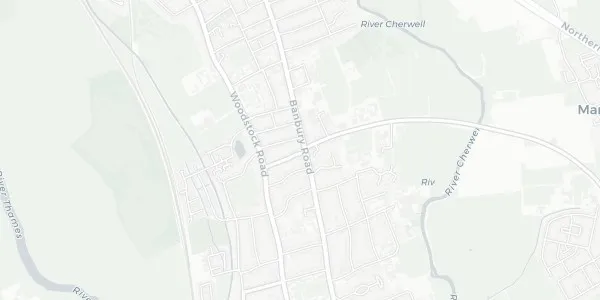
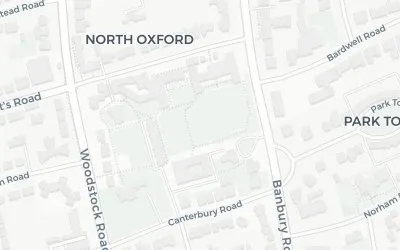
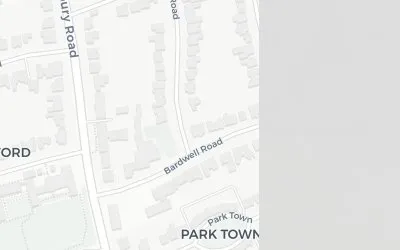
Summertown is a one-mile-square residential suburb in North Oxford, about two miles from the city centre along Banbury Road. It extends from Squitchey Lane and Hernes Road in the north down to Moreton Road and the Marston Ferry roundabout in the south, with Woodstock Road marking the western edge.
Most of North Oxford including Summertown was built up after 1877, when the university first allowed college fellows to marry and live in private houses; much of the land belonged to St John's College and the houses were originally sold leasehold. The parish itself was created earlier, in 1833, when the northern part of the large St Giles' parish was hived off as a separate parish. Today Summertown is where many academics, university staff and families live — it has its own distinct village-within-a-city character.
What to do in Summertown
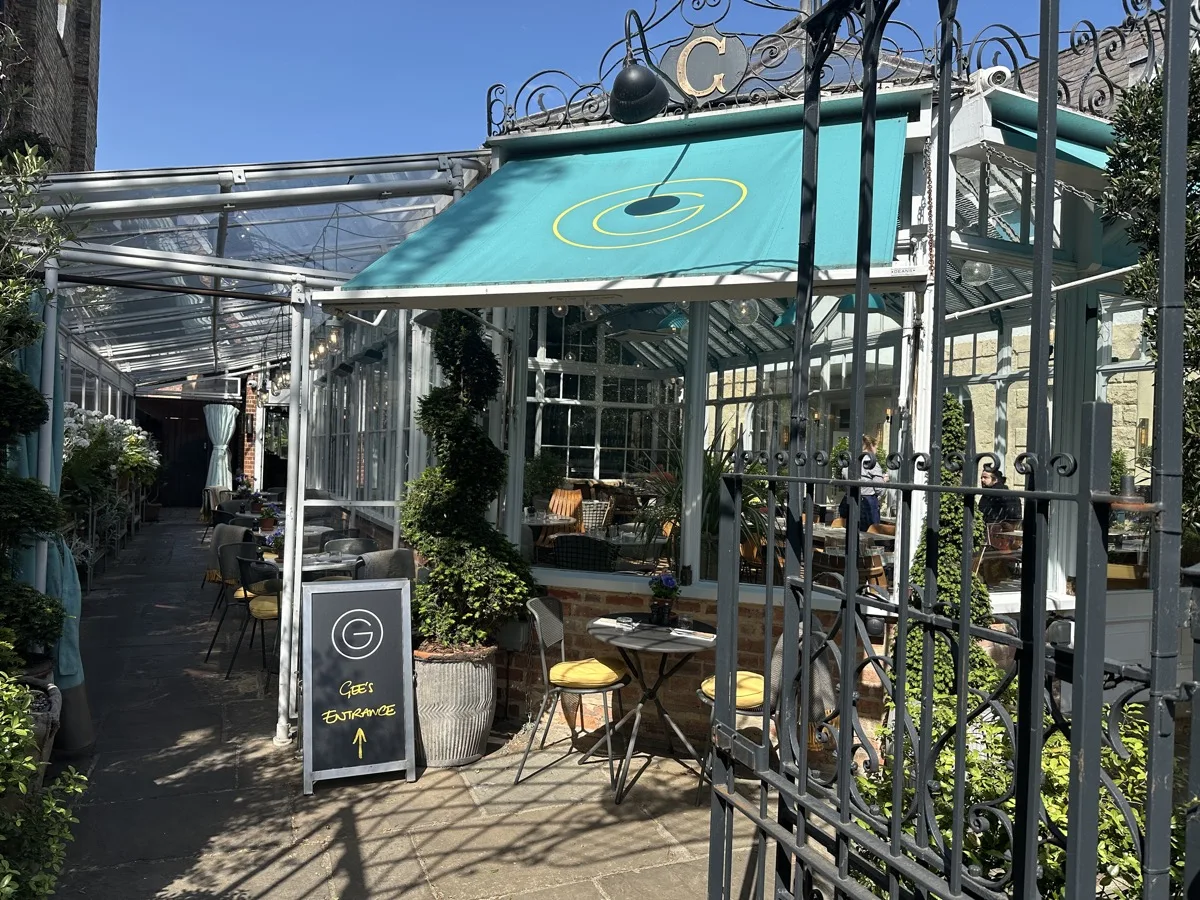
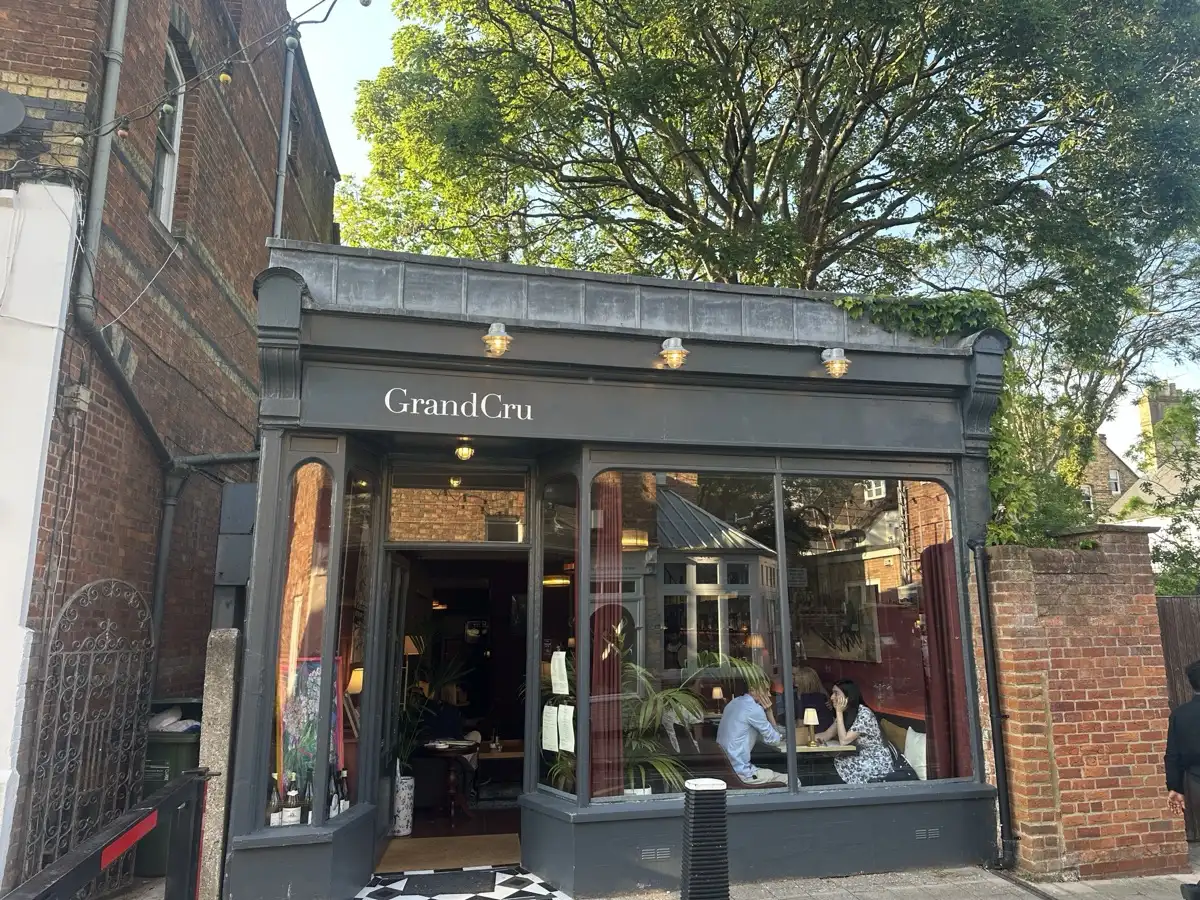
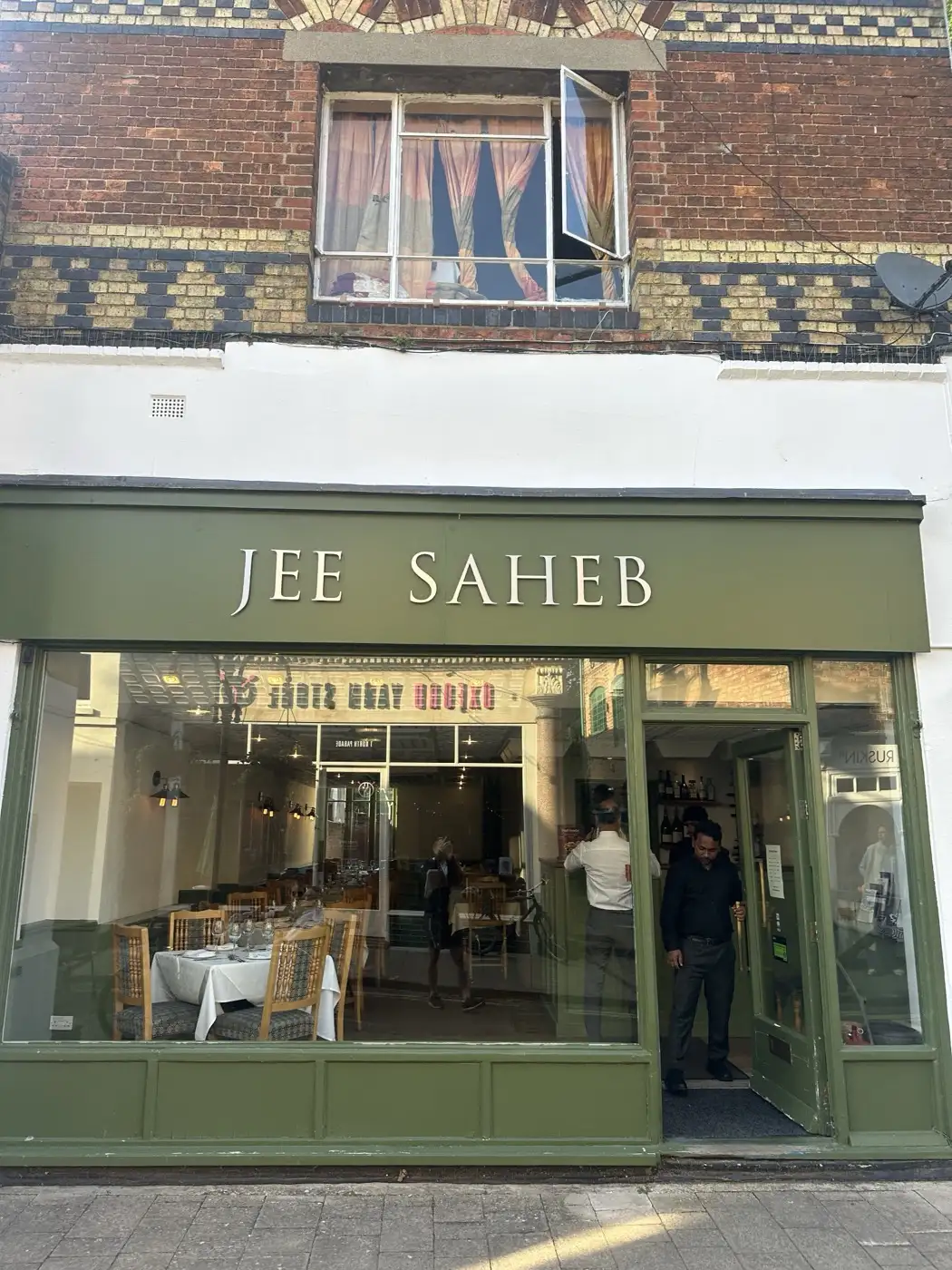
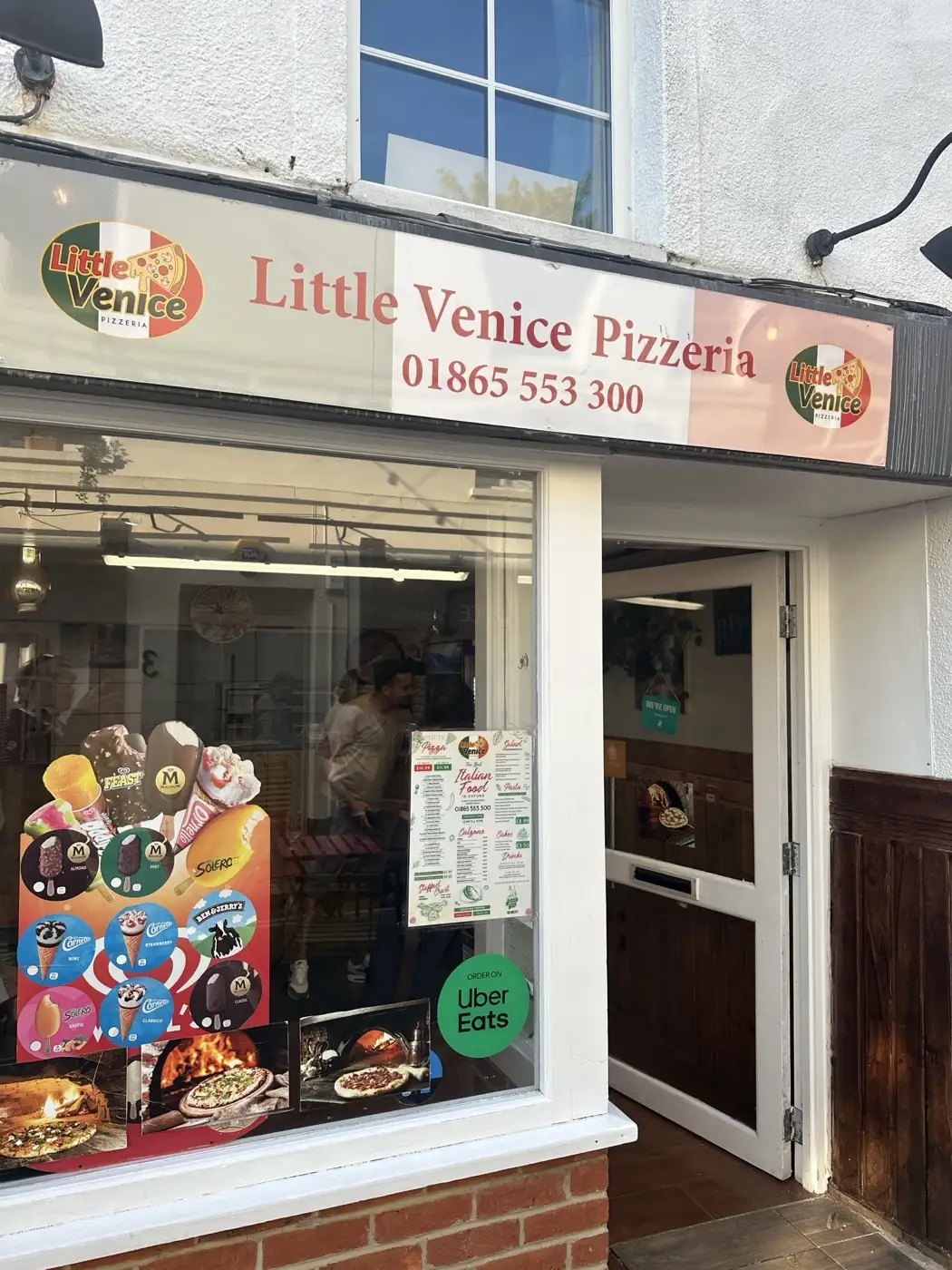
Eat and drink
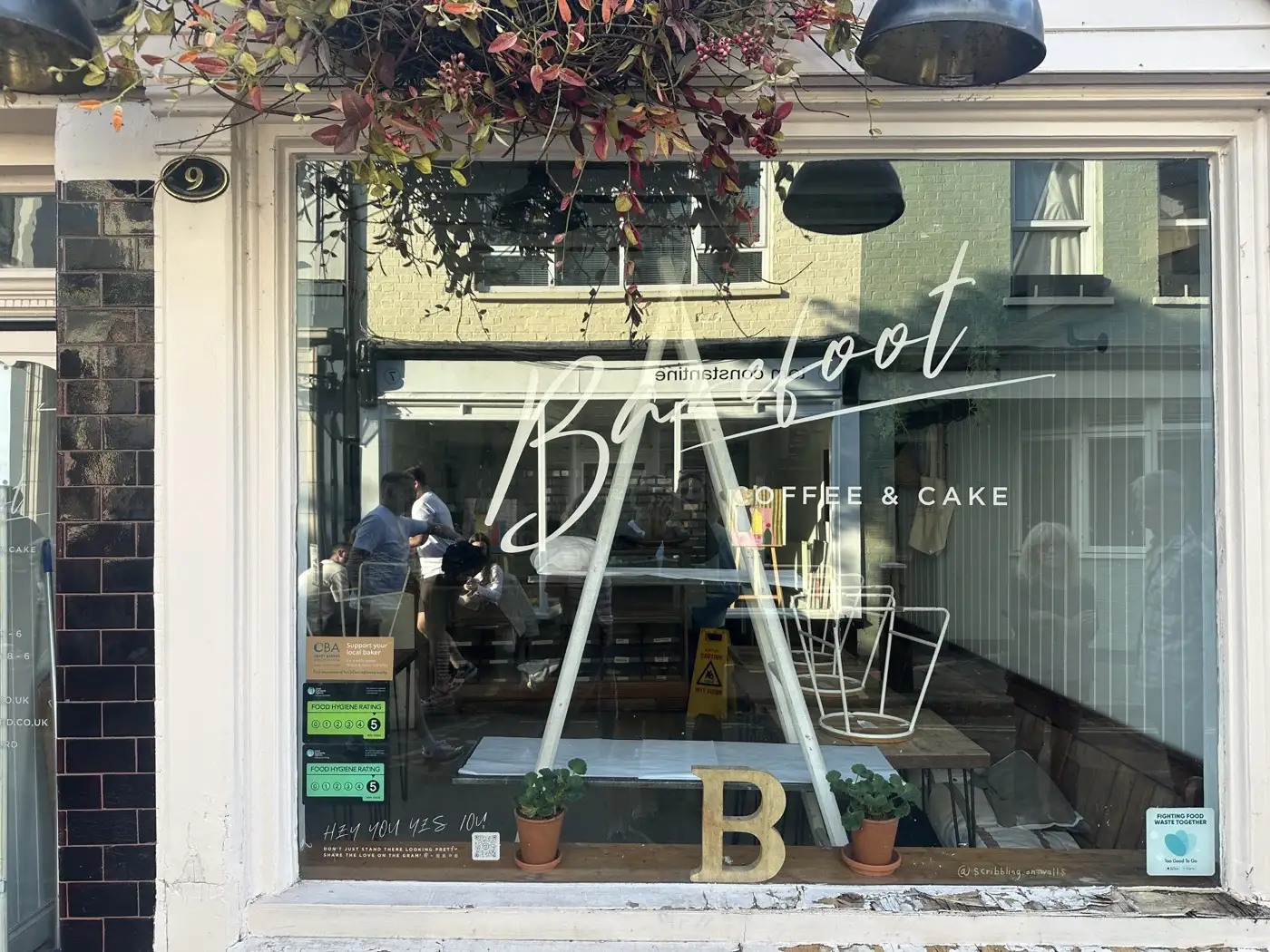
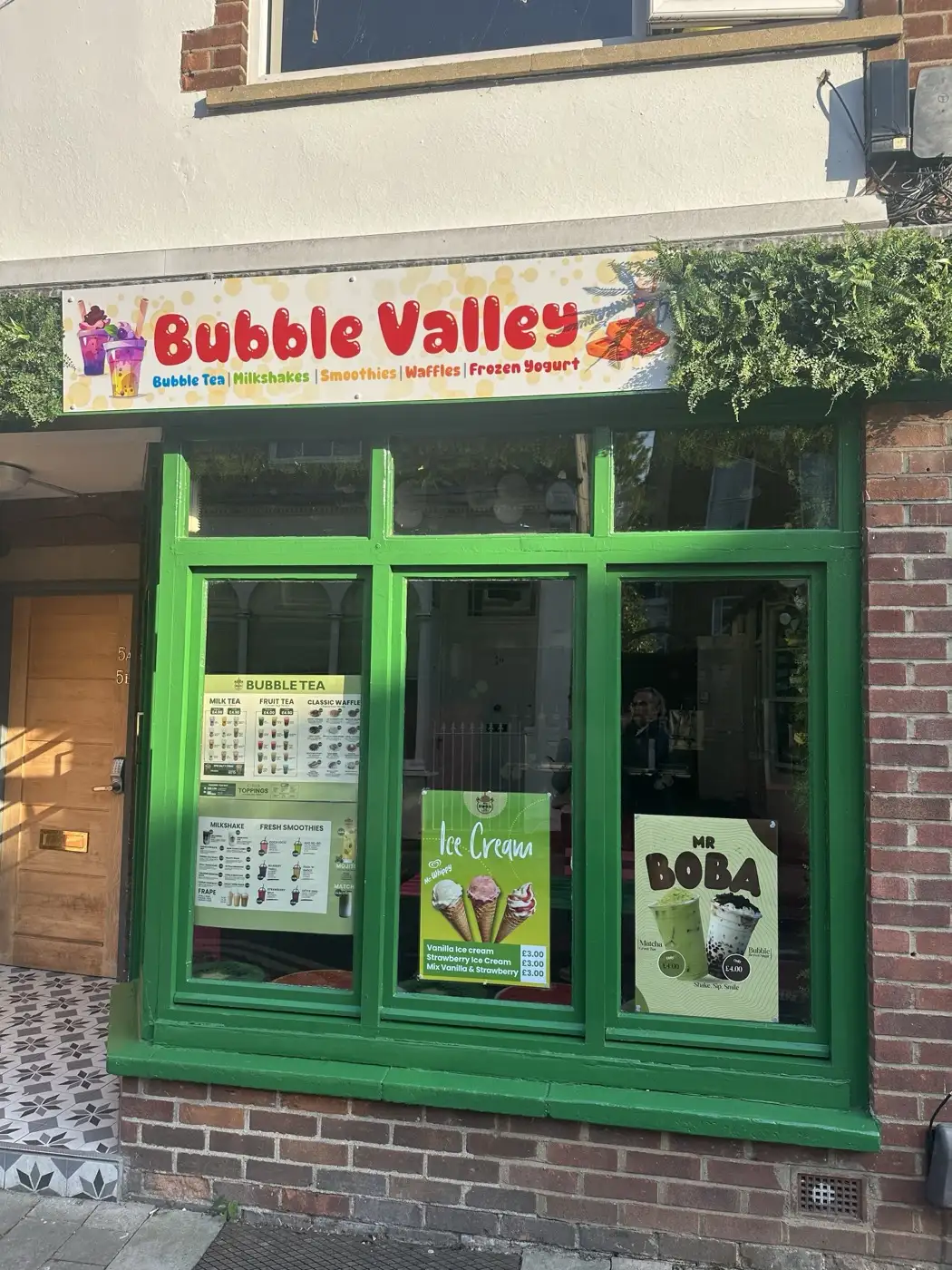
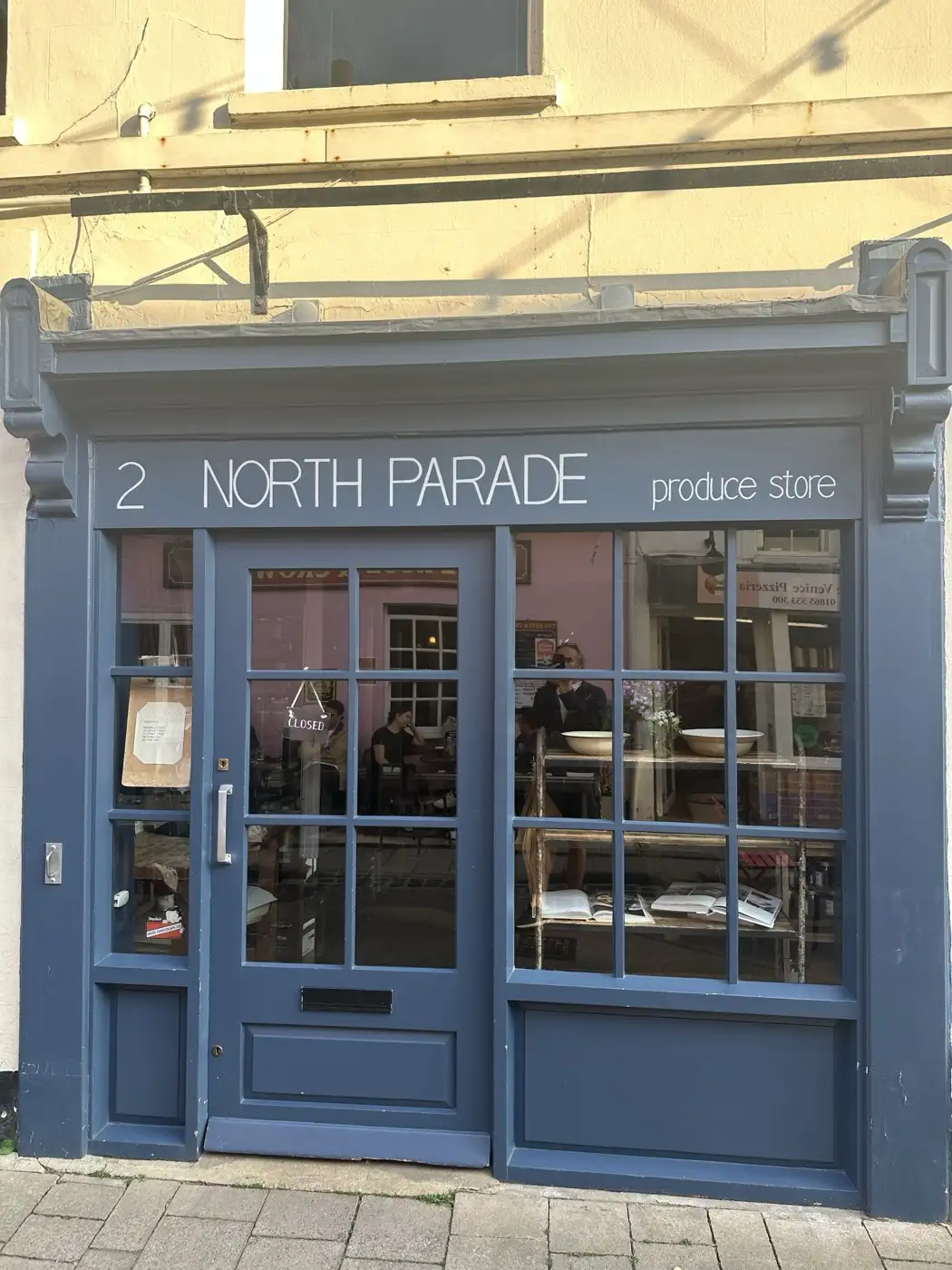
Banbury Road carries the main spine of independent food and shops in Summertown, with a second cluster on the North Parade side street.
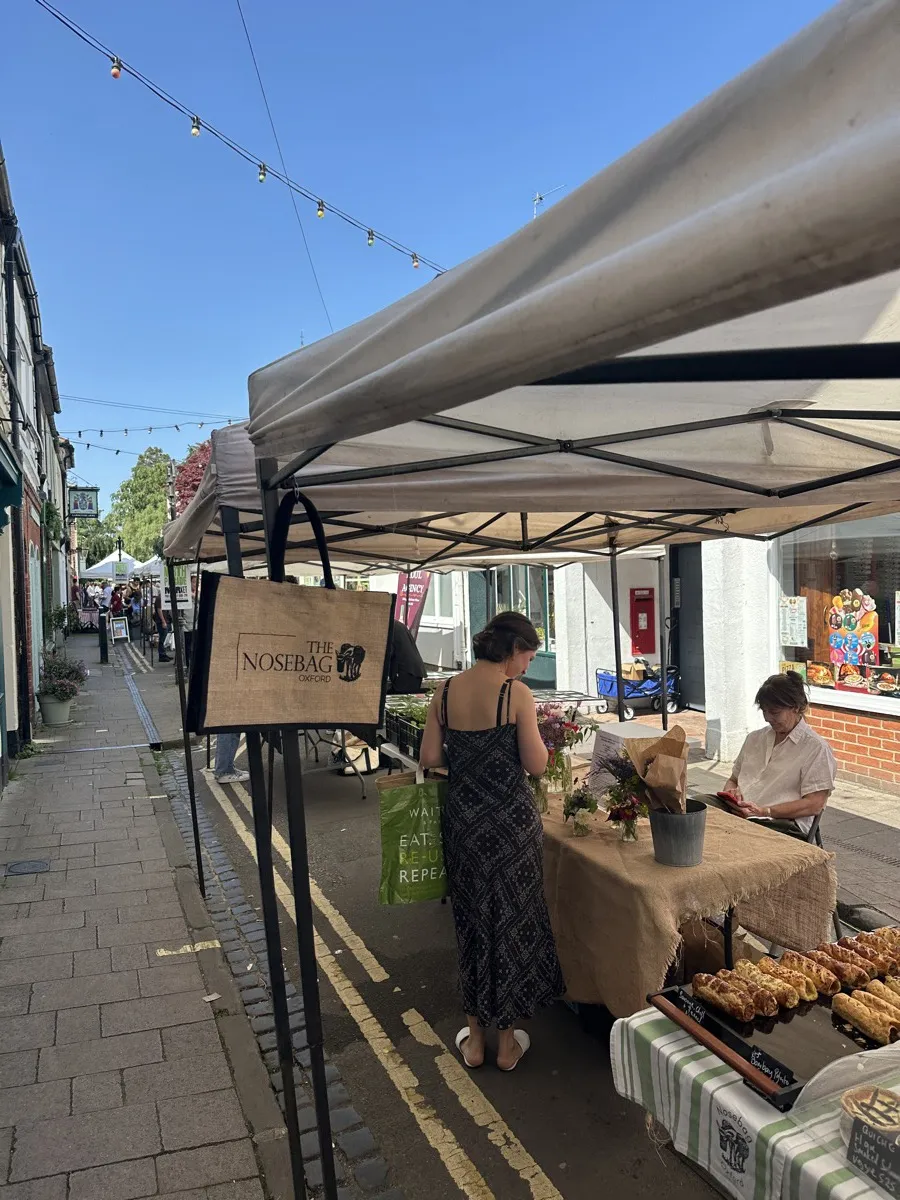
Visit the North Parade Market
North Parade Market runs fortnightly on the 2nd and 4th Saturday — produce, makers, hot food and live music in the middle of the North Parade run.
Walk in the parks
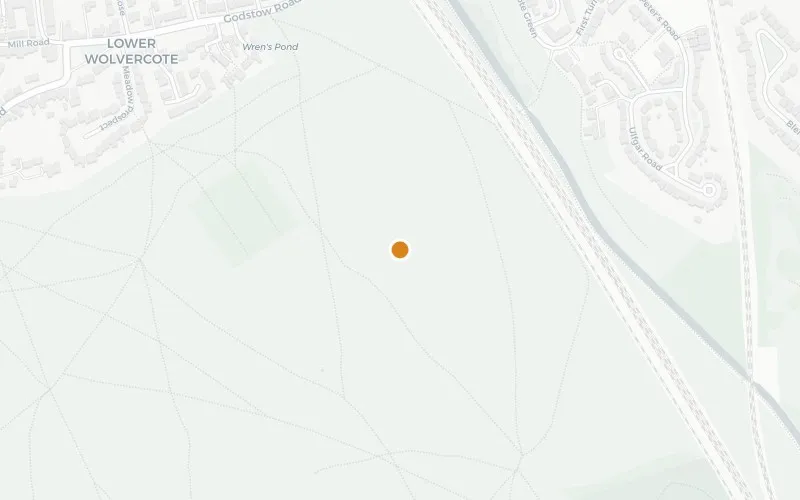
University Parks runs along the southern edge of Summertown; Cutteslowe Park sits at the northern end. Between them they make Summertown Oxford's most family-friendly area for walks, playgrounds and weekend afternoons.
Schools
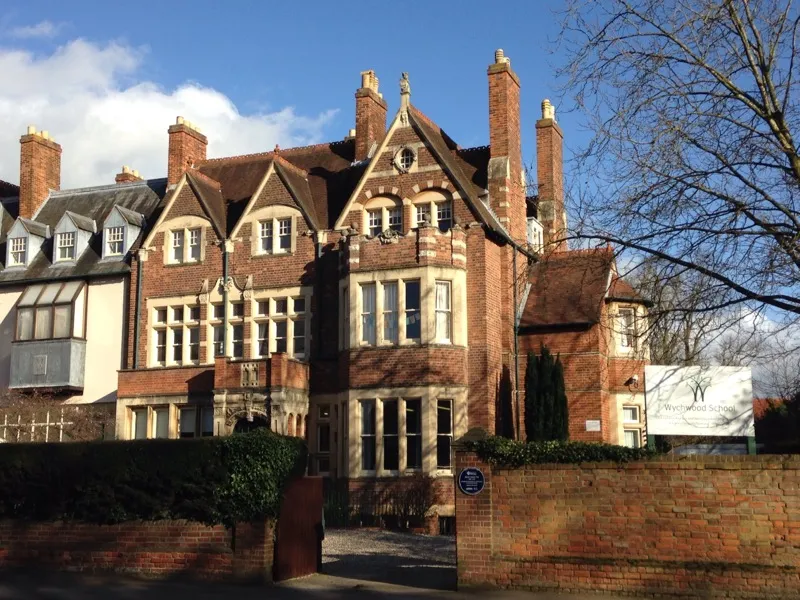
Summertown has the densest concentration of independent schools in Oxford: Dragon School (prep), Oxford High School (girls' day), St Edward's School (senior boarding), and the sixth-form colleges d'Overbroeck's and St Clare's Oxford.
Colleges on the edges
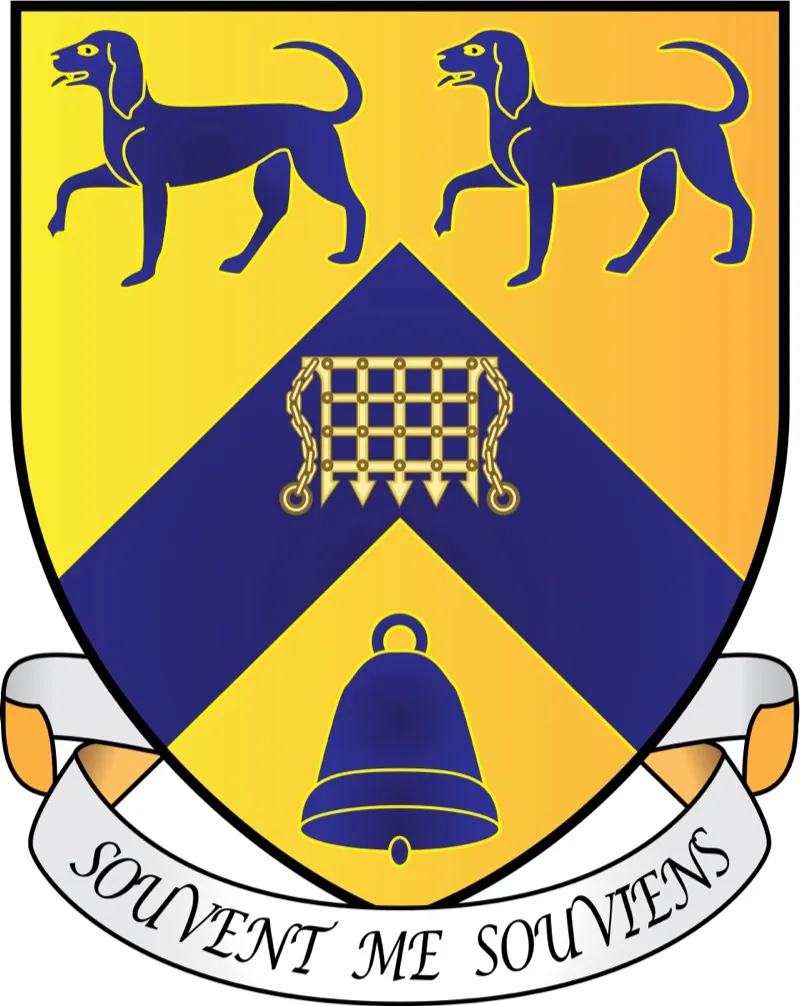
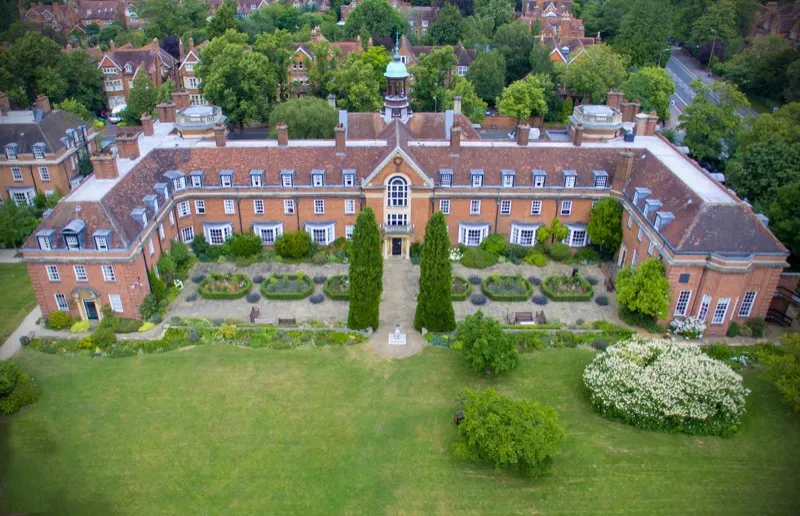
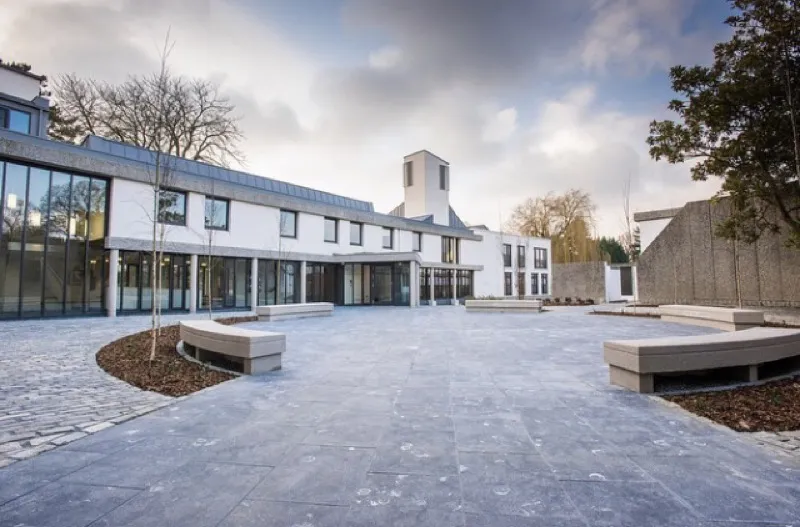
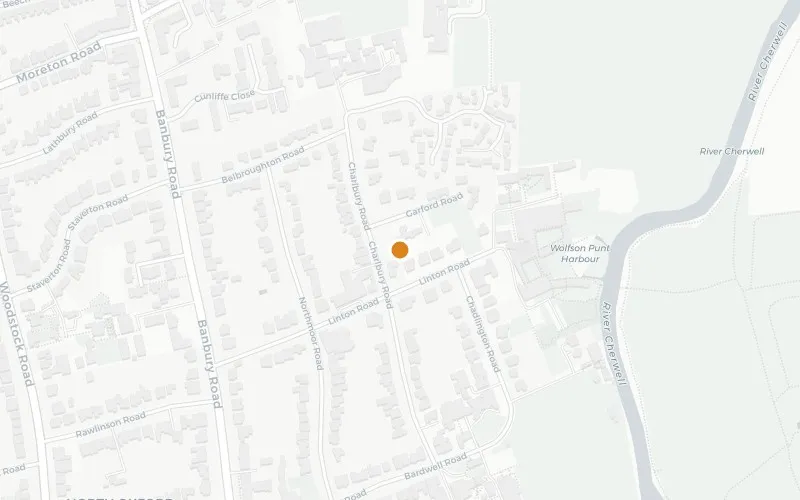
Three Oxford colleges sit in or beside Summertown: Wolfson College (graduate, riverside), Lady Margaret Hall and St Hugh's College on the Woodstock Road side.
A bit of history
The two most prominent Victorian-era buildings on Banbury Road are Summertown United Reformed Church, a Gothic Revival church built in 1894, and Saint Michael and All Angels, the parish church built 1908–09 to replace an earlier chapel. The Roman Catholic church of Saints Gregory and Augustine on Woodstock Road was founded in 1911. In 1898 the City of Oxford Tramways Company extended its Banbury Road horse-tram route to a new Summertown terminus — a useful clue that this stretch of road was the original commercial spine of the suburb.
Past Summertown residents include J.R.R. Tolkien, Iris Murdoch, Colin Dexter (creator of Inspector Morse) and the zoologist Desmond Morris.
Frequently asked questions
Where is Summertown in Oxford?
Summertown is in North Oxford, about two miles north of the city centre along Banbury Road. It is a one-mile-square residential area running from Squitchey Lane and Hernes Road in the north down to Moreton Road and Marston Ferry Road in the south, with Banbury Road and Woodstock Road as its two main arterials.
How do I get to Summertown from Oxford city centre?
The Oxford Bus Company 2 and 2a and the Stagecoach 7, 7A, 7B, 17 and S5 all run up the Banbury Road from the centre; the Heyfordian 25 and 25A also serve Summertown. It is a 25-minute walk from Carfax up the Banbury Road, or a flat 10-minute cycle.
What is Summertown known for?
Independent food and shops on the Banbury Road and North Parade, the densest cluster of independent schools in Oxford (Dragon, Oxford High, St Edward's, d'Overbroeck's, St Clare's), three Oxford colleges on its edges (Wolfson, Lady Margaret Hall, St Hugh's), and the North Parade fortnightly market.
When is the North Parade Market?
The North Parade Market runs fortnightly on the 2nd and 4th Saturday of the month, on the North Parade side street between Banbury Road and Bardwell Road.
Where can I eat in Summertown?
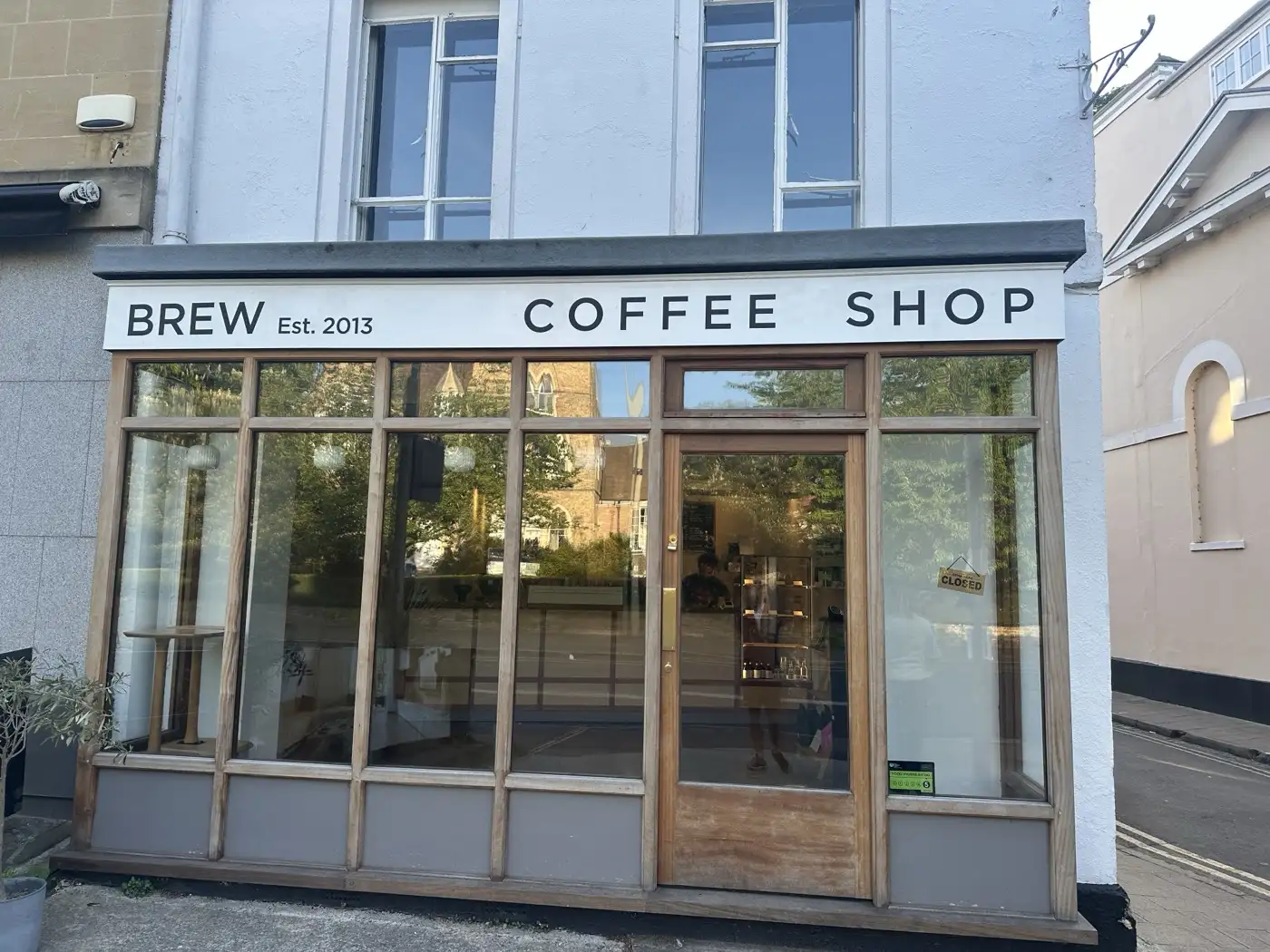
Top picks: Gee's for a Victorian-glasshouse modern British dinner, The Oxford Kitchen for Michelin-listed tasting menus, Branca for casual Italian, and BREW on North Parade for specialty coffee.