Lady Margaret Hall
Riverside gardens and pioneering history, away from the tourist crush
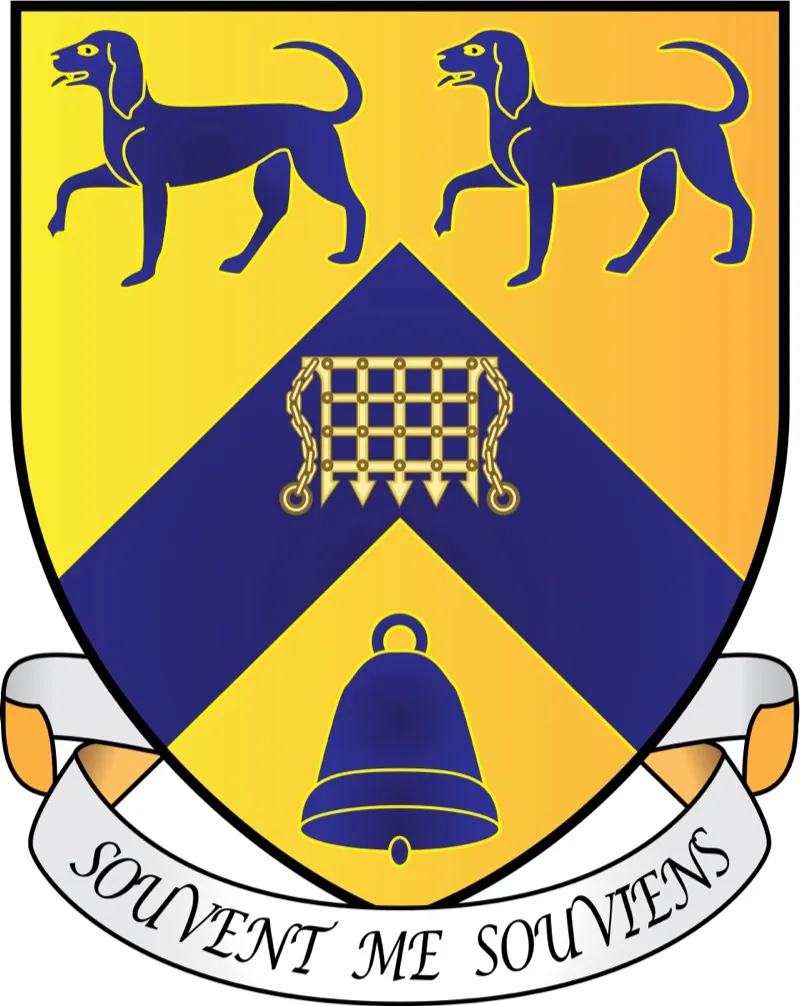
Lady Margaret Hall — universally known as LMH — was founded in 1878 as Oxford's first women's college, a year before Somerville. It's a 15-minute walk from the city centre, tucked into the leafy streets of North Oxford on the banks of the Cherwell, and that distance means it's almost entirely free of tourists. If you want to see a beautiful college without sharing it with anyone, LMH is your best bet.
The grounds are the main draw. The gardens run down to the River Cherwell — mature trees, open lawns, and a riverbank that feels miles from the High Street. The buildings are a mix: Victorian Gothic at the core, with a chapel by Giles Gilbert Scott (who also designed Battersea Power Station and the red telephone box) and some decent modern additions. The Deneke Building has a fine concert hall. Benazir Bhutto is among the alumnae, and the college continues to attract students with an interest in public life.
What makes it special
The Cherwell-side setting is one of the more attractive in Oxford, and you'll likely have it to yourself. The pioneering women's education history gives the place an intellectual seriousness that the prettier-but-emptier modern parts of the college can't quite match. The chapel, though not ancient, is elegant. And LMH now runs a foundation year for students from underrepresented backgrounds — the same ethos that drove its founding is still at work.
Visitor info
LMH is on Norham Gardens, off the Banbury Road. It's a 15-minute walk from the centre or a short bus ride. The grounds are generally open during daylight hours, but check the college website to confirm. No admission charge. Best combined with a walk through the University Parks, which are next door and free. Bring a book and sit by the river — that's the real LMH experience.
Nearby
Within a few minutes' walk