Addison's Walk
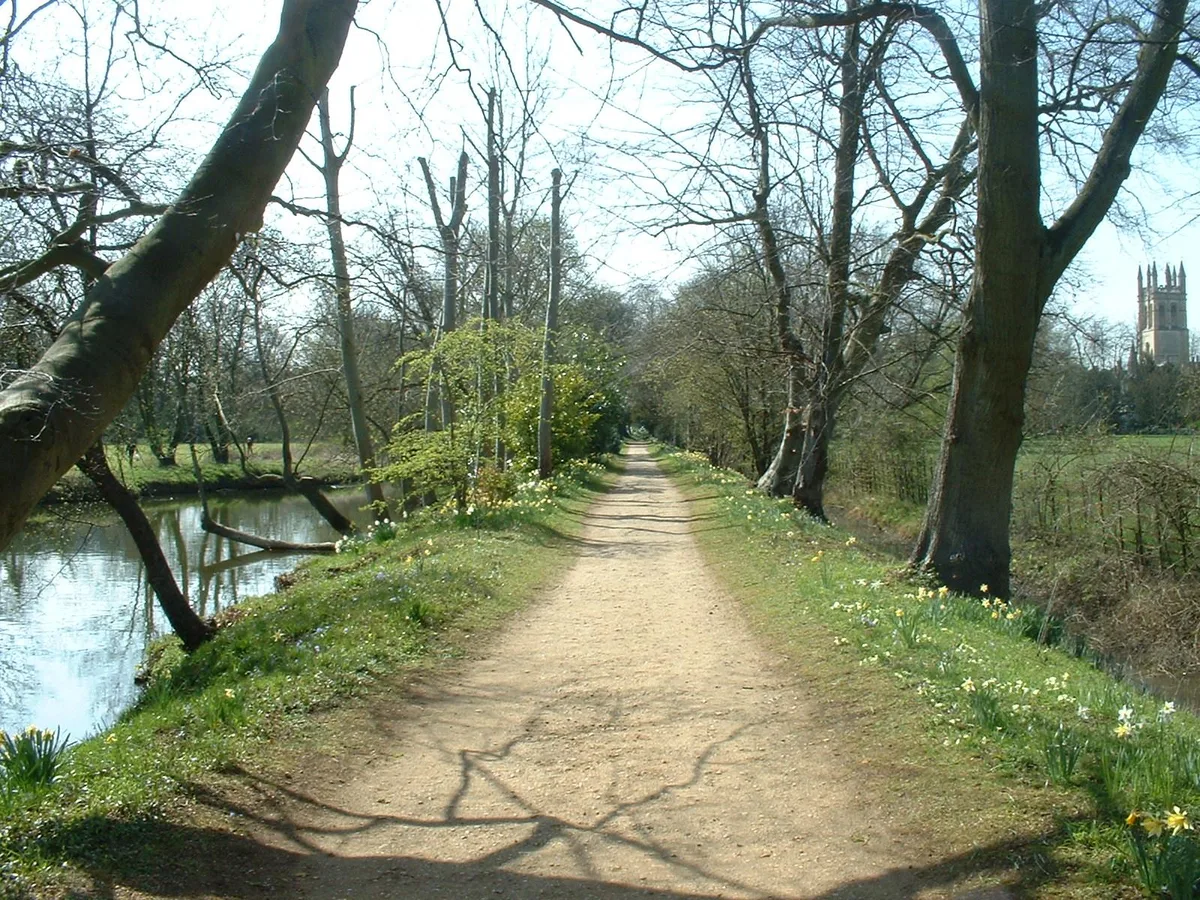
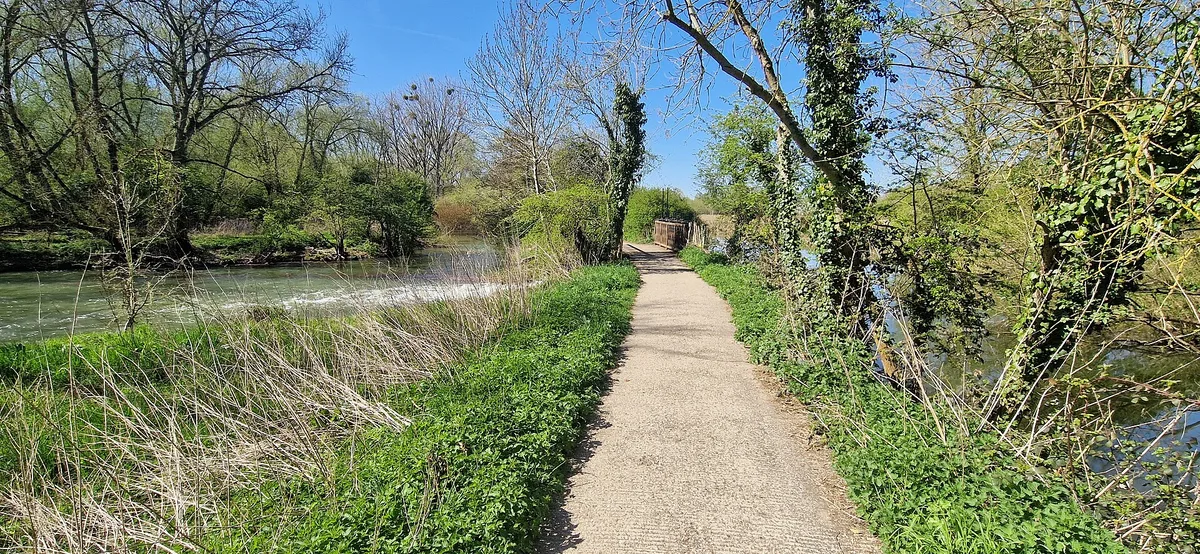
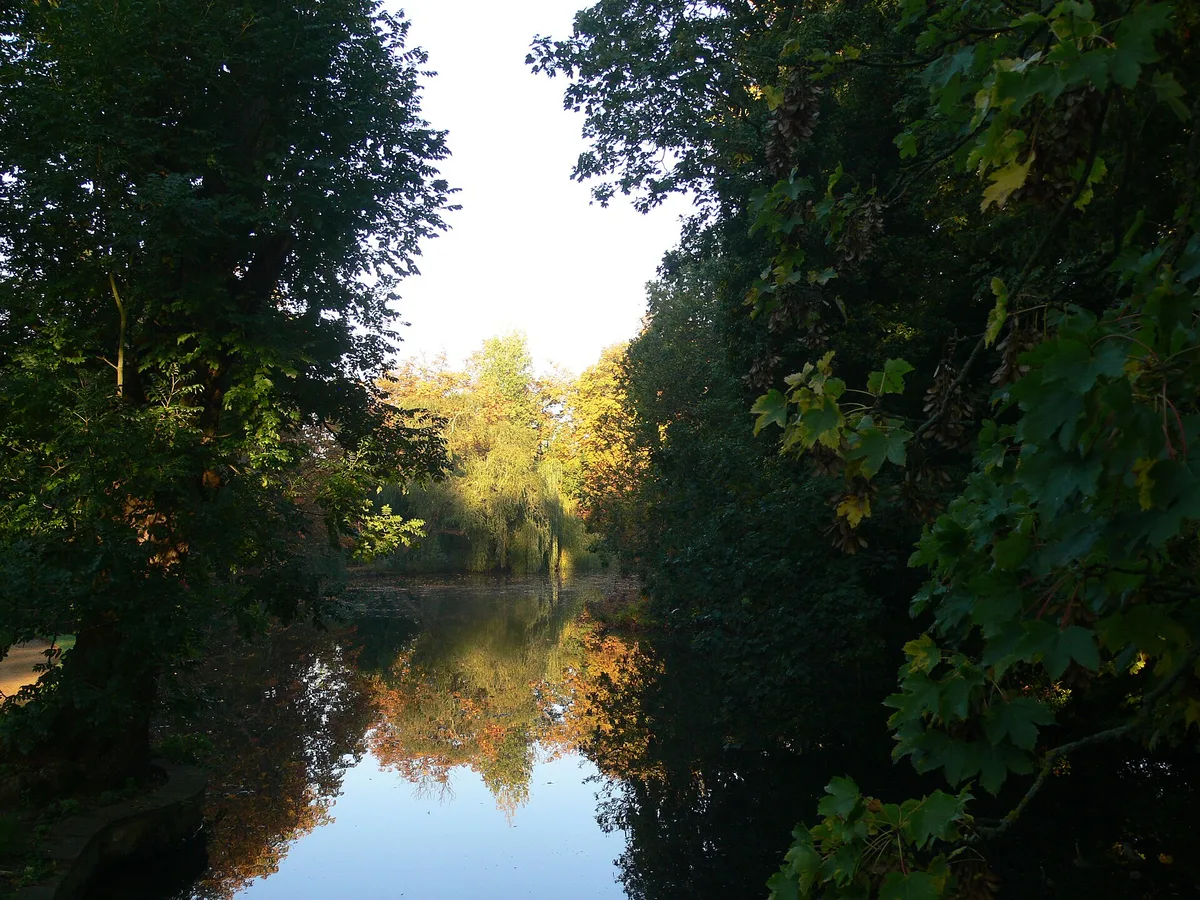
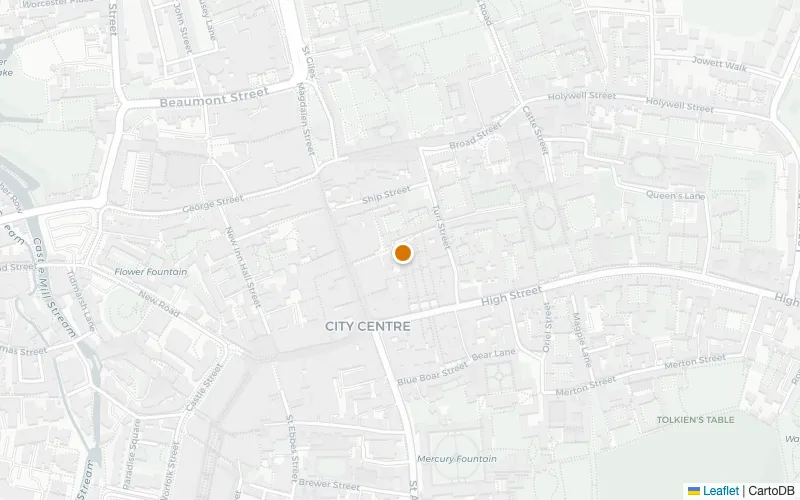
RecommendedThe footpath around a Cherwell island in Magdalen's grounds — named for Joseph Addison, walked by Joseph Addison, made famous a century later by C.S. Lewis and Tolkien.
Oxford est l'une des villes d'Angleterre les plus adaptees aux familles, et la plupart des attractions majeures sont gratuites. Le Natural History Museum possede un squelette complet de T-Rex et une galerie de mineraux qui brillent sous les ultraviolets. Le Pitt Rivers Museum, juste a cote, est un cabinet de curiosites qui fascine les enfants : tetes reduites, totems, marionnettes d'ombre et sorcieres en bouteille. Les deux musees sont entierement gratuits.
Christ Church est le college ou Charles Dodgson (Lewis Carroll) enseignait les mathematiques. On y trouve partout des traces d'Alice au pays des merveilles : la petite porte dans le grand hall, la cheminee qui a inspire le chat du Cheshire, et en face, Alice's Shop — le "Old Sheep Shop" de De l'autre cote du miroir, qui vend aujourd'hui des souvenirs sur le theme du pays des merveilles.
Quand les enfants debordent d'energie, direction Port Meadow — une vaste prairie commune ancestrale ou ils peuvent courir, patauger dans la Tamise et observer les chevaux et les vaches. La barque a perche (punting) sur la Cherwell depuis le Jardin botanique convient aux enfants plus ages ; le troncon qui passe par University Parks est calme et peu profond. Le Covered Market plait a tous les ages : les cookies de Ben's Cookies pour amadouer les petits, les boucheries pour preparer un pique-nique, et assez d'espace couvert pour les jours de pluie.
The footpath around a Cherwell island in Magdalen's grounds — named for Joseph Addison, walked by Joseph Addison, made famous a century later by C.S. Lewis and Tolkien.
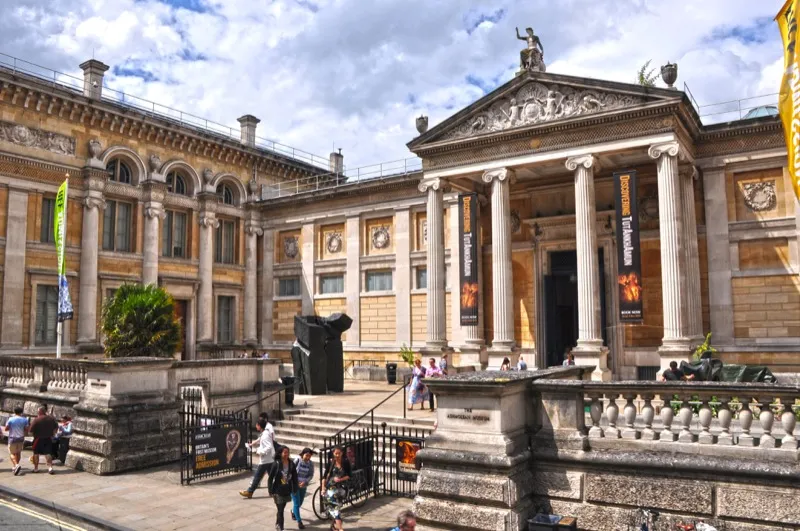
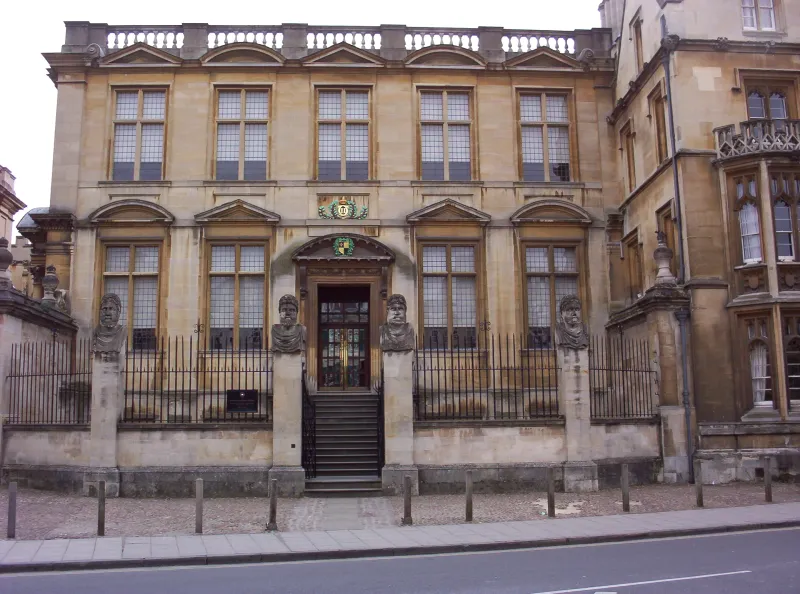
The world's first university museum — free, with major collections of art and archaeology.
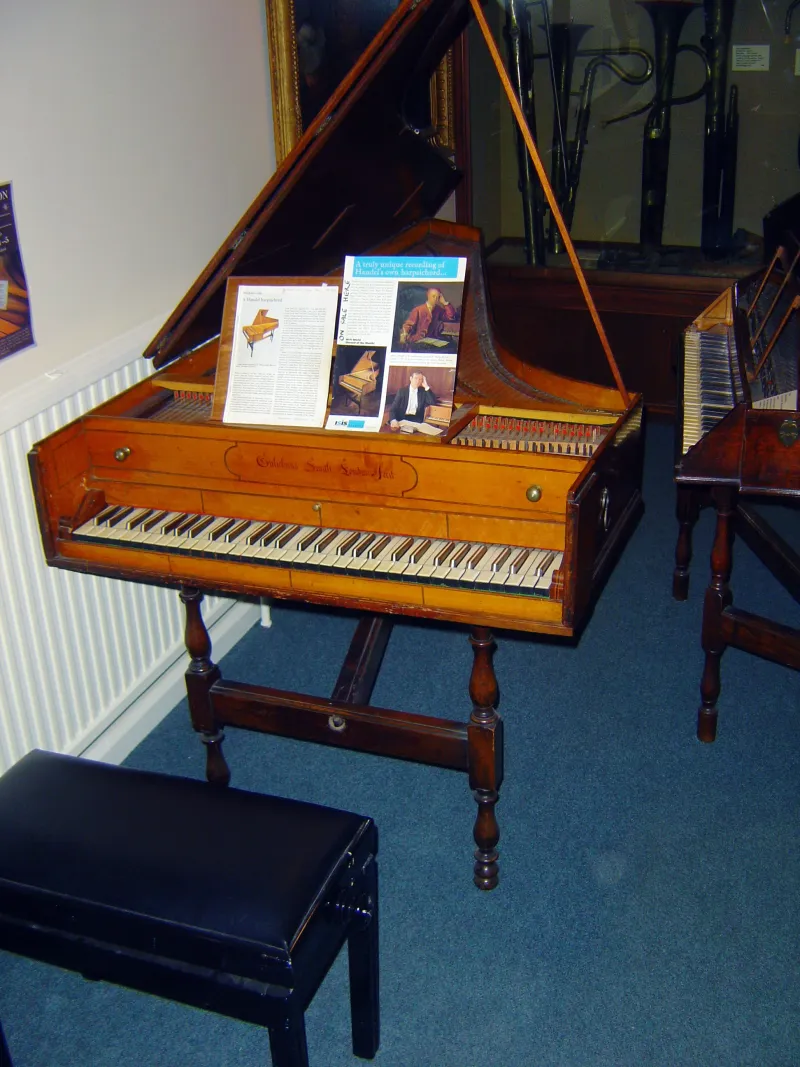
A specialist collection of historical musical instruments, from medieval to modern.
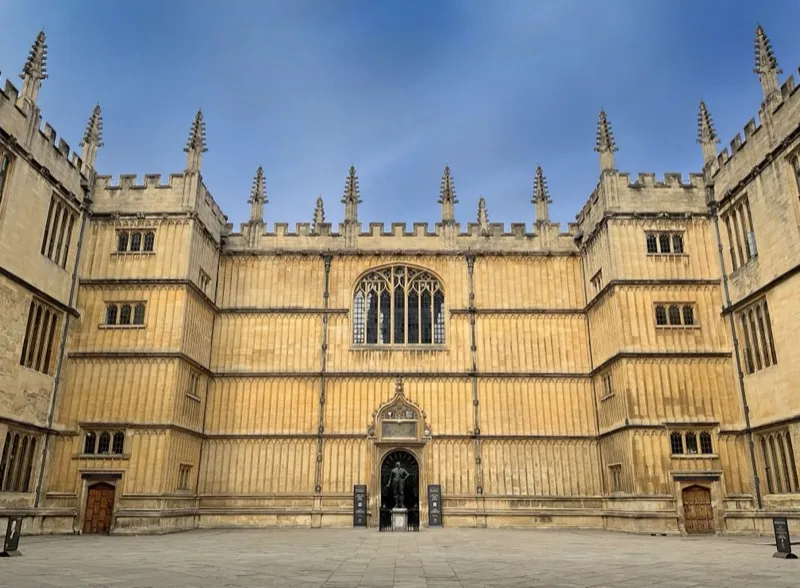
One of the oldest libraries in Europe — the Divinity School, Duke Humfrey's Library, and the Radcliffe Camera.
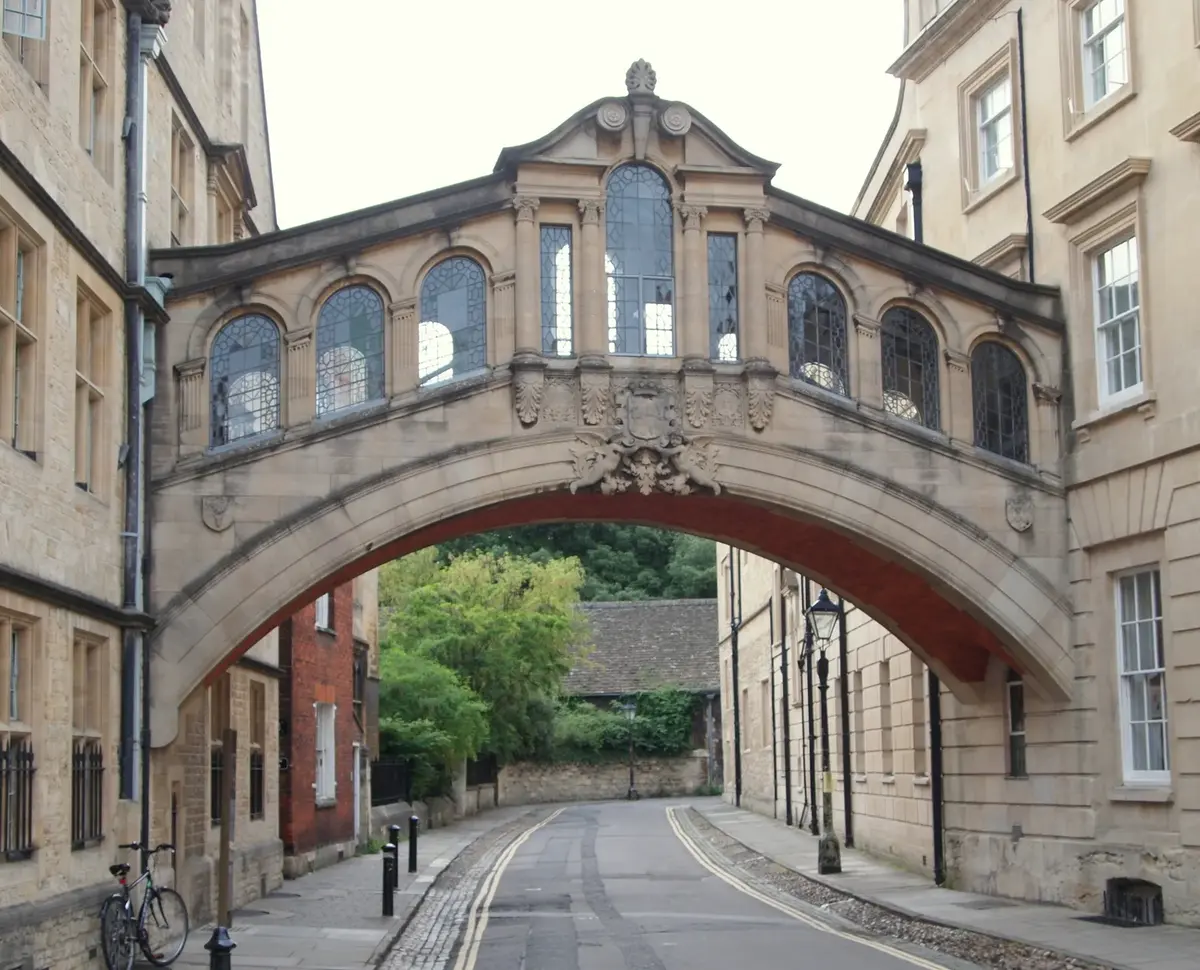
Hertford College's 1914 covered skyway over New College Lane — Oxford's most photographed bridge, despite resembling neither of the actual Bridges of Sighs.
The 23-metre Saxon-medieval tower at the centre of Oxford — climb 99 steps for a four-way panorama.
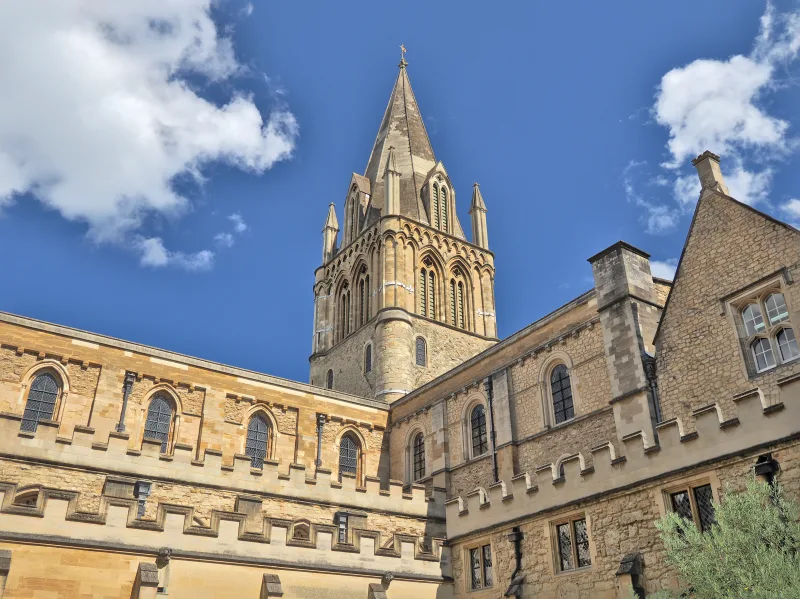
The smallest cathedral in England and the only one that is also a college chapel. Norman bones, a 14th-century Becket window that survived the Reformation, and five Burne-Jones windows.
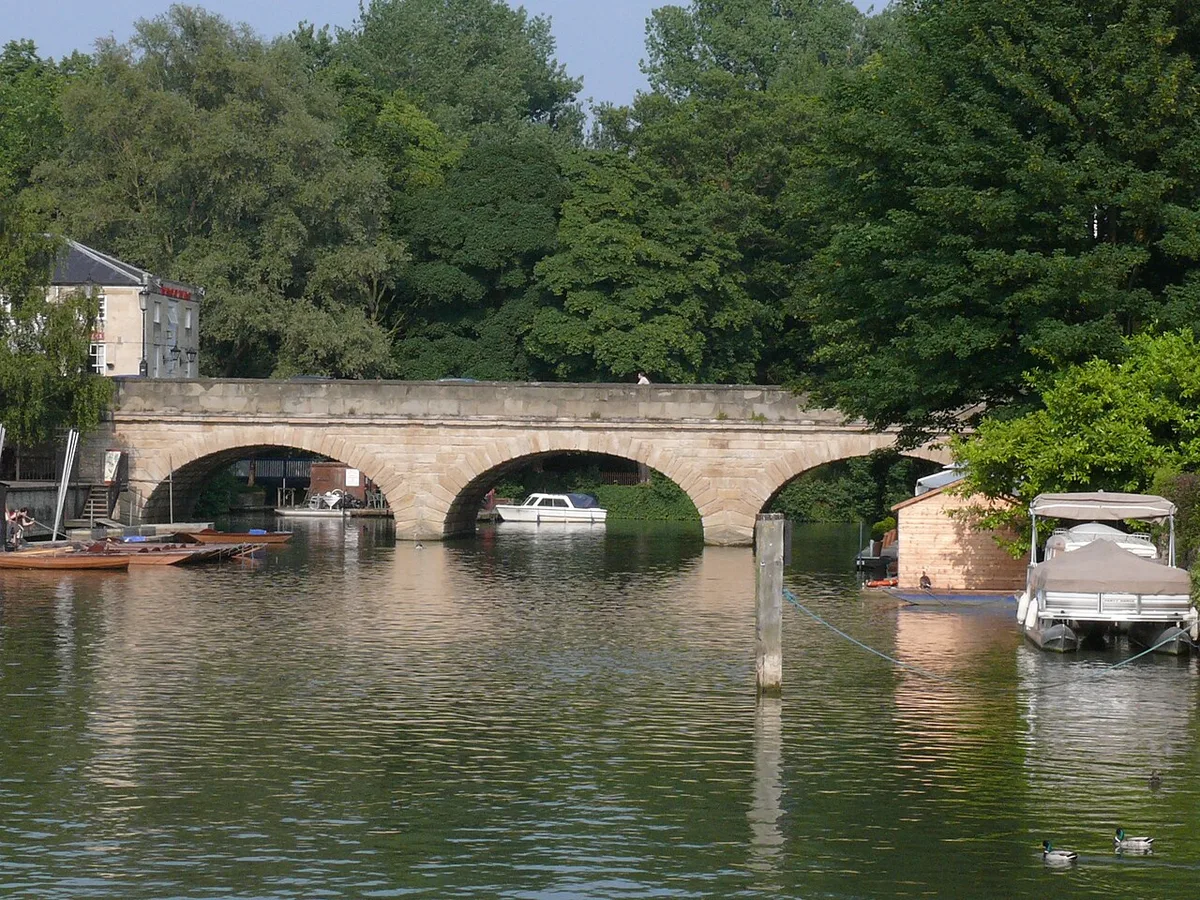
The 1825 stone bridge at the south end of St Aldate's, Grade I listed and standing on the site of an oxen-ford that gave Oxford its name. The boat that became *Alice in Wonderland* set off from here on 4 July 1862.
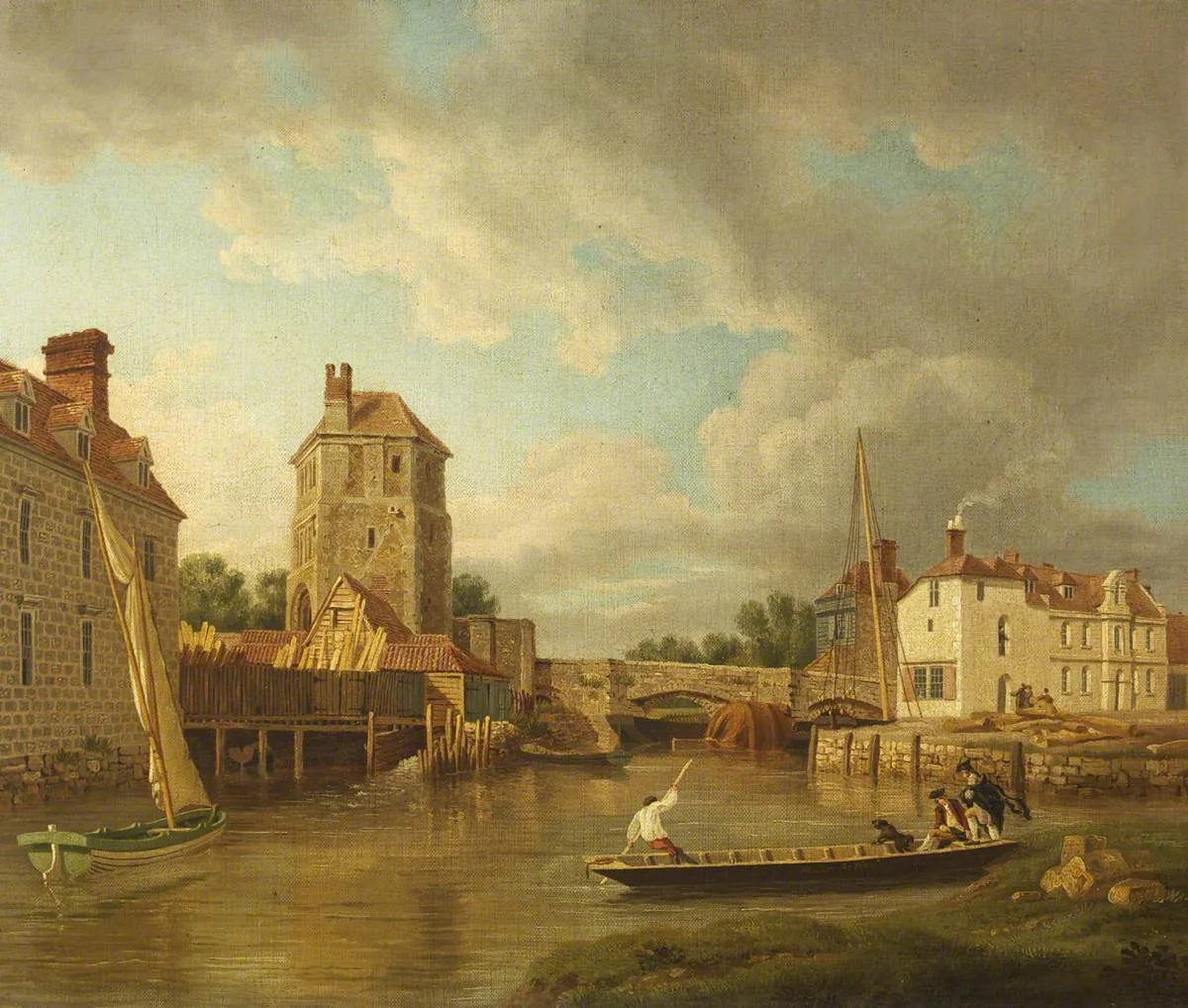
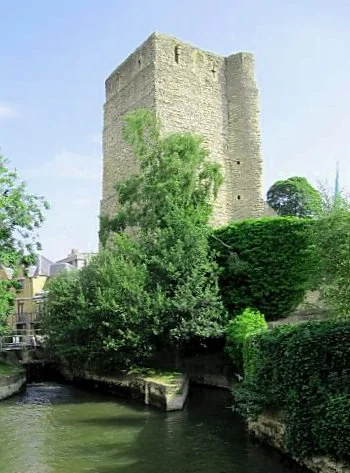
A medieval tower at the north end of Folly Bridge, demolished 1779. The 13th-century Franciscan friar Roger Bacon — one of the earliest European advocates of the scientific method — is said to have lived and worked here.
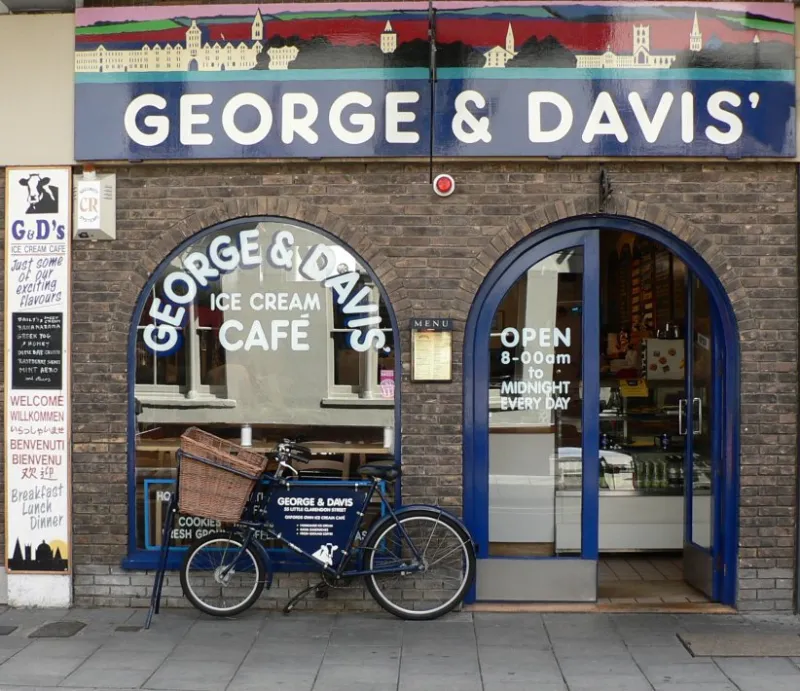
Oxford's own ice cream since 1992 — handmade, inventive, and open past midnight.
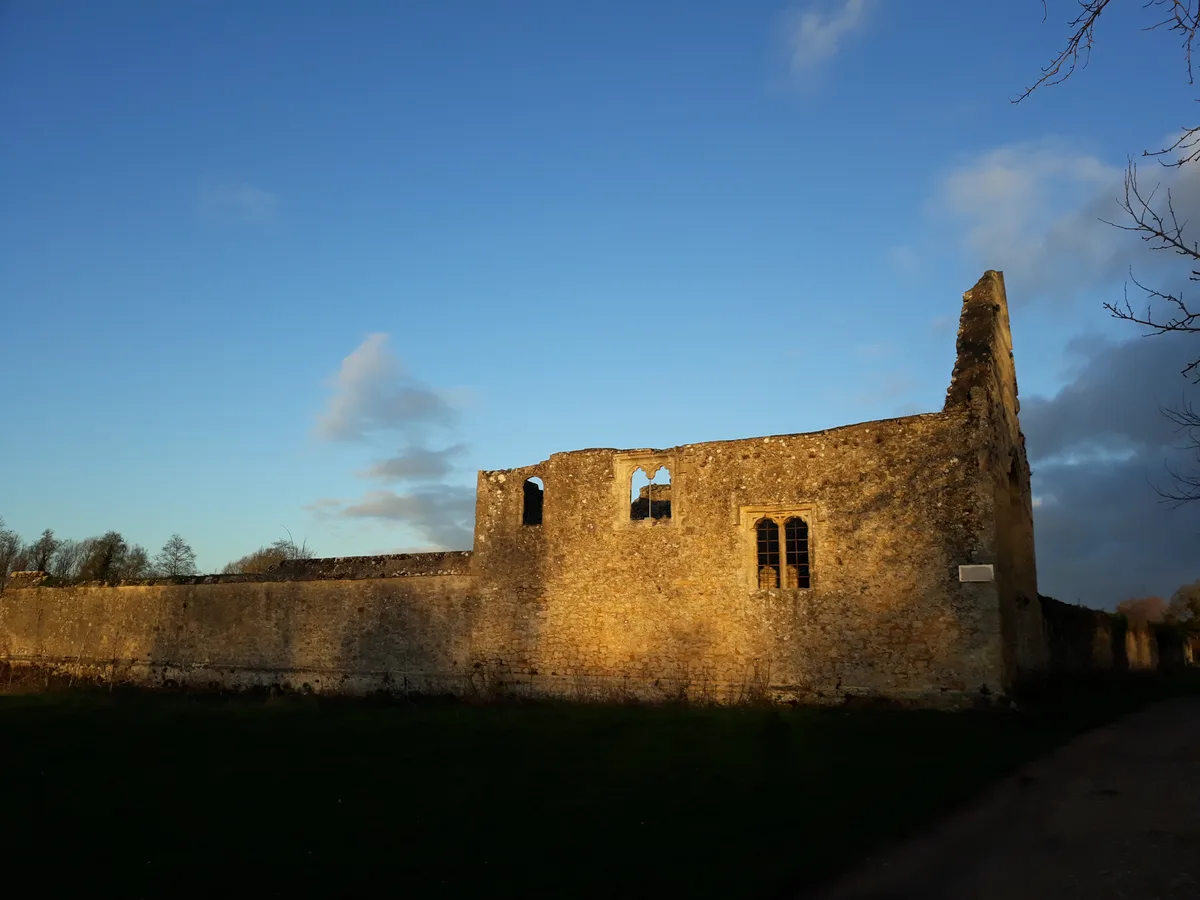
A Benedictine nunnery founded in 1133 on an island in the Thames; the burial place of Henry II's mistress Rosamund Clifford until a bishop ordered her tomb thrown out of the church in 1191. Suppressed in 1539, ruined in the Civil War, painted by the Pre-Raphaelites, picnicked over by Lewis Carroll.
Scientific instruments from the Middle Ages to the 19th century, in the world's oldest surviving purpose-built museum.
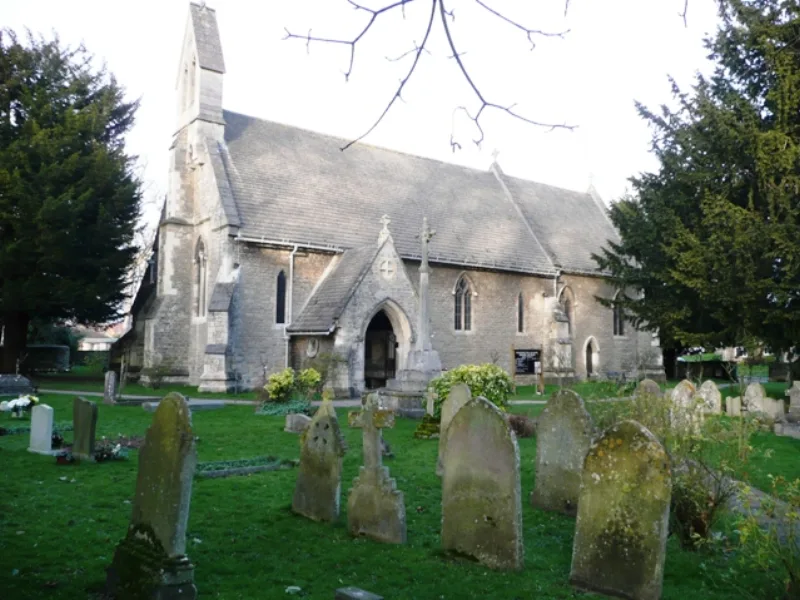
C. S. Lewis's parish church from 1930 to his death in 1963 — designed by George Gilbert Scott, built 1848 to 1849 for the quarry workers of Headington Quarry, with a 1991 Narnia window in the north aisle and the Lewis brothers buried in the churchyard.
Victorian cemetery established in 1847 on Merton College land. The resting place of Kenneth Grahame, Walter Pater, Charles Williams and the Mad Hatter's reputed model — now a wildlife refuge with muntjac deer and pheasants.
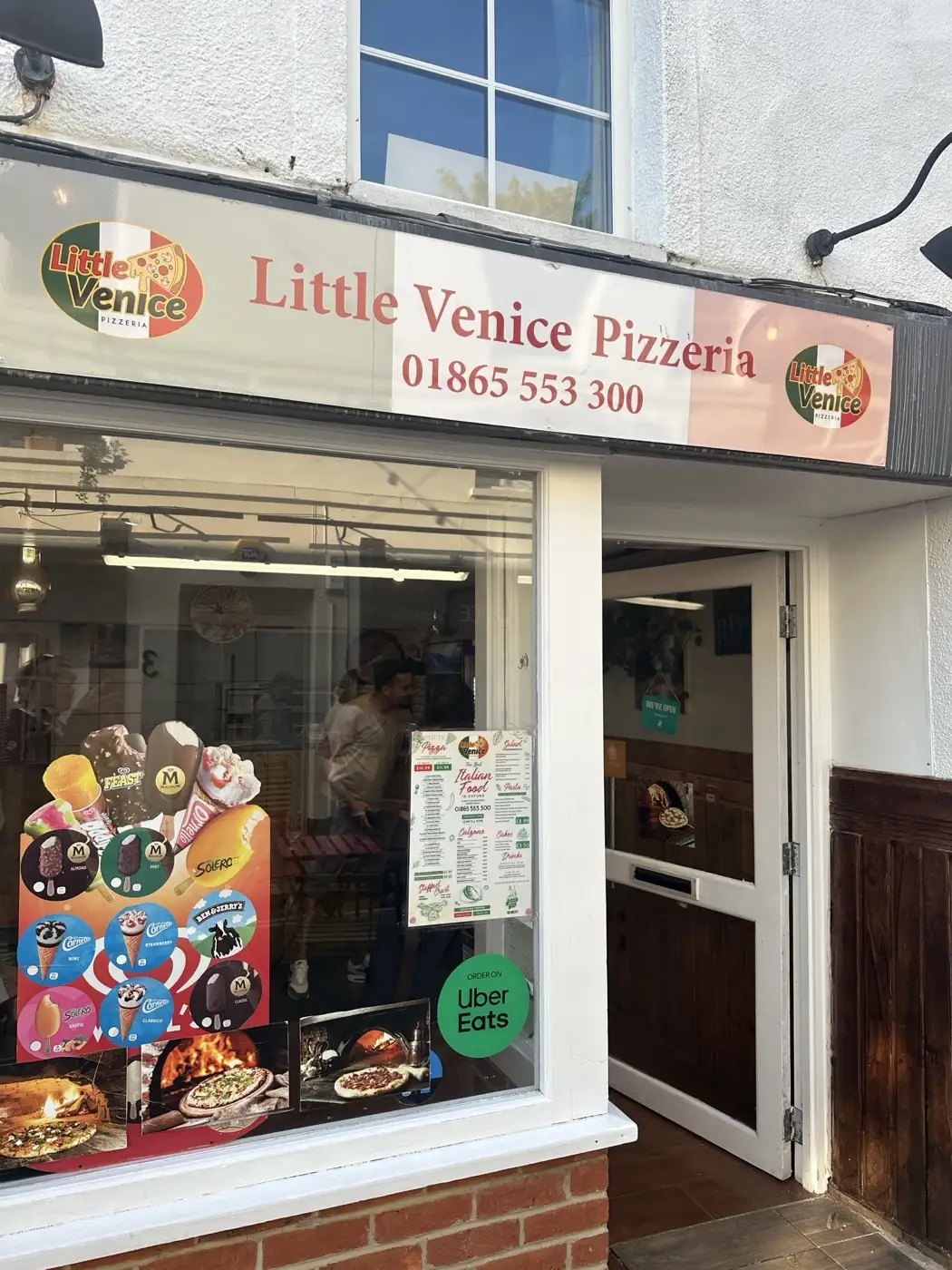
A small Italian pizzeria on North Parade — eat-in, takeaway or delivery.
The bench at the back of the Botanic Garden where, in the closing chapter of Philip Pullman's His Dark Materials, Lyra and Will promise to sit at noon on Midsummer's day every year.
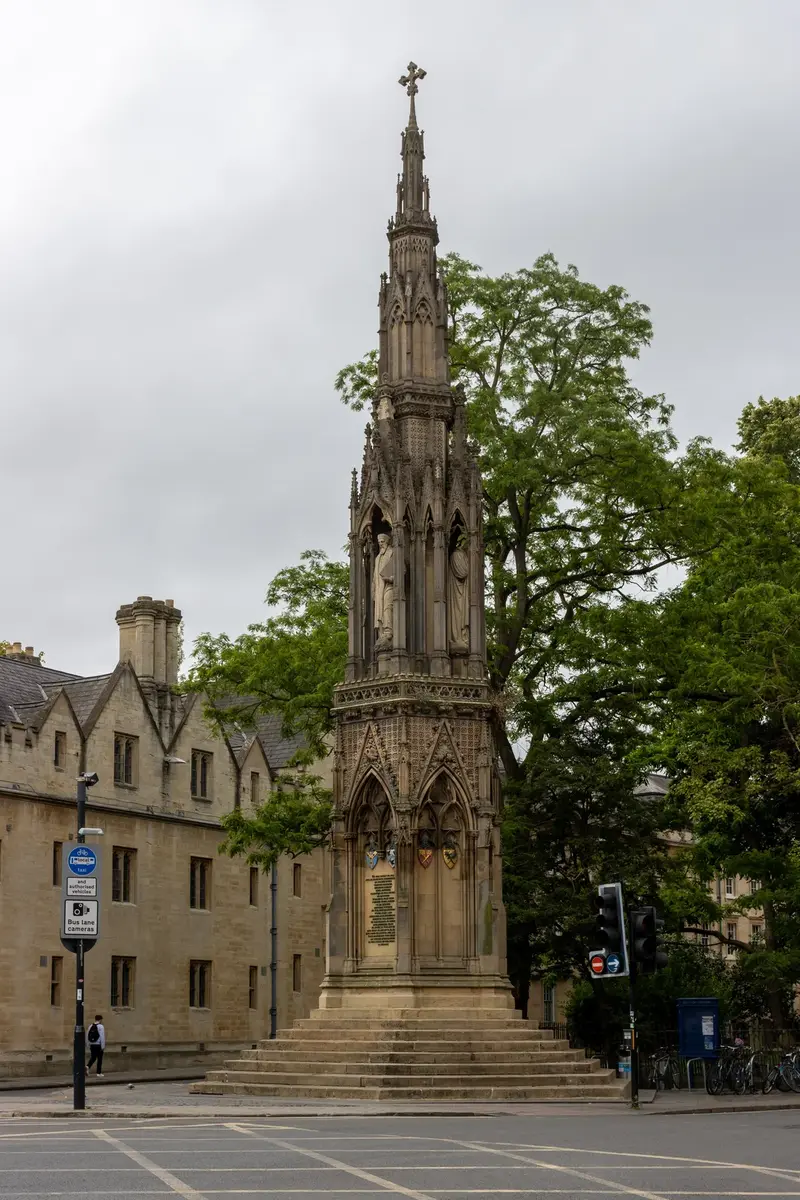
Sir Gilbert Scott's 1843 Gothic-Revival monument to Cranmer, Latimer and Ridley — the three Oxford Martyrs burned for heresy in 1555–1556.
A long, narrow island in the Cherwell — Greek 'between rivers' — laid out as a public walk in 1865, threaded between two branches of the river that flow at different heights.
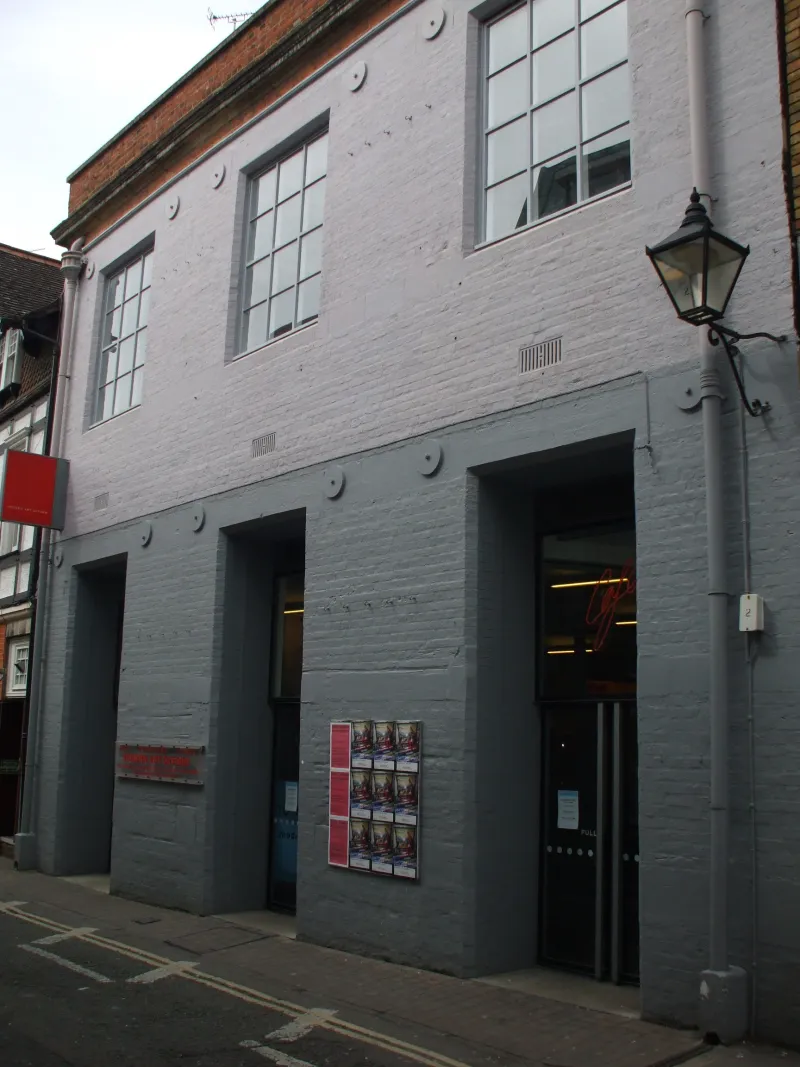
Oxford's contemporary art gallery — free, ambitious exhibitions in the heart of the city.
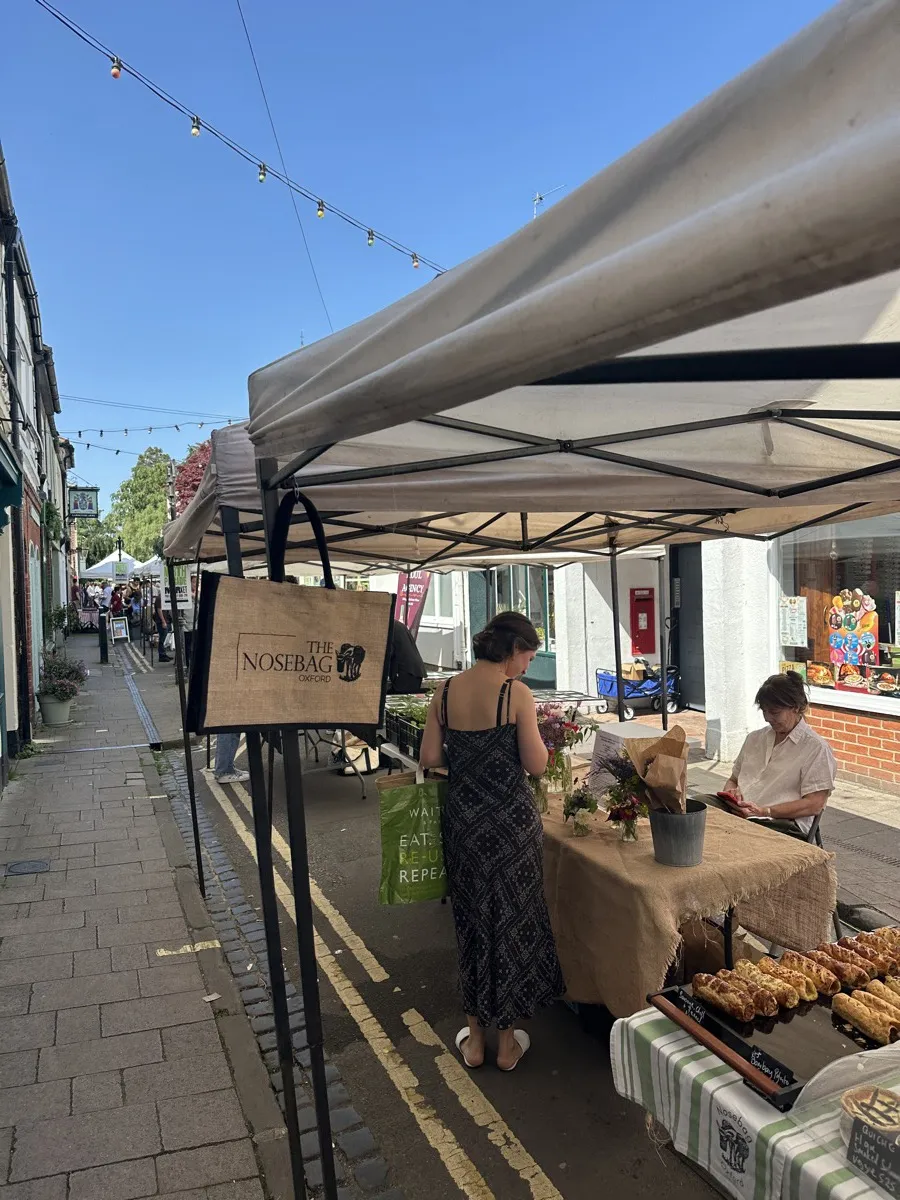
A fortnightly farmers' and artisan market on North Parade Avenue — bunting overhead, jazz quartet on the pavement, and stalls from sourdough bakers to Ugandan street food.
Norman castle (1071) and former Victorian prison — the medieval mound, St George's Tower, and 1,000 years of overlapping use.
The 13th-century defensive ring around medieval Oxford — best-preserved in the gardens of New College.
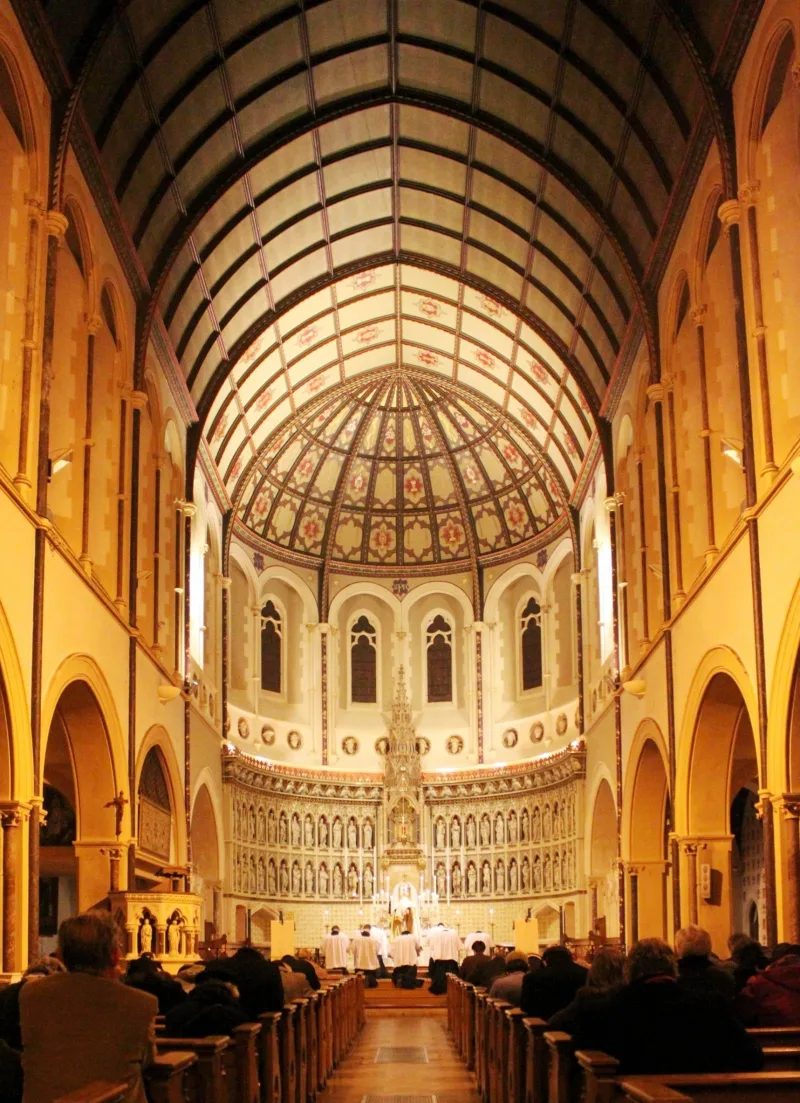
The Catholic parish church for central Oxford — completed in 1875 as a Jesuit foundation, taken over by the Birmingham Oratory in 1990, with a shrine to St John Henry Newman, restored Pippet murals, and a parish history that includes Gerard Manley Hopkins.
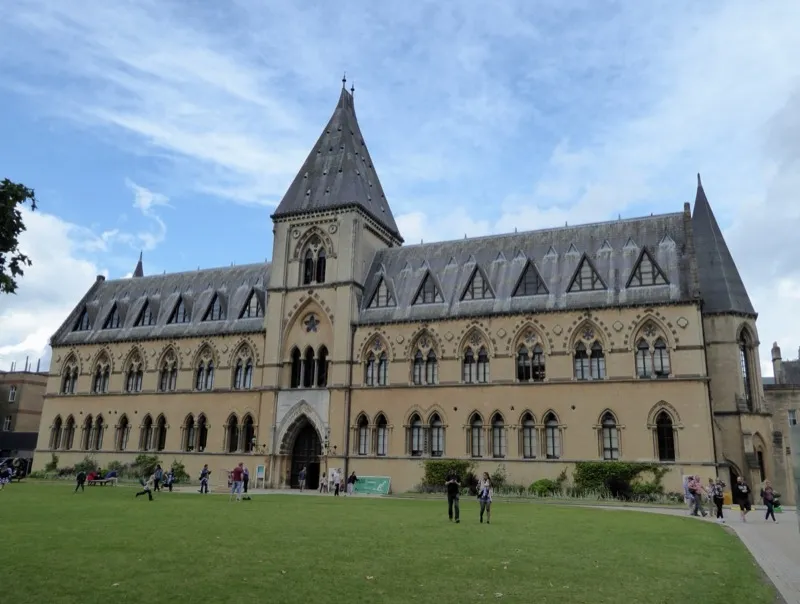
Dinosaurs, dodos, and Darwin's legacy — all under a Gothic Revival iron-and-glass roof.
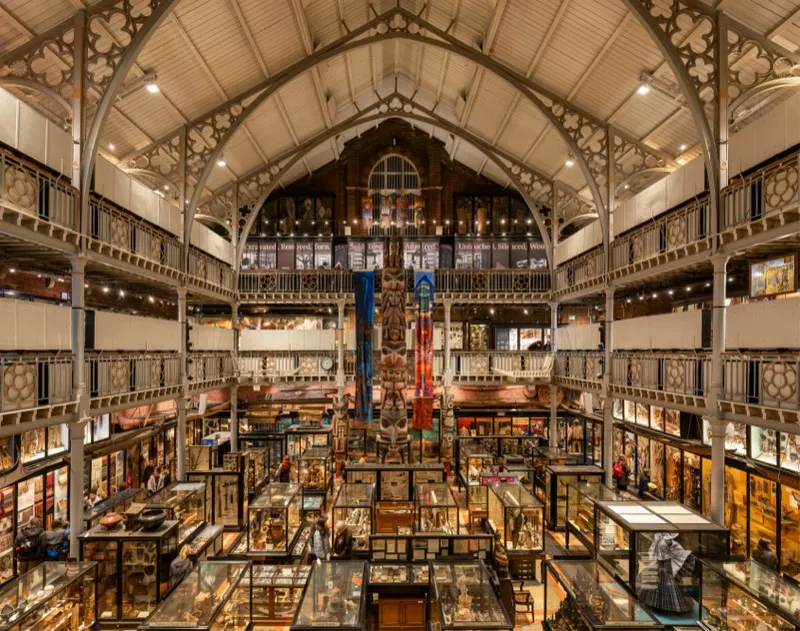
A Victorian cabinet of curiosities — shrunken heads, totem poles, and half a million objects from every culture on earth.
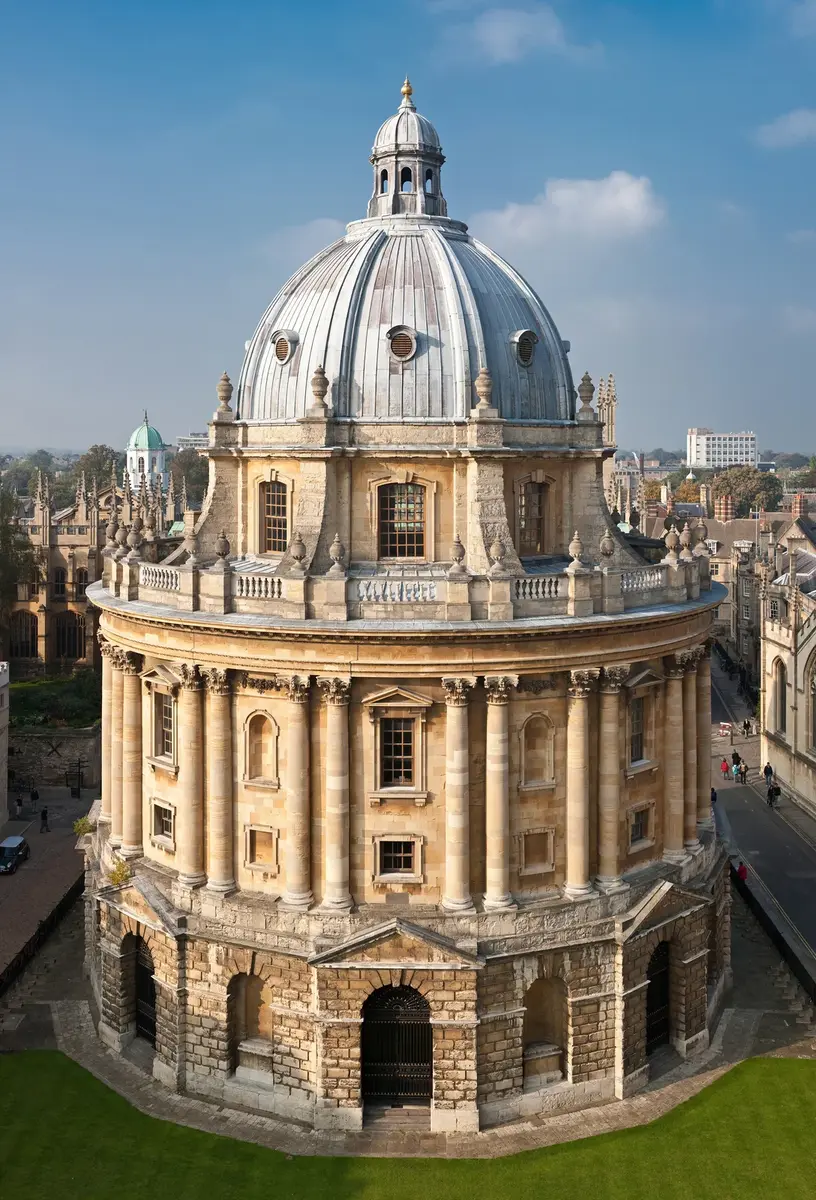
James Gibbs's English Palladian rotunda (1749) — the first circular library in the country and the most photographed building in Oxford.
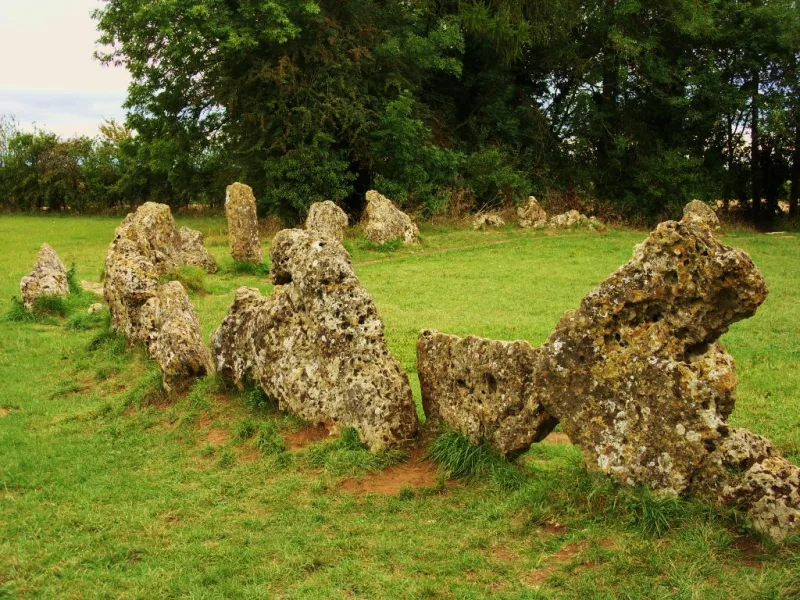
A 4,500-year-old stone circle on the Oxfordshire–Warwickshire border, with an older Neolithic burial dolmen and a probable Bronze Age standing stone — the most accessible major prehistoric site within reach of Oxford.
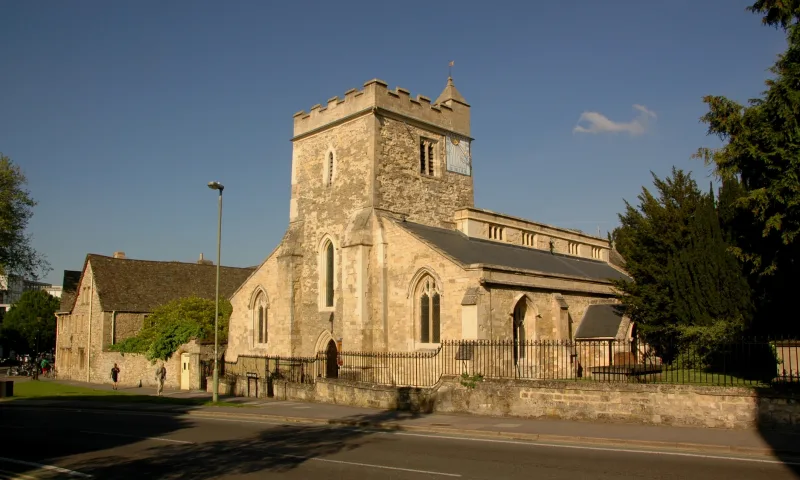
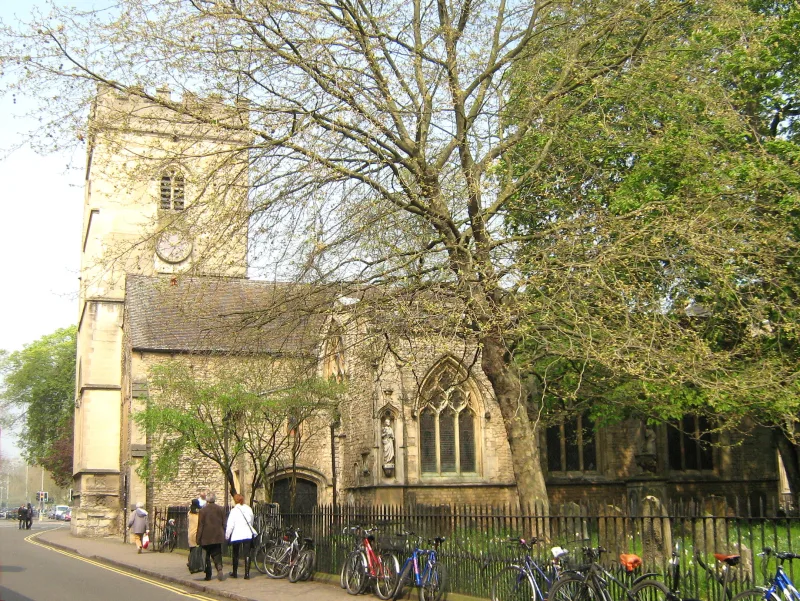
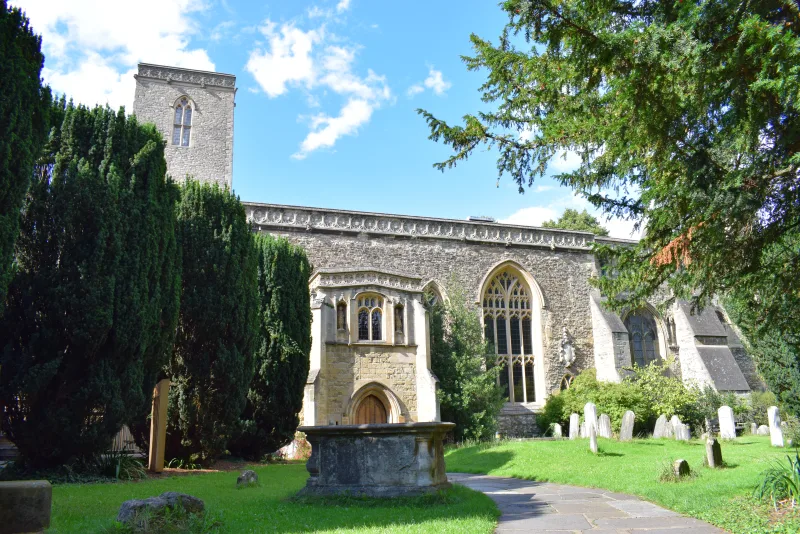
The 12th-century parish church opposite [Christ Church](/places/colleges/christ-church/) and next door to [Pembroke College](/places/colleges/pembroke/) — Saxon roots, a 13th-century tower rebuilt in 1873, and a glass vestibule opening onto St Aldate's.
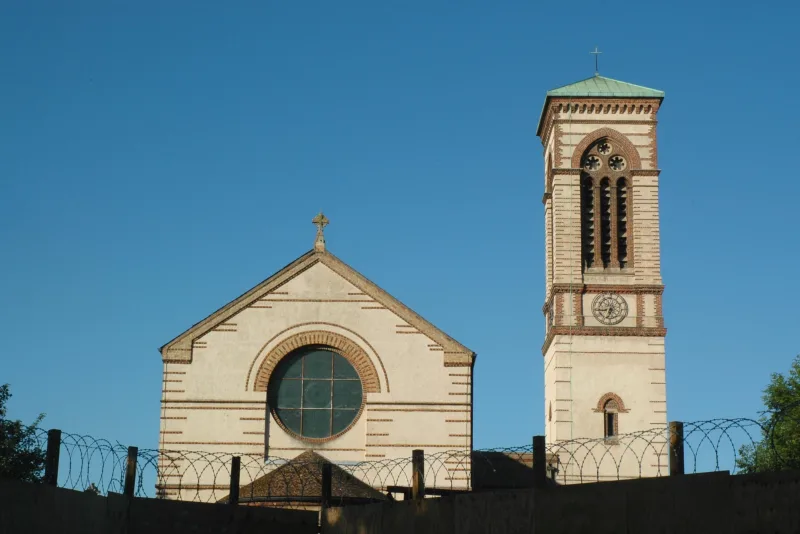
Jericho's Romanesque basilica — informally known as the 'Oxford Basilica' — built in 1869 by Sir Arthur Blomfield for Thomas Combe of OUP, modelled on San Clemente in Rome and the Ravenna basilicas, with an Italianate campanile visible across the canal.
A Grade I-listed Norman parish church on St Cross Road, closed in October 2008 and reopened in 2011 as Balliol College's Historic Collections Centre — and the church where, in fiction, Lord Peter Wimsey married Harriet Vane.
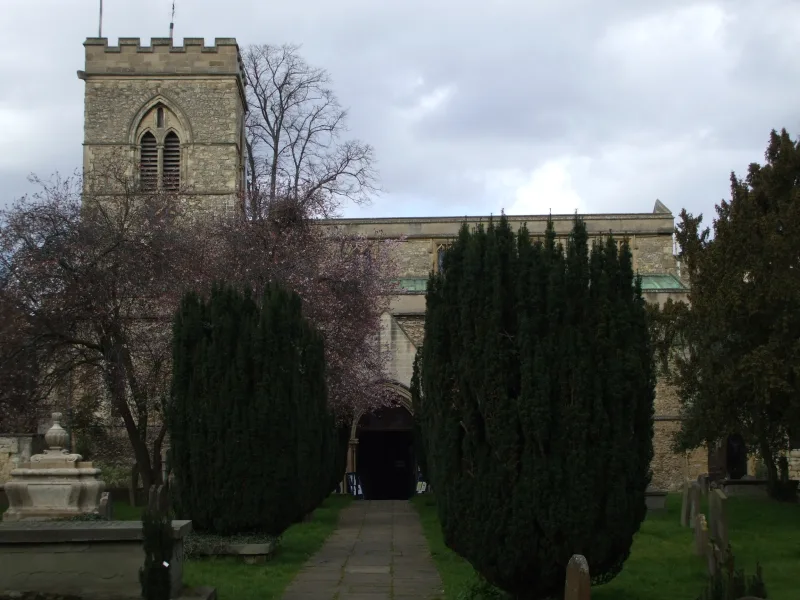
The Norman parish church at the northern head of St Giles', finished in 1120 and consecrated in 1200 by St Hugh of Lincoln — the consecration that gave Oxford [St Giles' Fair](/places/streets/st-giles/).
A Grade I-listed ancient parish church on Magdalen Street, with Saxon origins, work by Saint Hugh of Lincoln in 1194, and Oxford's first Gothic Revival interior — George Gilbert Scott's 1841 Martyrs' Aisle, complementing the [Martyrs' Memorial](/places/landmarks/martyrs-memorial/) immediately to the north.
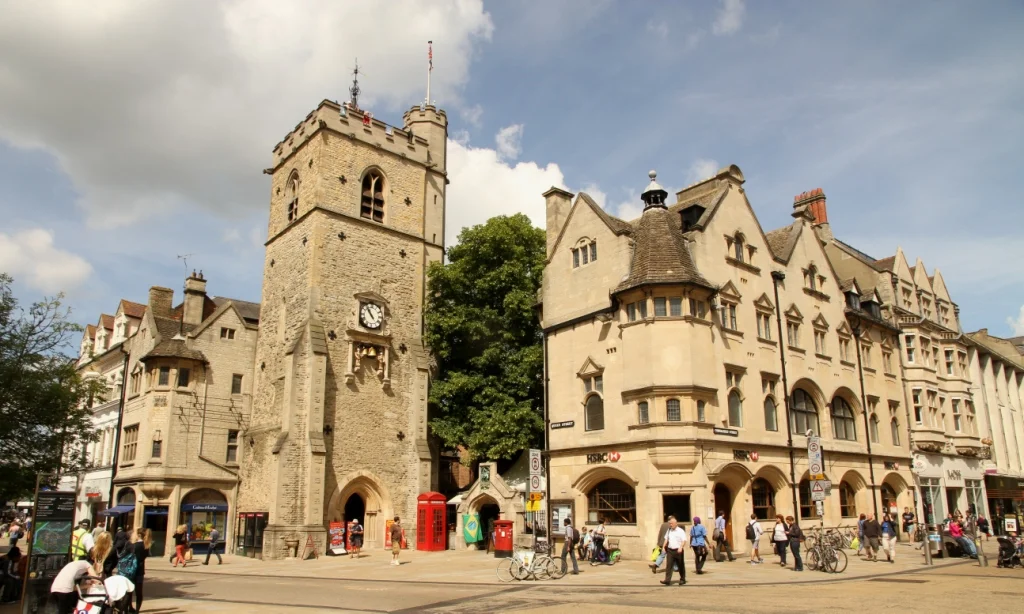
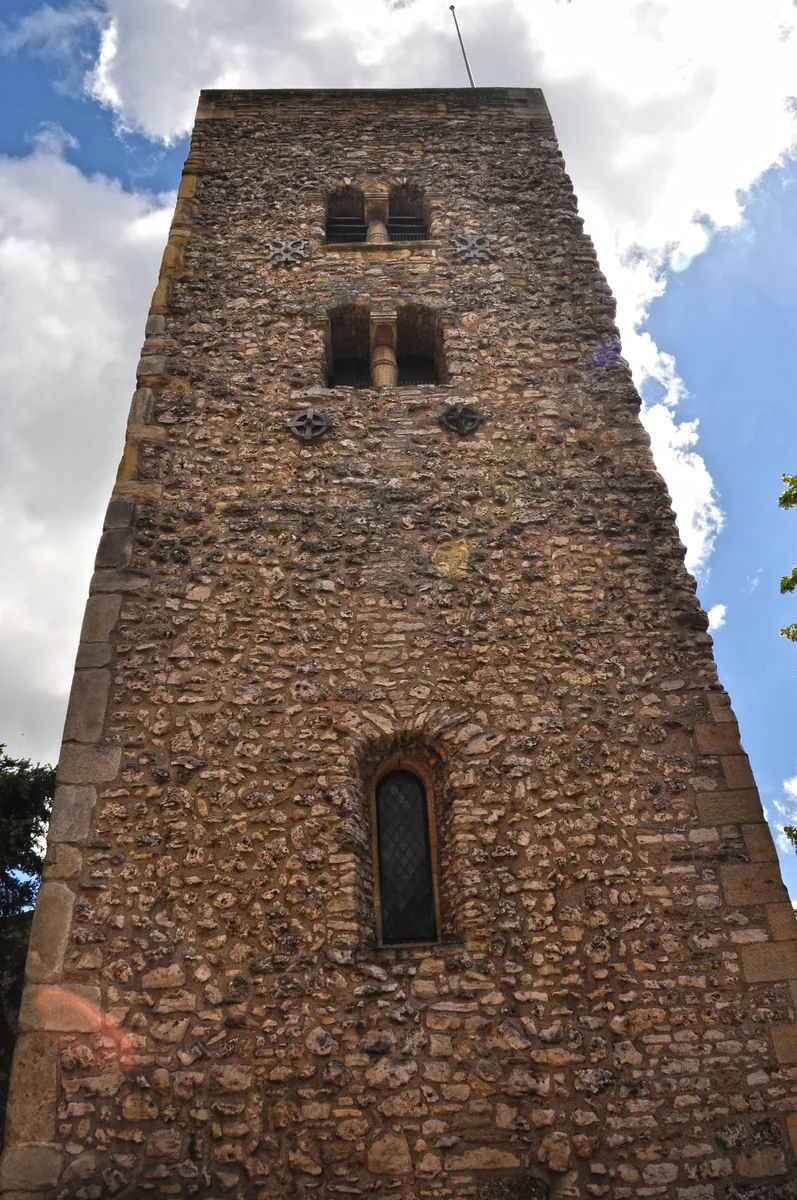
The Anglo-Saxon tower at the head of Cornmarket — c.1040, the oldest standing building in Oxford. The Bocardo Prison cell door behind which Cranmer, Latimer and Ridley were held in 1555-56 is preserved in the tower.
A 12th-century church on Queen's Lane, deconsecrated in the 1970s and now the library of [St Edmund Hall](/places/colleges/st-edmund-hall/) — with a small garden churchyard, a bronze statue of St Edmund as an impoverished student, and a Domesday Book mention from c.1085.
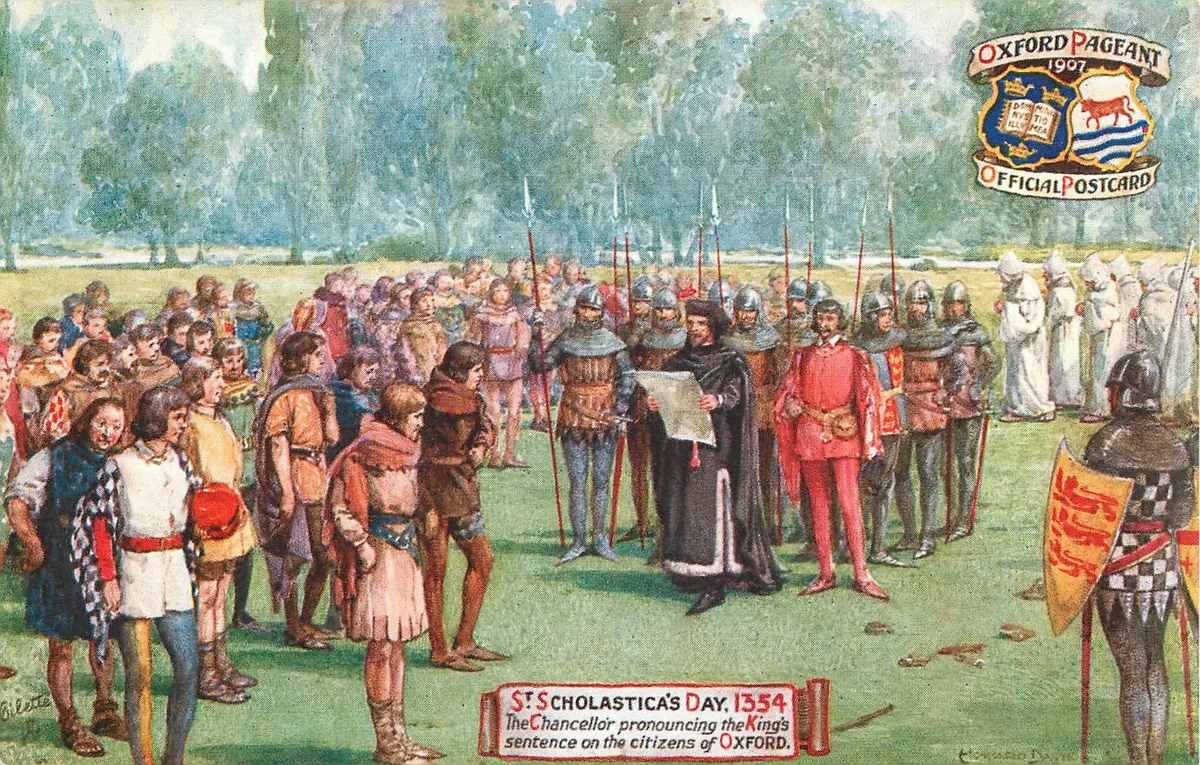
On 10 February 1355 two students complained about the wine at the Swindlestock Tavern at Carfax. Three days later, ninety-three people were dead — and the university had supremacy over the town for the next 470 years.
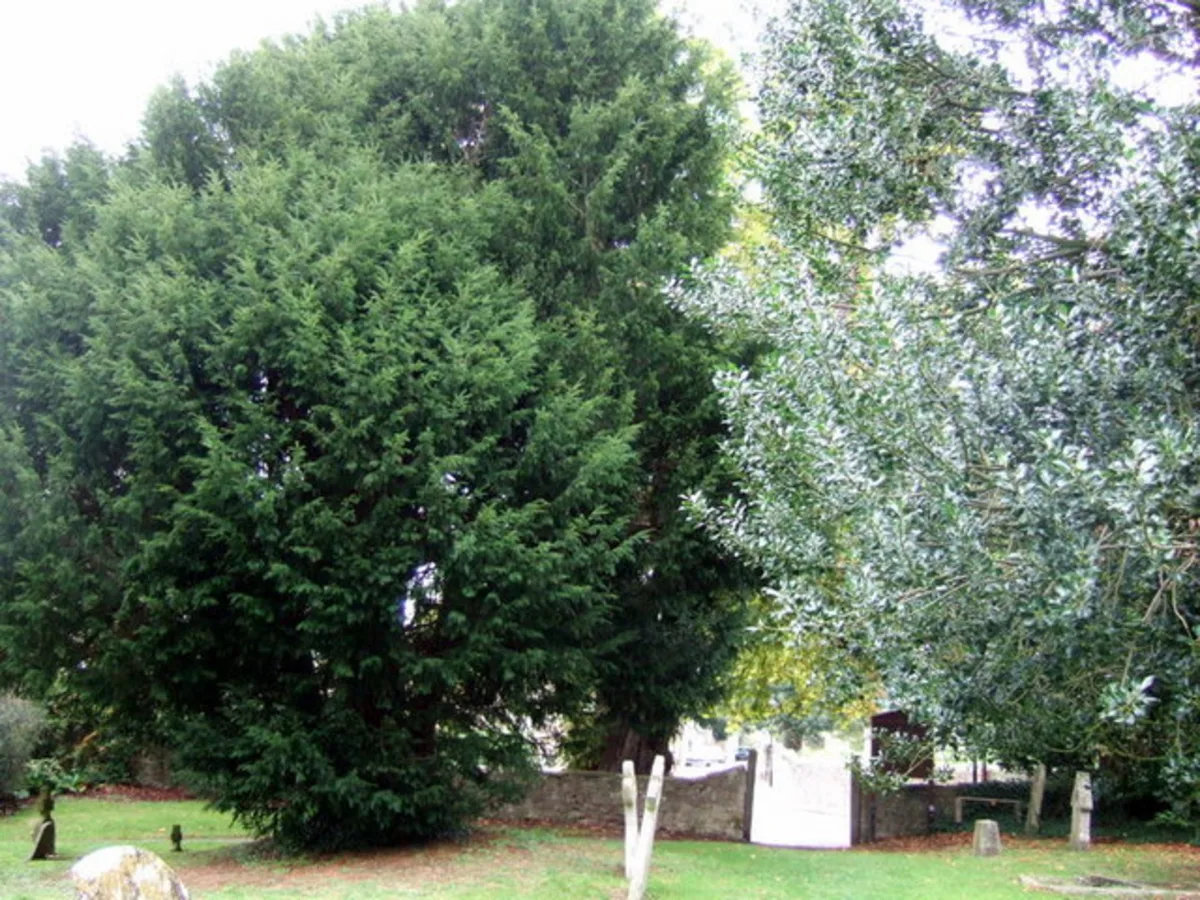
An ancient yew at the entrance to one of England's finest Norman churches — paired inside by John Piper's Tree of Life and Roger Wagner's Flowering Tree windows.
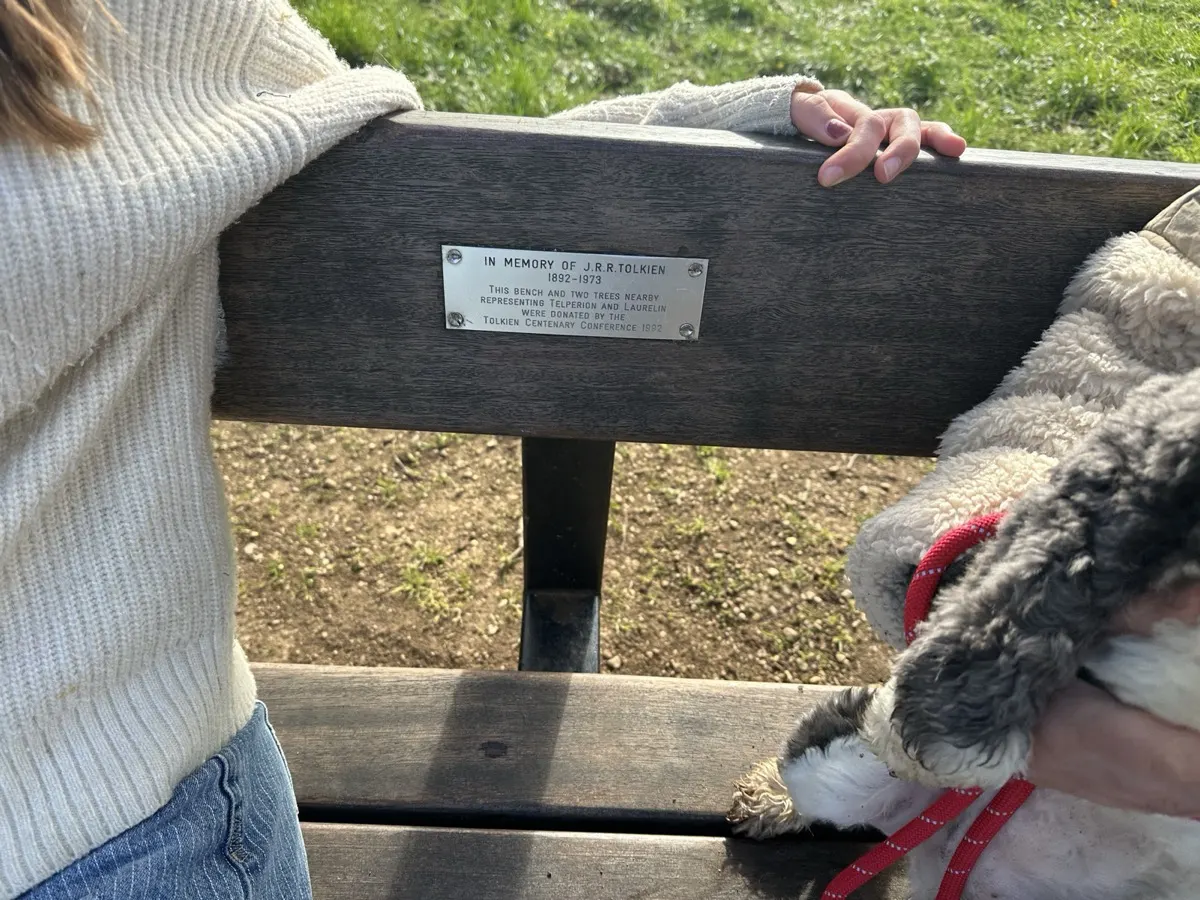
A brass-plaqued bench in University Parks, dedicated to J.R.R. Tolkien (1892–1973) by the Tolkien Centenary Conference in 1992 — accompanied by two trees said to represent Telperion and Laurelin, the Two Trees of Valinor.
The site, in the Oxford Botanic Garden, of the Pinus nigra under which J.R.R. Tolkien 'often spent his time reposing'.
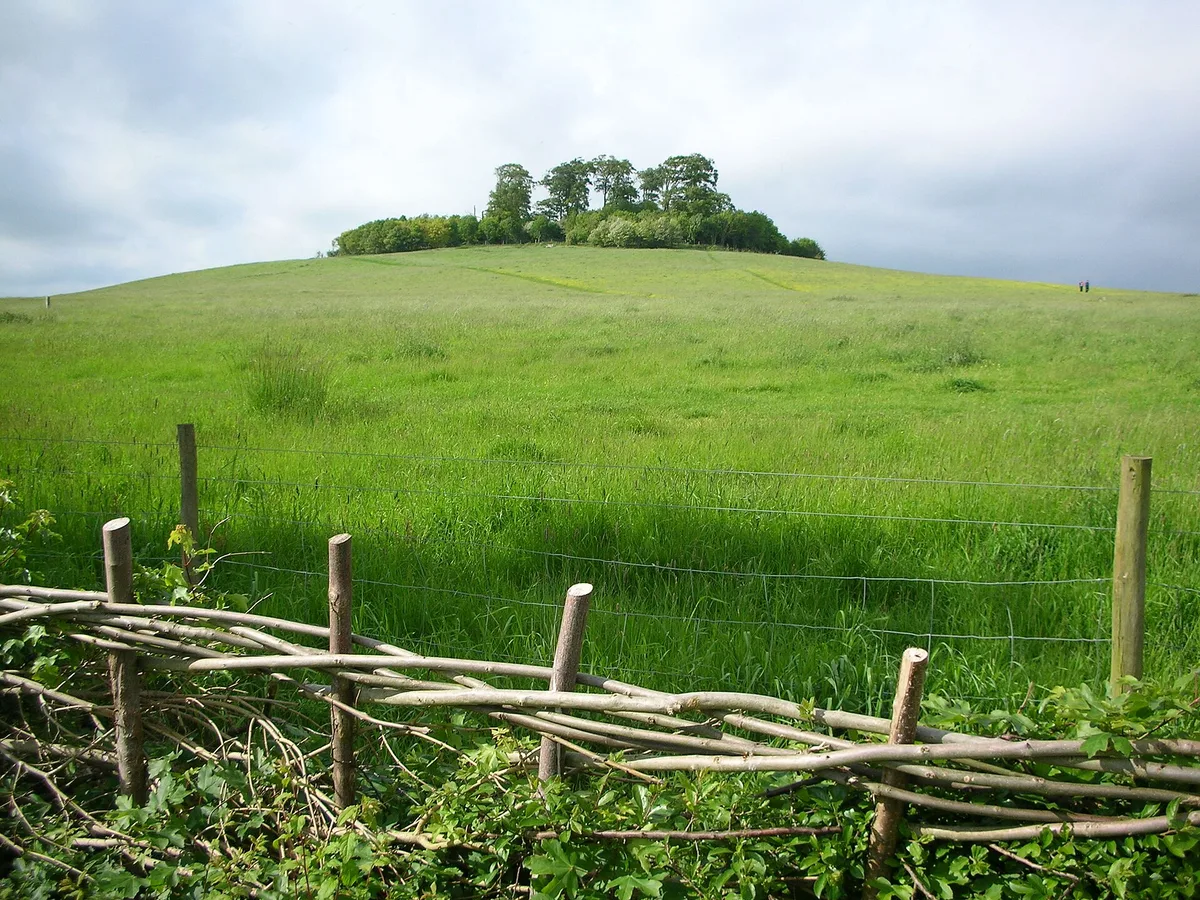
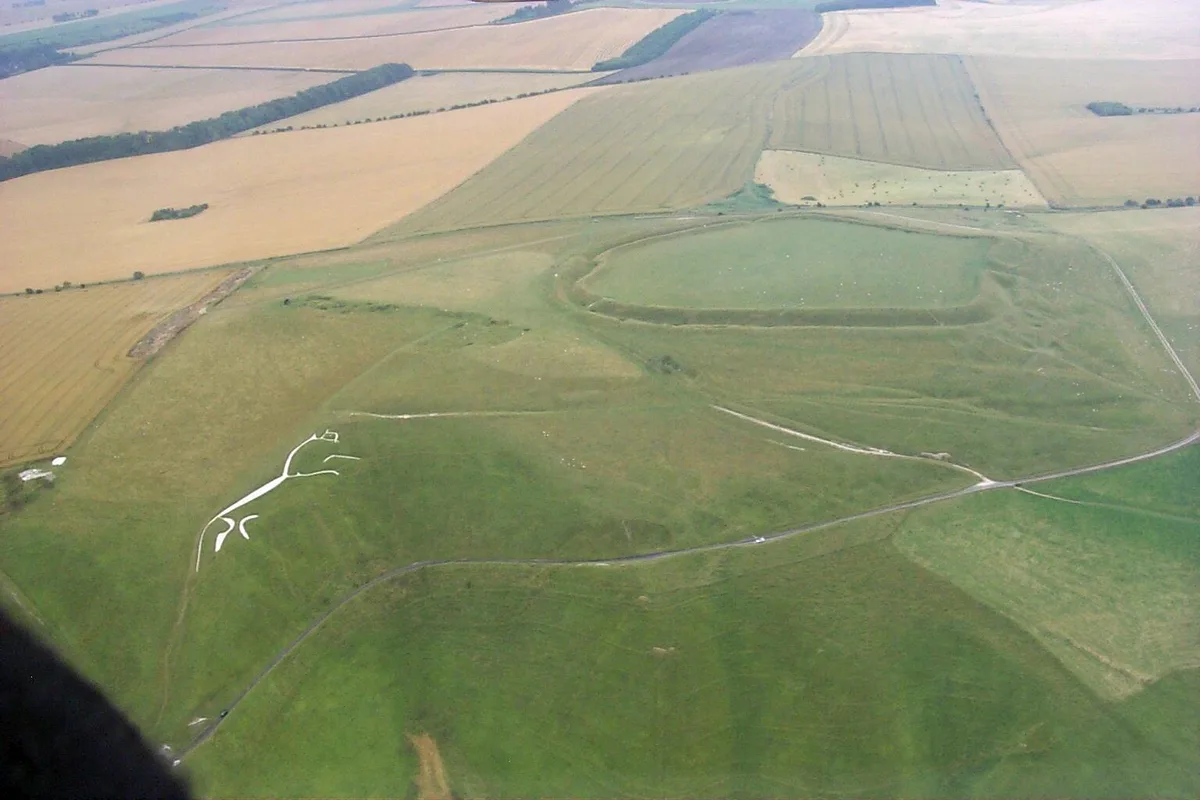
Britain's oldest chalk hill figure — a 110-metre stylised horse cut into the Berkshire Downs scarp at some point between 1380 and 550 BC, scoured and re-chalked by villagers for at least three thousand years.
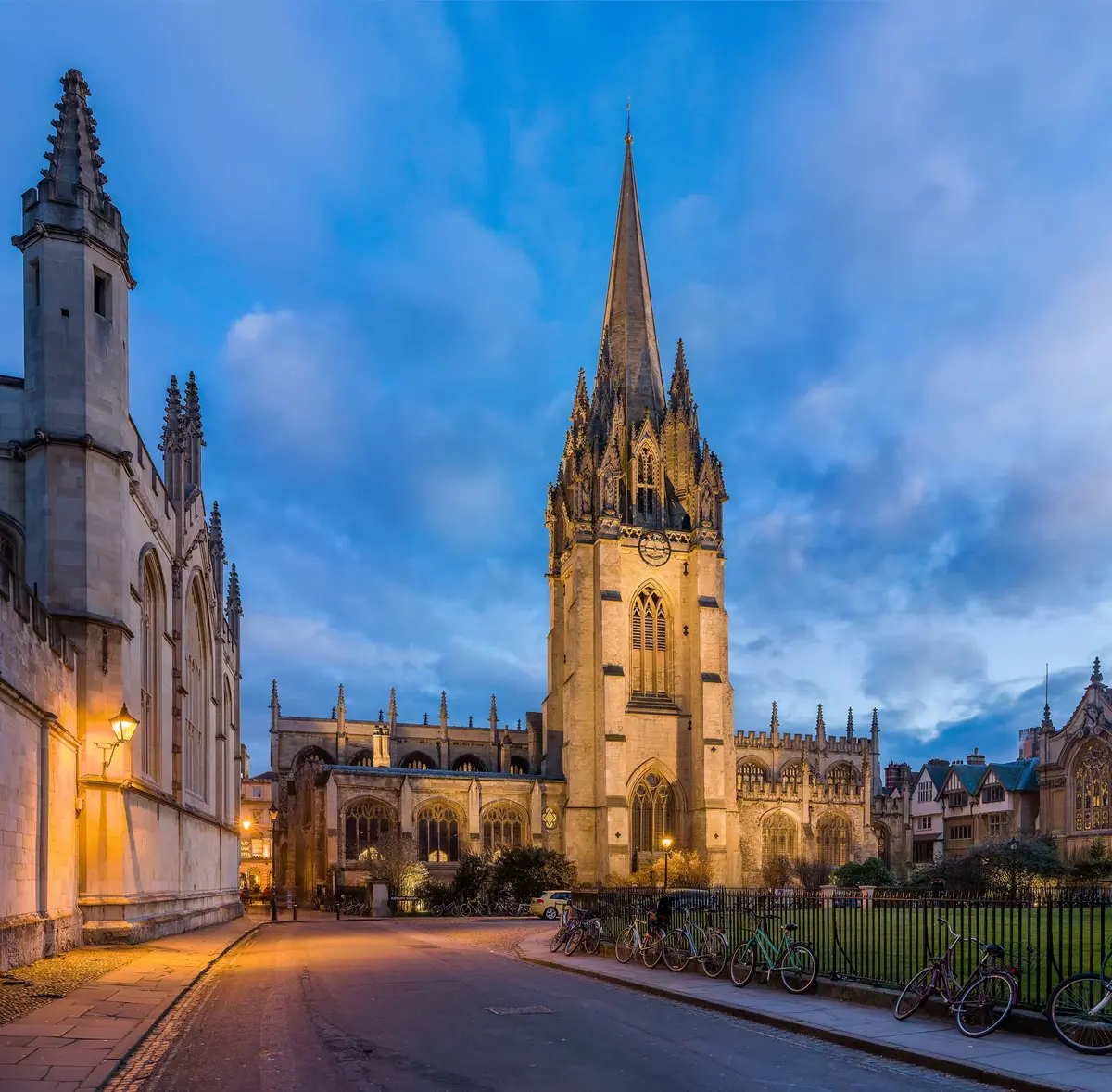
The University's church on the High Street, with one of the best tower views in Oxford and a 13th-century spire.
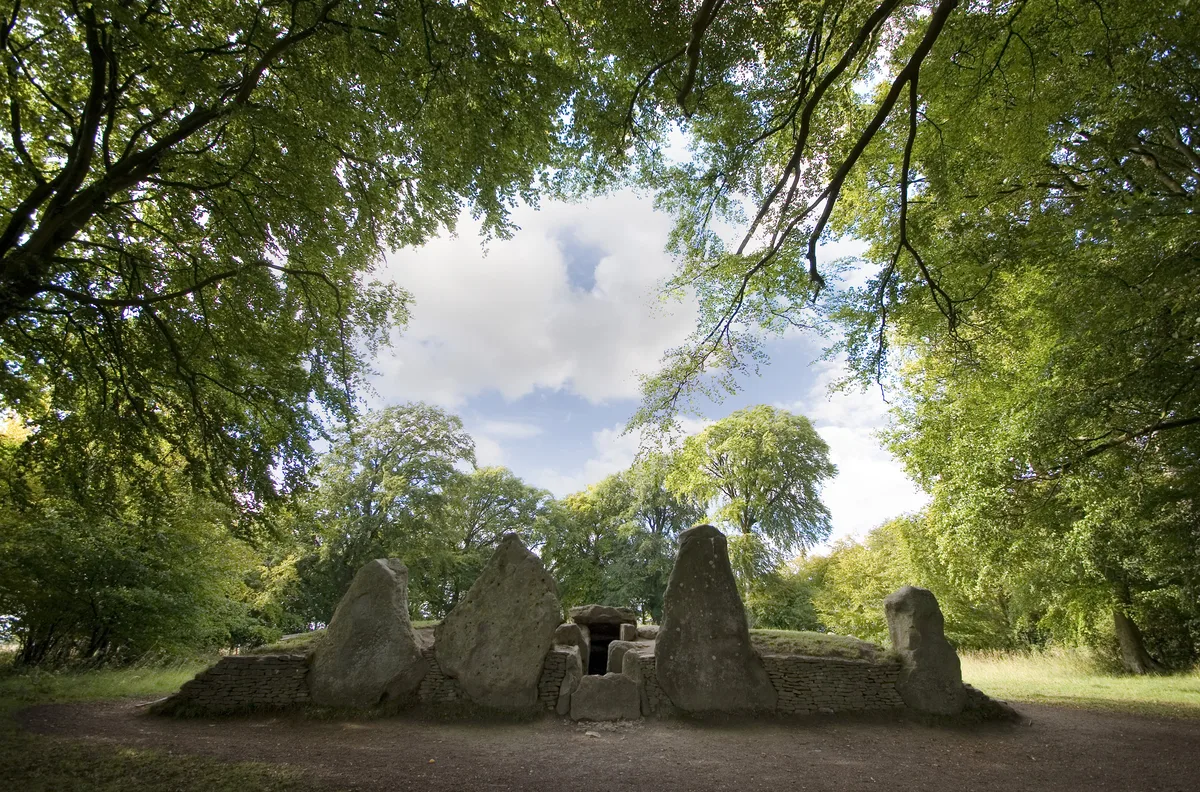
An Early Neolithic chambered long barrow on the Ridgeway, completed around 3430 BCE — among Britain's best-preserved Severn-Cotswold tombs and a long day's walk from the Uffington White Horse.
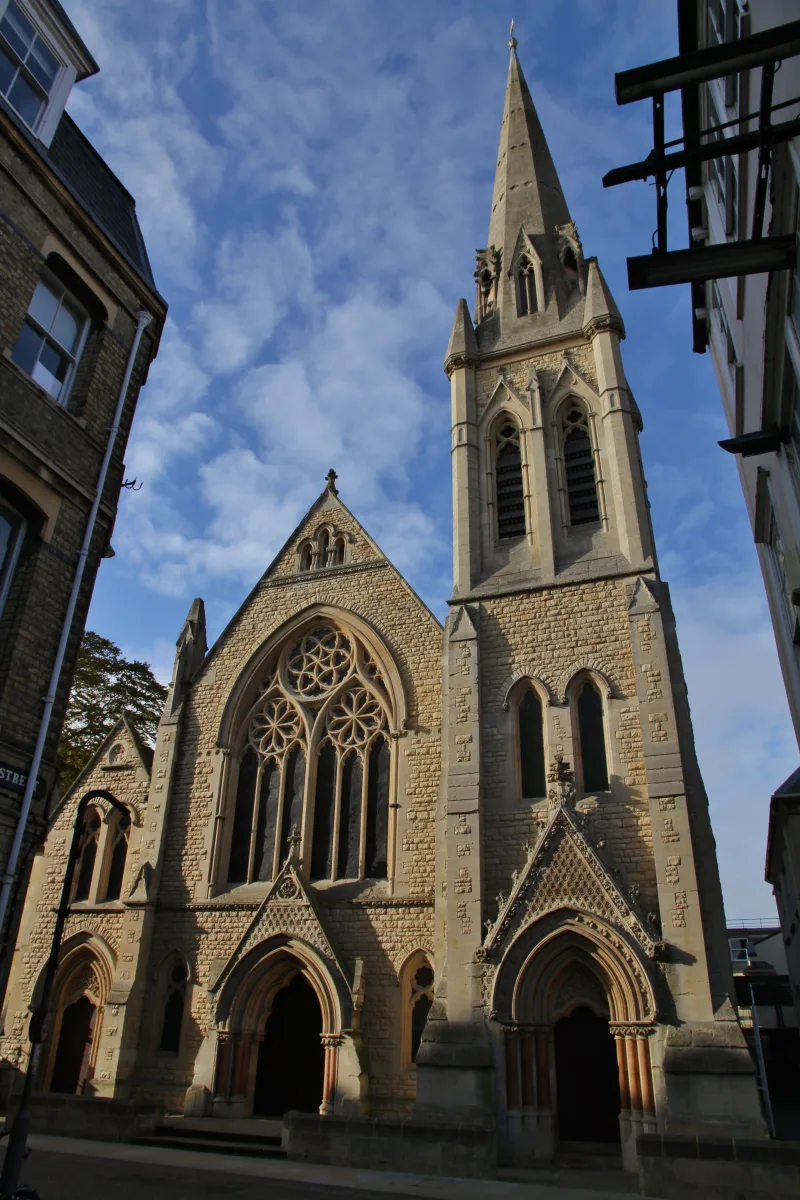
Central Oxford's Methodist church — the present Gothic Revival building was opened in 1878 by Charles Bell, on a street where John Wesley preached on 4 July 1783.
Two wooded chalk hills above the Thames Valley, the most visited outdoor site in Oxfordshire — Iron Age hillfort, Roman villa, beech plantings from the 1740s, and the view that haunted Paul Nash for thirty years.
City cemetery opened in 1889. The Roman Catholic section contains the grave of J.R.R. Tolkien and his wife Edith, headstone inscribed Beren and Lúthien.
Twenty-six acres of gardens, playing fields and a lake inside the city — the largest college grounds in central Oxford, kept that way by the college's 18th-century edge-of-town location.
Authentic Italian gelato in the Covered Market.
The 1933 art-deco rebuild of an 1836 George Street theatre — Oxford's main commercial stage for West End musicals, pantomime and big-name tours, run by ATG since 2009.
East Oxford's theatre for children and young people, on Magdalen Road off the Cowley Road — workshops, youth companies, and a year-round performance programme aimed at under-25s.
The Pre-Raphaelite Brotherhood's most famous fiasco — Rossetti, Morris and Burne-Jones painted Arthurian scenes onto the bare brickwork of the Union's debating hall in 1857. The paint started peeling before the work was finished.