Addison's Walk
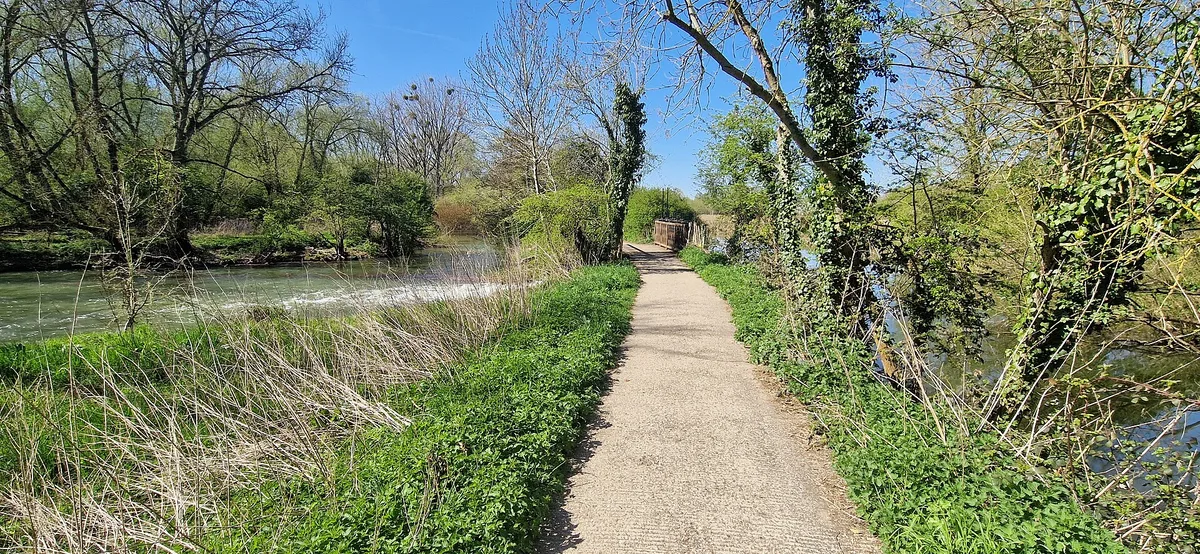
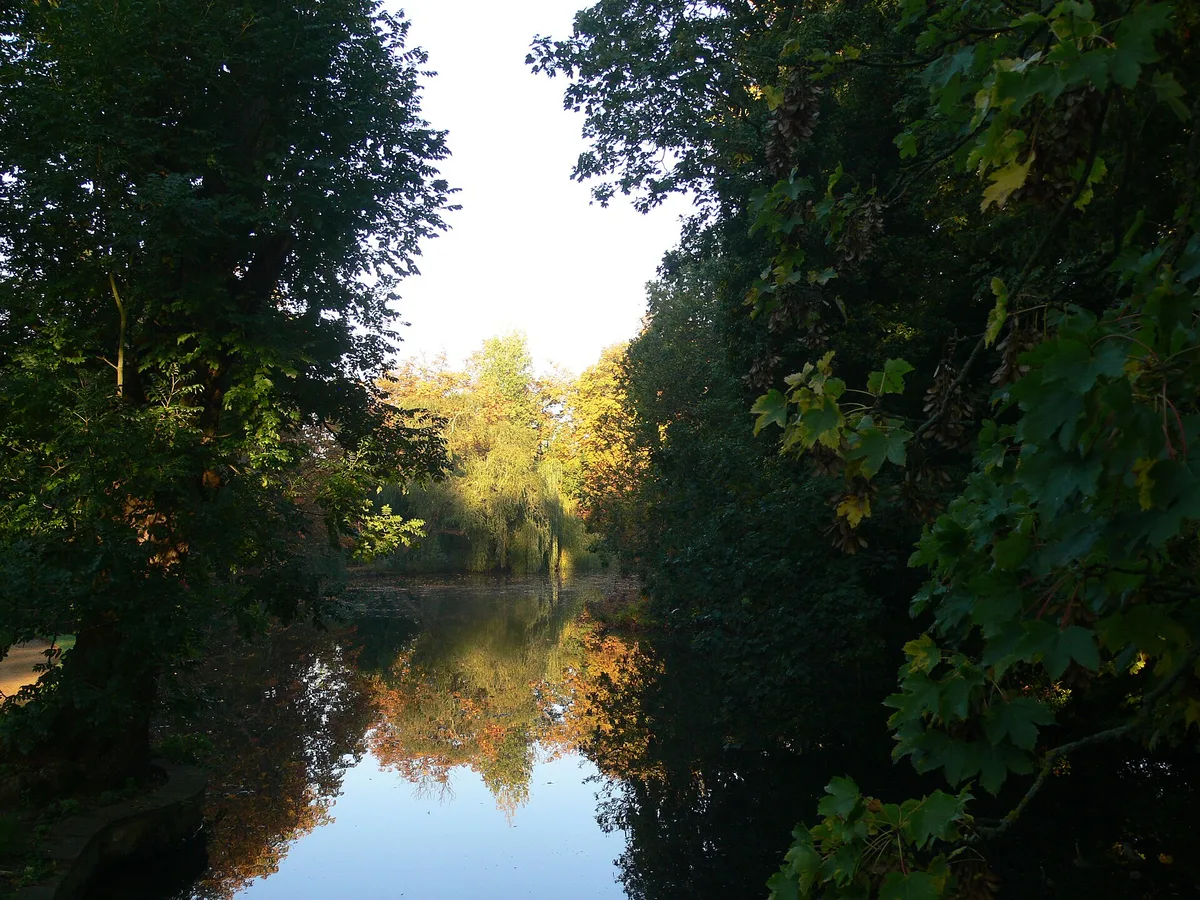
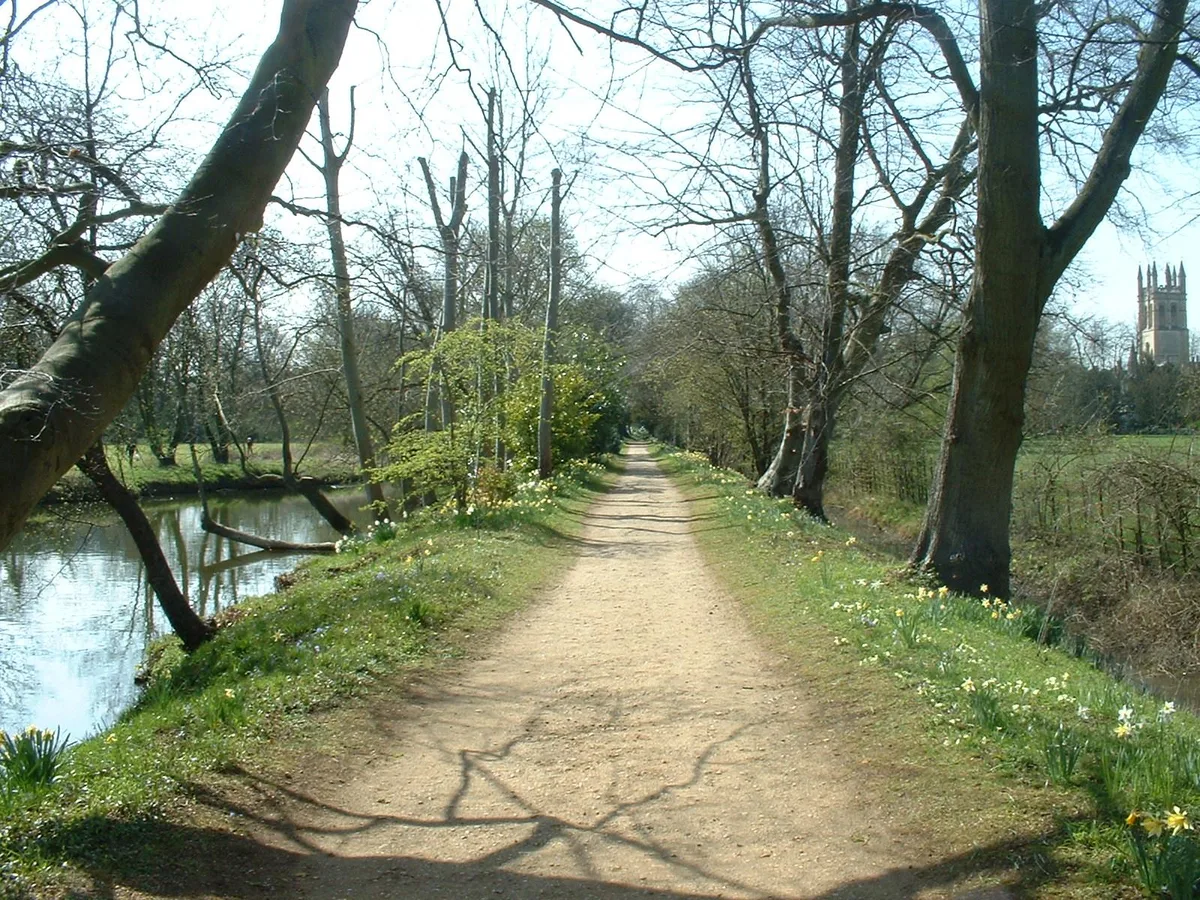
RecommendedThe footpath around a Cherwell island in Magdalen's grounds — named for Joseph Addison, walked by Joseph Addison, made famous a century later by C.S. Lewis and Tolkien.
Oxford with kids is brilliant — dinosaurs at the Natural History Museum, shrunken heads at the Pitt Rivers, Alice's Shop, punting, and pub gardens with space to run. Here's what works.
The footpath around a Cherwell island in Magdalen's grounds — named for Joseph Addison, walked by Joseph Addison, made famous a century later by C.S. Lewis and Tolkien.
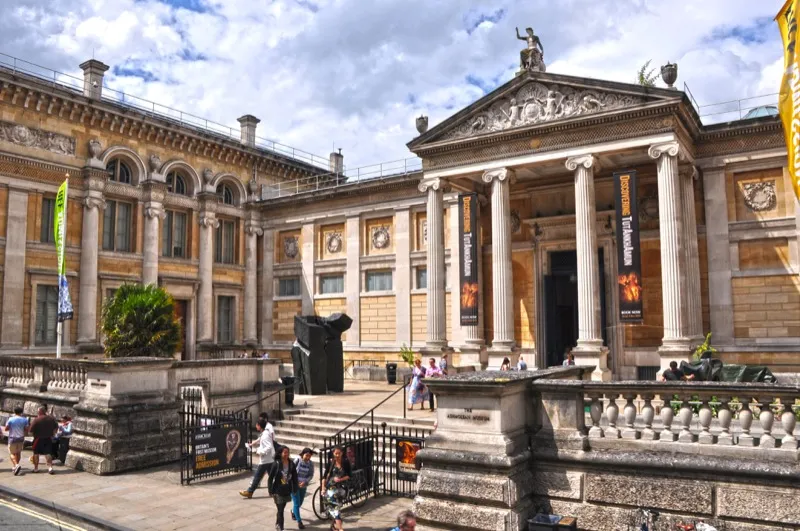
The world's first university museum — free, with major collections of art and archaeology.
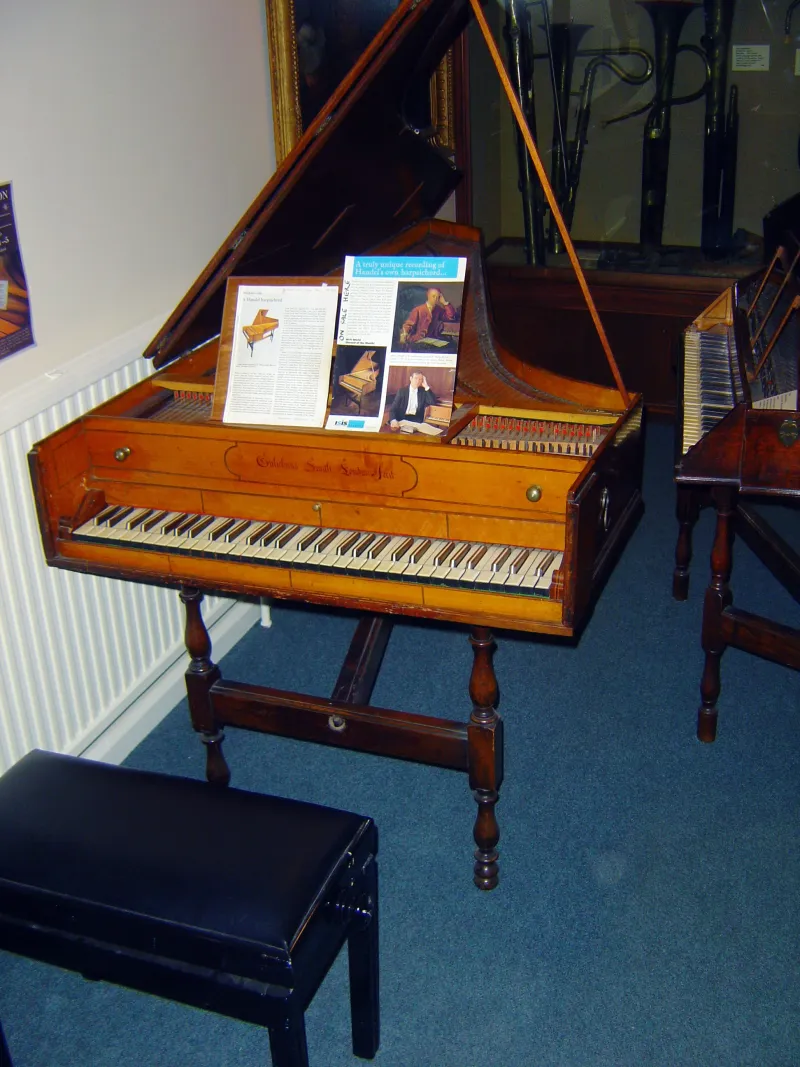
A specialist collection of historical musical instruments, from medieval to modern.
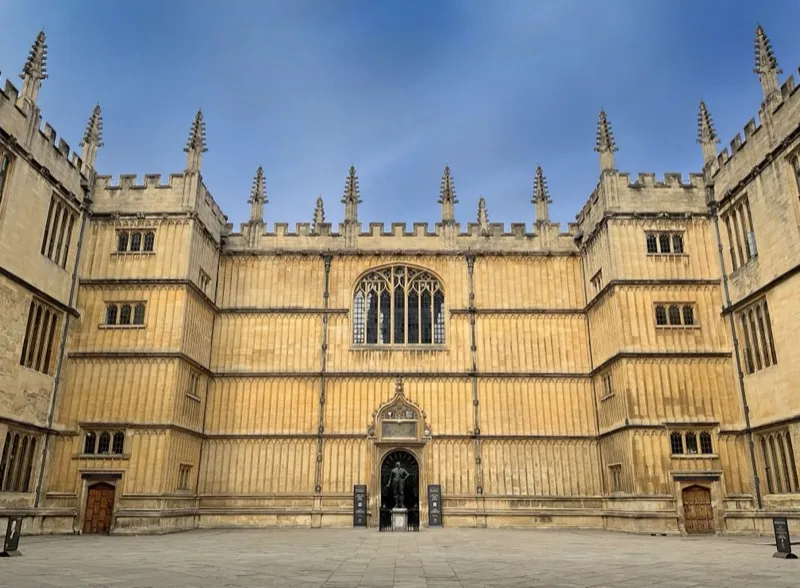
One of the oldest libraries in Europe — the Divinity School, Duke Humfrey's Library, and the Radcliffe Camera.
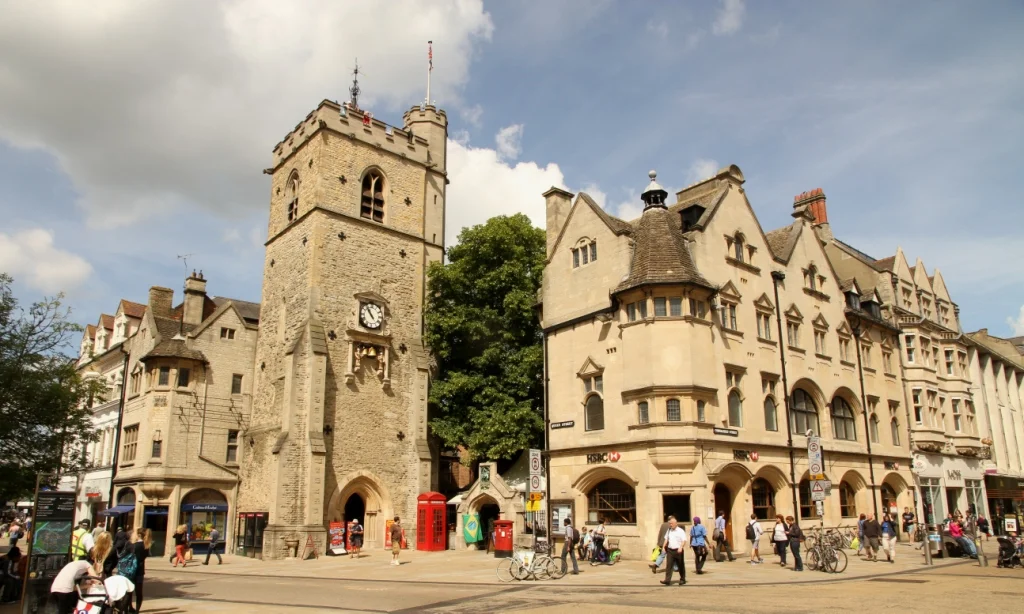
The 23-metre Saxon-medieval tower at the centre of Oxford — climb 99 steps for a four-way panorama.
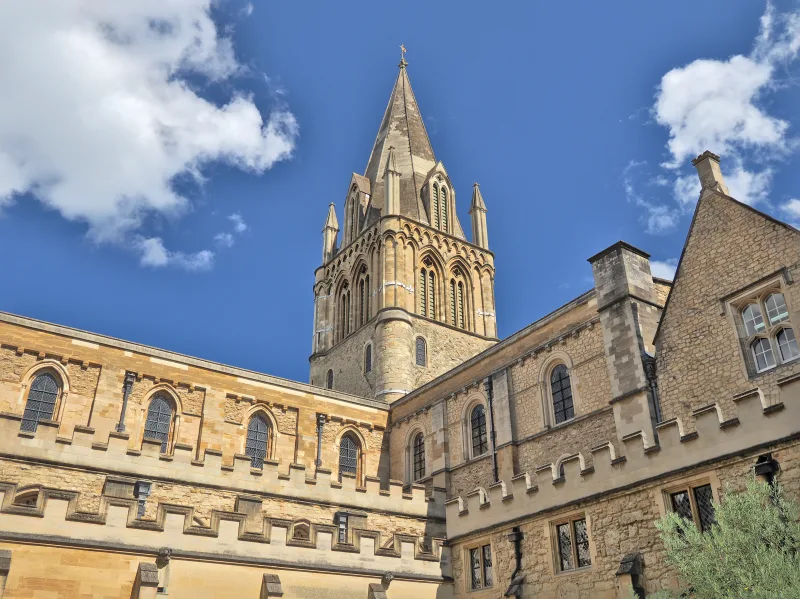
The smallest cathedral in England and the only one that is also a college chapel. Norman bones, a 14th-century Becket window that survived the Reformation, and five Burne-Jones windows.
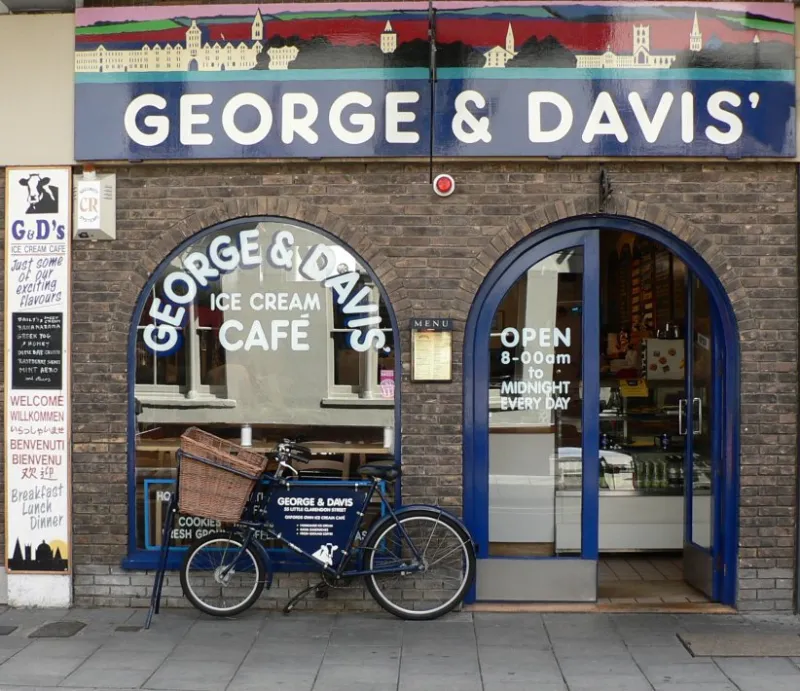
Oxford's own ice cream since 1992 — handmade, inventive, and open past midnight.
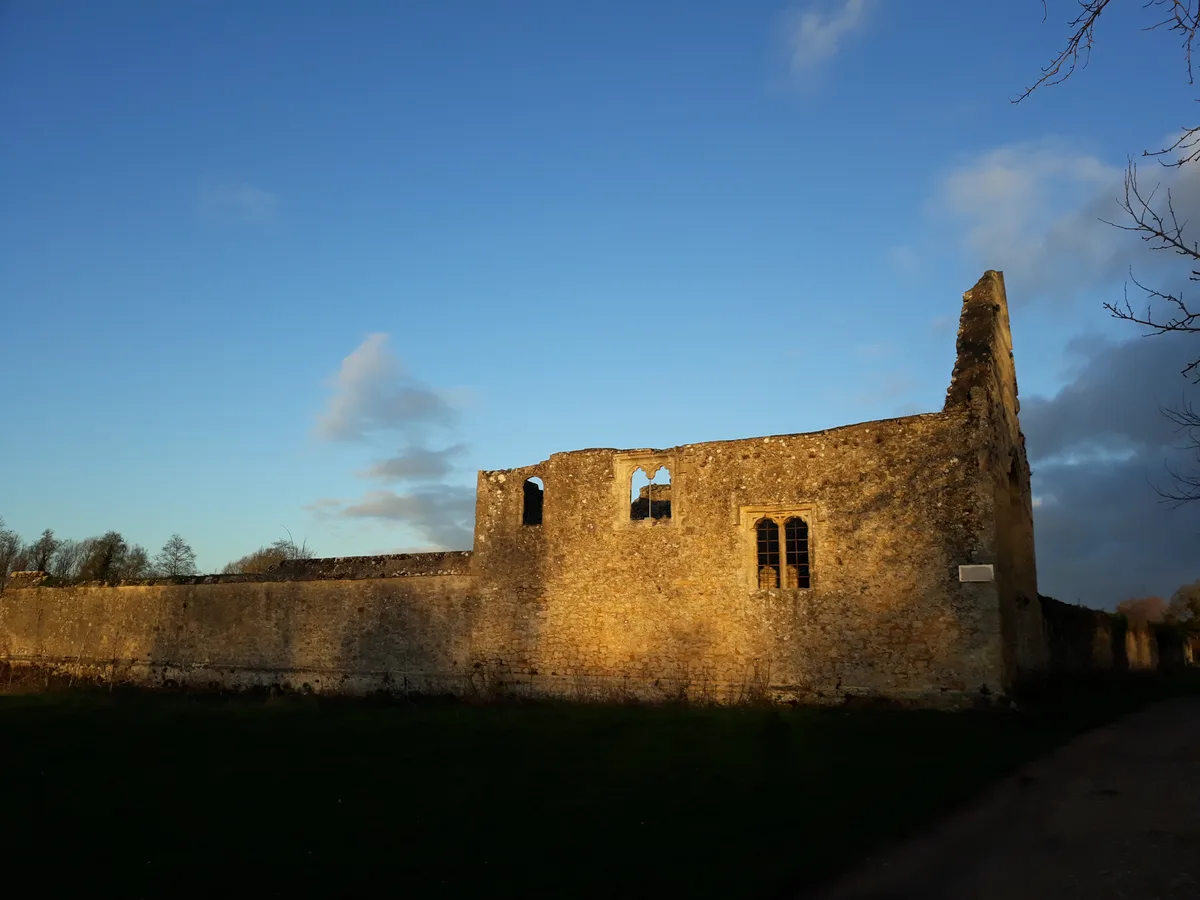
A Benedictine nunnery founded in 1133 on an island in the Thames; the burial place of Henry II's mistress Rosamund Clifford until a bishop ordered her tomb thrown out of the church in 1191. Suppressed in 1539, ruined in the Civil War, painted by the Pre-Raphaelites, picnicked over by Lewis Carroll.
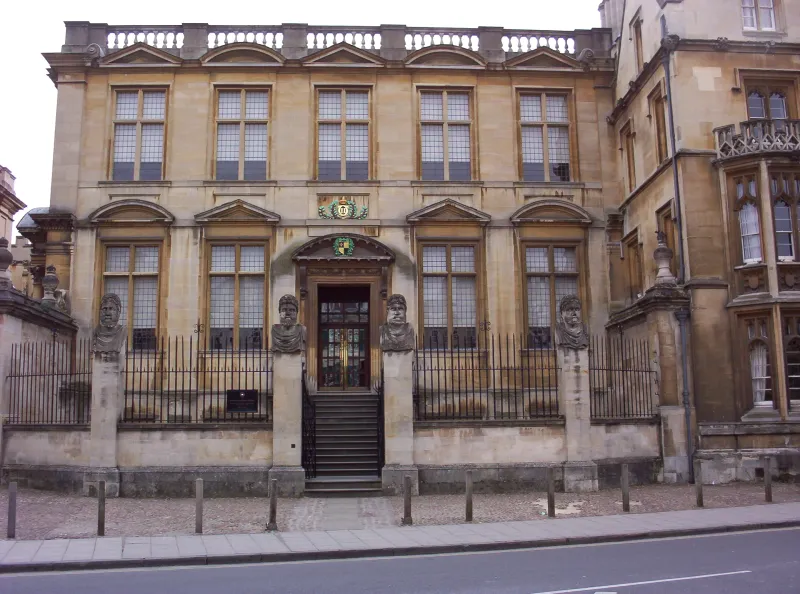
Scientific instruments from the Middle Ages to the 19th century, in the world's oldest surviving purpose-built museum.
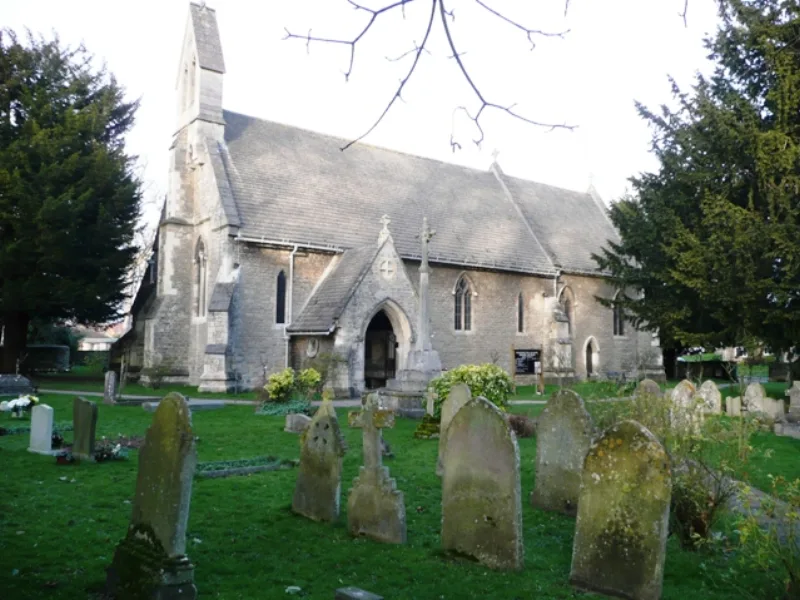
C. S. Lewis's parish church from 1930 to his death in 1963 — designed by George Gilbert Scott, built 1848 to 1849 for the quarry workers of Headington Quarry, with a 1991 Narnia window in the north aisle and the Lewis brothers buried in the churchyard.
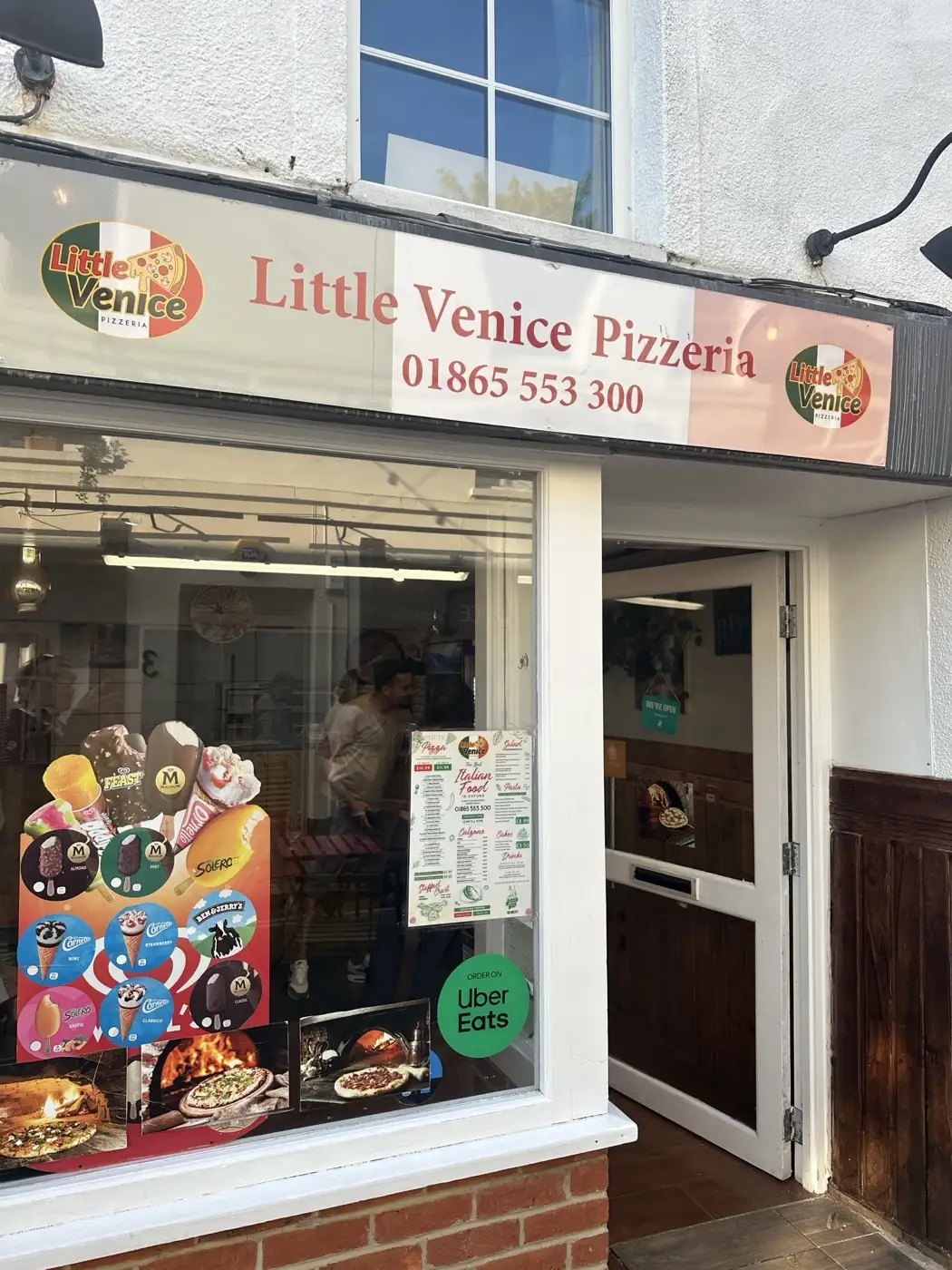
A small Italian pizzeria on North Parade — eat-in, takeaway or delivery.
The bench at the back of the Botanic Garden where, in the closing chapter of Philip Pullman's His Dark Materials, Lyra and Will promise to sit at noon on Midsummer's day every year.
A long, narrow island in the Cherwell — Greek 'between rivers' — laid out as a public walk in 1865, threaded between two branches of the river that flow at different heights.
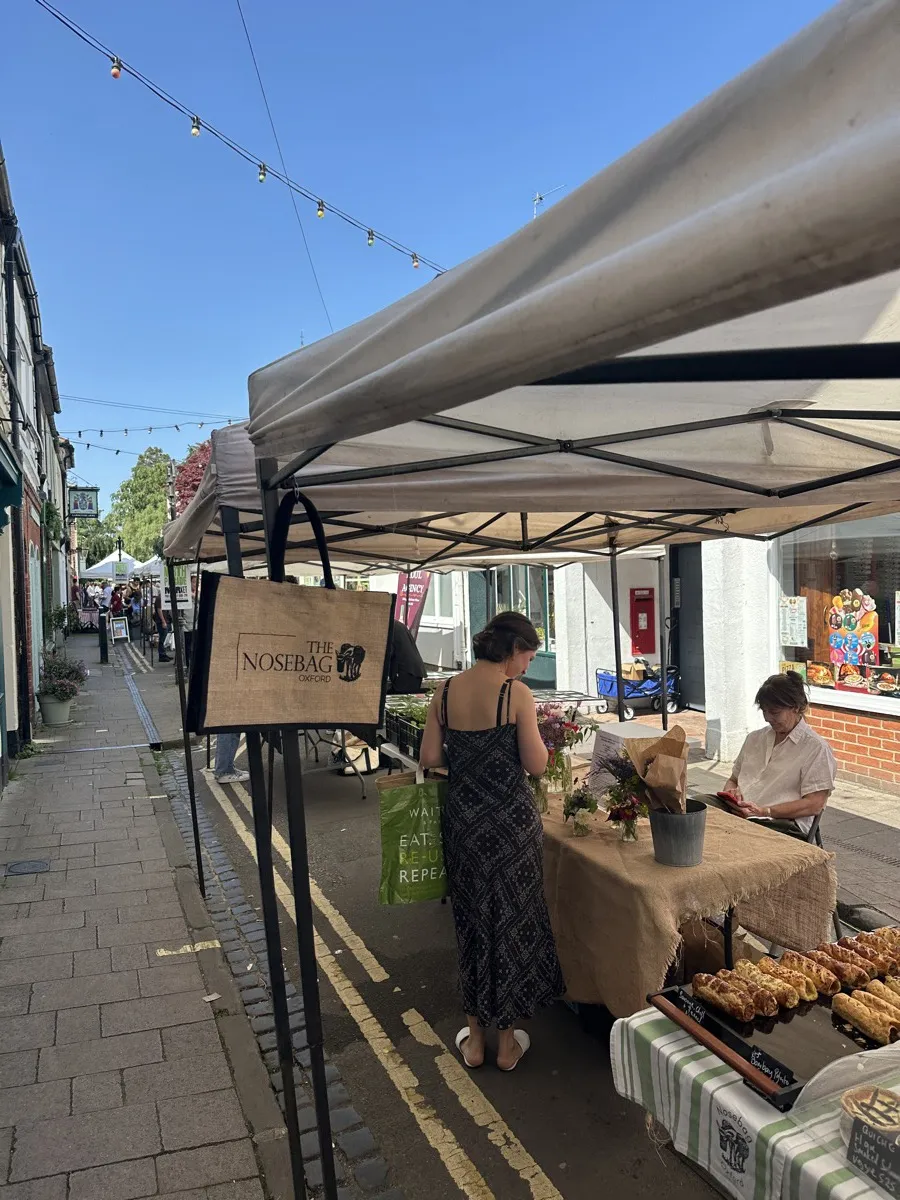
A fortnightly farmers' and artisan market on North Parade Avenue — bunting overhead, jazz quartet on the pavement, and stalls from sourdough bakers to Ugandan street food.
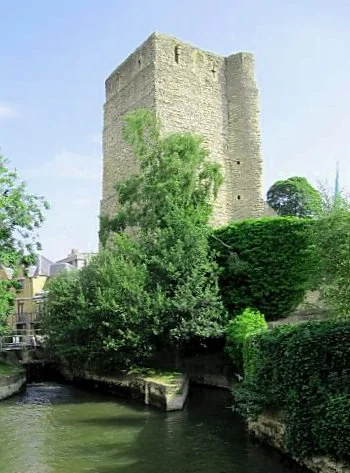
Norman castle (1071) and former Victorian prison — the medieval mound, St George's Tower, and 1,000 years of overlapping use.
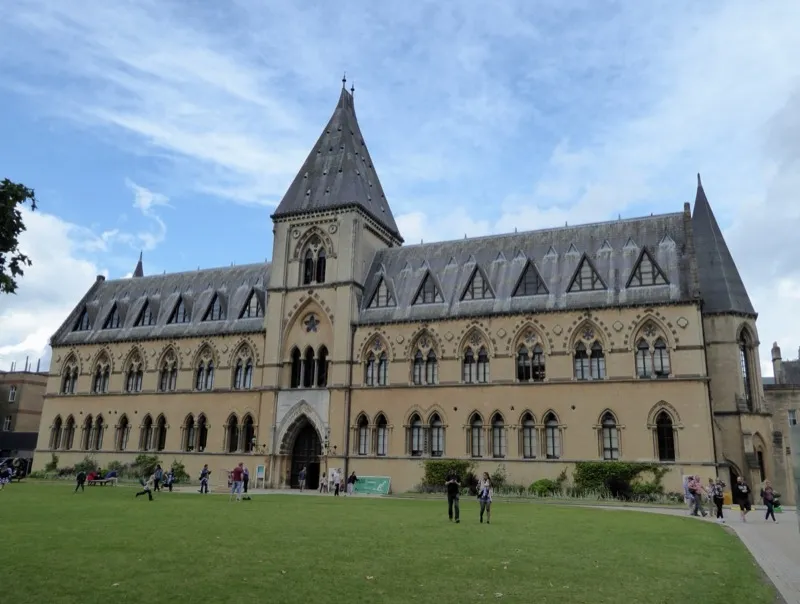
Dinosaurs, dodos, and Darwin's legacy — all under a Gothic Revival iron-and-glass roof.
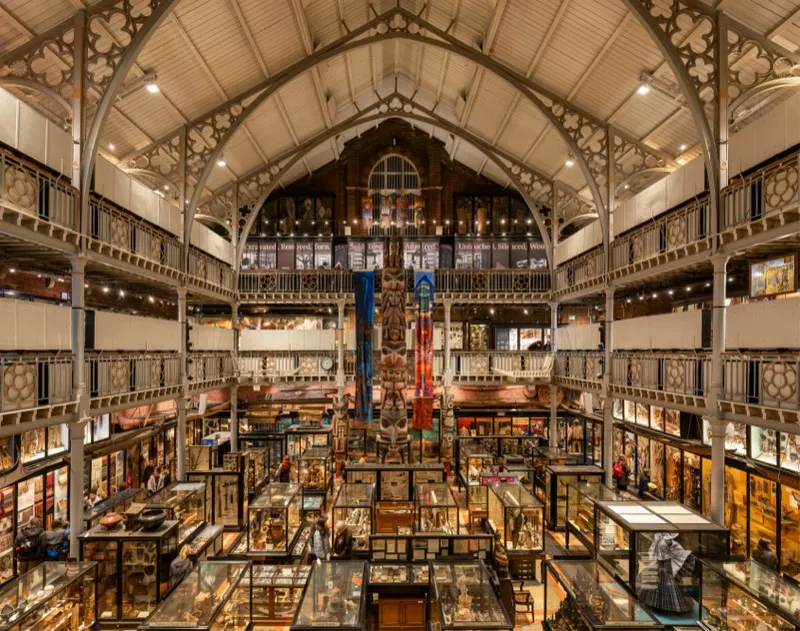
A Victorian cabinet of curiosities — shrunken heads, totem poles, and half a million objects from every culture on earth.
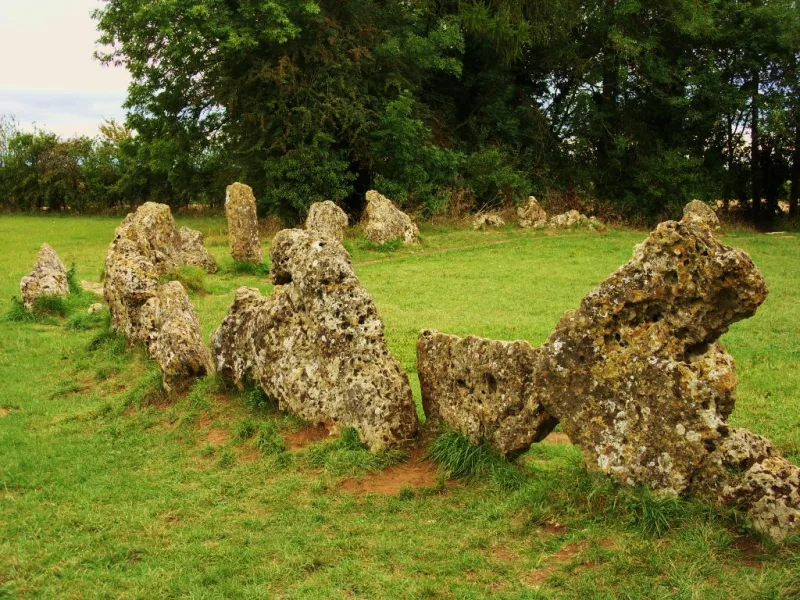
A 4,500-year-old stone circle on the Oxfordshire–Warwickshire border, with an older Neolithic burial dolmen and a probable Bronze Age standing stone — the most accessible major prehistoric site within reach of Oxford.
The 12th-century parish church opposite [Christ Church](/places/colleges/christ-church/) and next door to [Pembroke College](/places/colleges/pembroke/) — Saxon roots, a 13th-century tower rebuilt in 1873, and a glass vestibule opening onto St Aldate's.
The site, in the Oxford Botanic Garden, of the Pinus nigra under which J.R.R. Tolkien 'often spent his time reposing'.
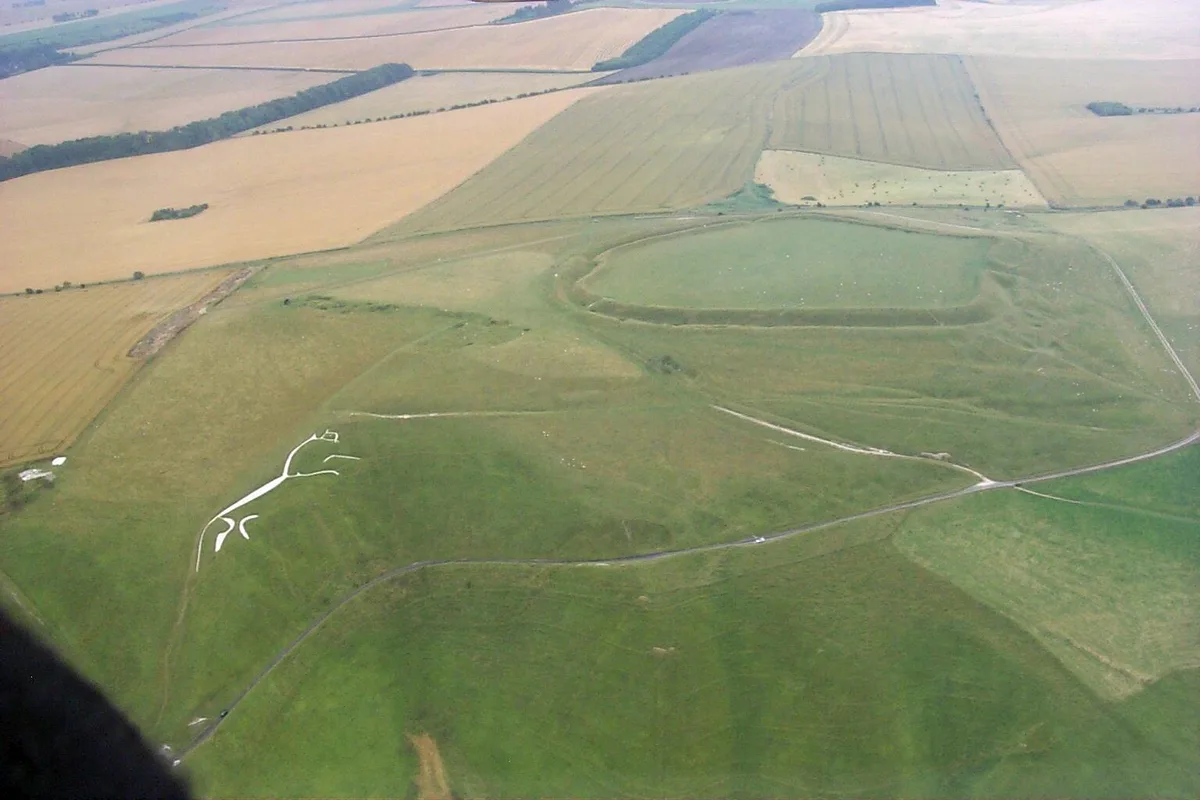
Britain's oldest chalk hill figure — a 110-metre stylised horse cut into the Berkshire Downs scarp at some point between 1380 and 550 BC, scoured and re-chalked by villagers for at least three thousand years.
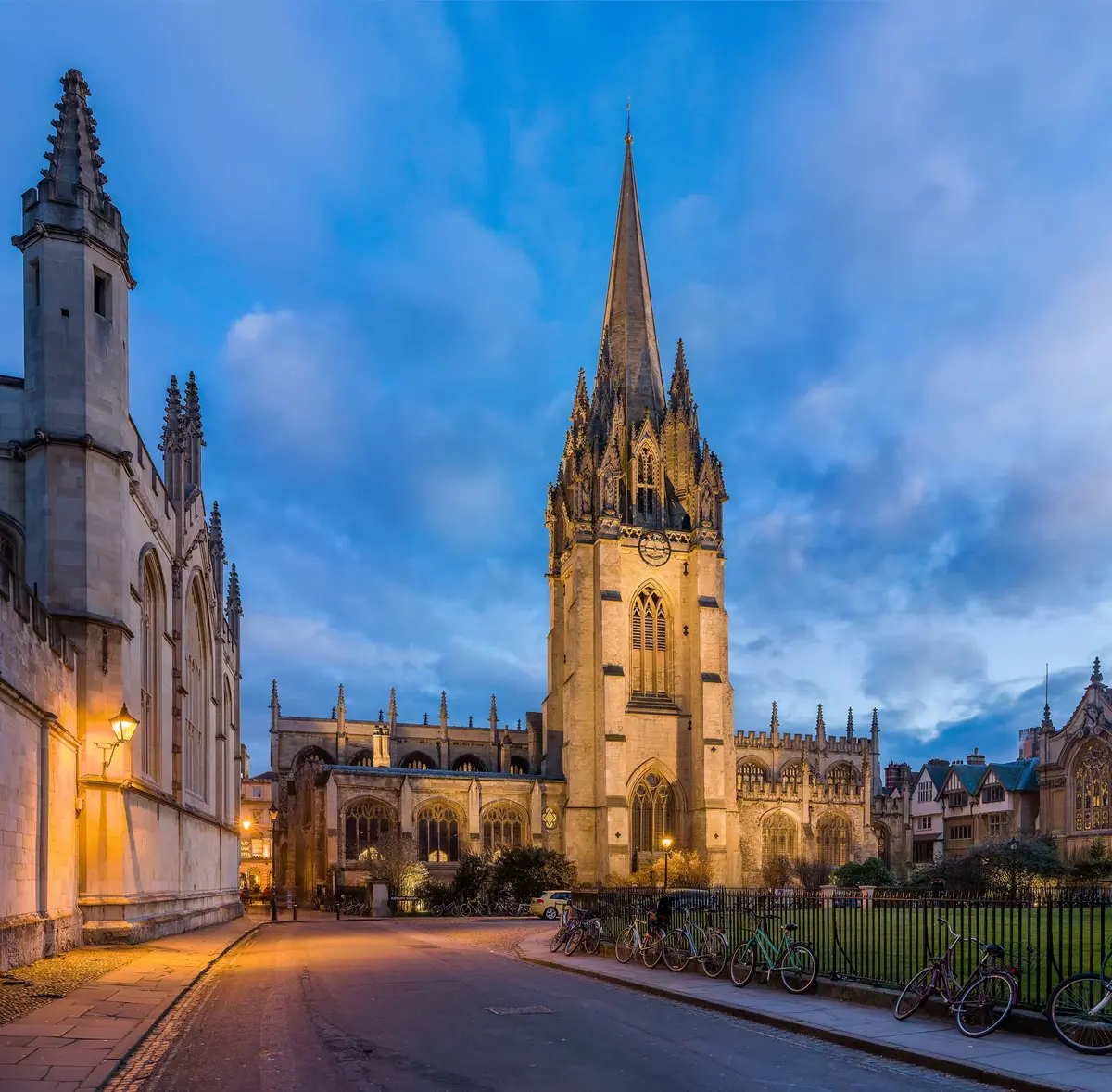
The University's church on the High Street, with one of the best tower views in Oxford and a 13th-century spire.
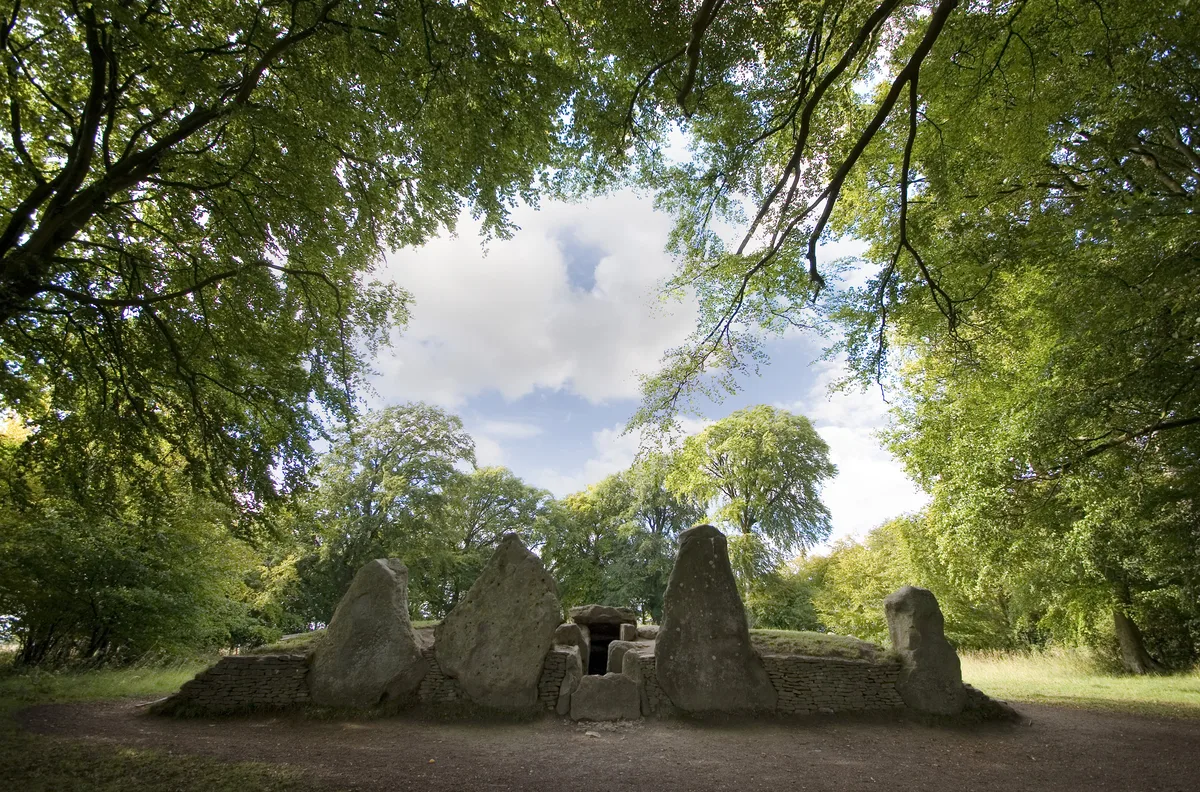
An Early Neolithic chambered long barrow on the Ridgeway, completed around 3430 BCE — among Britain's best-preserved Severn-Cotswold tombs and a long day's walk from the Uffington White Horse.
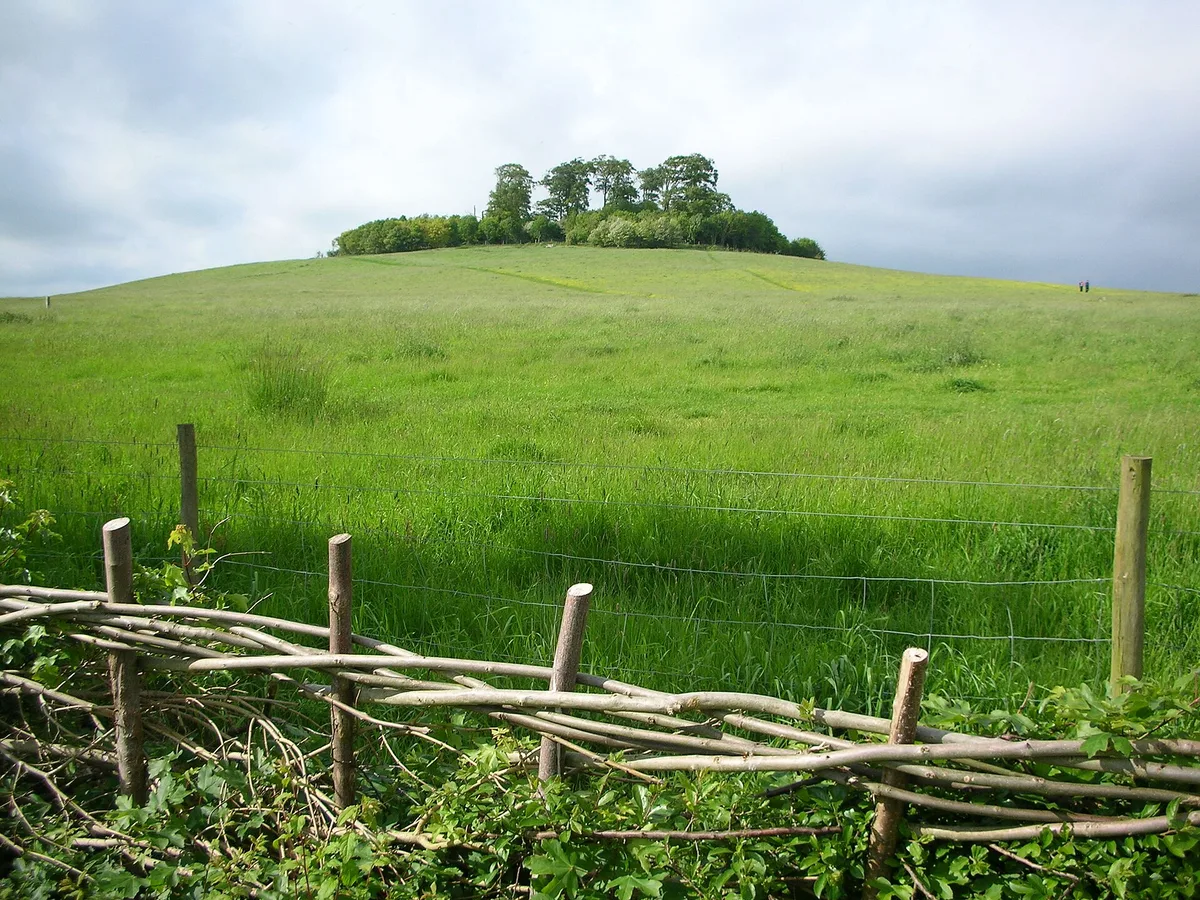
Two wooded chalk hills above the Thames Valley, the most visited outdoor site in Oxfordshire — Iron Age hillfort, Roman villa, beech plantings from the 1740s, and the view that haunted Paul Nash for thirty years.
Twenty-six acres of gardens, playing fields and a lake inside the city — the largest college grounds in central Oxford, kept that way by the college's 18th-century edge-of-town location.
Authentic Italian gelato in the Covered Market.
The 1933 art-deco rebuild of an 1836 George Street theatre — Oxford's main commercial stage for West End musicals, pantomime and big-name tours, run by ATG since 2009.
East Oxford's theatre for children and young people, on Magdalen Road off the Cowley Road — workshops, youth companies, and a year-round performance programme aimed at under-25s.
The Pre-Raphaelite Brotherhood's most famous fiasco — Rossetti, Morris and Burne-Jones painted Arthurian scenes onto the bare brickwork of the Union's debating hall in 1857. The paint started peeling before the work was finished.