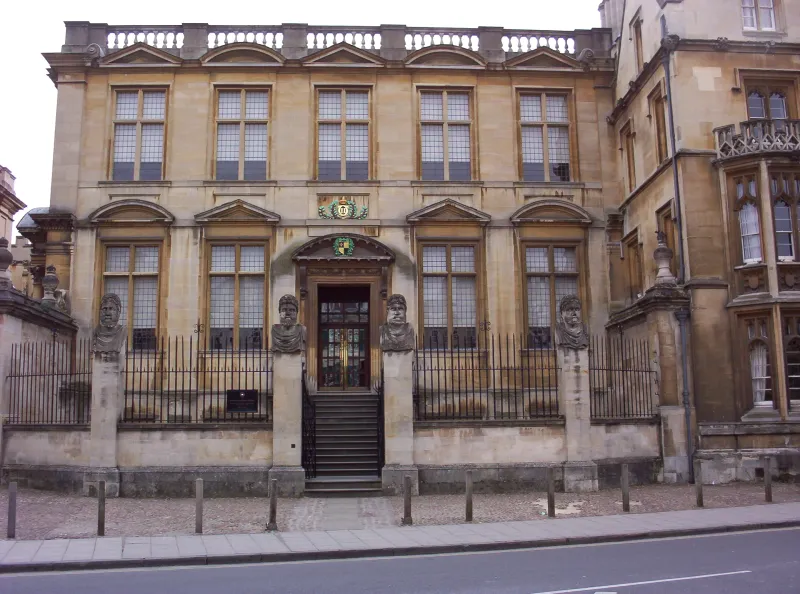
History of Science Museum
Scientific instruments from the Middle Ages to the 19th century, in the world's oldest surviving purpose-built museum.
Einstein’s blackboard is on the top floor. Most visitors miss it — head upstairs first.
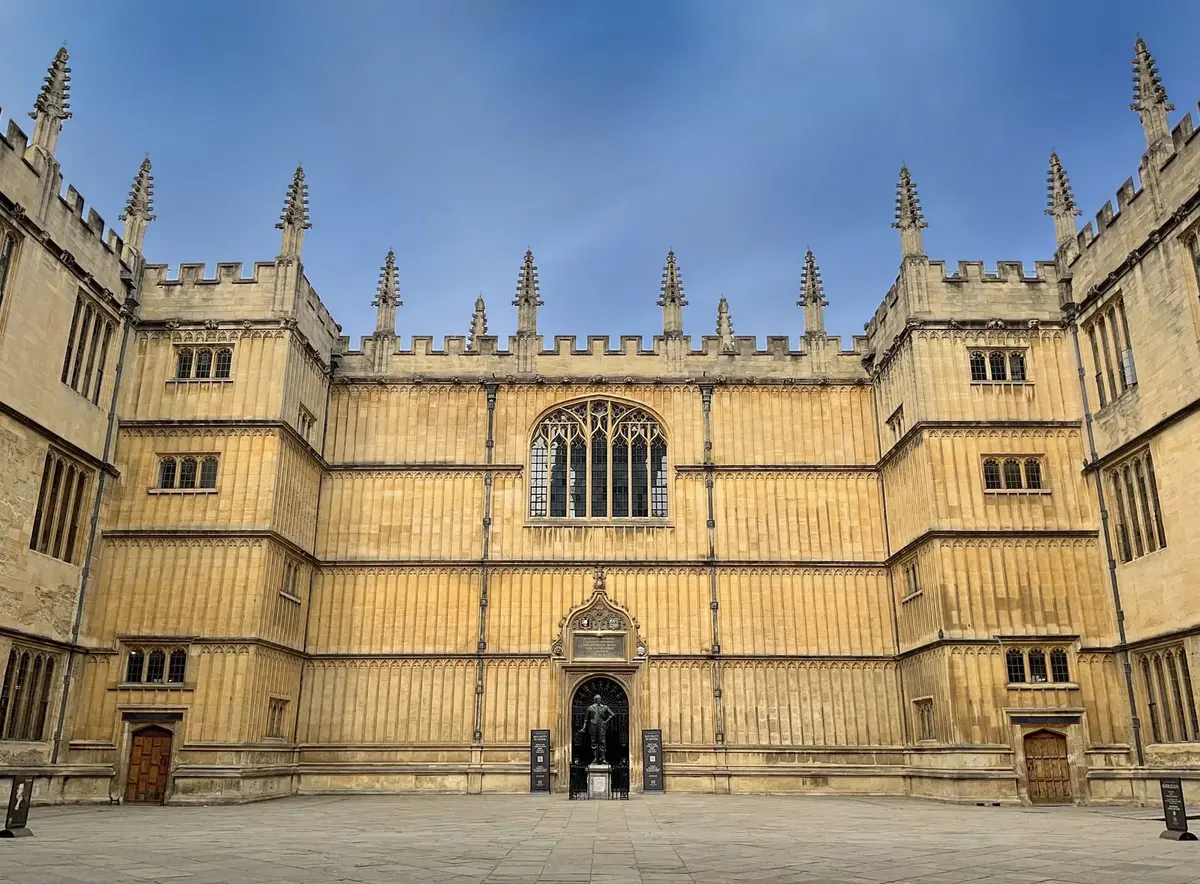
The History of Science Museum occupies the Old Ashmolean Building on Broad Street, built in 1683 as the original home of the Ashmolean collection. It is the world's oldest surviving purpose-built museum building. Since 1925 it has housed a collection of scientific instruments spanning from the medieval period to the early twentieth century.
What to see
The ground floor holds the museum's collection of astrolabes — one of the largest anywhere, with over a thousand examples. There are also early microscopes, sundials, and mathematical instruments. The basement displays apparatus used in Oxford's history of chemistry and physics, including the blackboard that Einstein used during a 1931 lecture in Oxford, still bearing his chalk equations. The upper floors contain globes, orreries, and navigational instruments. The building itself is part of the attraction: the original Ashmolean entrance hall, with its carved stone doorway, is a fine example of late seventeenth-century architecture.
Practical notes
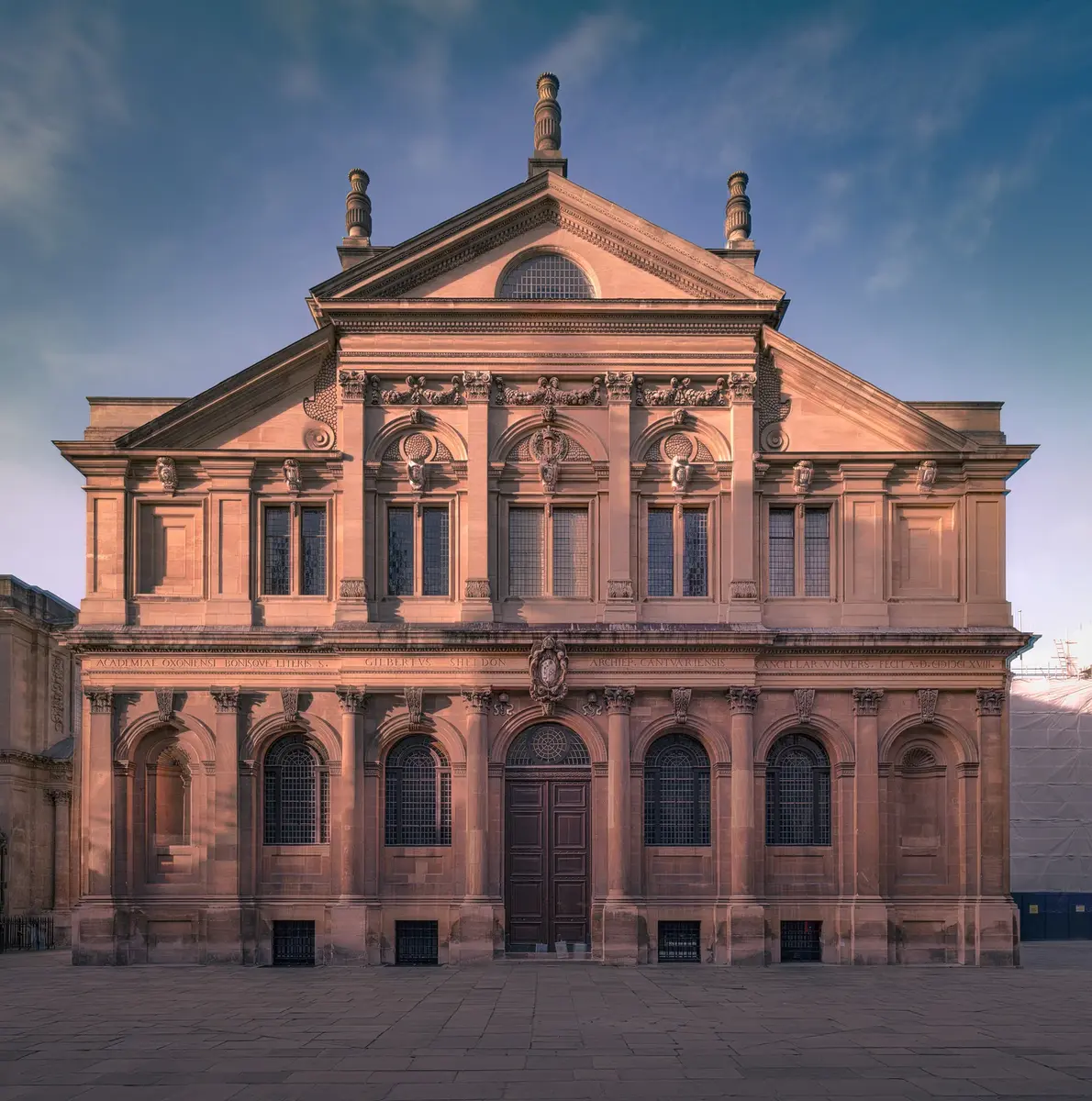
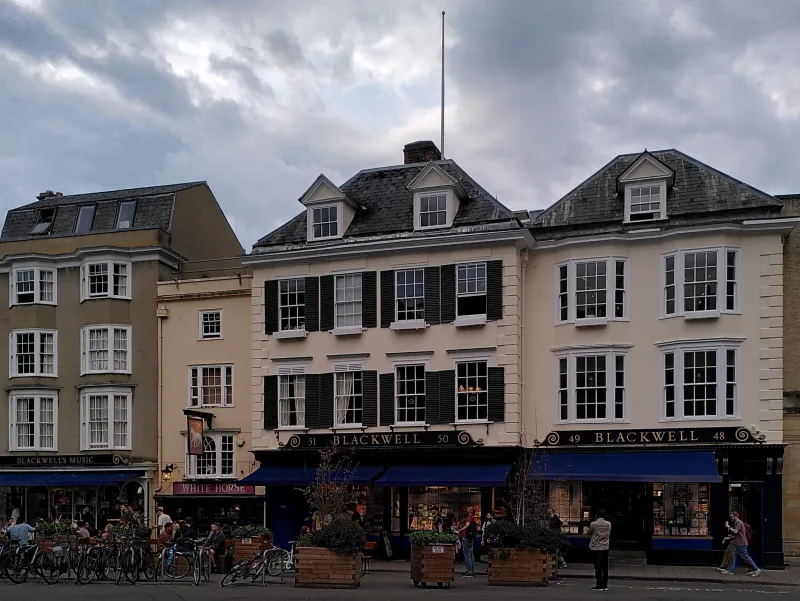
Admission is free. The museum is closed on Mondays. The building is compact — a visit takes roughly an hour. The entrance is directly on Broad Street, opposite the Sheldonian Theatre. The Ashmolean Museum is a short walk away on Beaumont Street — the two pair well for a museum morning. Limited step-free access; check the website for accessibility details. No cafe, but there are many options on Broad Street.
Nearby
Within a few minutes' walk