Pitt Rivers Museum
A Victorian cabinet of curiosities — shrunken heads, totem poles, and half a million objects from every culture on earth.
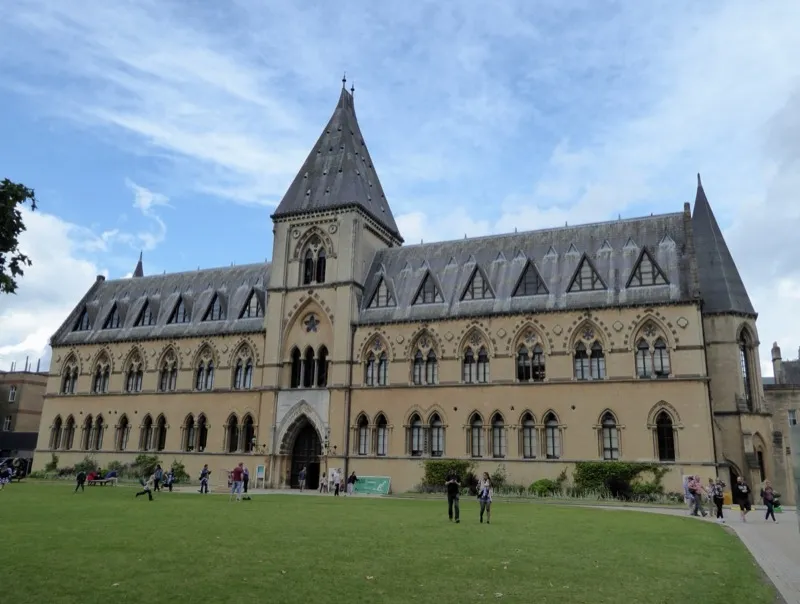
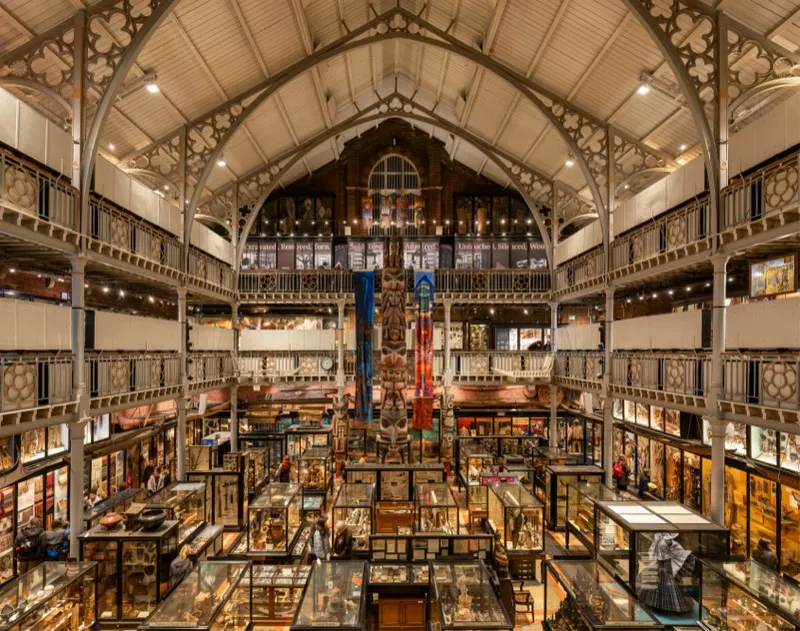
The Pitt Rivers is unlike any other museum in the world. You enter through the back of the Oxford University Museum of Natural History, passing through a door that takes you from Victorian dinosaur skeletons into a dimly lit, densely packed wonderland of human material culture.
Founded in 1884, the museum displays its collection by type rather than by culture or period. All the masks are together, all the weapons together, all the musical instruments together — an arrangement that reveals startling similarities across cultures separated by thousands of miles and years.
What makes it special
The sheer density. Over half a million objects are crammed into dark wooden cases, many with handwritten Victorian labels. Shrunken heads (now displayed with more cultural sensitivity than in the past). A Hawaiian feather cloak. Japanese Noh masks. Inuit parkas. Amazonian blowpipes. Every case rewards close inspection.
The atmosphere is deliberately preserved — low lighting, creaky floors, a sense of stepping into the 19th century. This is intentional, not neglect.
Practical notes
Free entry. Accessed through the Natural History Museum on Parks Road — look for the door at the back of the main hall. Plan to visit both museums together; the Natural History Museum's dinosaur skeletons and dodo are worth seeing before or after. Photography allowed (no flash). The museum is working through decolonisation of its collection, with new interpretive materials and some items being repatriated. Worth reading the context panels.
Nearby
Within a few minutes' walk