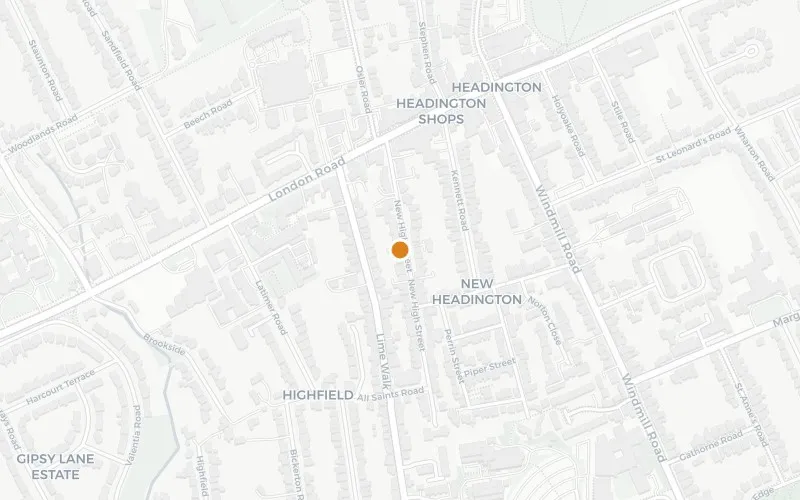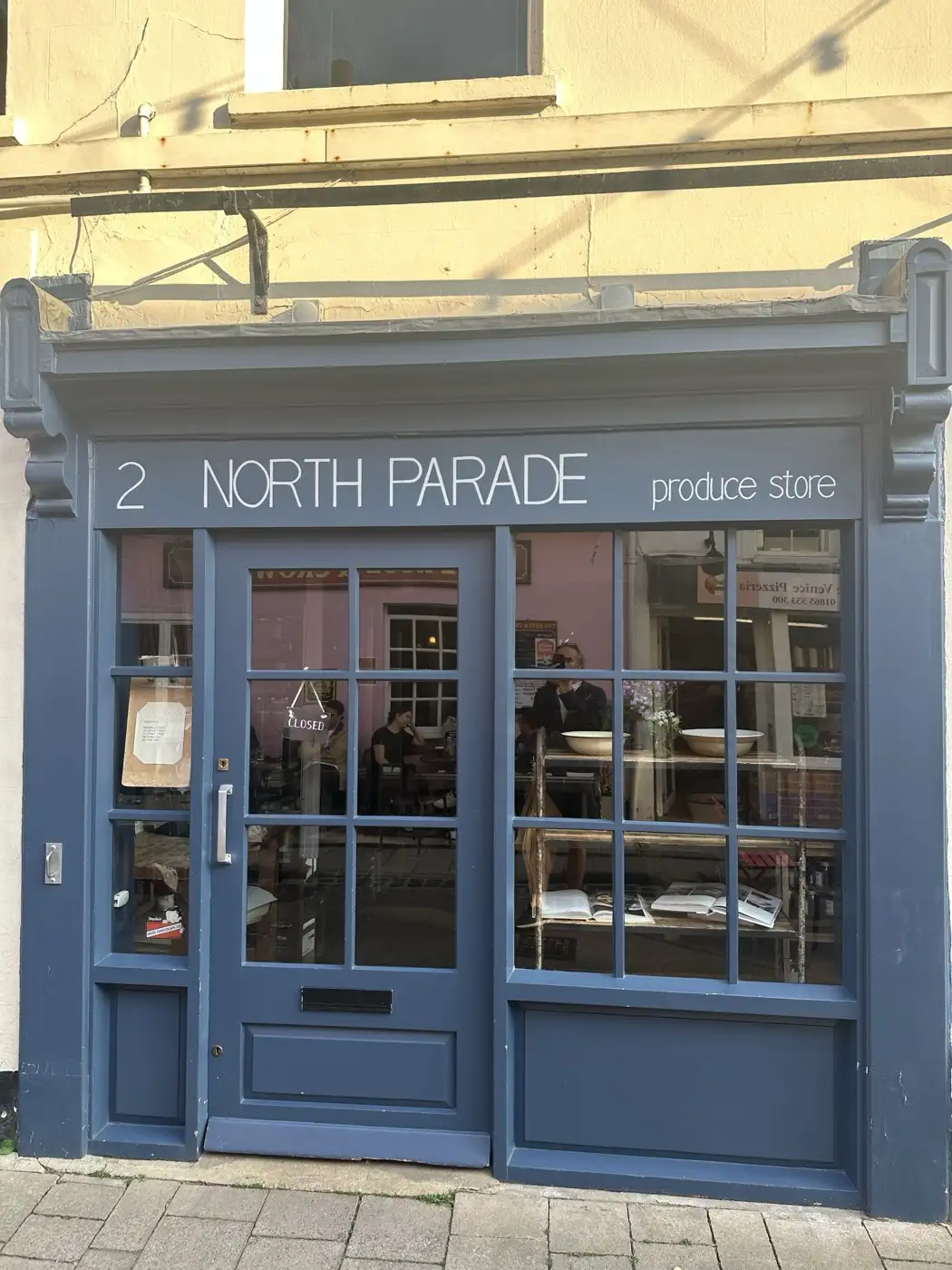
2 North Parade Produce Store
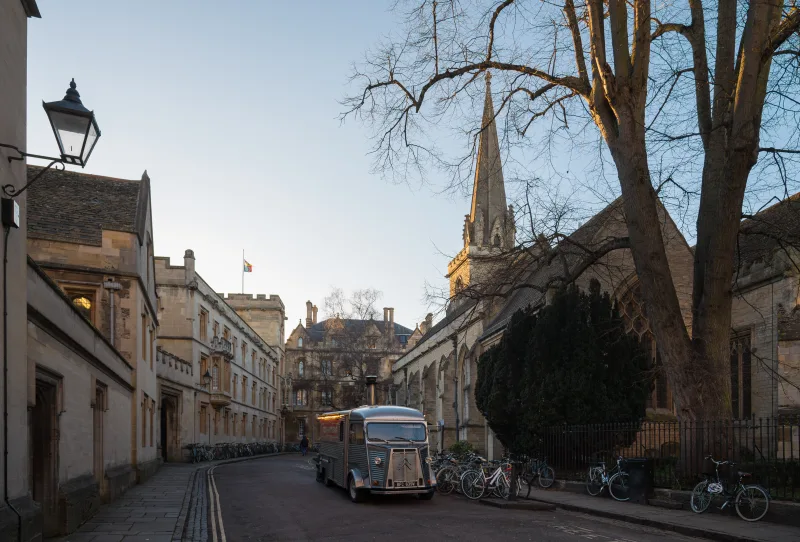
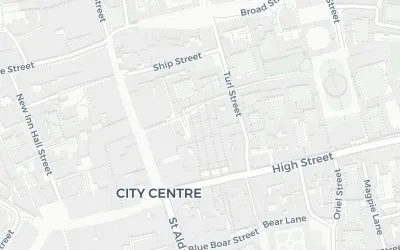
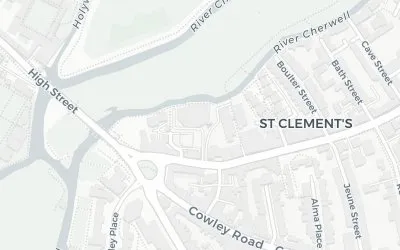
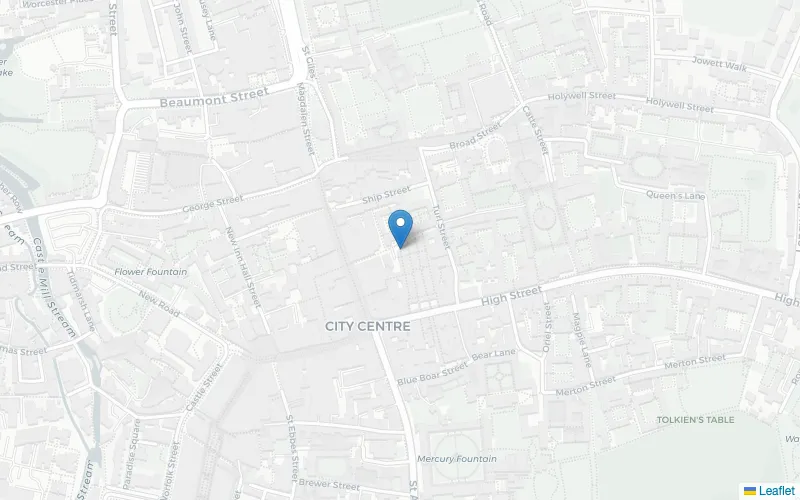
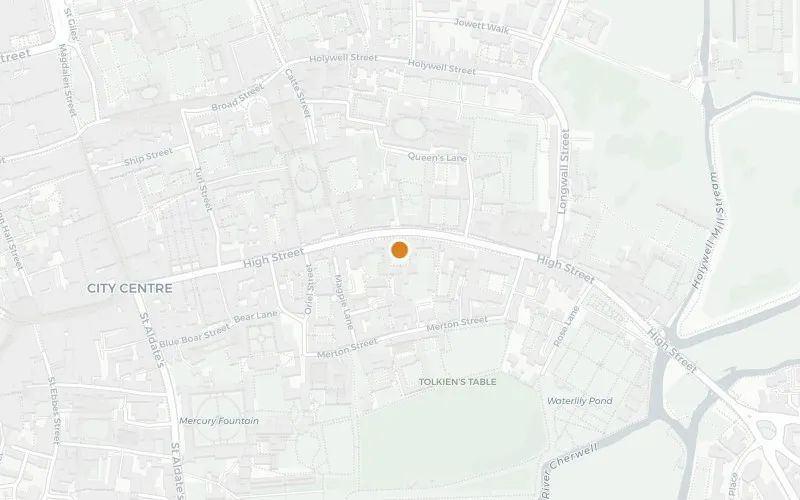
RecommendedSeasonal produce, British farmhouse cheese and small-supplier wines from a deep-blue shopfront on North Parade.
Oxford is beautiful in the rain — but you don't have to stand in it. These are the places worth heading to when the sky opens up: excellent museums (all free), cosy pubs with low ceilings, bookshops you can lose an afternoon in, and the Covered Market.
Seasonal produce, British farmhouse cheese and small-supplier wines from a deep-blue shopfront on North Parade.
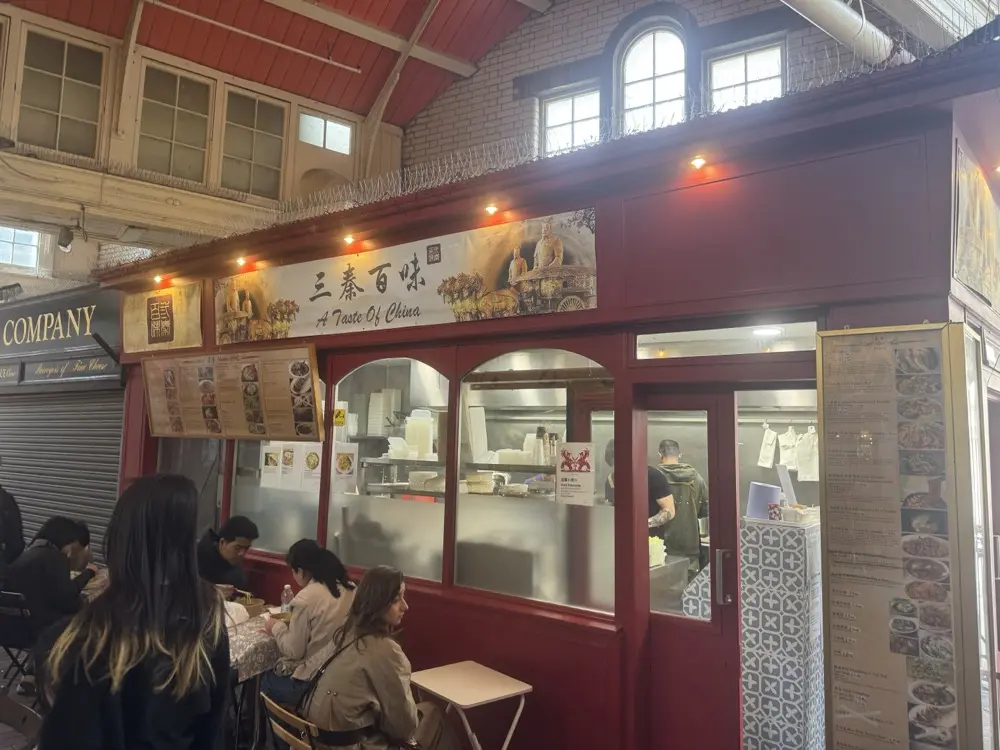
Family-run Shaanxi/Xi'an noodle bar in the Covered Market — the bilingual sign reads 三秦百味 ('Three Qin Hundred Flavours'), the kitchen runs hand-cut biang biang noodles and rou jia mo.
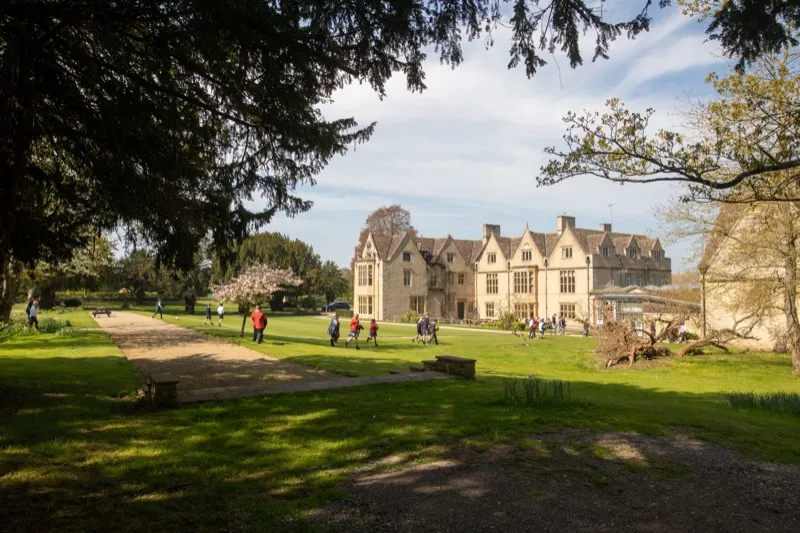
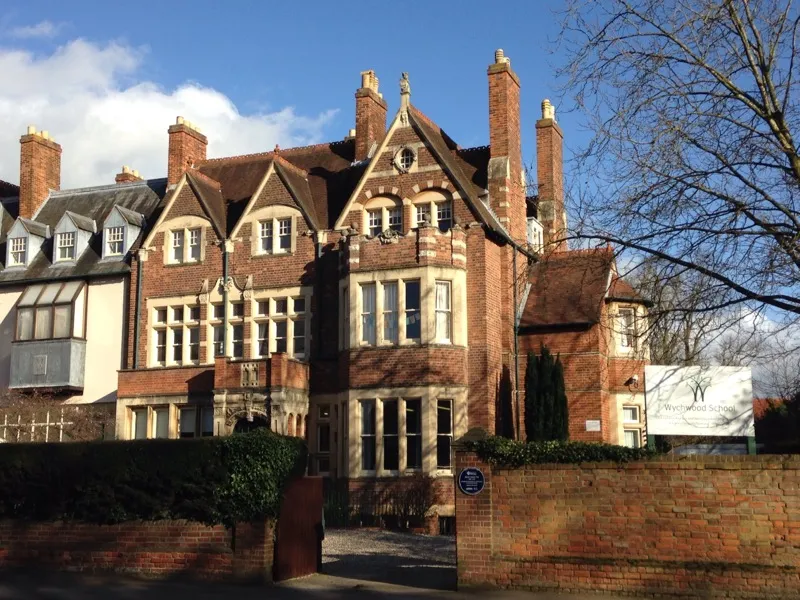
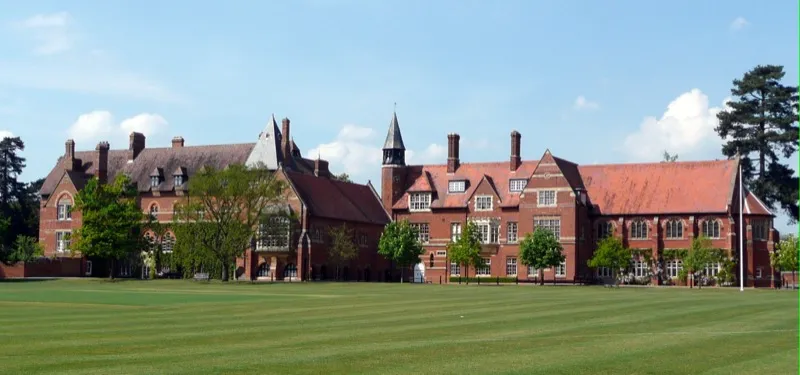
One of England's oldest schools — strong academics and sport in a less intense setting than the Oxford schools.
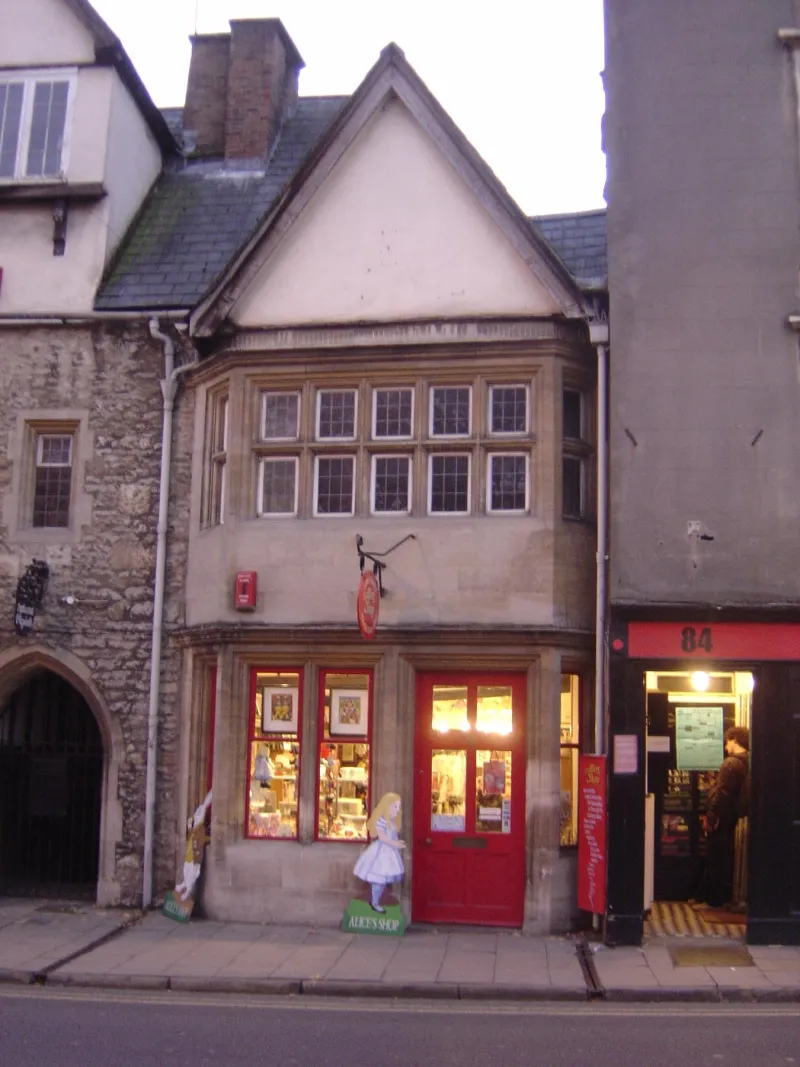
The real shop that inspired Tenniel's illustration in Through the Looking-Glass — now selling all things Alice.
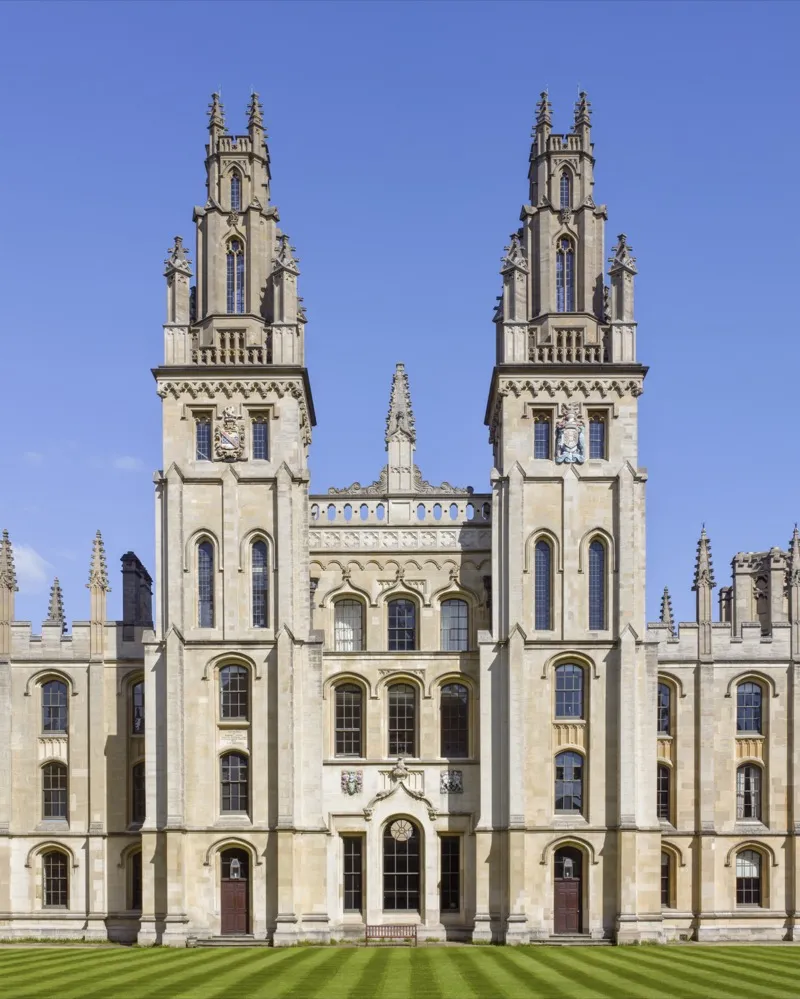
No students, the hardest exam in the world, and Hawksmoor's twin towers
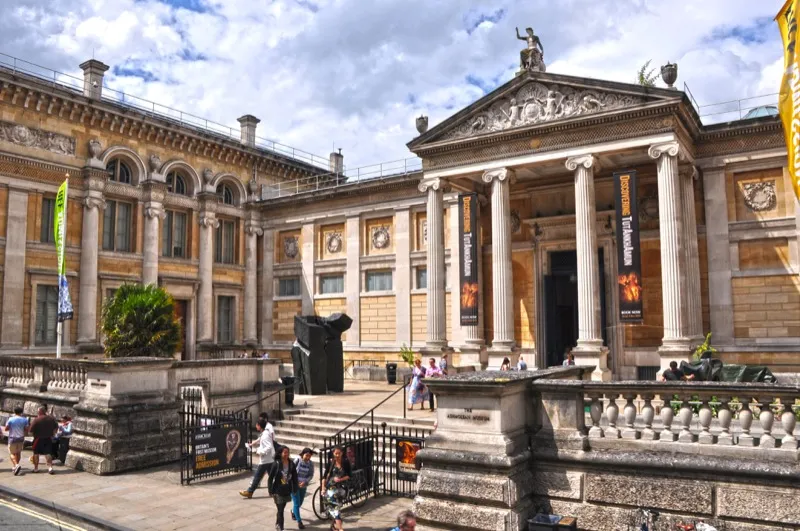
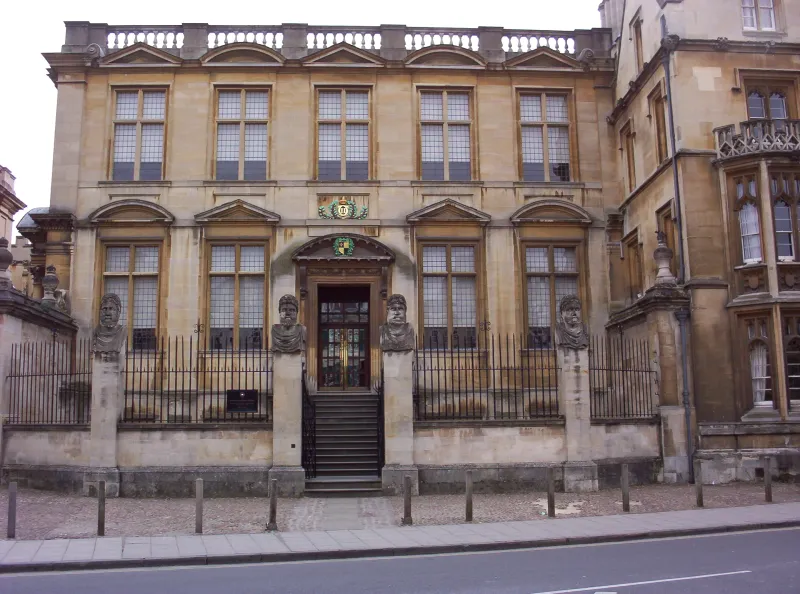
The world's first university museum — free, with major collections of art and archaeology.
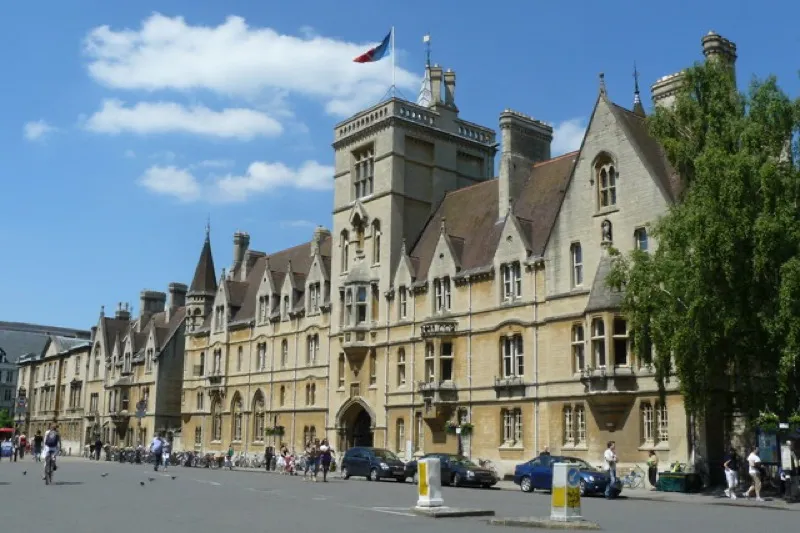
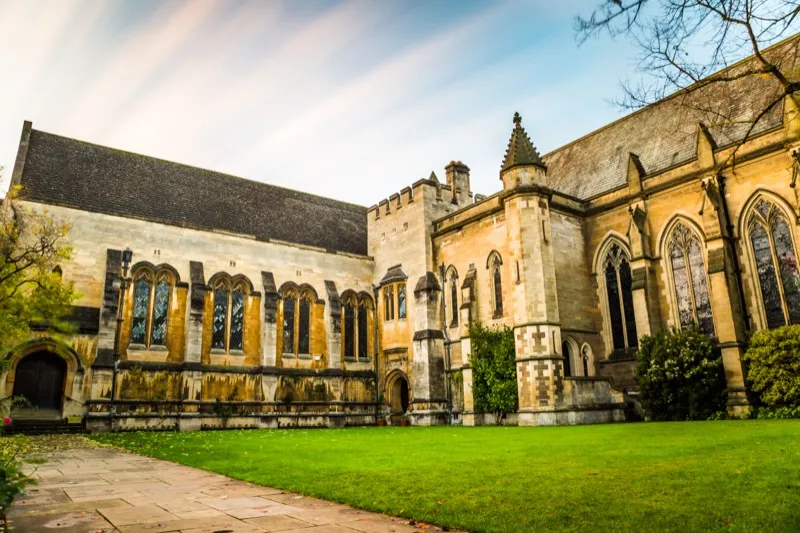
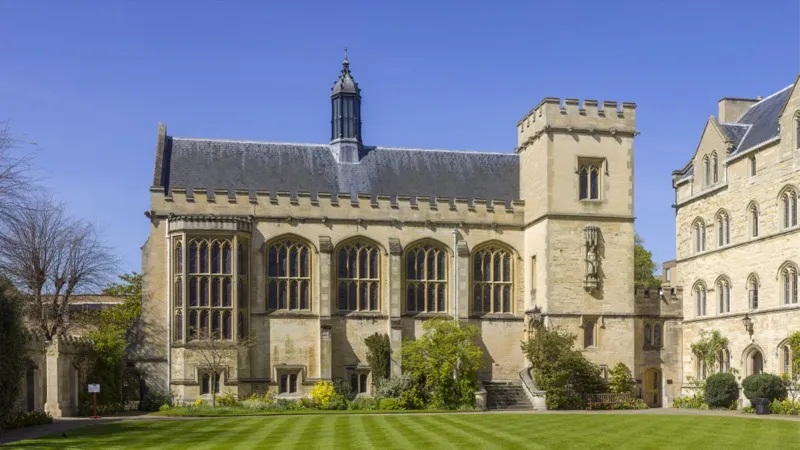
One of Oxford's oldest colleges — plain outside, historically significant inside
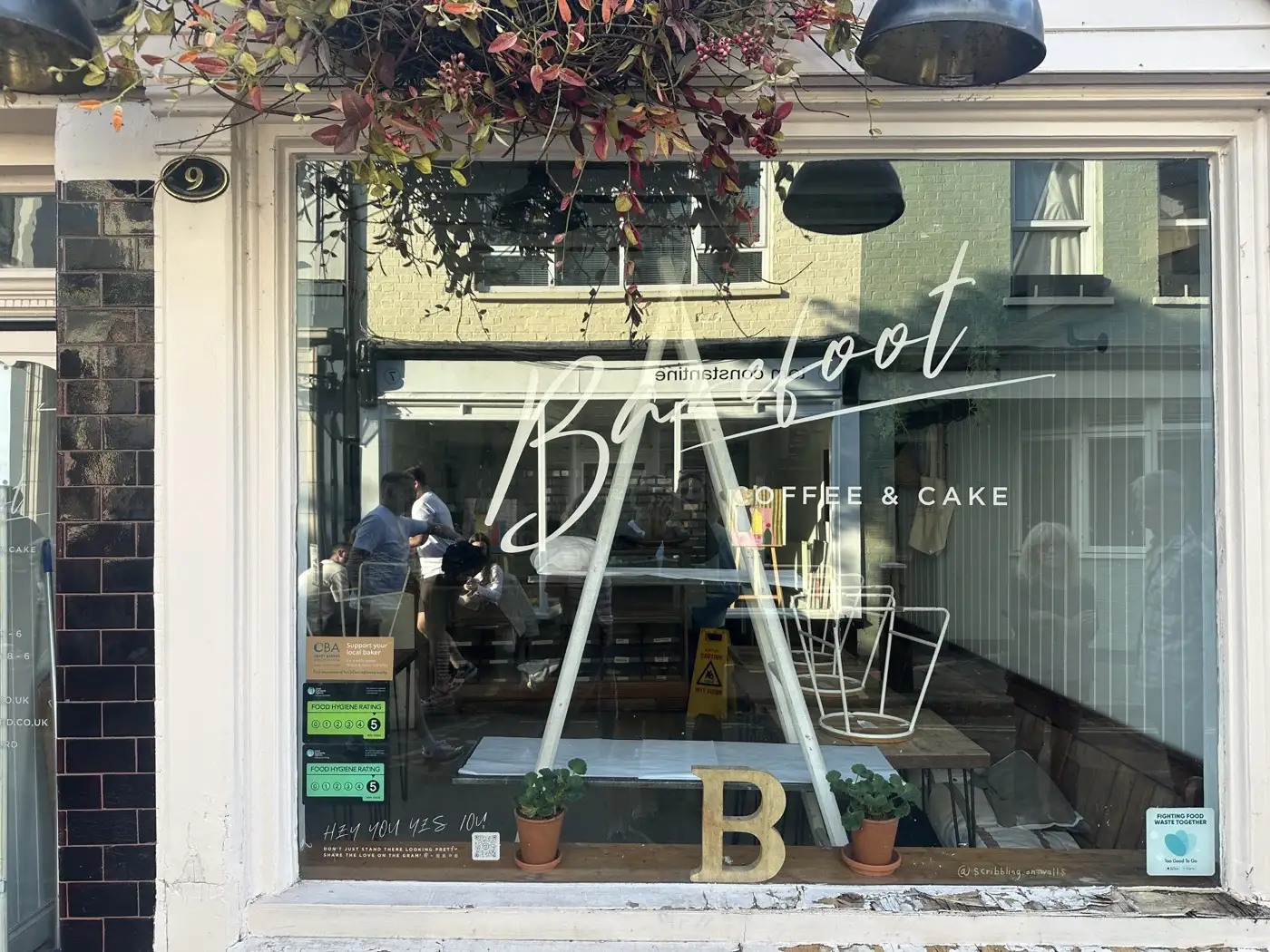
The North Parade outpost of Barefoot — coffee and the cake counter from the Jericho bakery.
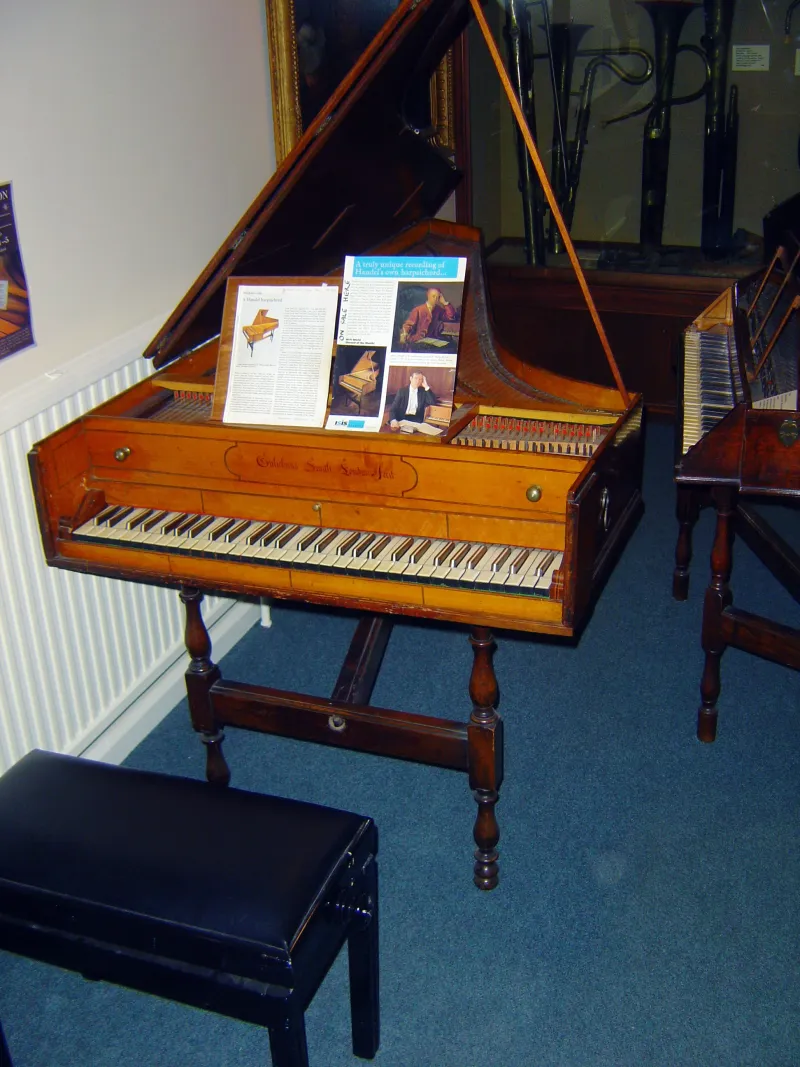
A specialist collection of historical musical instruments, from medieval to modern.
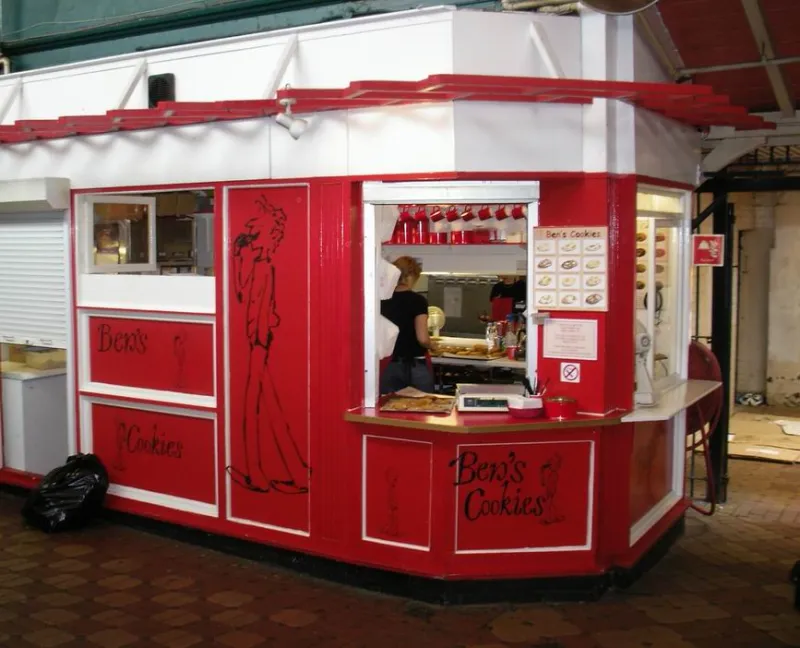
The original Ben's Cookies — baked fresh in the Covered Market since 1984, famous far beyond Oxford.
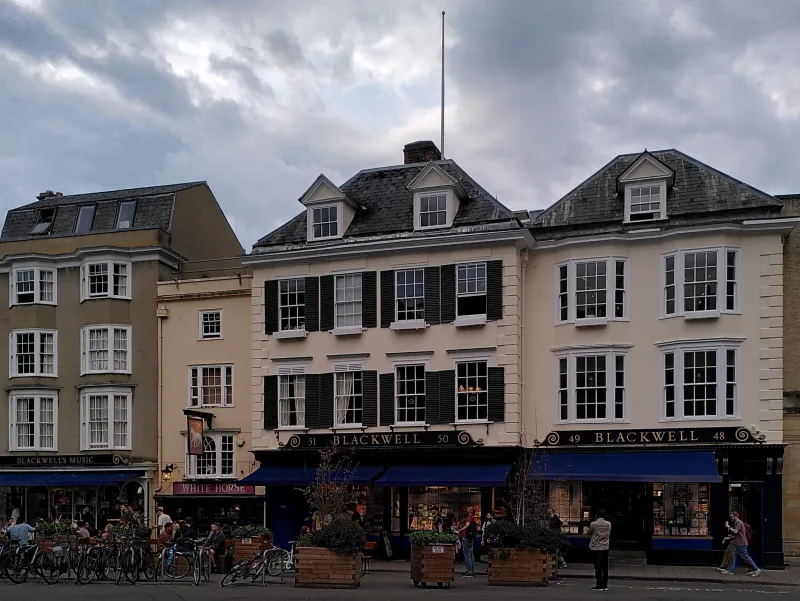
An Oxford institution since 1879 — Broad Street bookshop with the cavernous Norrington Room below.
One of the oldest libraries in Europe — the Divinity School, Duke Humfrey's Library, and the Radcliffe Camera.
Right behind the Radcliffe Camera — an intimate college with a painted chapel ceiling
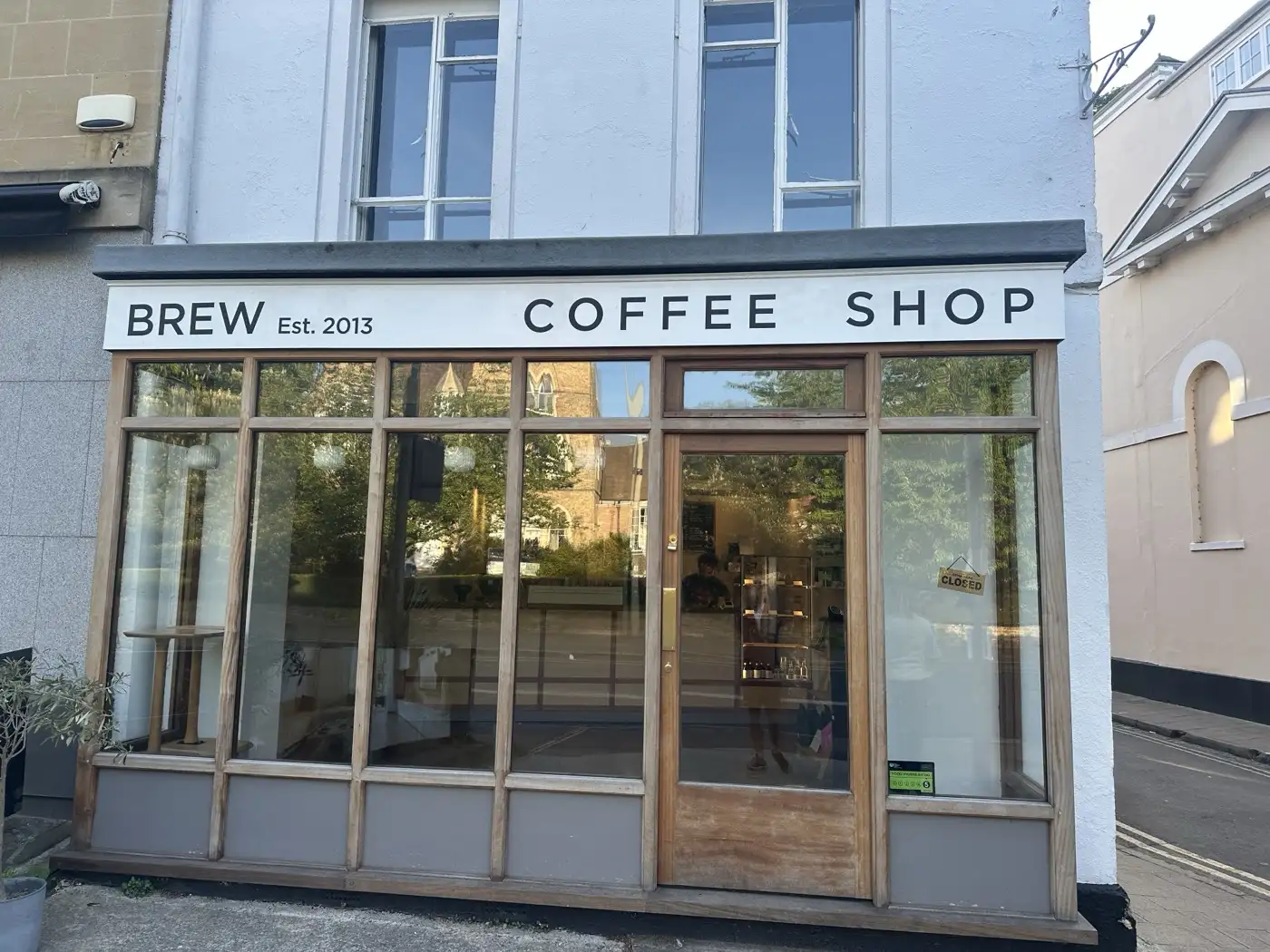
Specialty coffee and pour-overs on the corner of Banbury Road and North Parade — Oxford's serious coffee destination since 2013.
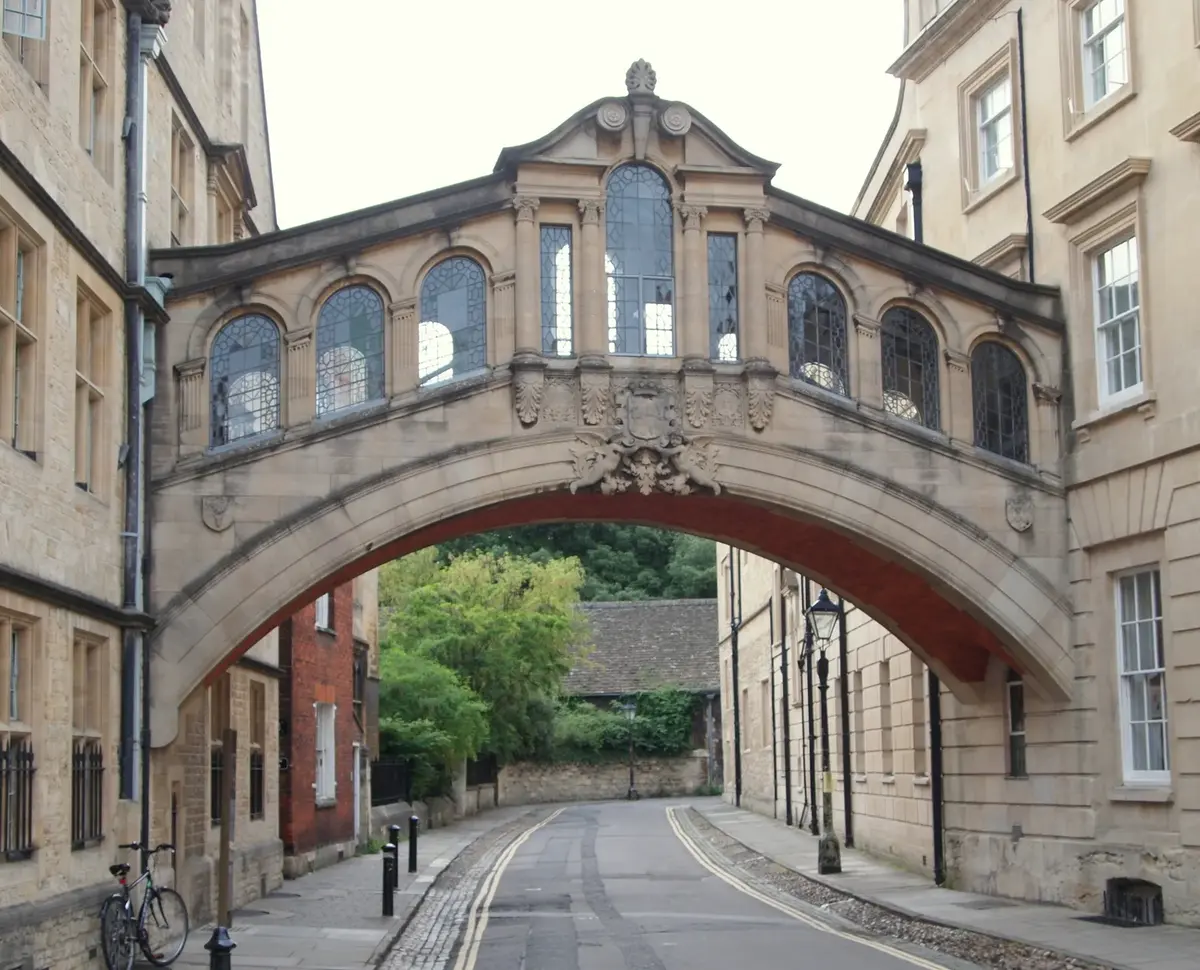
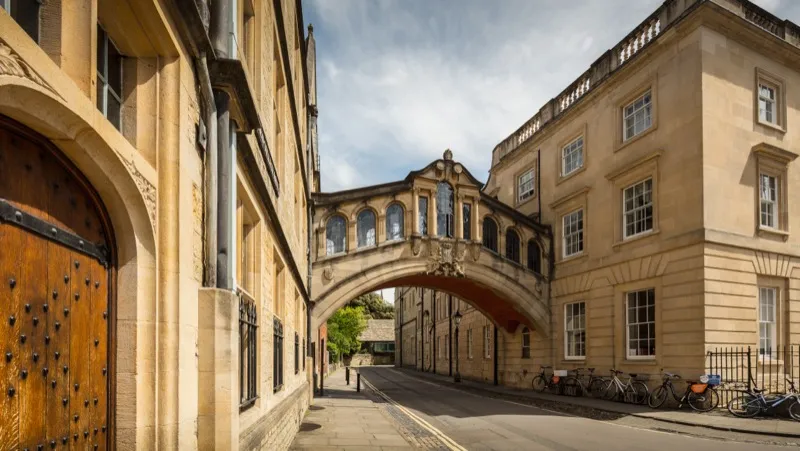
Hertford College's 1914 covered skyway over New College Lane — Oxford's most photographed bridge, despite resembling neither of the actual Bridges of Sighs.
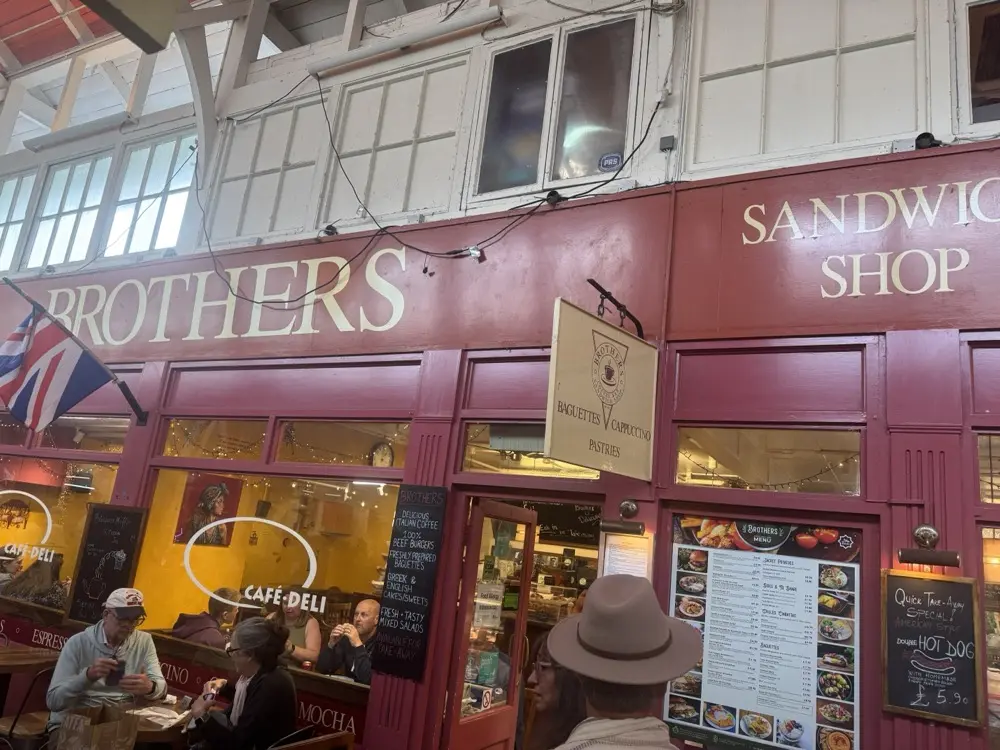
Independent café-deli on Avenue 3 of the Covered Market — Greek and Mediterranean home cooking alongside English breakfasts, sandwiches and cakes.
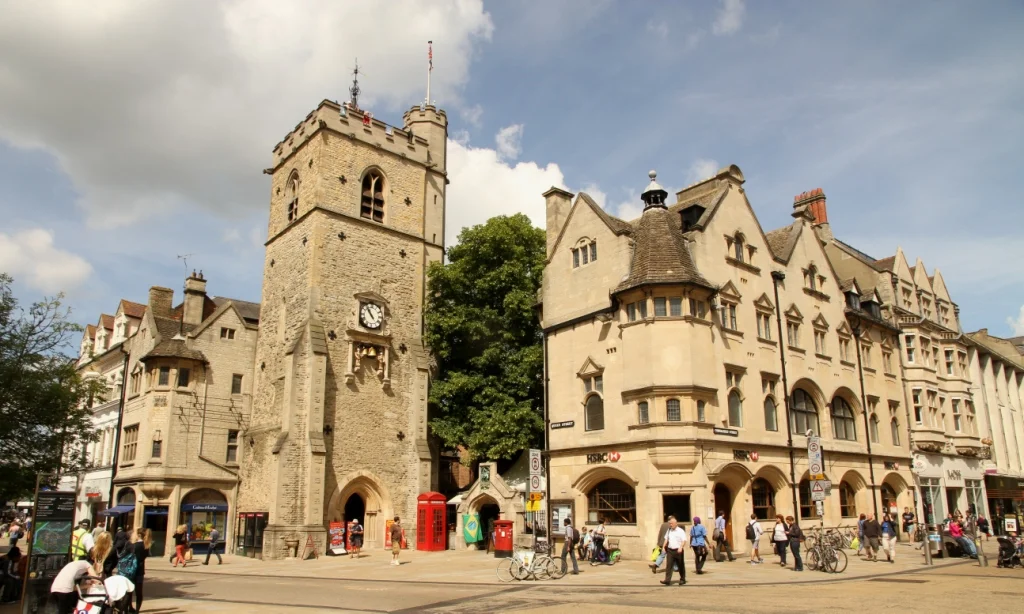
The 23-metre Saxon-medieval tower at the centre of Oxford — climb 99 steps for a four-way panorama.
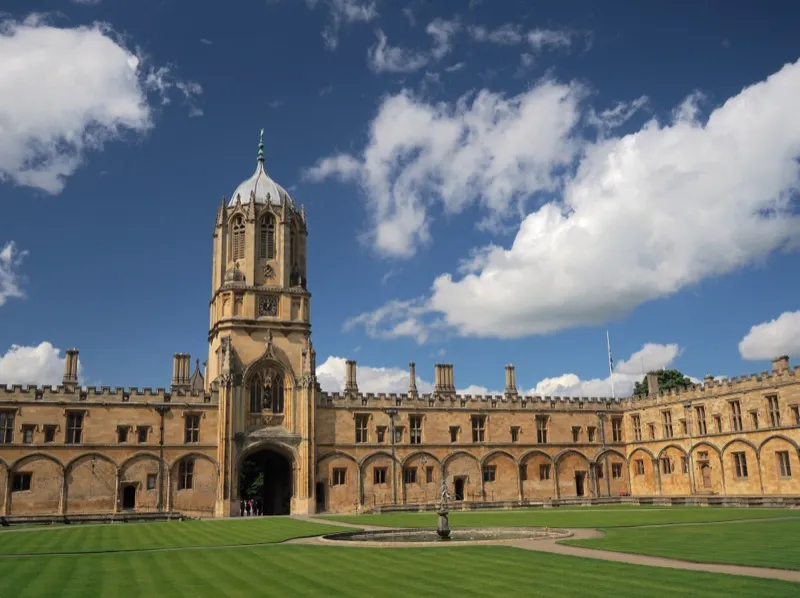
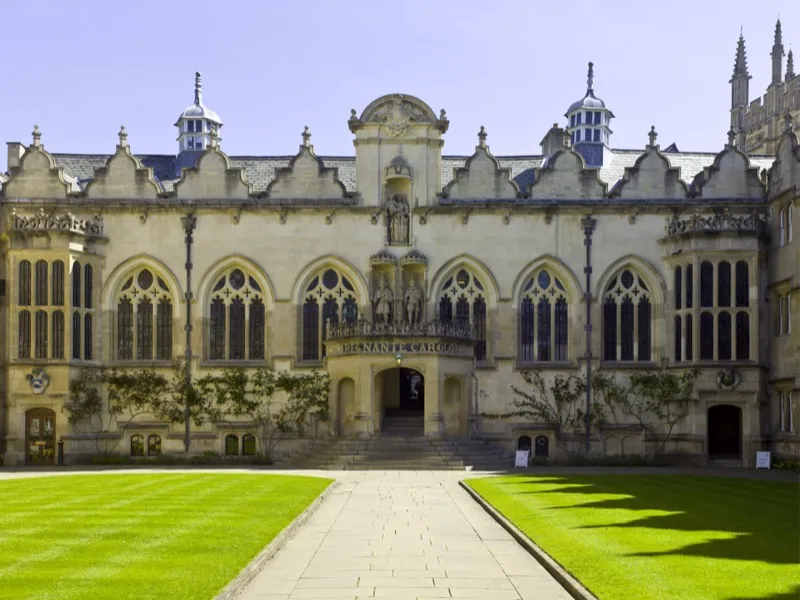
Oxford's grandest college — part cathedral, part palace, all spectacle
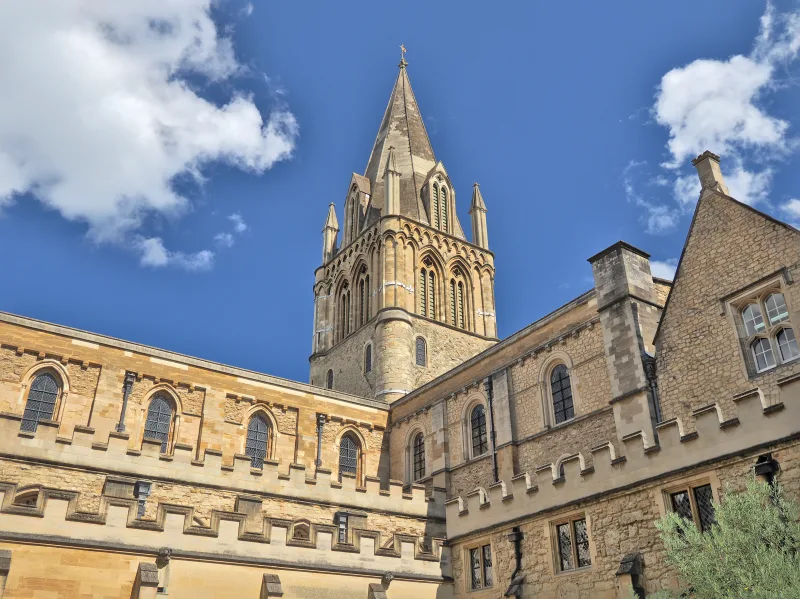
The smallest cathedral in England and the only one that is also a college chapel. Norman bones, a 14th-century Becket window that survived the Reformation, and five Burne-Jones windows.
Old Master paintings and one of the finest collections of Italian drawings in Britain.
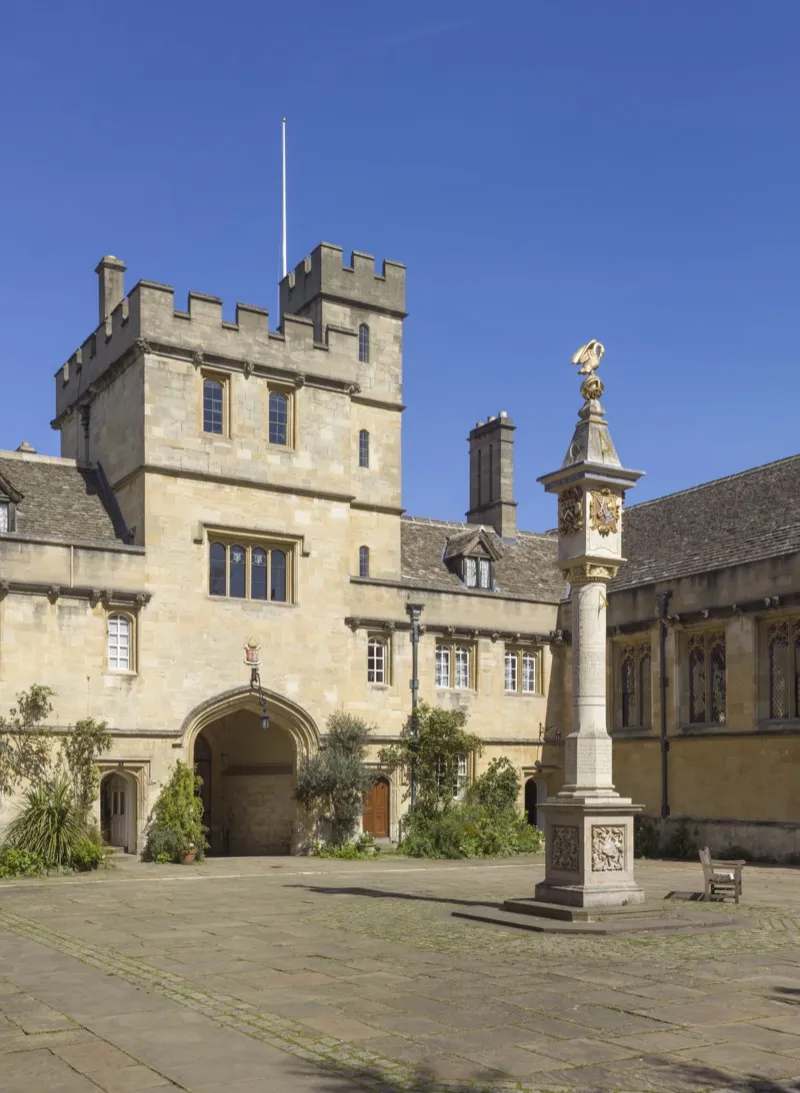
One of Oxford's smallest colleges, with a famous pelican sundial
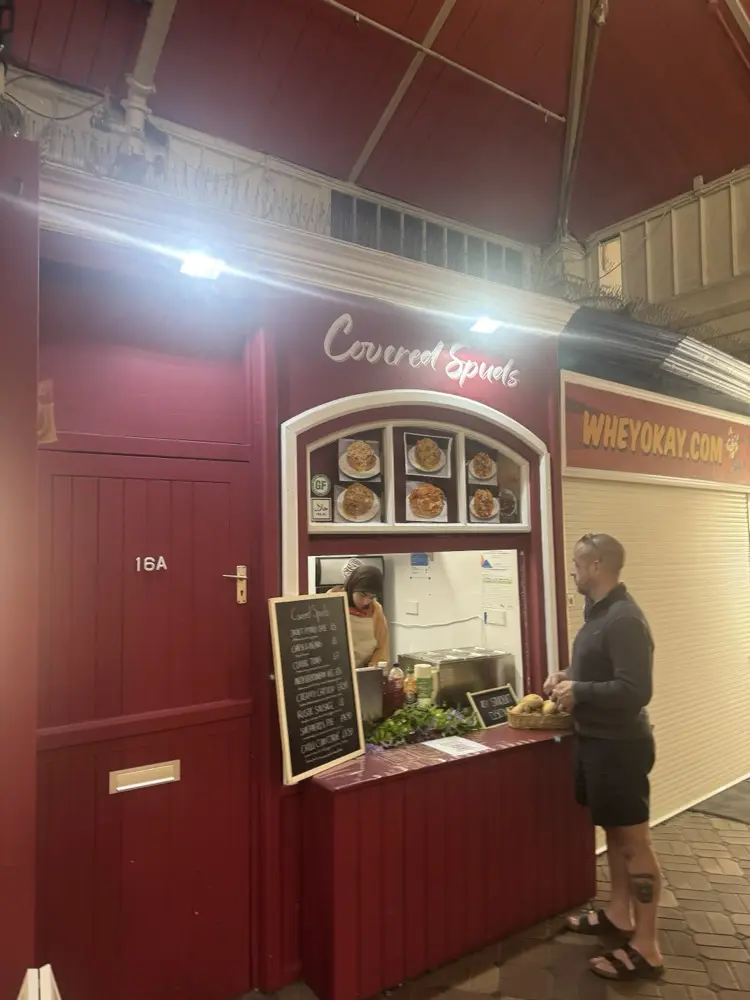
Jacket potato counter at stall 16A in the Covered Market — gluten-free and halal labelled, eight fillings on the warmer.
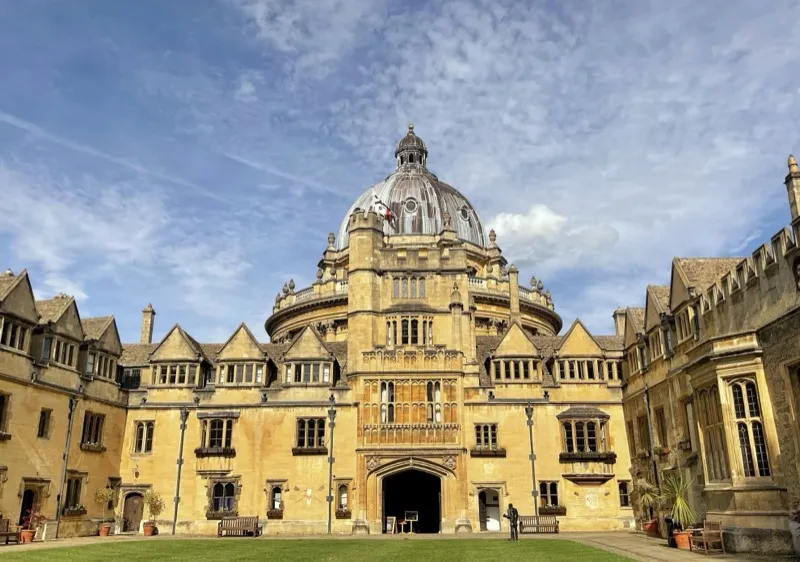
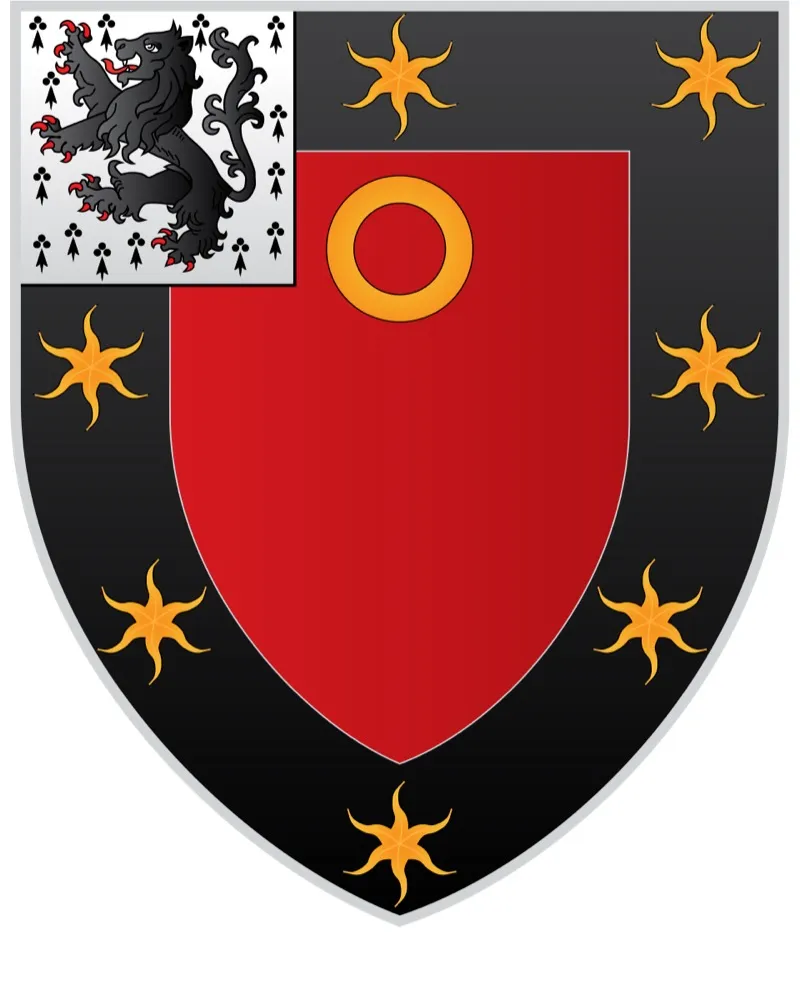
Tolkien's college, a miniature Sainte-Chapelle, and a hidden view over Radcliffe Square
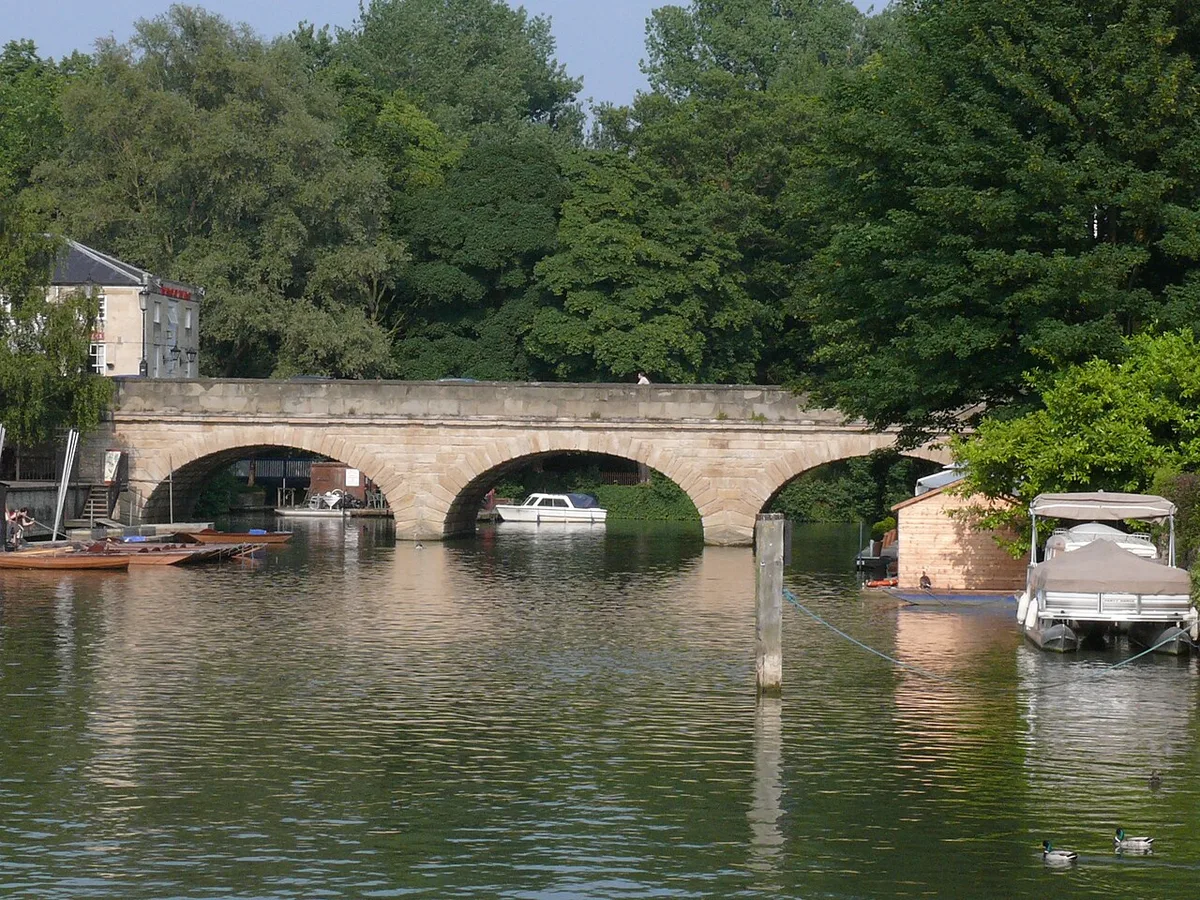
The 1825 stone bridge at the south end of St Aldate's, Grade I listed and standing on the site of an oxen-ford that gave Oxford its name. The boat that became *Alice in Wonderland* set off from here on 4 July 1862.
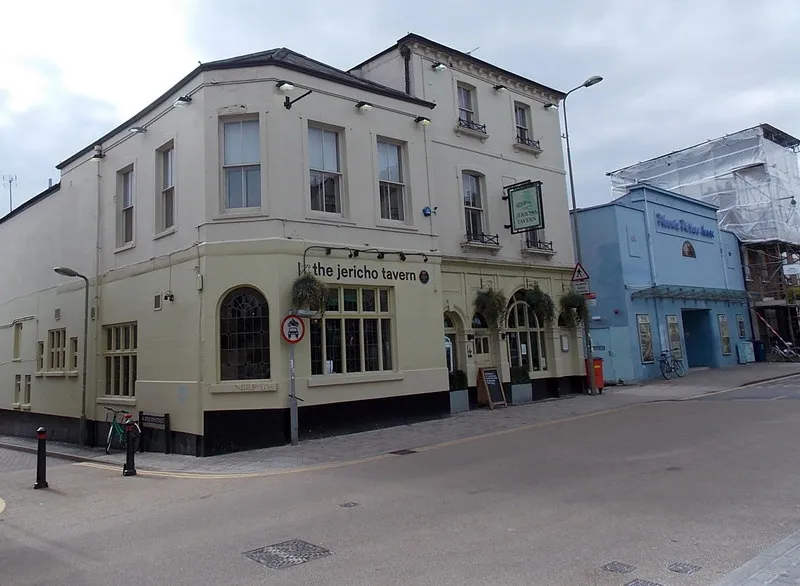
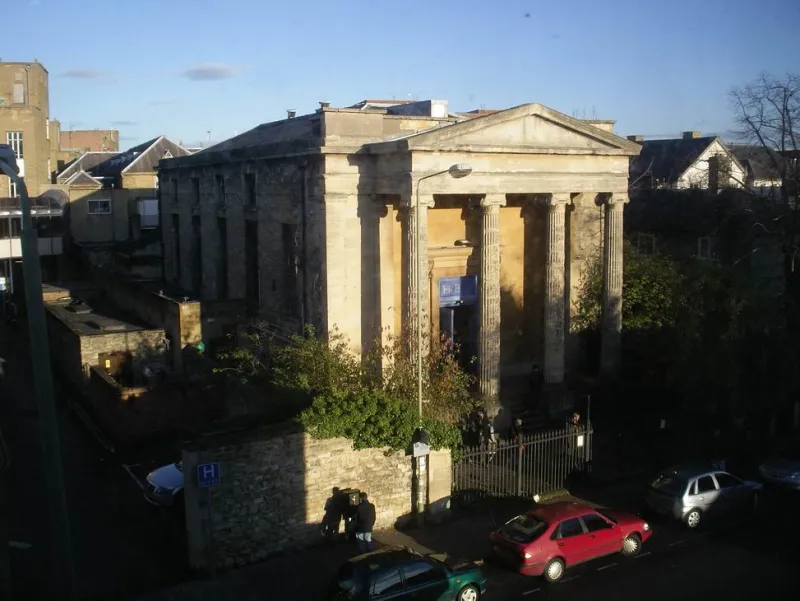
A former Jericho bar in a deconsecrated Greek Revival church — currently closed, with the building under new ownership.
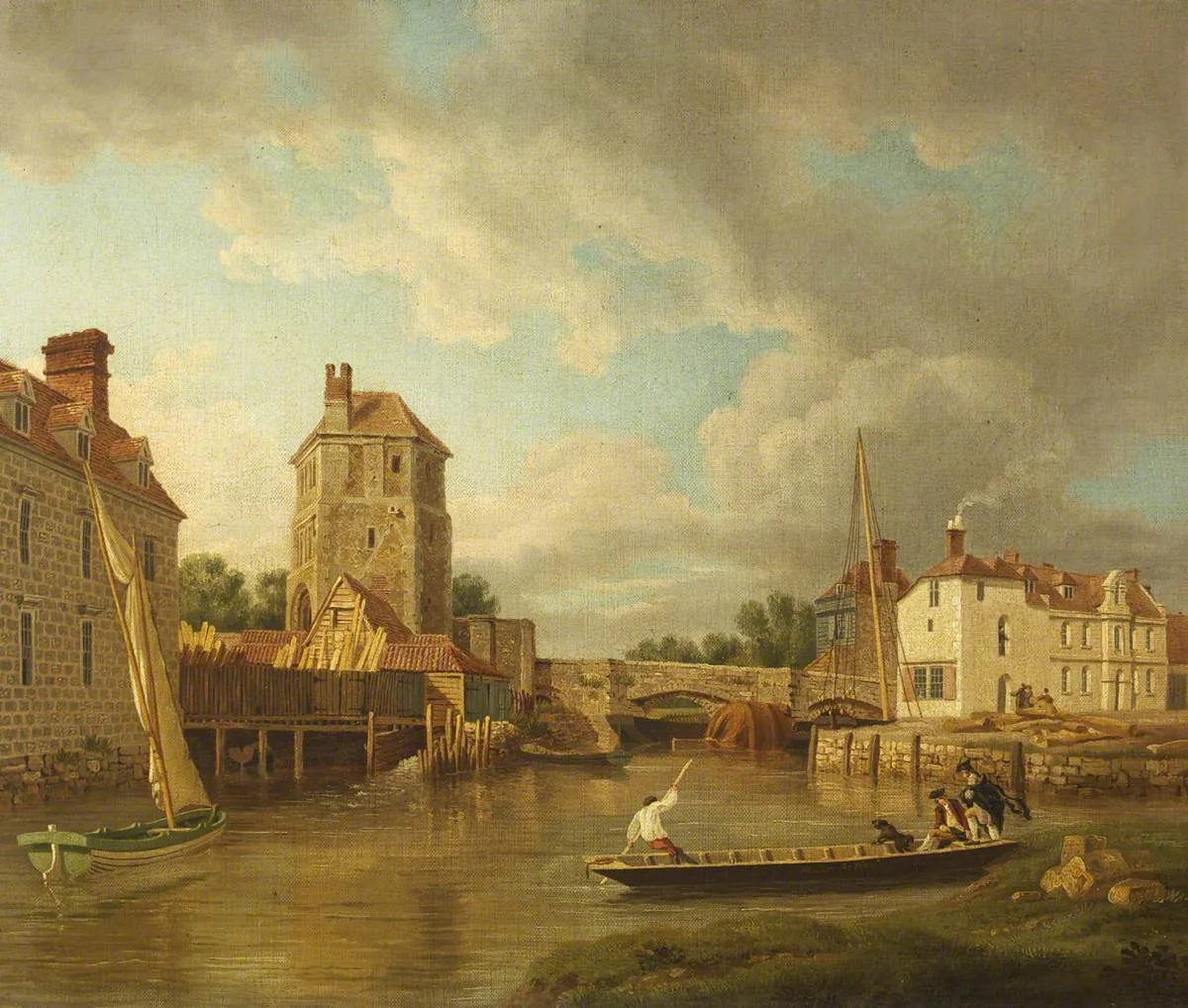
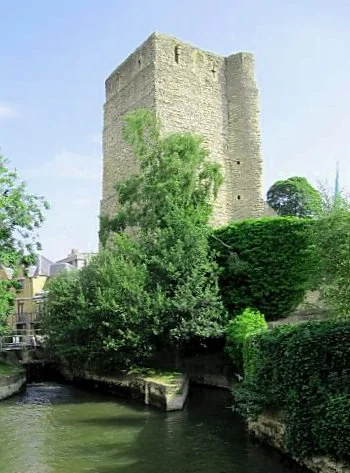
A medieval tower at the north end of Folly Bridge, demolished 1779. The 13th-century Franciscan friar Roger Bacon — one of the earliest European advocates of the scientific method — is said to have lived and worked here.
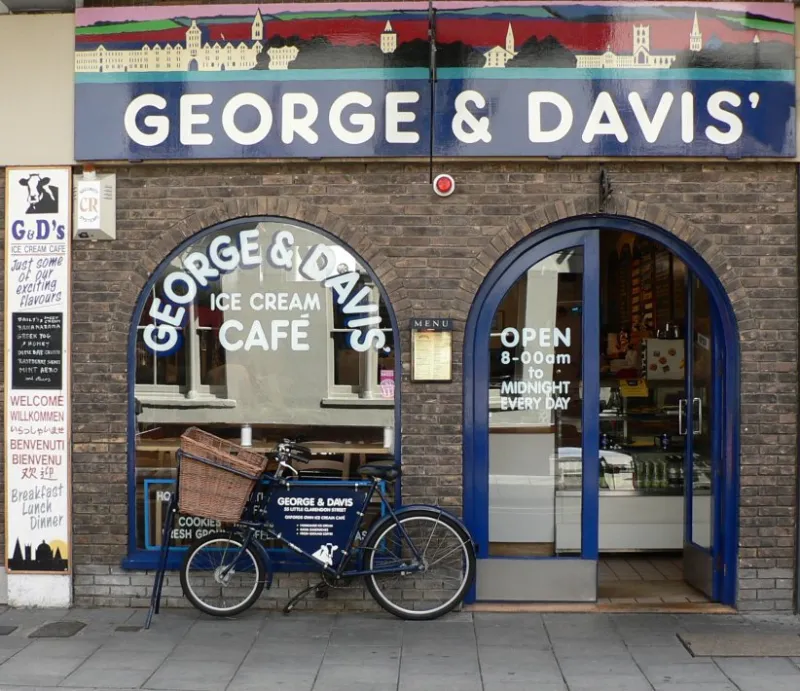
Oxford's own ice cream since 1992 — handmade, inventive, and open past midnight.
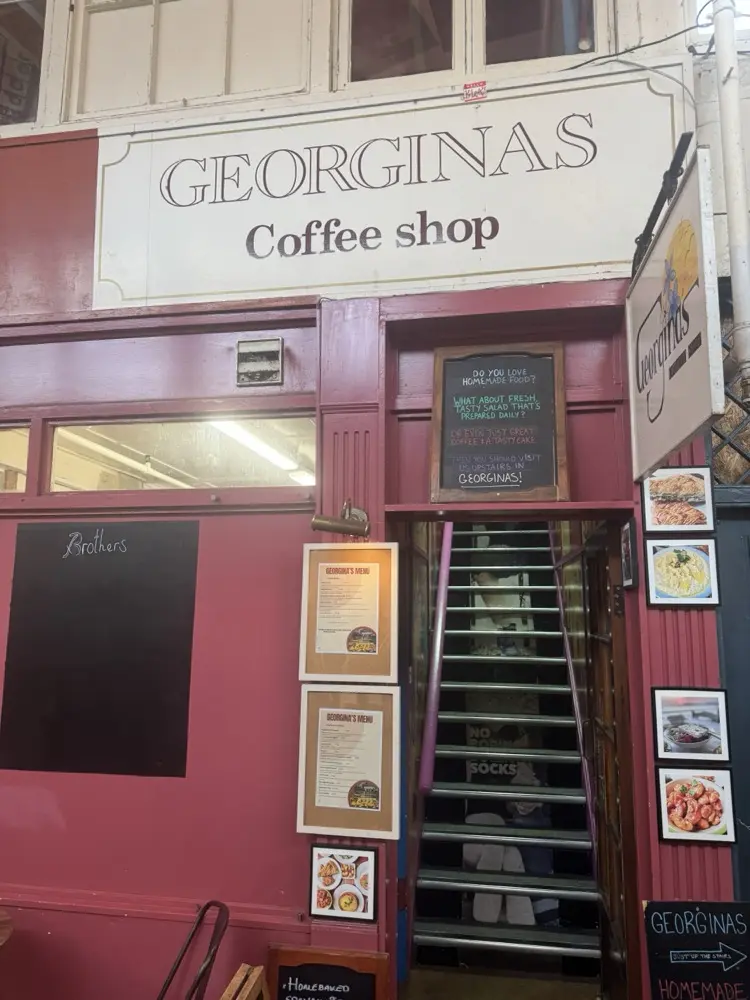
Greek and Mediterranean café tucked upstairs in the Covered Market, with vintage cinema posters covering the walls and ceiling.
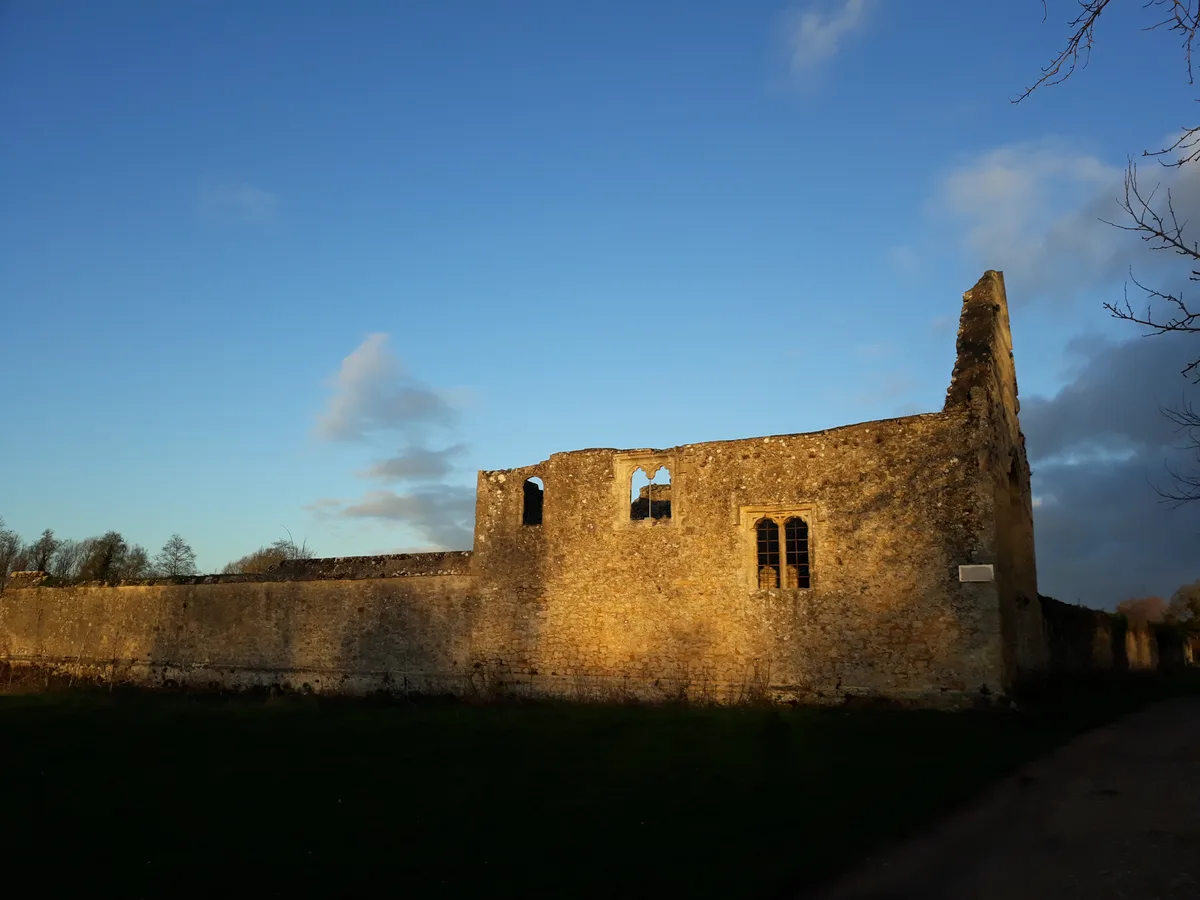
A Benedictine nunnery founded in 1133 on an island in the Thames; the burial place of Henry II's mistress Rosamund Clifford until a bishop ordered her tomb thrown out of the church in 1191. Suppressed in 1539, ruined in the Civil War, painted by the Pre-Raphaelites, picnicked over by Lewis Carroll.
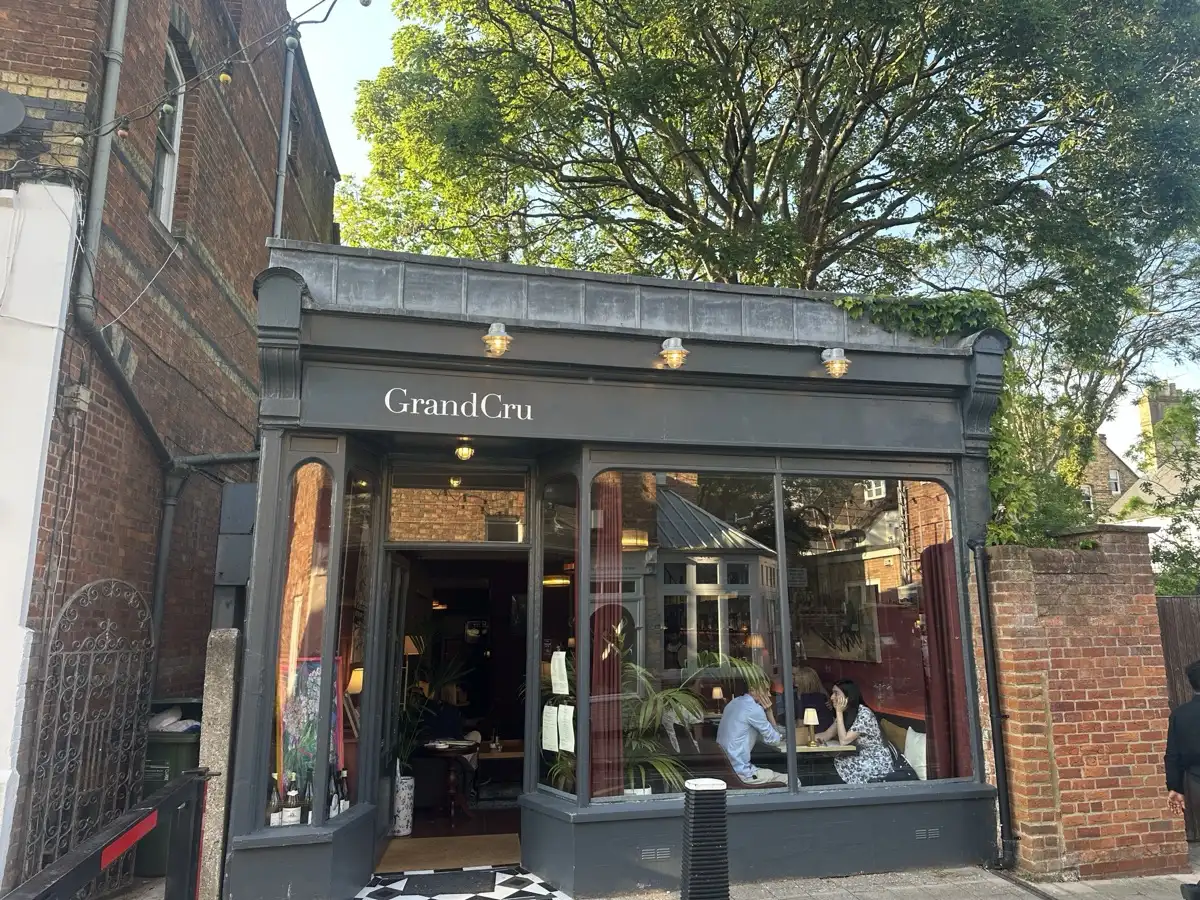
A wine bar and small-plates restaurant at the eastern end of North Parade — by-the-glass list, seasonal kitchen, sushi counter.
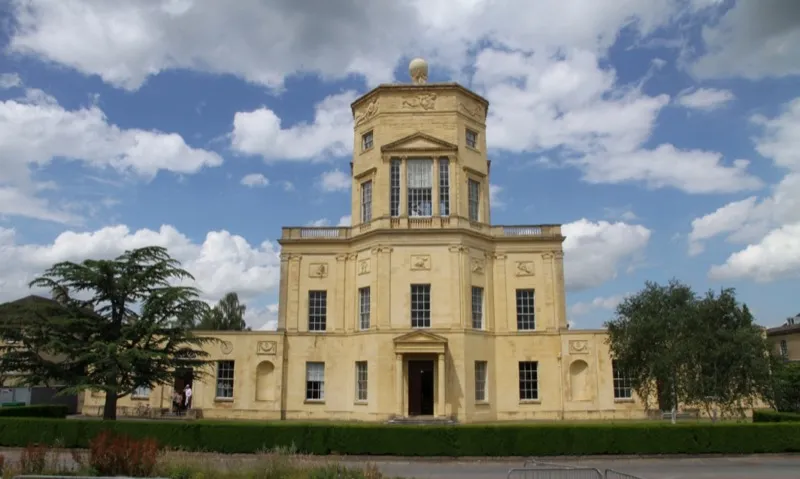
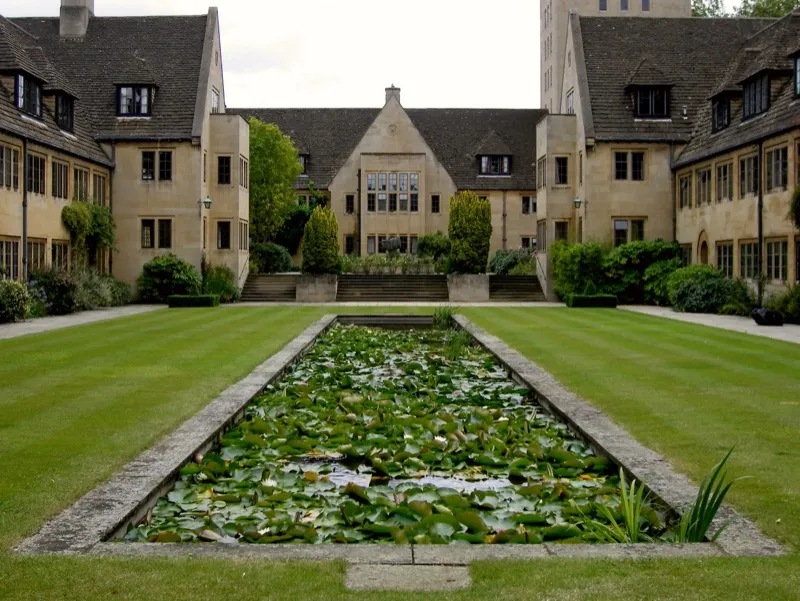
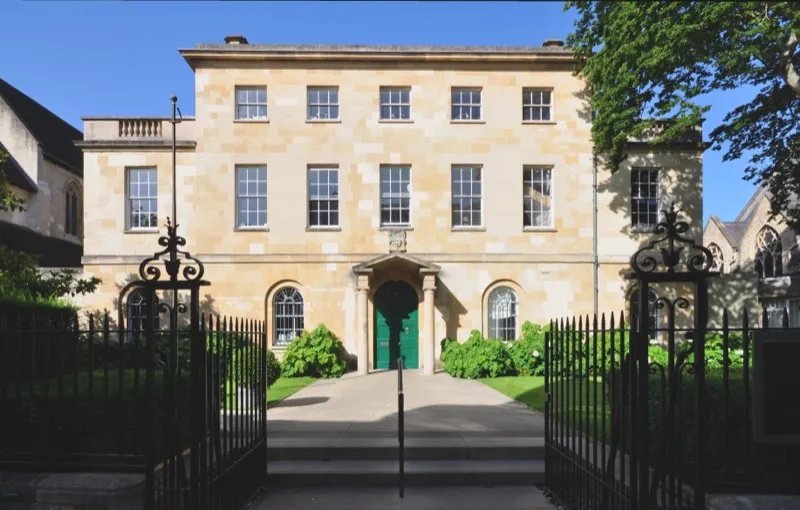
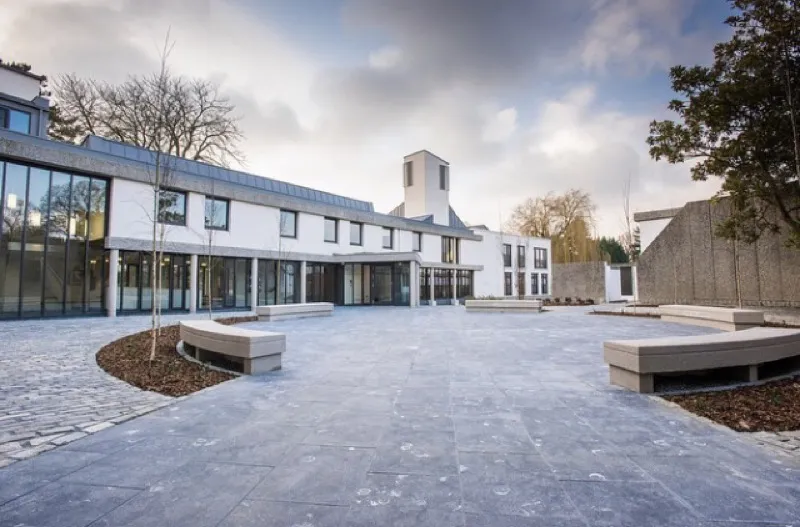
A modern graduate college wrapped around a Georgian observatory tower
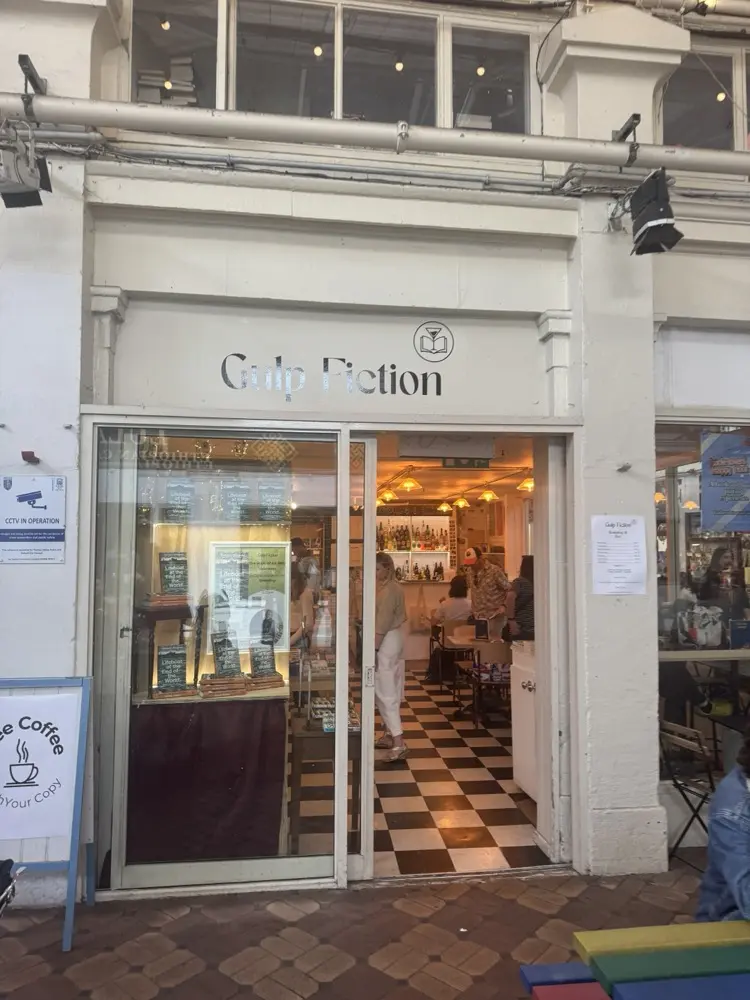
Café-and-cocktail bar in the Covered Market with a Tarantino-tinged name, a chequerboard floor and a rainbow flag at the door.
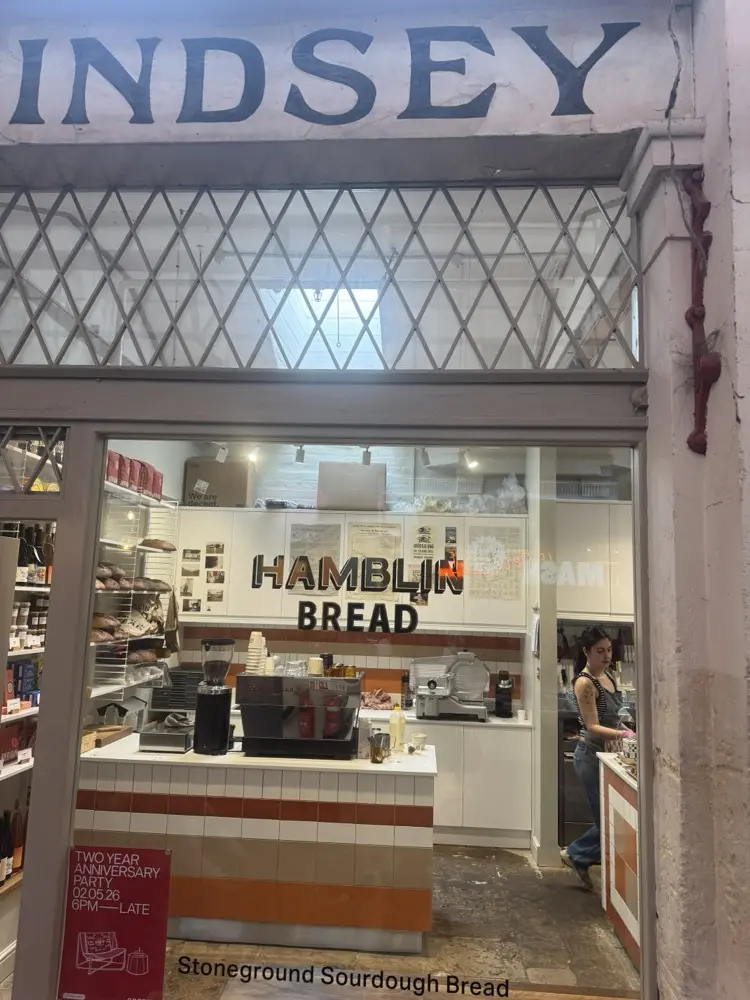
Stoneground-sourdough bakery in the Covered Market — Kate and Hugo Hamblin's second site, after the original on Iffley Road.
Oxford's mature-student college with Burne-Jones and William Morris stained glass
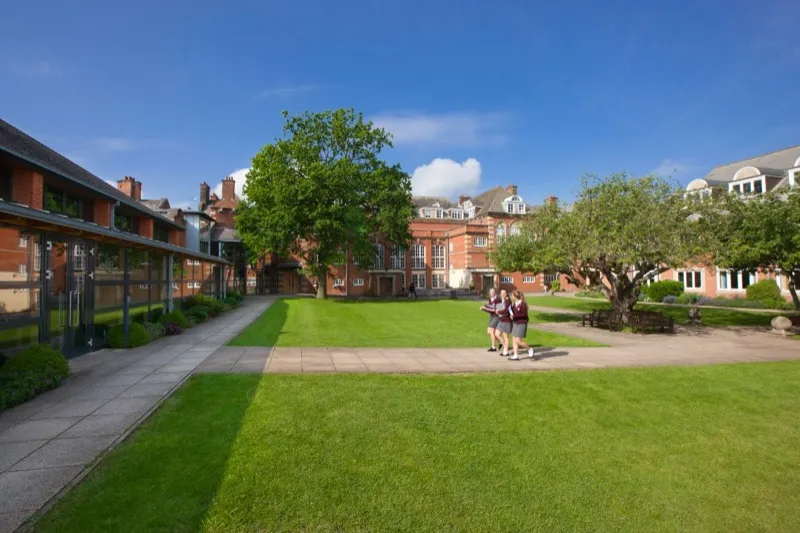
Headington Rye Oxford — co-ed prep (3–11) and girls' senior (11–18), boarding and day.
Home of the Bridge of Sighs — Oxford’s most photographed architectural moment
Scientific instruments from the Middle Ages to the 19th century, in the world's oldest surviving purpose-built museum.
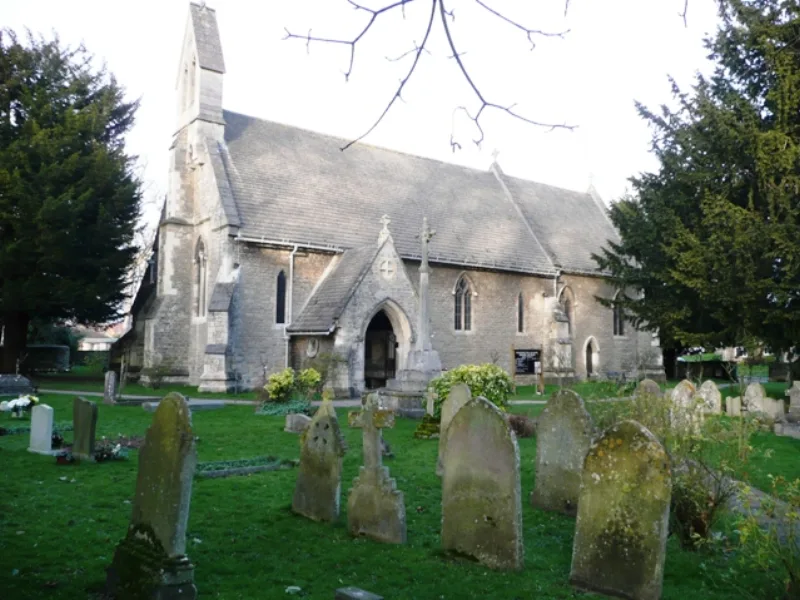
C. S. Lewis's parish church from 1930 to his death in 1963 — designed by George Gilbert Scott, built 1848 to 1849 for the quarry workers of Headington Quarry, with a 1991 Narnia window in the north aisle and the Lewis brothers buried in the churchyard.
Victorian cemetery established in 1847 on Merton College land. The resting place of Kenneth Grahame, Walter Pater, Charles Williams and the Mad Hatter's reputed model — now a wildlife refuge with muntjac deer and pheasants.
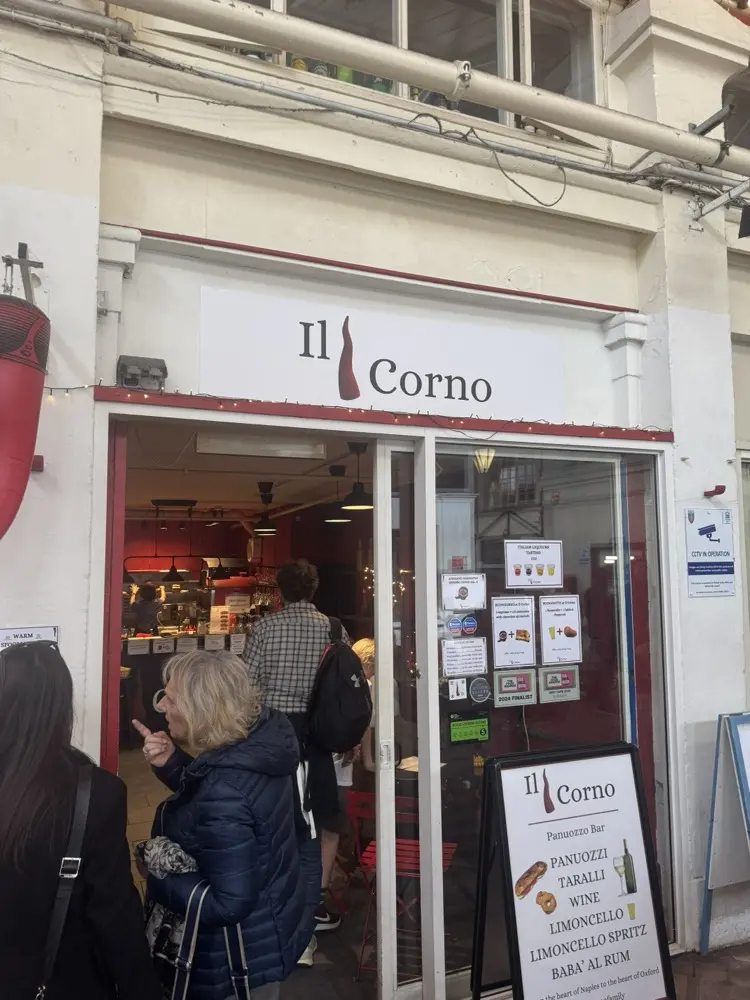
Neapolitan panuozzo bar in the Covered Market, named for the southern Italian good-luck horn.
The Welsh college on Turl Street — quieter than its neighbours, full of character
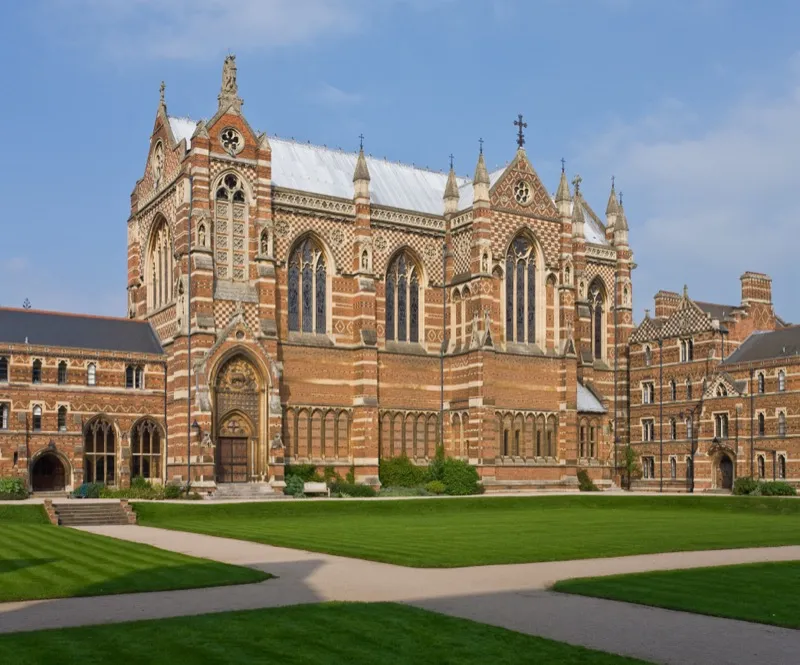
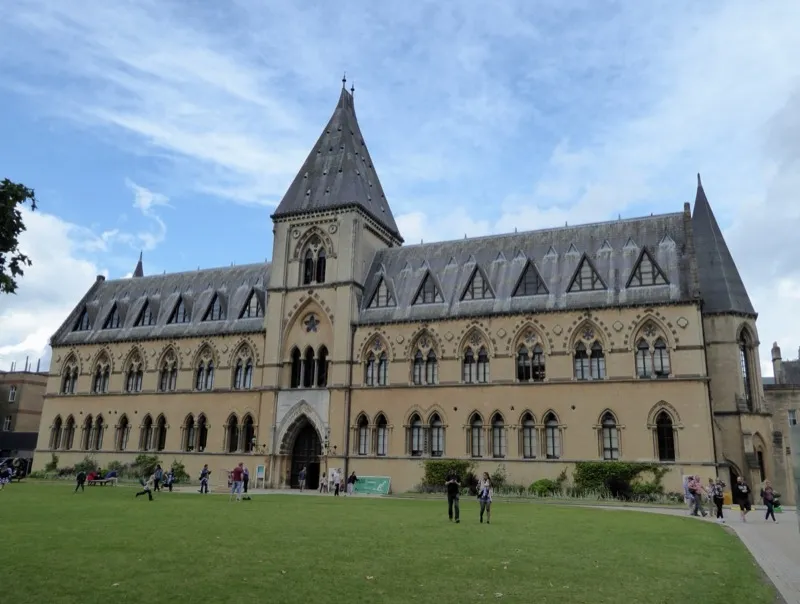
Victorian polychrome brick — Oxford's most divisive building and a masterpiece painting
Oxford's part-time and continuing education hub — not a tourist destination
Riverside gardens and pioneering history, away from the tourist crush
A proper Oxford local — ancient, unpretentious, and owned by St John's College.
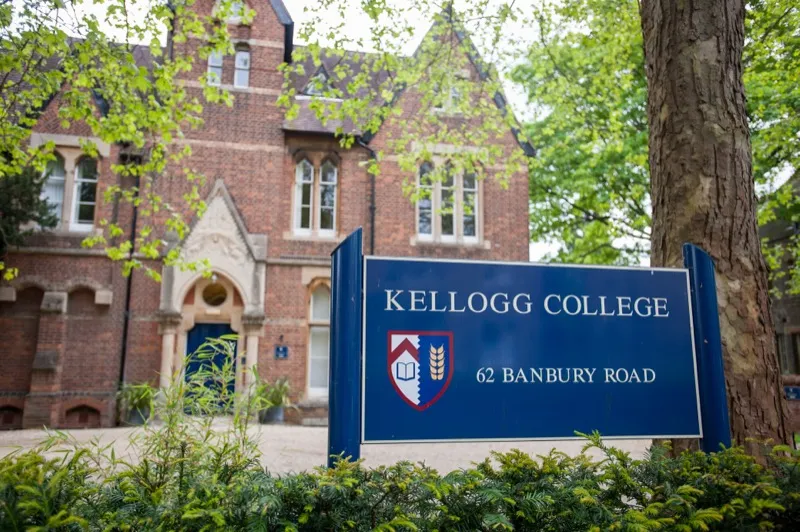
An eco-focused graduate college — admirable but not a visitor attraction
A perfectly preserved medieval gem on Turl Street — John Wesley's college
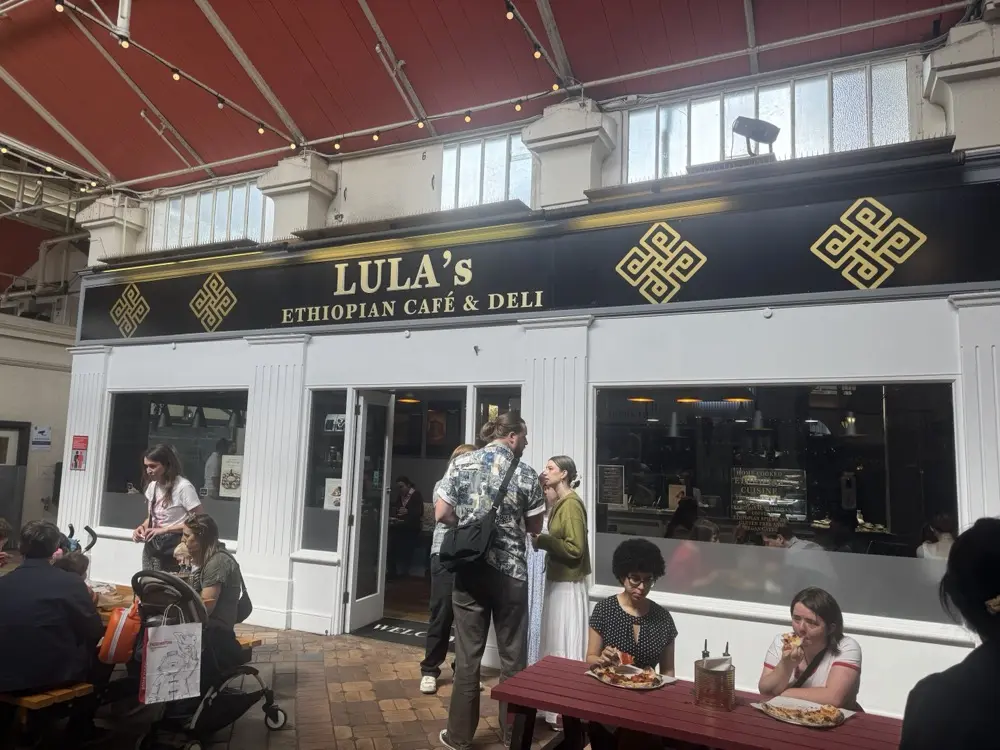
Traditional Ethiopian dishes on injera, with a Thursday evening coffee ceremony.
Extensive grounds with a deer park, river walks, and a famous tower
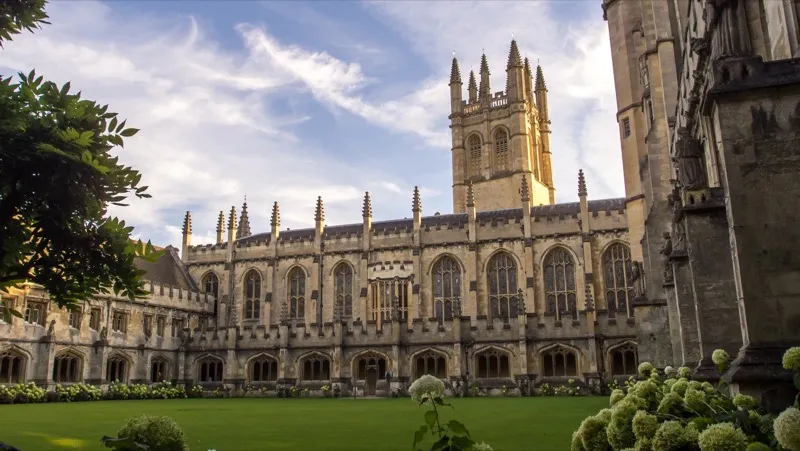
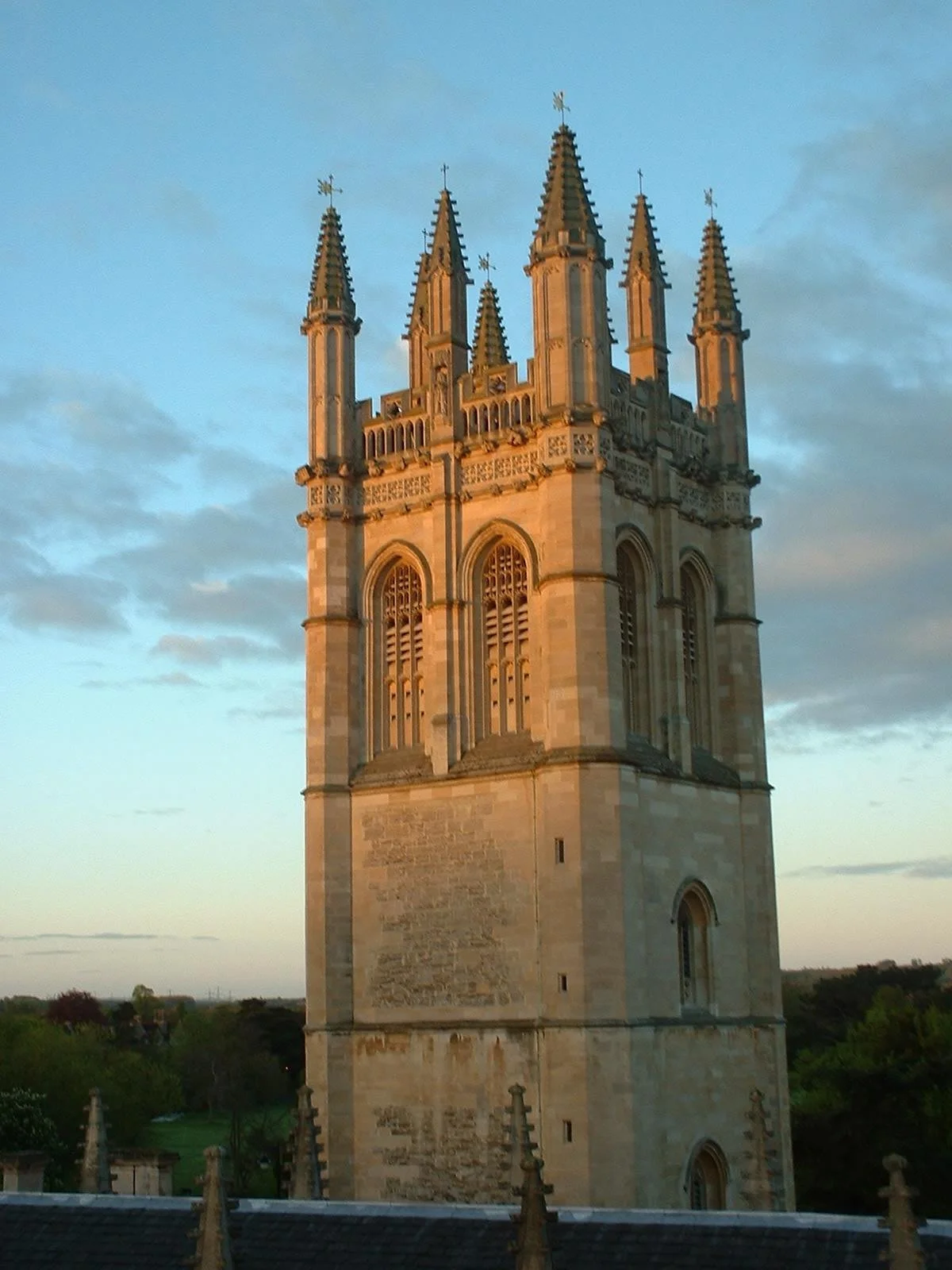
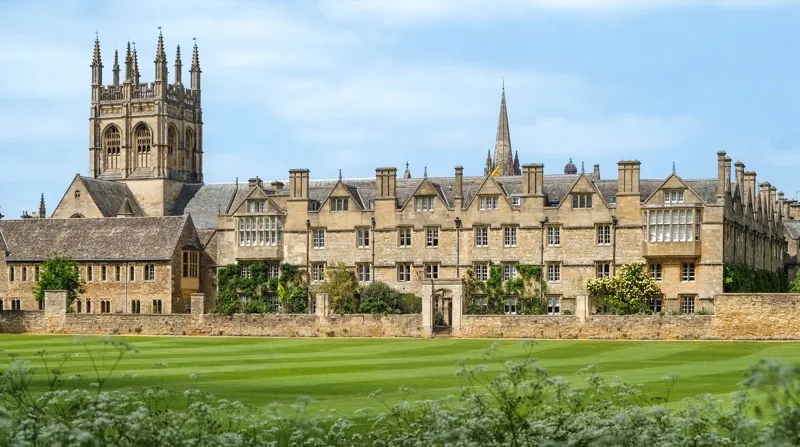
The 144-foot perpendicular Gothic tower of Magdalen College (1509) — the centrepiece of the High Street and the gathering point for May Morning.
A Nonconformist college with a Gothic Revival chapel and progressive spirit
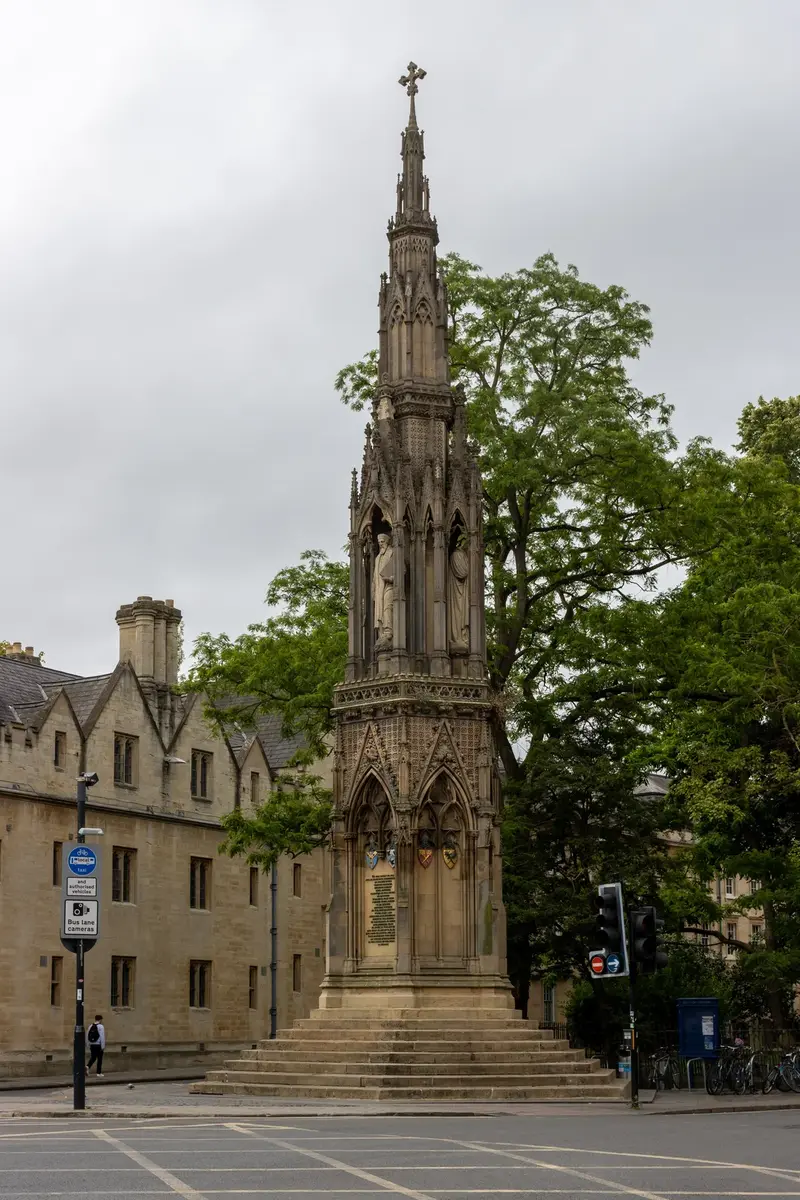
Sir Gilbert Scott's 1843 Gothic-Revival monument to Cranmer, Latimer and Ridley — the three Oxford Martyrs burned for heresy in 1555–1556.
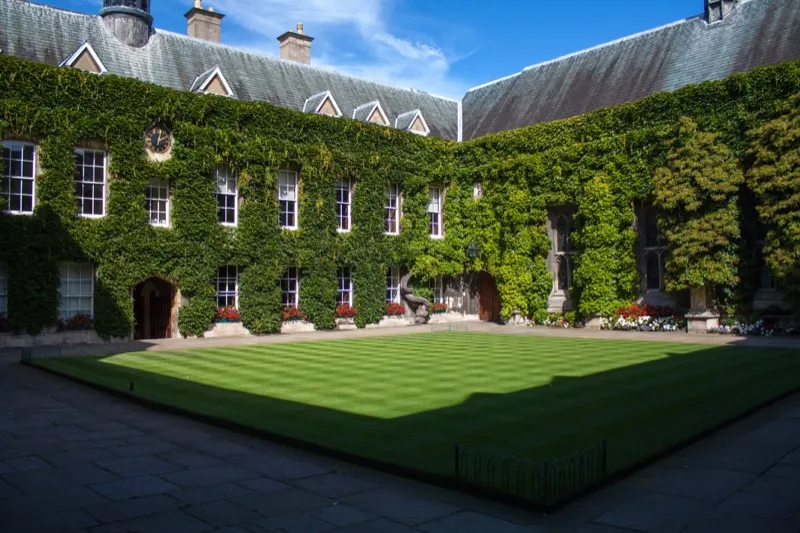
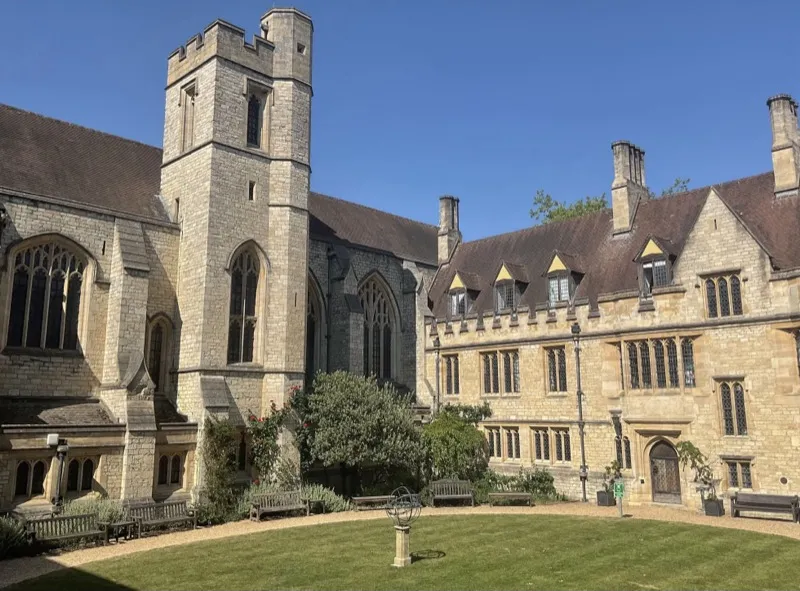
Oxford's oldest quad, a medieval library, and Tolkien's second home
A long, narrow island in the Cherwell — Greek 'between rivers' — laid out as a public walk in 1865, threaded between two branches of the river that flow at different heights.
Oxford's contemporary art gallery — free, ambitious exhibitions in the heart of the city.
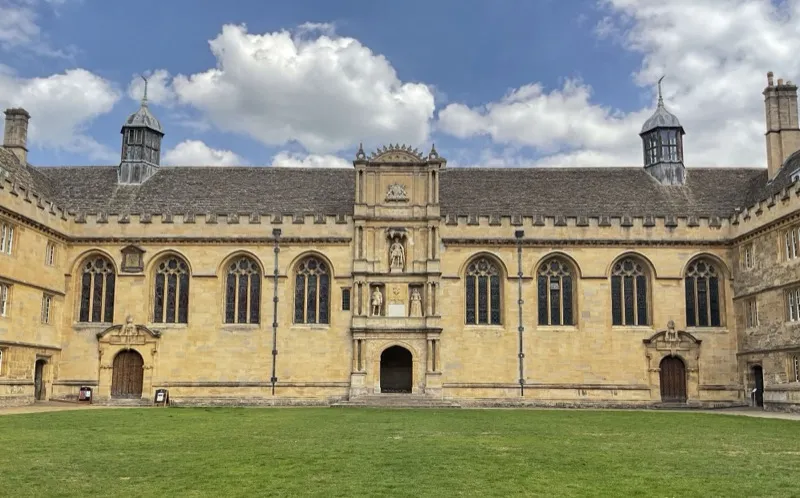
Medieval cloisters, a stretch of city wall, and a chapel with an El Greco
Oxford's choir school — tiny, musical, and tucked behind New College's medieval walls.
Oxford's social science powerhouse — architecturally divisive, intellectually formidable
Oxford's oldest royal foundation — seven centuries on a beautiful square
Norman castle (1071) and former Victorian prison — the medieval mound, St George's Tower, and 1,000 years of overlapping use.
The 13th-century defensive ring around medieval Oxford — best-preserved in the gardens of New College.
The Catholic parish church for central Oxford — completed in 1875 as a Jesuit foundation, taken over by the Birmingham Oratory in 1990, with a shrine to St John Henry Newman, restored Pippet murals, and a parish history that includes Gerard Manley Hopkins.
Dinosaurs, dodos, and Darwin's legacy — all under a Gothic Revival iron-and-glass roof.
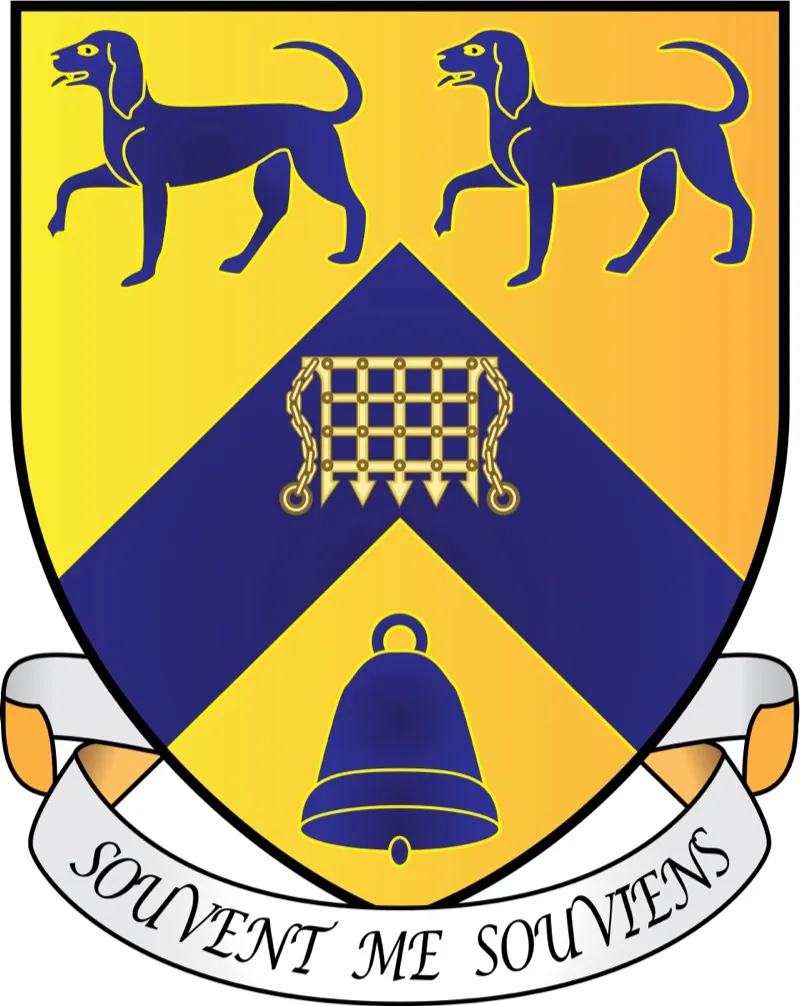
Samuel Johnson's college — quietly handsome, just off St Aldate's
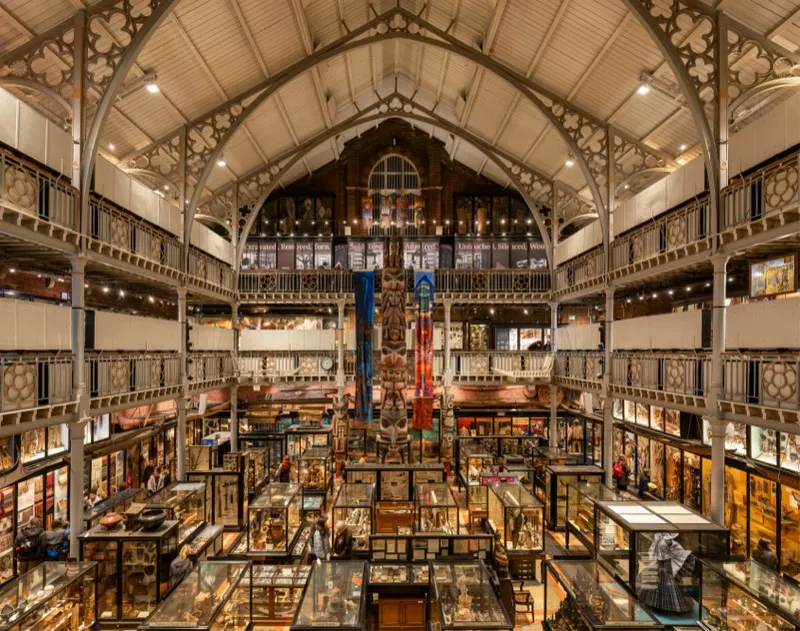
A Victorian cabinet of curiosities — shrunken heads, totem poles, and half a million objects from every culture on earth.
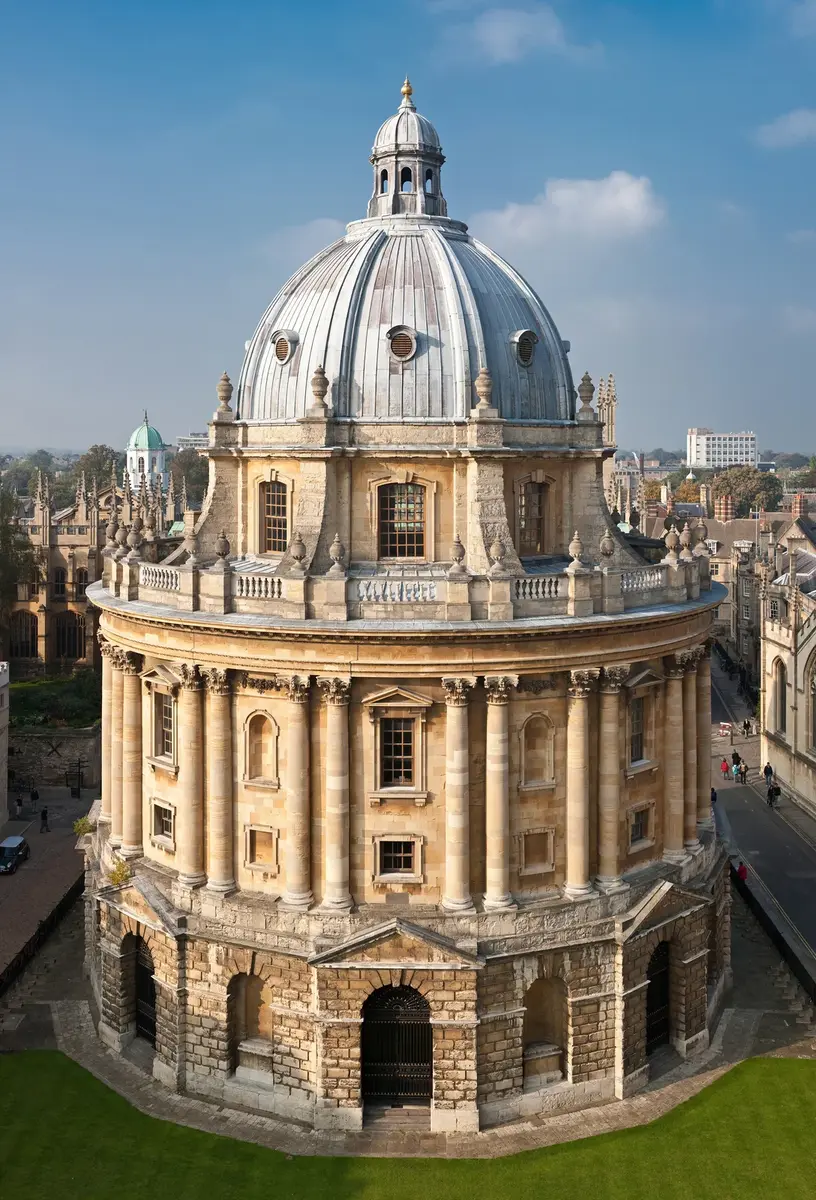
James Gibbs's English Palladian rotunda (1749) — the first circular library in the country and the most photographed building in Oxford.
A tiny Baptist hall on St Giles' — small and friendly
Rye St Antony merged with Headington School in 2024 to form Headington Rye Oxford.
Wood-fired sourdough pizza in the Covered Market — a sister business of Church Hanbrewery, with a long communal counter and a separate 'Pizza in the market' takeaway hatch.
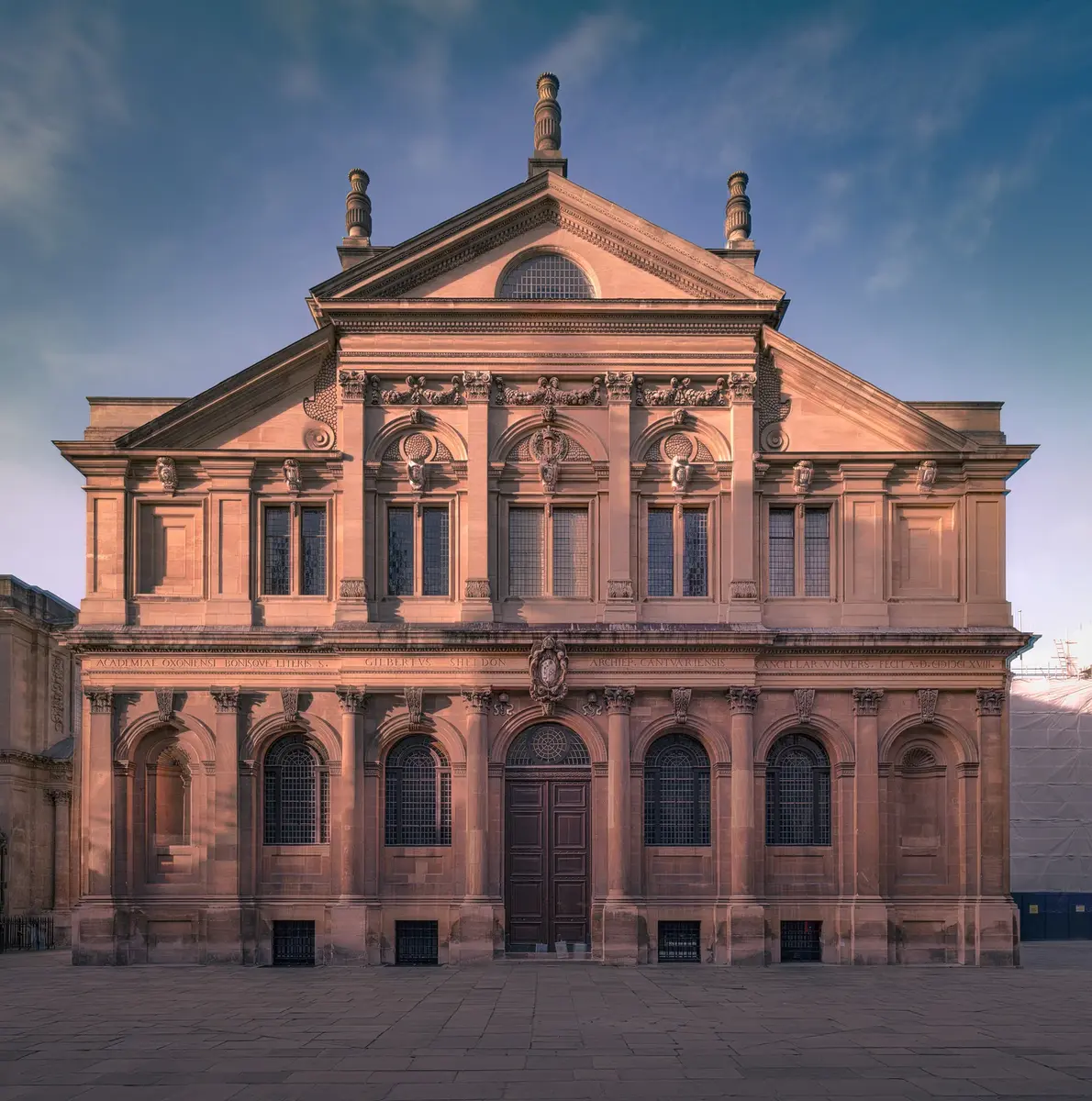
Sir Christopher Wren's first major building (1668) — the University's ceremonial assembly hall, with a painted ceiling and a viewing cupola.
A pioneering women's college — alumni include Thatcher, Sayers, and Indira Gandhi
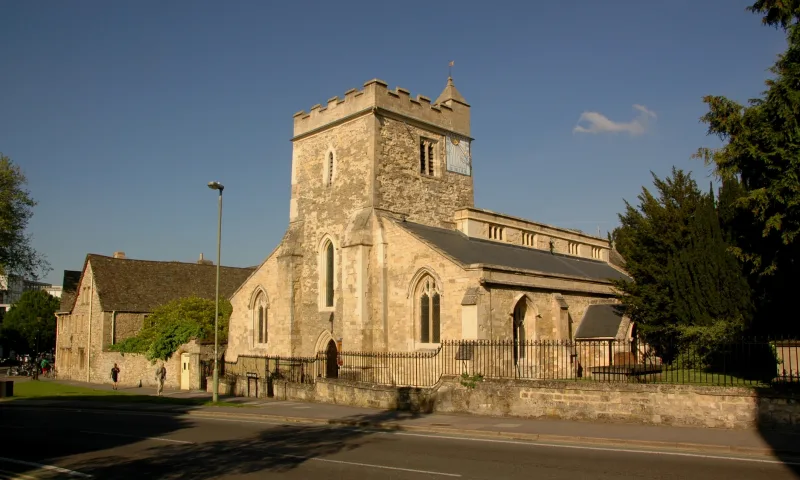
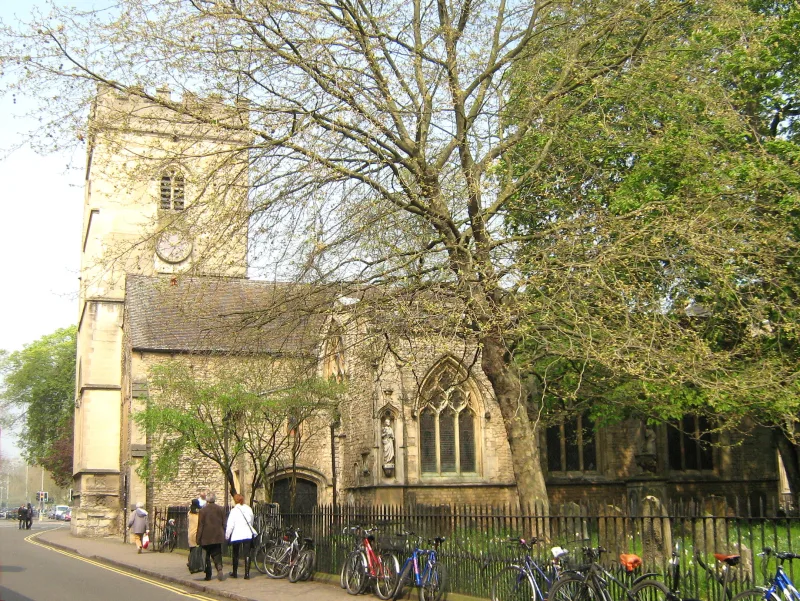
The 12th-century parish church opposite [Christ Church](/places/colleges/christ-church/) and next door to [Pembroke College](/places/colleges/pembroke/) — Saxon roots, a 13th-century tower rebuilt in 1873, and a glass vestibule opening onto St Aldate's.
A modernist campus college with a strong access ethos — not a sightseeing stop
Oxford's international affairs college — impressive seminars, not impressive buildings
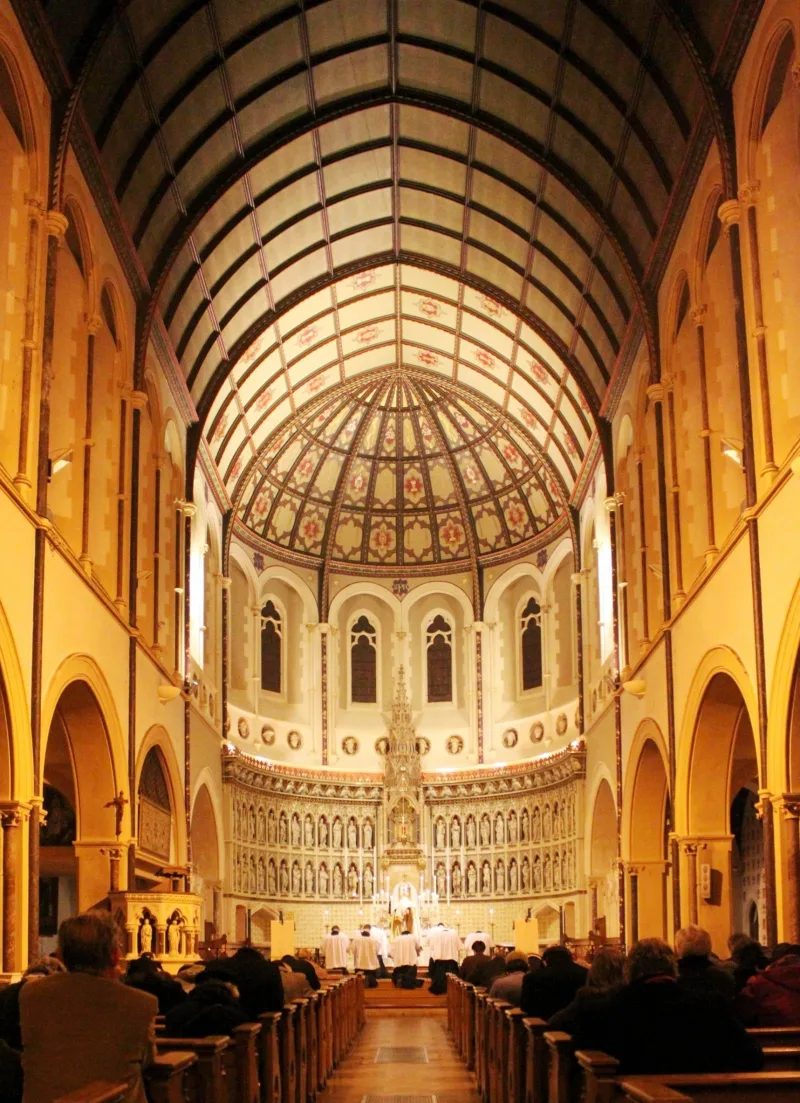
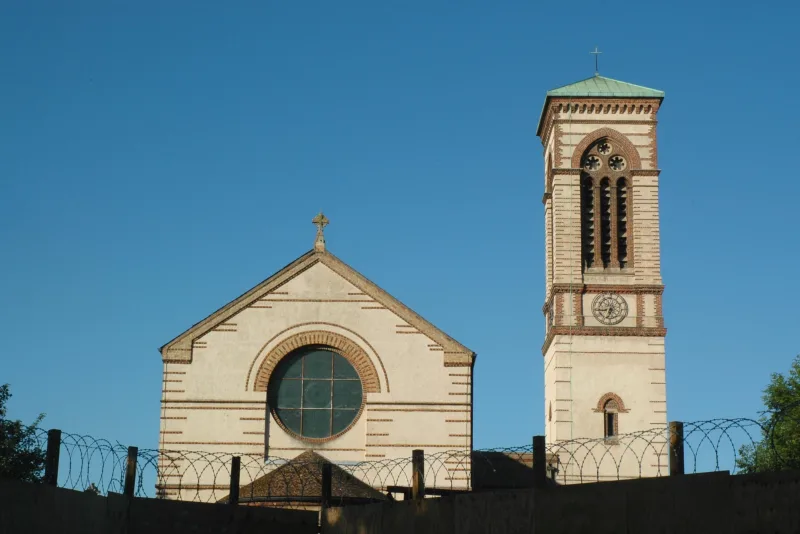
Jericho's Romanesque basilica — informally known as the 'Oxford Basilica' — built in 1869 by Sir Arthur Blomfield for Thomas Combe of OUP, modelled on San Clemente in Rome and the Ravenna basilicas, with an Italianate campanile visible across the canal.
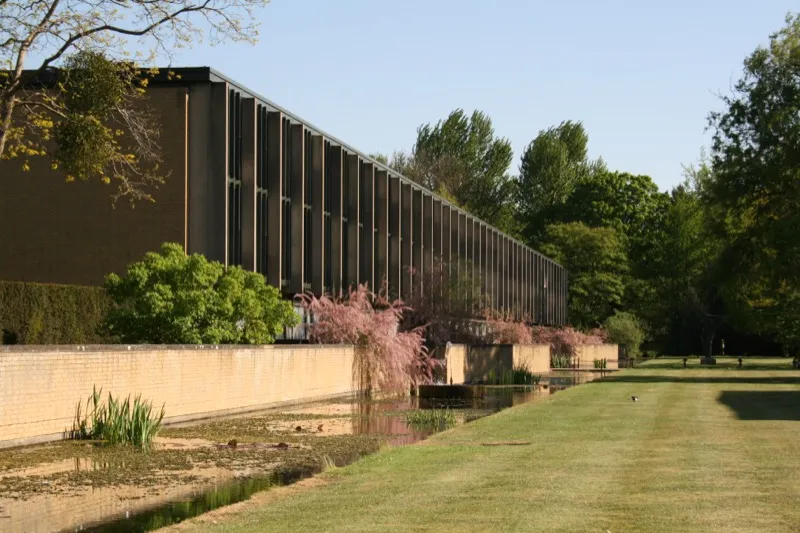
Designed by Arne Jacobsen — a complete modernist campus with sculpture gardens by the Cherwell
A Grade I-listed Norman parish church on St Cross Road, closed in October 2008 and reopened in 2011 as Balliol College's Historic Collections Centre — and the church where, in fiction, Lord Peter Wimsey married Harriet Vane.
A small graduate college sharing the Grade II-listed Pusey House on St Giles'
The oldest academic hall in any university — 800 years in a tiny quad off Queen's Lane
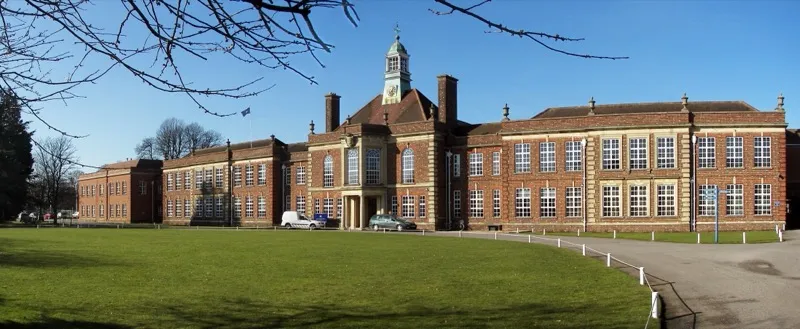
Known as 'Teddies' — a proper boarding school with a surprisingly warm, unpretentious culture.
The Norman parish church at the northern head of St Giles', finished in 1120 and consecrated in 1200 by St Hugh of Lincoln — the consecration that gave Oxford [St Giles' Fair](/places/streets/st-giles/).
A day school for girls in Abingdon — strong academics, partnership with Abingdon School.
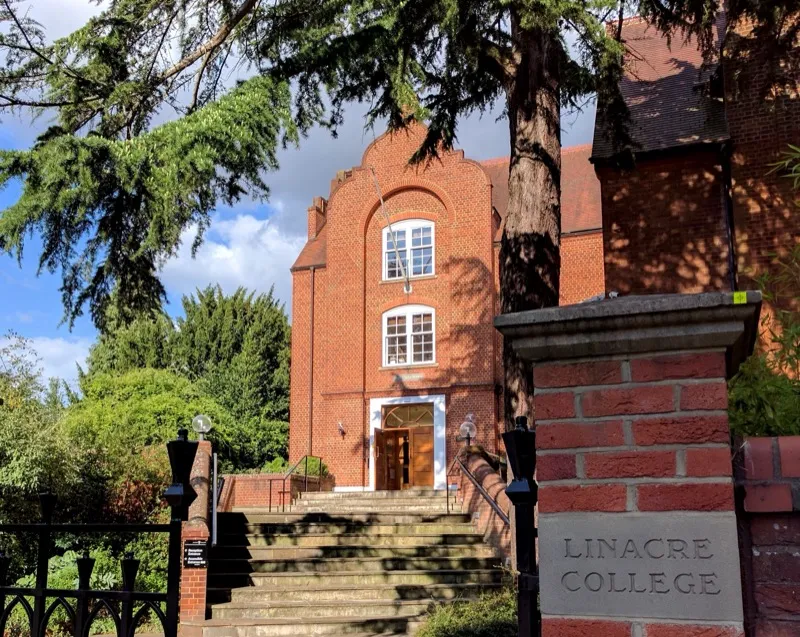
Oxford's last single-sex college (until 2008), with Cherwell riverside gardens
14 acres of gardens in North Oxford — one of the largest college grounds in the university
A country prep school with a loyal following — rural setting, strong boarding tradition.
Oxford's wealthiest college — Canterbury Quad, large gardens, and serious money
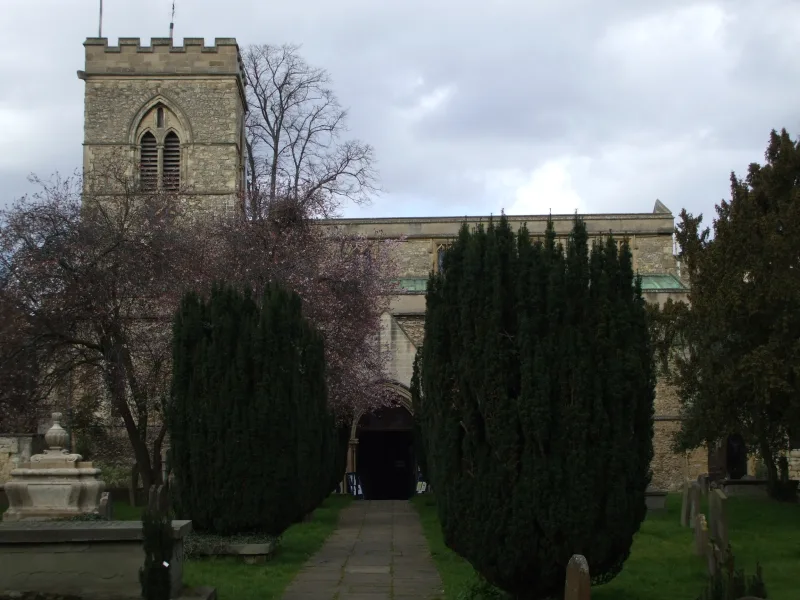
A Grade I-listed ancient parish church on Magdalen Street, with Saxon origins, work by Saint Hugh of Lincoln in 1194, and Oxford's first Gothic Revival interior — George Gilbert Scott's 1841 Martyrs' Aisle, complementing the [Martyrs' Memorial](/places/landmarks/martyrs-memorial/) immediately to the north.
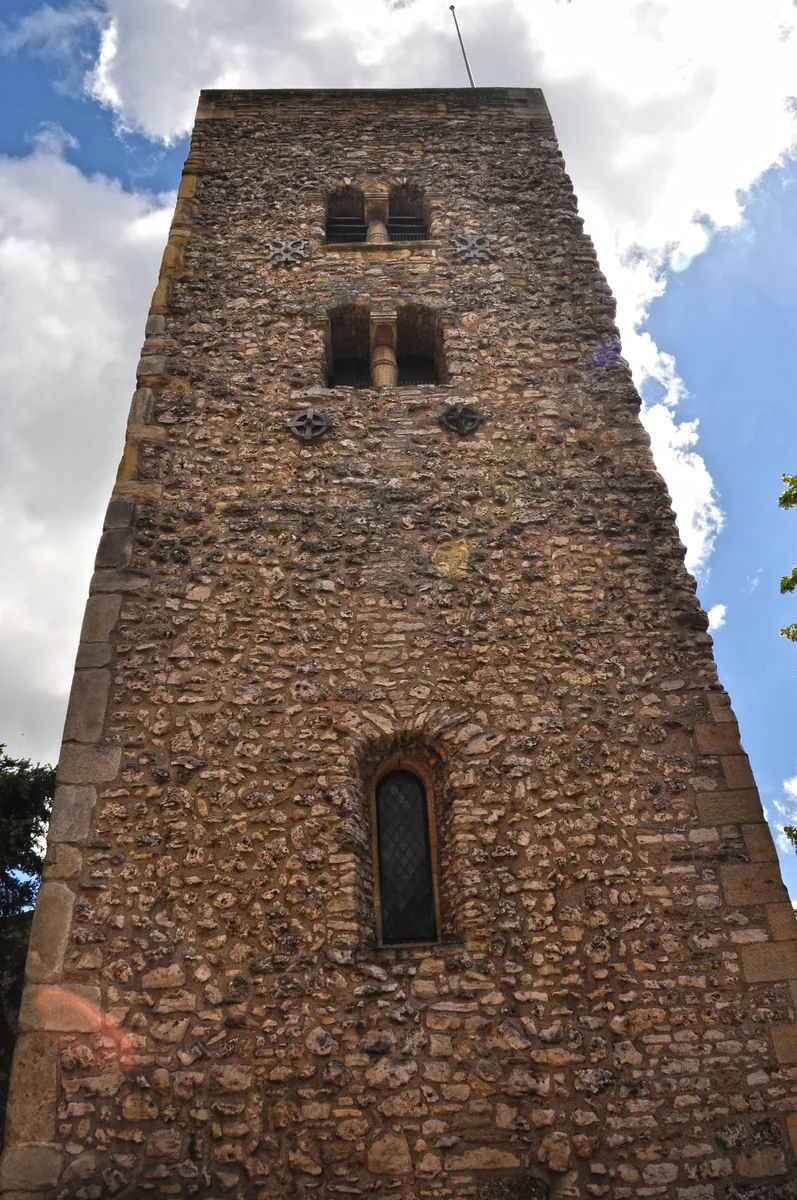
The Anglo-Saxon tower at the head of Cornmarket — c.1040, the oldest standing building in Oxford. The Bocardo Prison cell door behind which Cranmer, Latimer and Ridley were held in 1555-56 is preserved in the tower.
A 12th-century church on Queen's Lane, deconsecrated in the 1970s and now the library of [St Edmund Hall](/places/colleges/st-edmund-hall/) — with a small garden churchyard, a bronze statue of St Edmund as an impoverished student, and a Domesday Book mention from c.1085.
A young college on an ancient site — unassuming but well located near the castle
A traditional boys' prep school with a strong record of scholarships to Eton and Winchester.
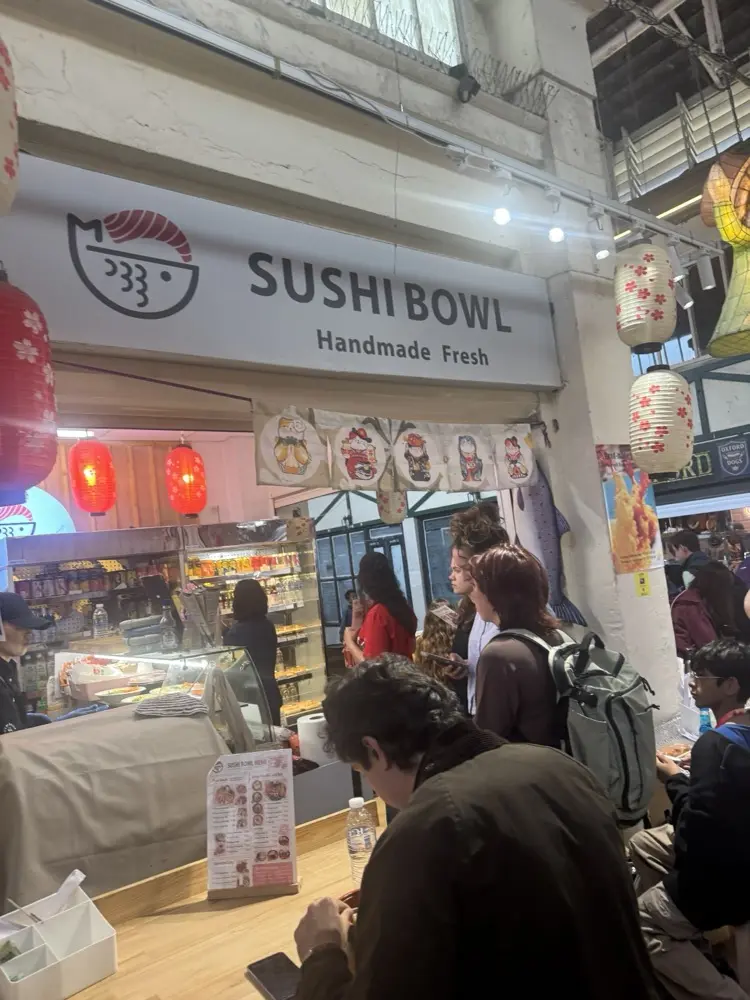
Handmade-fresh sushi counter in the Covered Market — paper lanterns over the door, photo menus in the window, takeaway boxes from the cabinet.
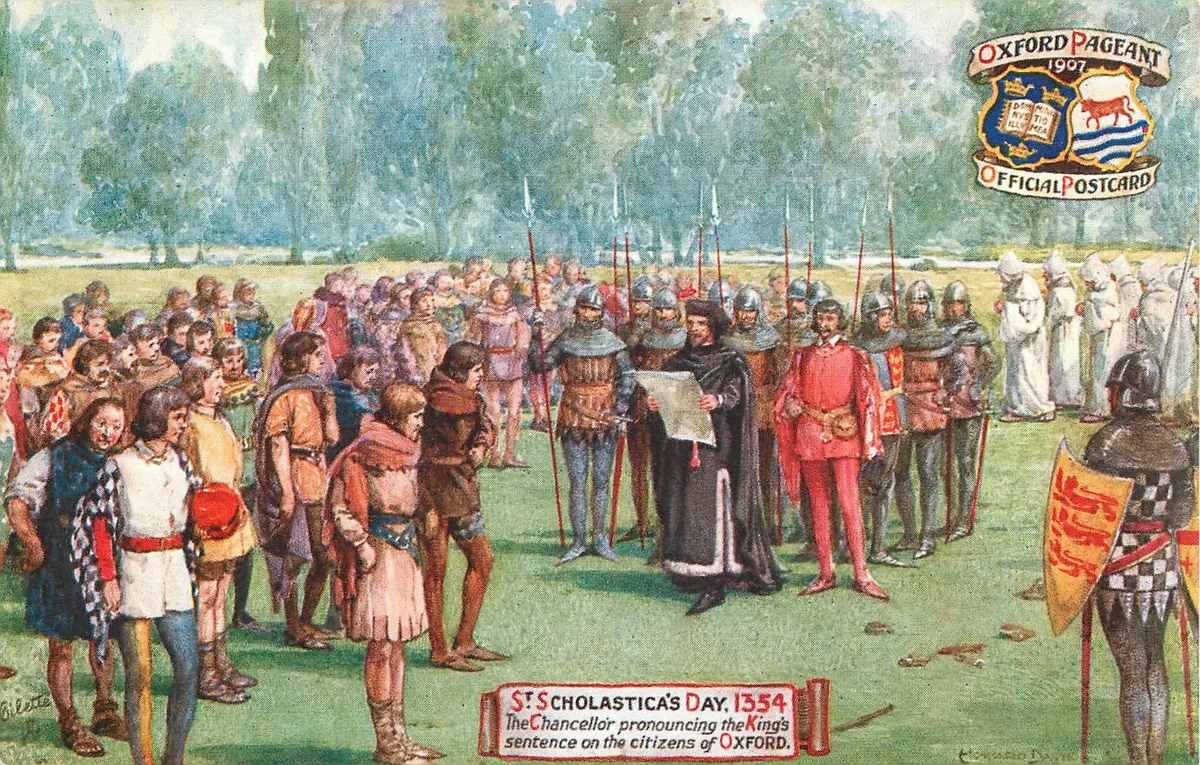
On 10 February 1355 two students complained about the wine at the Swindlestock Tavern at Carfax. Three days later, ninety-three people were dead — and the university had supremacy over the town for the next 470 years.
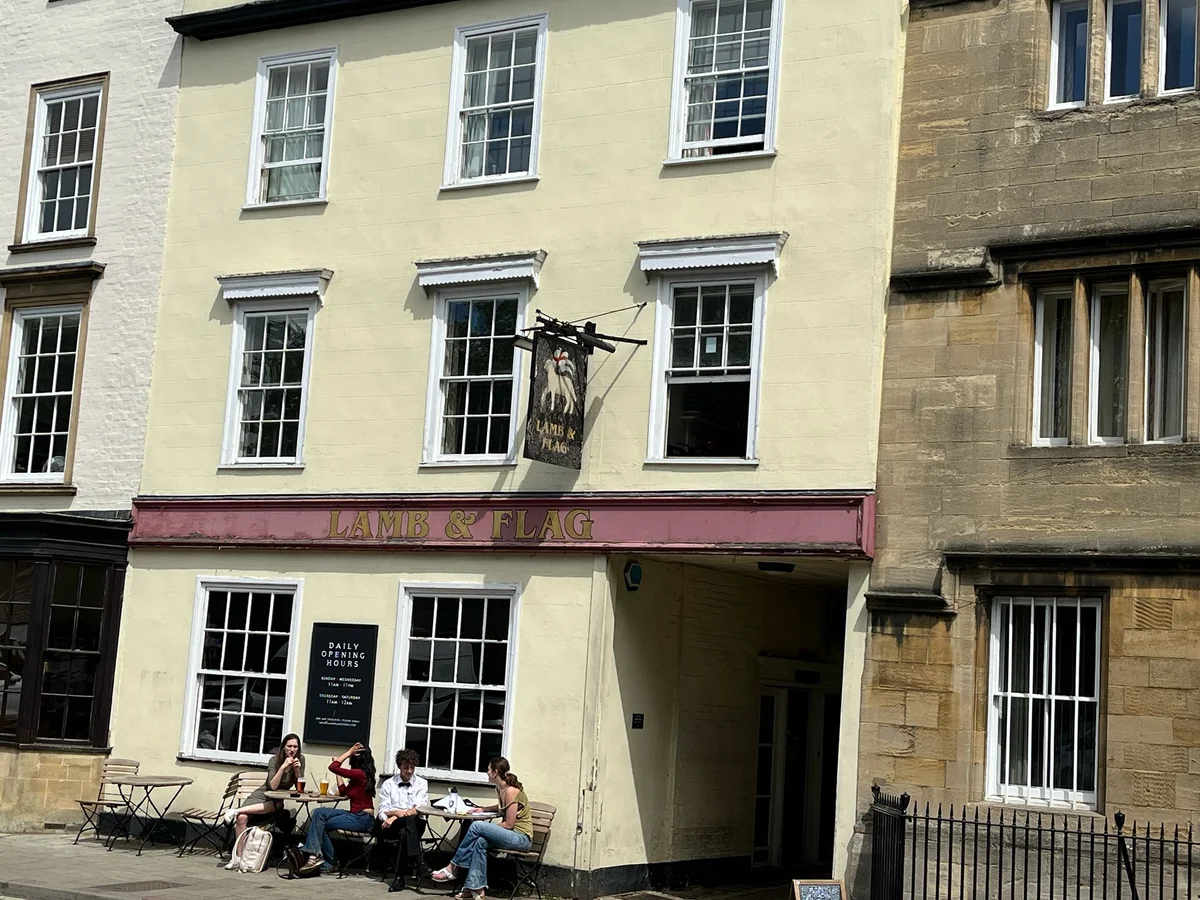
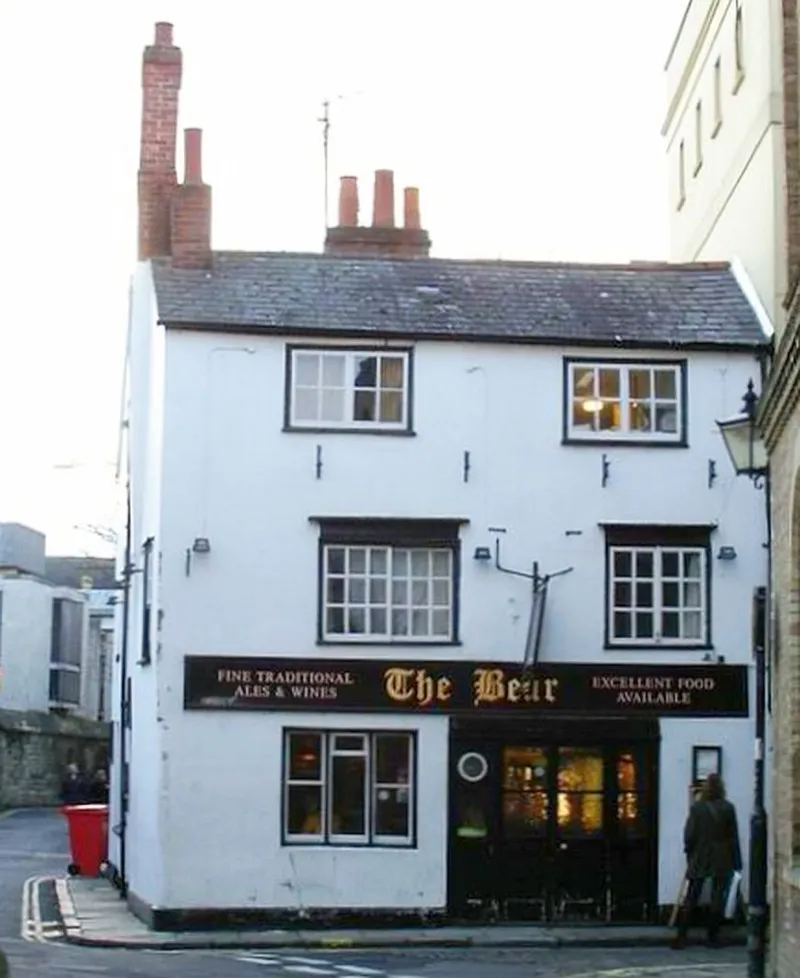
Oxford's oldest pub — famous for its tie collection and recently expanded into a larger space.
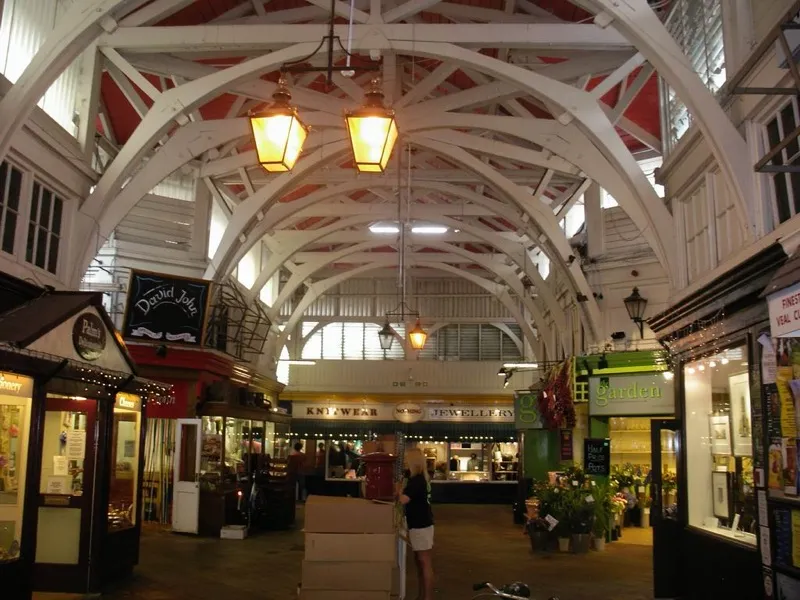
Oxford's beating heart since 1774 — over 50 independent stalls under one historic roof.
A well-known co-ed prep school in North Oxford — large campus, broad curriculum, strong alumni network.
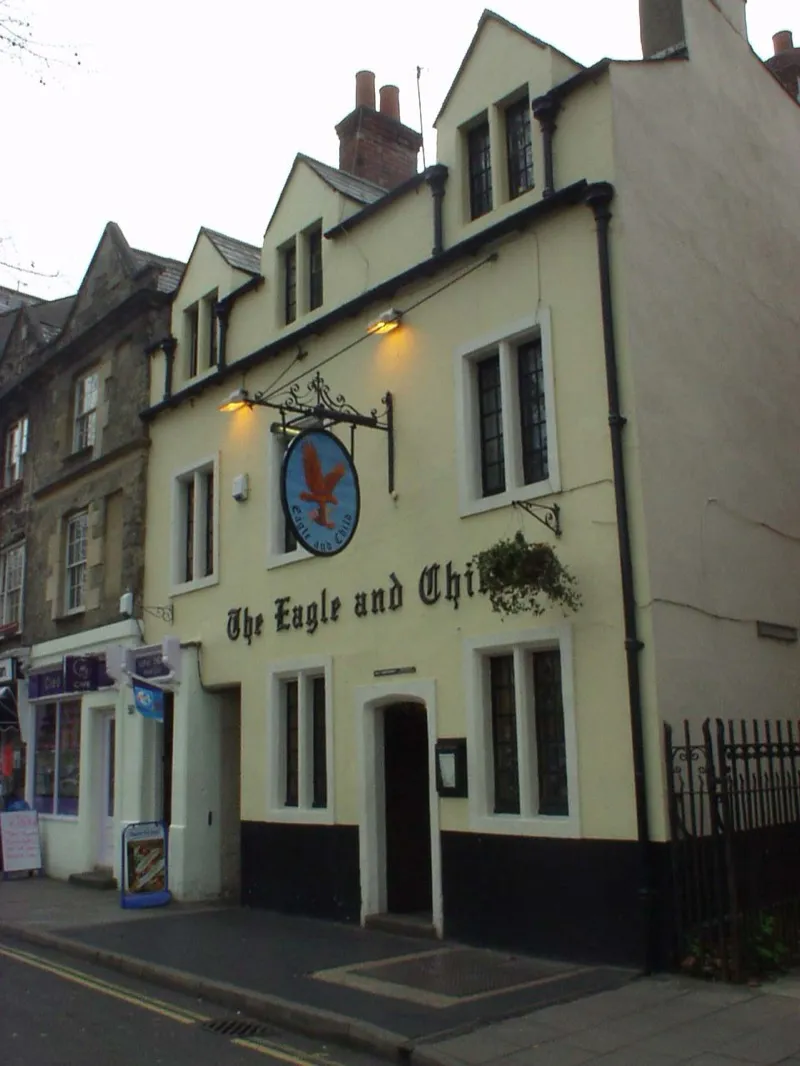
Where the Inklings met — Tolkien and Lewis's local on St Giles'.
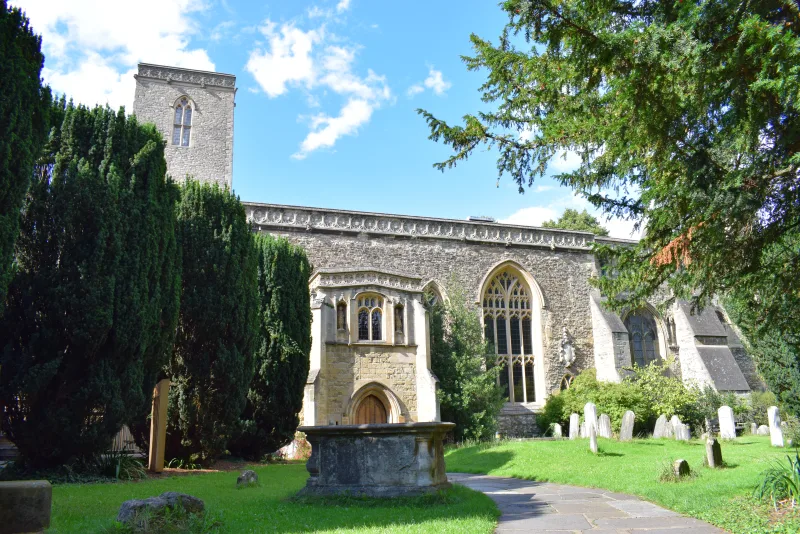
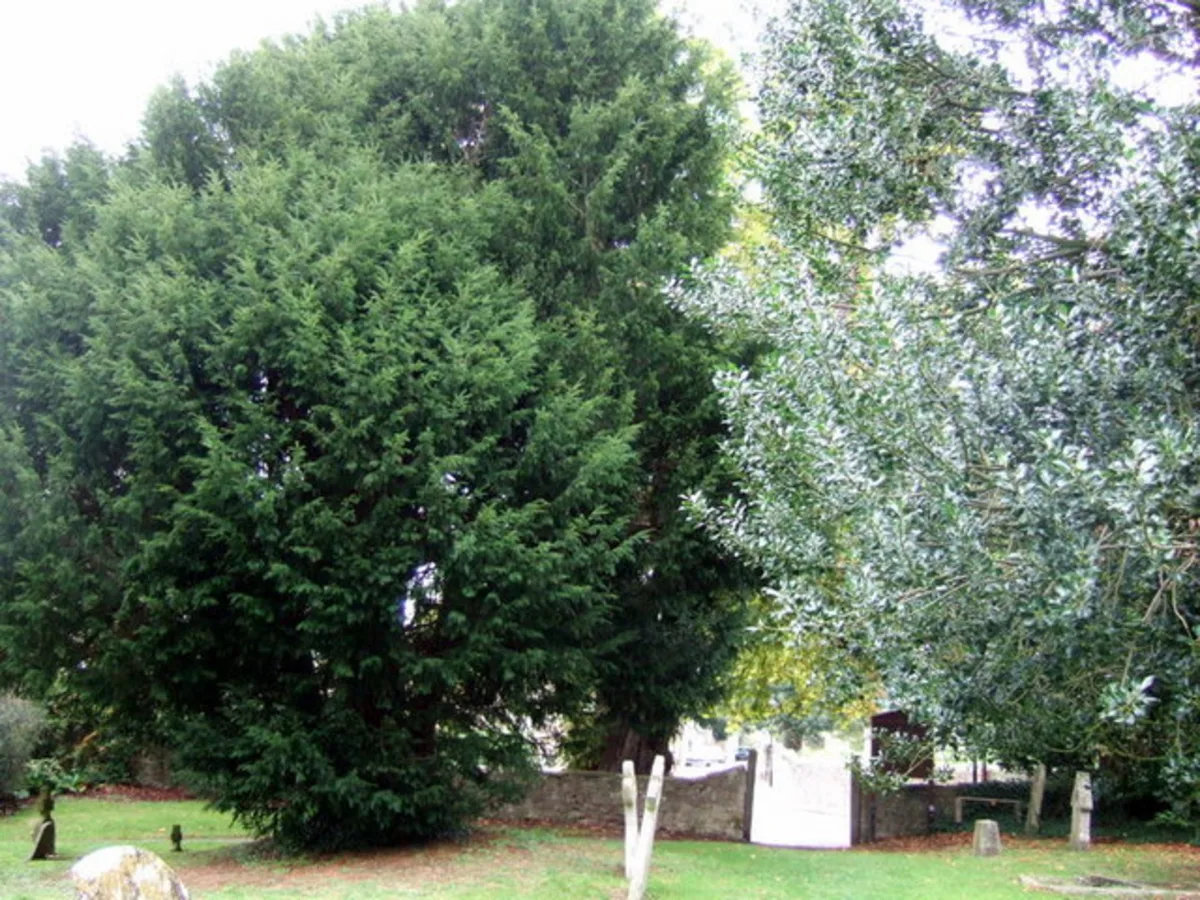
An ancient yew at the entrance to one of England's finest Norman churches — paired inside by John Piper's Tree of Life and Roger Wagner's Flowering Tree windows.
The pub where Radiohead played their first gig — Oxford's main small live music venue.
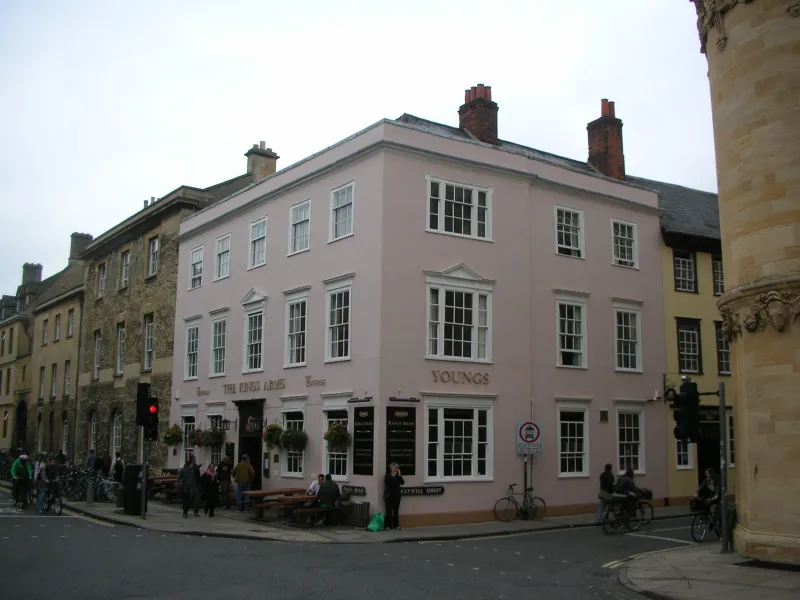
Oxford's quintessential student pub — Young's ales on Holywell Street, opposite the Bodleian.
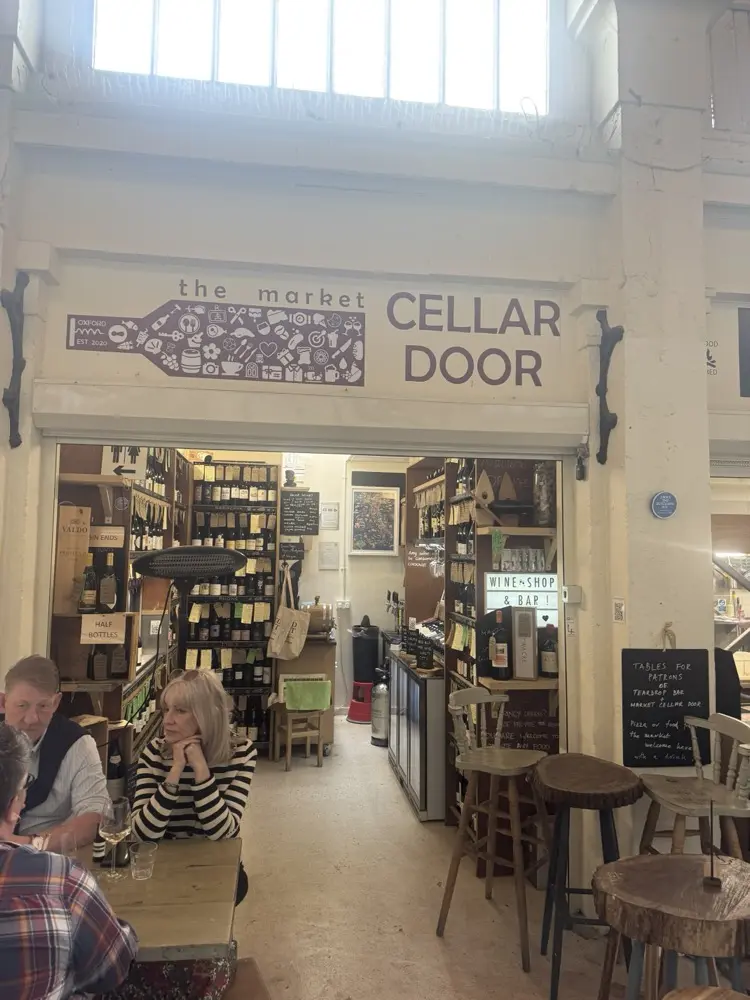
Wine-focused bottle shop and tasting bar in the Covered Market — a joint venture between Eynsham Cellars and the adjacent Teardrop Bar, with around 250 bottles and six wines on tap.
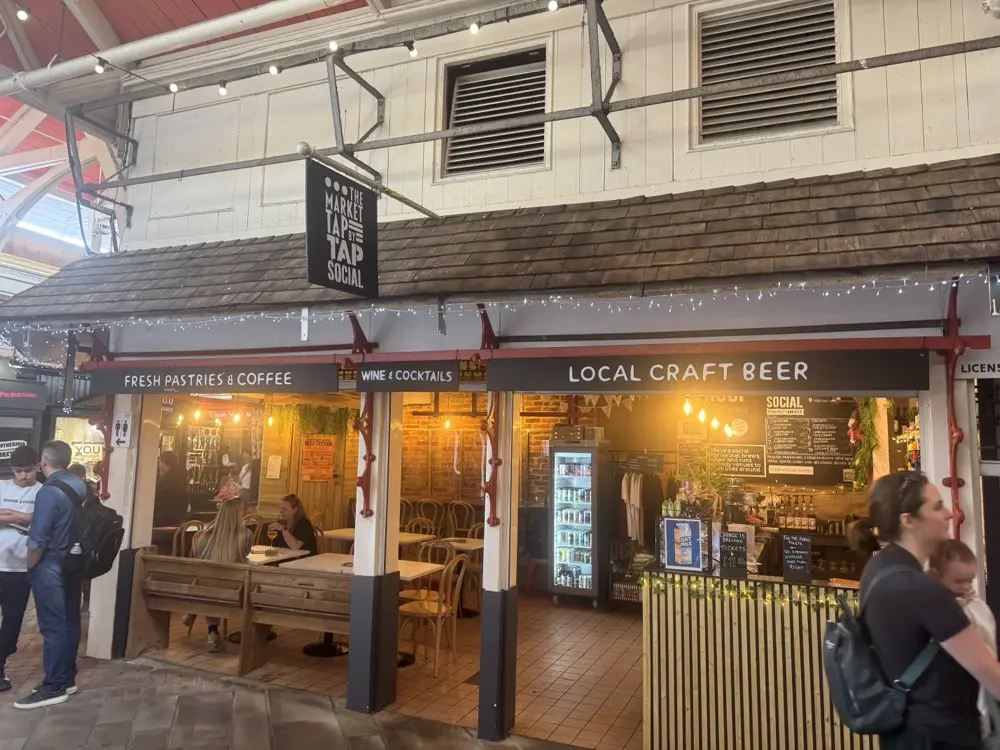
Café, bar and bottleshop in the Covered Market's central courtyard, run by Oxfordshire social enterprise Tap Social Movement — fresh pastries and coffee, eight craft beers on draught, and a curated wine and cocktail list.
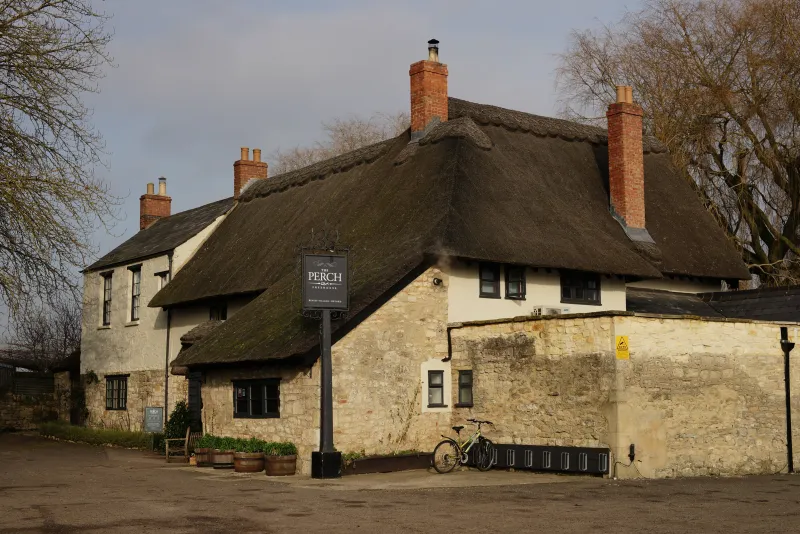
A thatched riverside pub reached via a walk across Port Meadow.
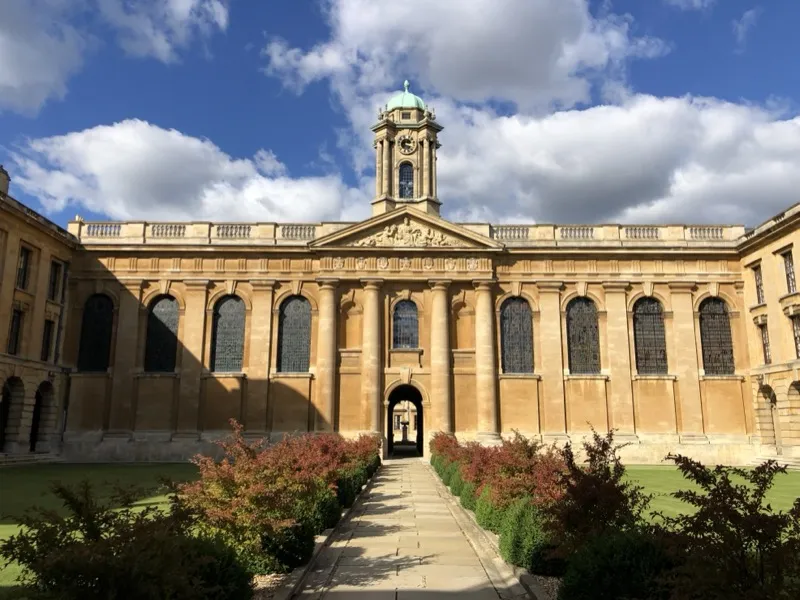
A baroque showpiece on the High Street — Oxford's only fully classical college
North Parade's anchor pub — a proper local where the landlord knows every regular by name.
Inspector Morse's local, perched over a weir on the Thames at Wolvercote — come for the view, stay for the atmosphere.
A well-hidden pub, tucked down a medieval alleyway behind the Bodleian.
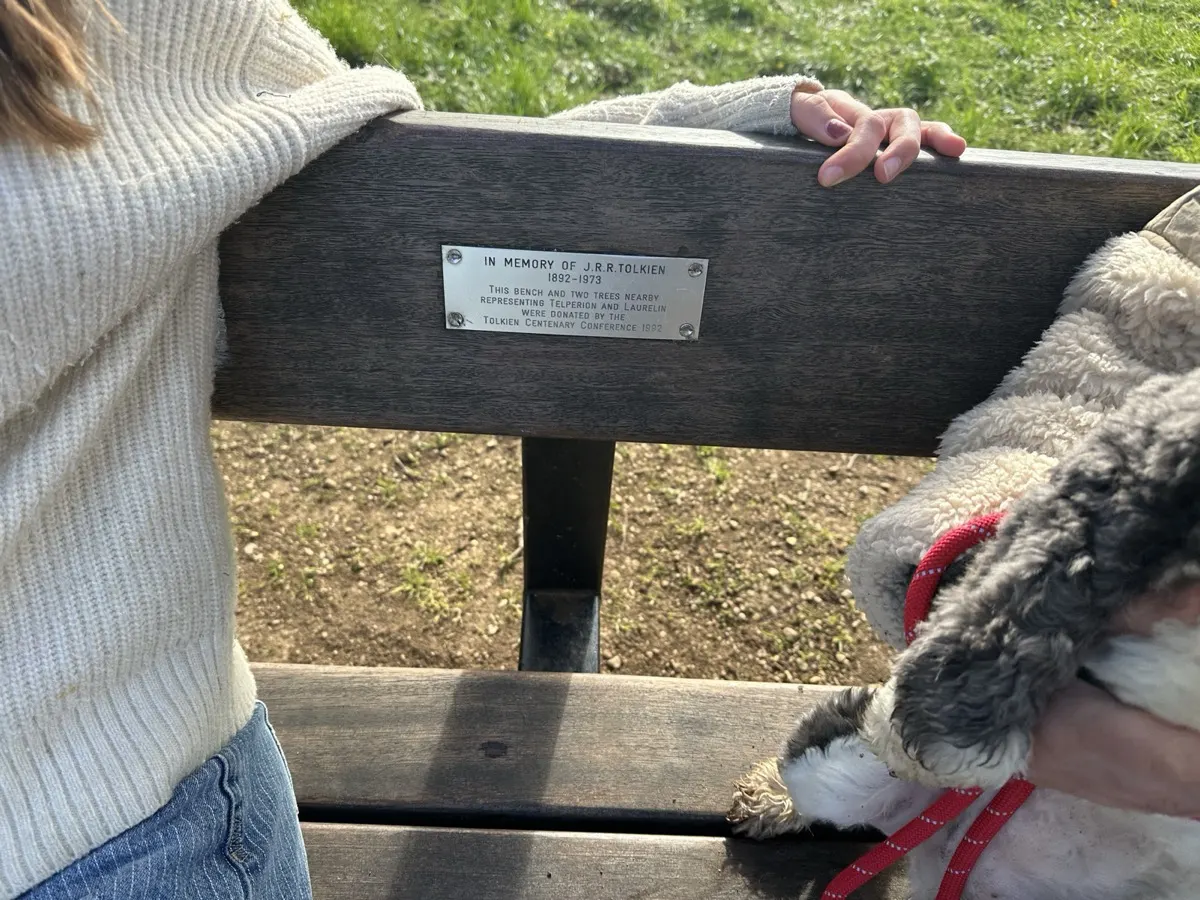
A brass-plaqued bench in University Parks, dedicated to J.R.R. Tolkien (1892–1973) by the Tolkien Centenary Conference in 1992 — accompanied by two trees said to represent Telperion and Laurelin, the Two Trees of Valinor.
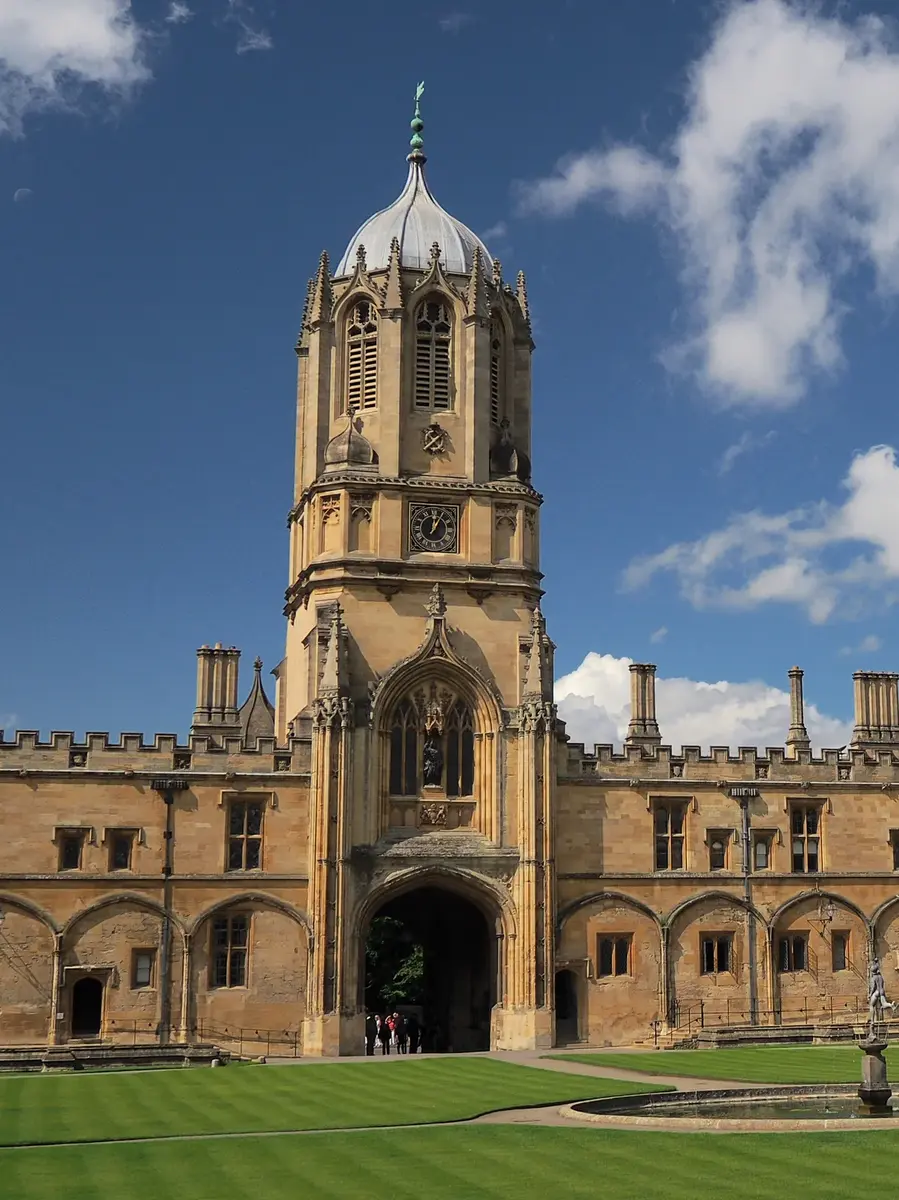
Sir Christopher Wren's Gothic-revival gatehouse tower at Christ Church (1682) — home of Great Tom, the bell that still rings 101 times every night.
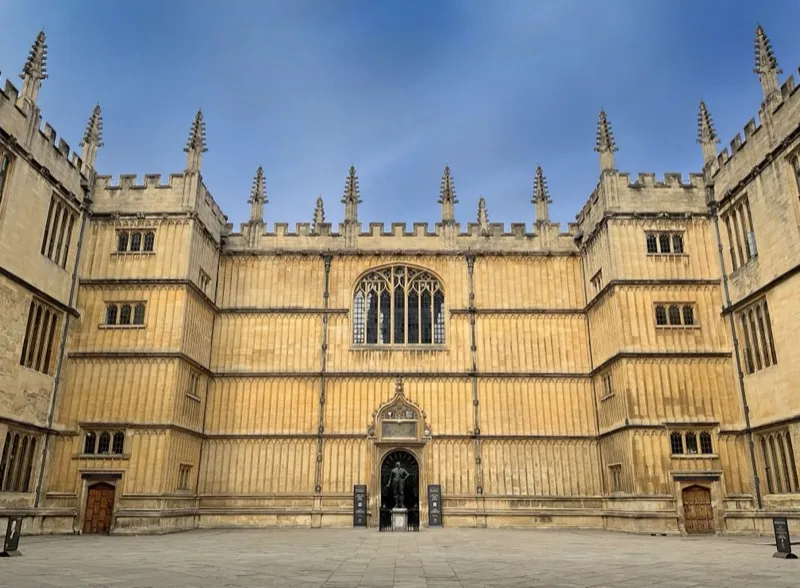
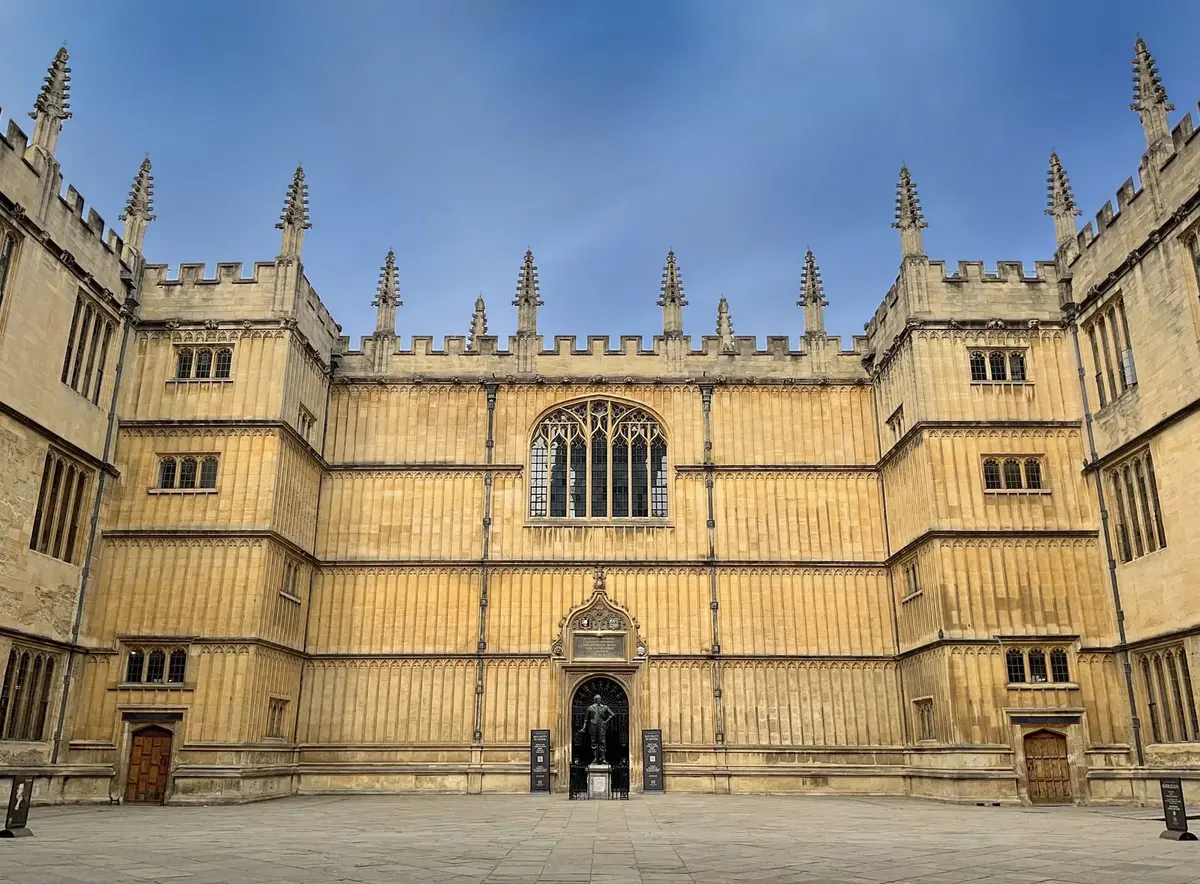
The Jacobean entrance tower of the Bodleian — a single building demonstrating all five classical orders, stacked vertically.
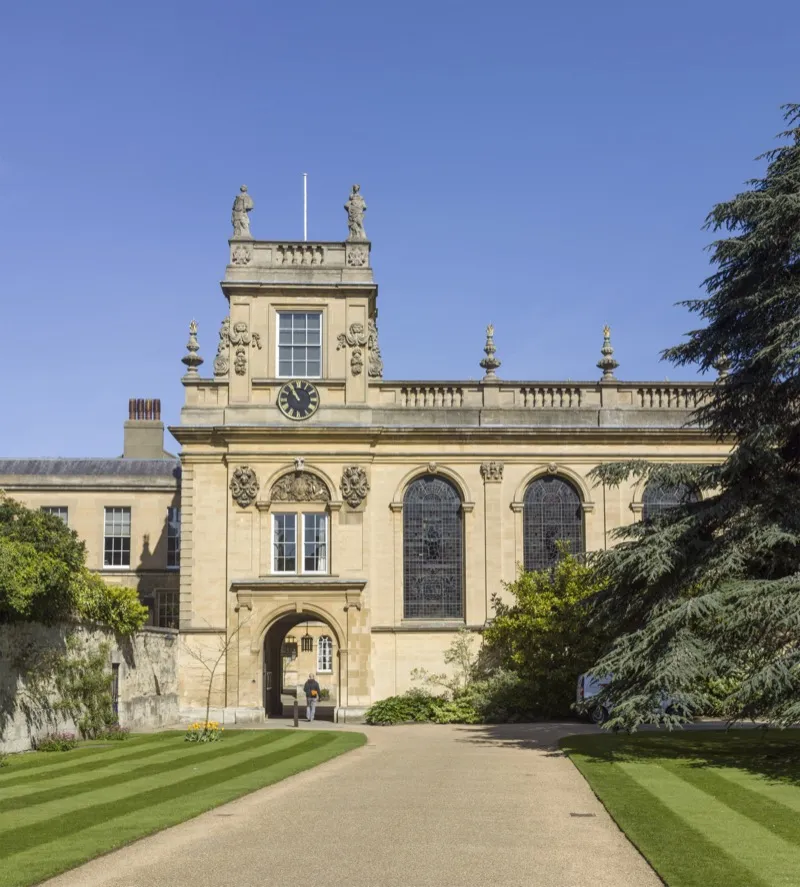
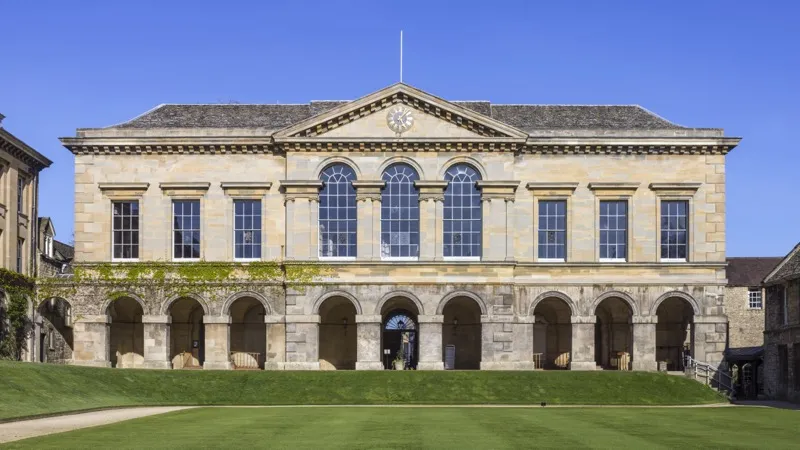
Spacious gardens and a Wren chapel on Broad Street — often overlooked
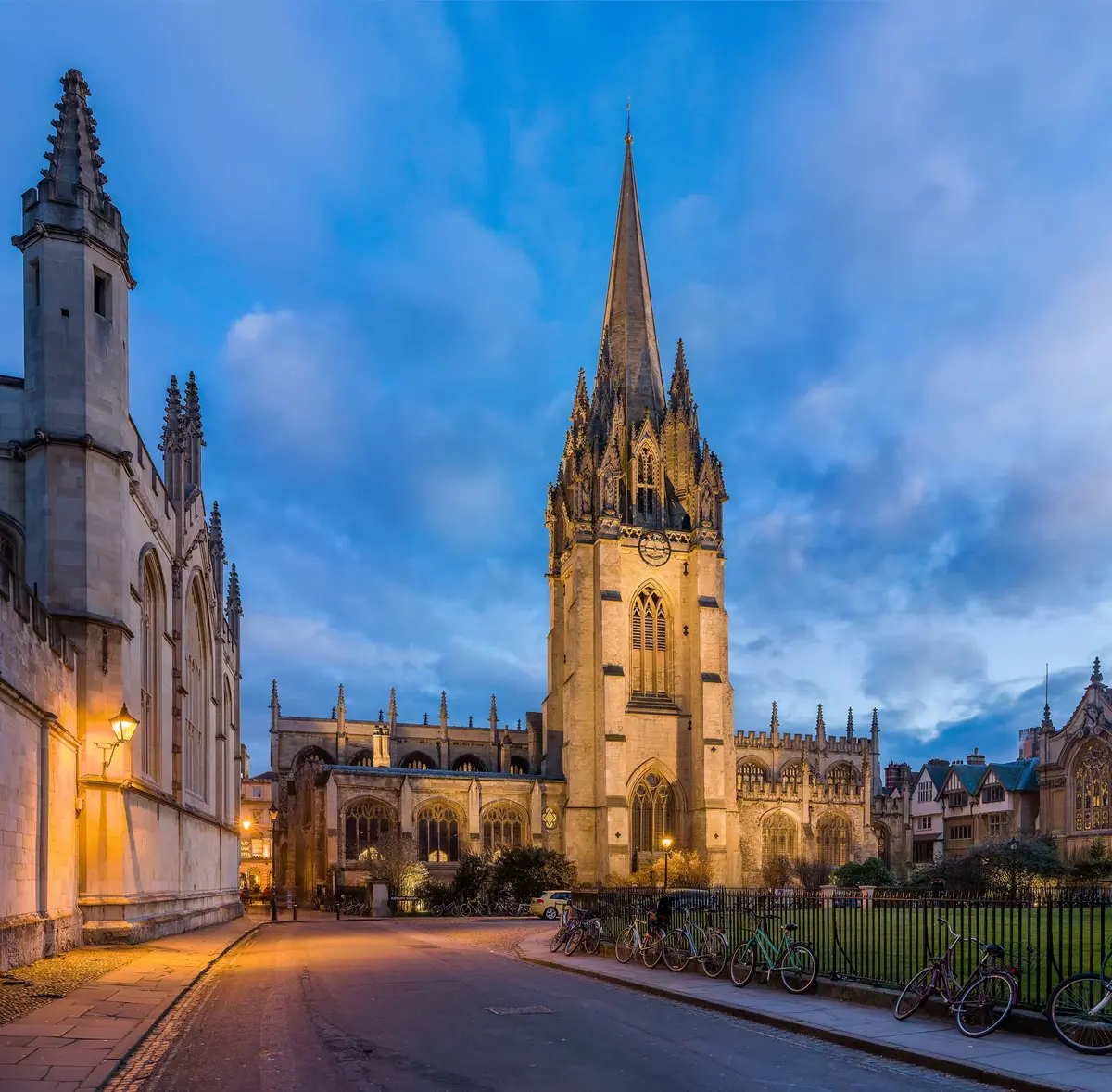
The University's church on the High Street, with one of the best tower views in Oxford and a 13th-century spire.
Possibly Oxford's oldest college — Shelley's memorial and a long High Street facade
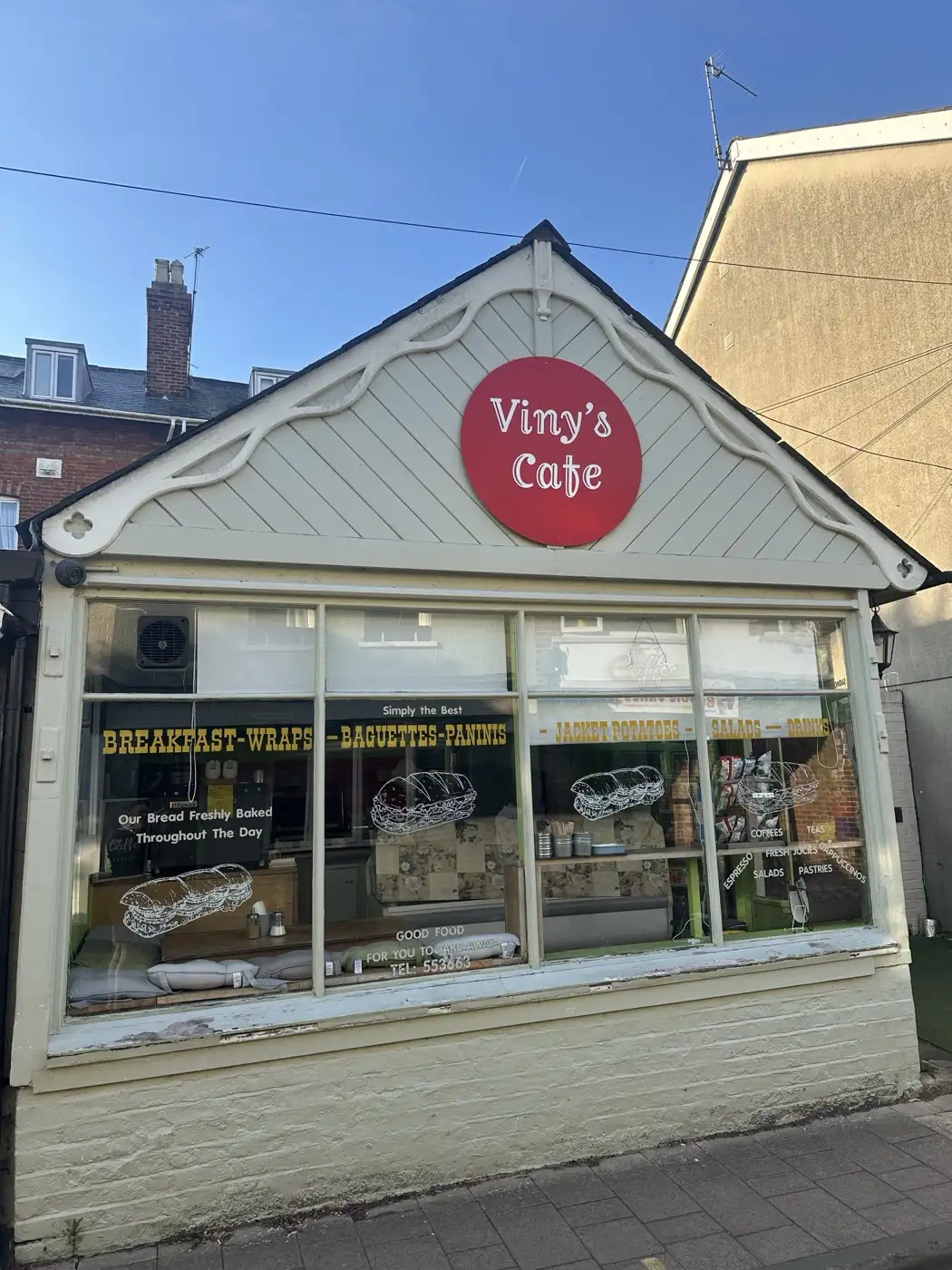
A no-frills sandwich cafe on North Parade — breakfast wraps, baguettes and paninis with bread baked through the day.
A well-preserved Jacobean quad, large gardens, and a progressive reputation
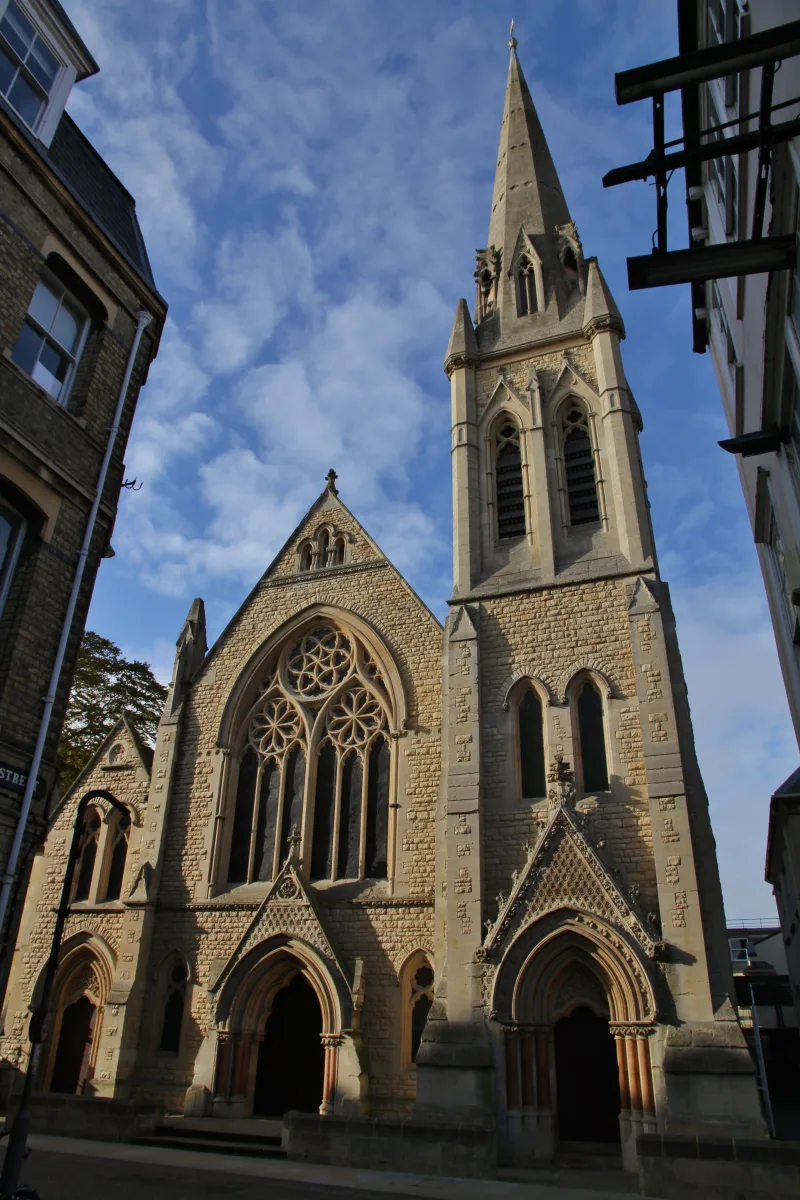
Central Oxford's Methodist church — the present Gothic Revival building was opened in 1878 by Charles Bell, on a street where John Wesley preached on 4 July 1783.
Isaiah Berlin's riverside graduate college — Powell & Moya's Grade II-listed modernist campus
City cemetery opened in 1889. The Roman Catholic section contains the grave of J.R.R. Tolkien and his wife Edith, headstone inscribed Beren and Lúthien.
A lake, medieval cottages, and large gardens — one of central Oxford's hidden landscapes
Tiny, nurturing, and deliberately different — Oxford's smallest senior girls' school.
Authentic Italian gelato in the Covered Market.
The Covered Market's greengrocer since 1952 — seasonal fruit and veg from local farms.
Broad Street's independent art supplies shop — paints, papers, and materials for working artists and students.
Loose-leaf teas and freshly roasted coffees in the Covered Market — the smell alone is worth the detour.
Specialty coffee in a medieval courtyard.
Social enterprise cafe and co-working space in Jericho.
Oxford's alternative independent — first names, no uniform, strong sixth form.
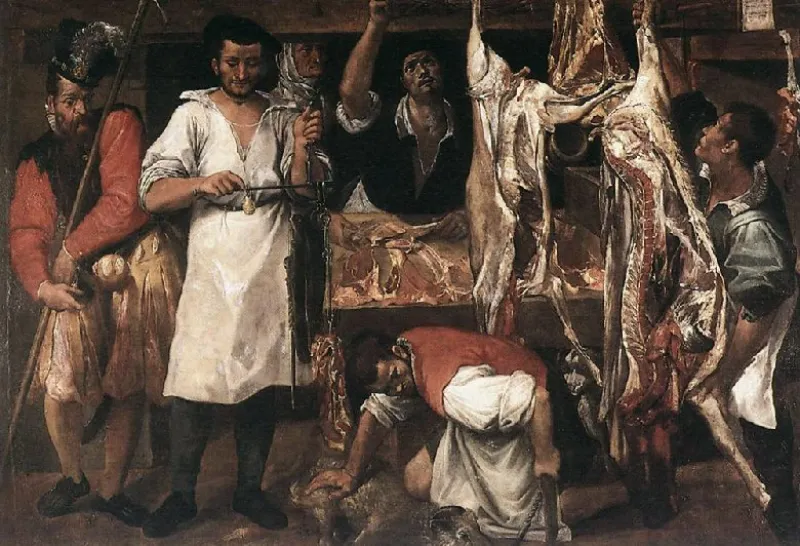
A proper traditional butcher in the Covered Market — locally sourced meat, hand-cut to order.
Opened in 1748 on a quiet lane behind New College, the Holywell Music Room is widely cited as the oldest purpose-built concert hall in Europe — and it still hosts weekly recitals.
Independent coffee from a horsebox outside the Natural History Museum.
Oxford's academic powerhouse — consistently one of the top-performing schools in the country.
Mid-century furniture, vintage homeware, and salvaged curiosities on the Cowley Road.
The GDST's Oxford flagship — academically rigorous, no-nonsense, and proudly day school.
The retail home of the world's largest university press — dictionaries, academic texts, and OUP's full catalogue on the High Street.
Independent clothing and gifts in the Covered Market — Oxford-made where possible.
Oxford's oldest working cinema — opened 1913 as the North Oxford Kinema, two screens on Walton Street in Jericho, programming arthouse, world cinema, classics and live opera relays.
Antique maps, prints, and engravings on the High Street — established 1967.
Fine pens, handmade papers, and writing instruments on Turl Street.
Oxford's International Baccalaureate specialist — global student body, liberal ethos.
The Covered Market's organic grocer — wholefood staples, fresh produce, and zero-waste refills before it was fashionable.
A well-stocked museum shop — jewellery, prints, and design objects inspired by the Ashmolean's collection.
Every type of brush imaginable — a Covered Market institution.
An independent bakery in the Covered Market — honest cakes, pastries, and bakes without the artisan price tag.
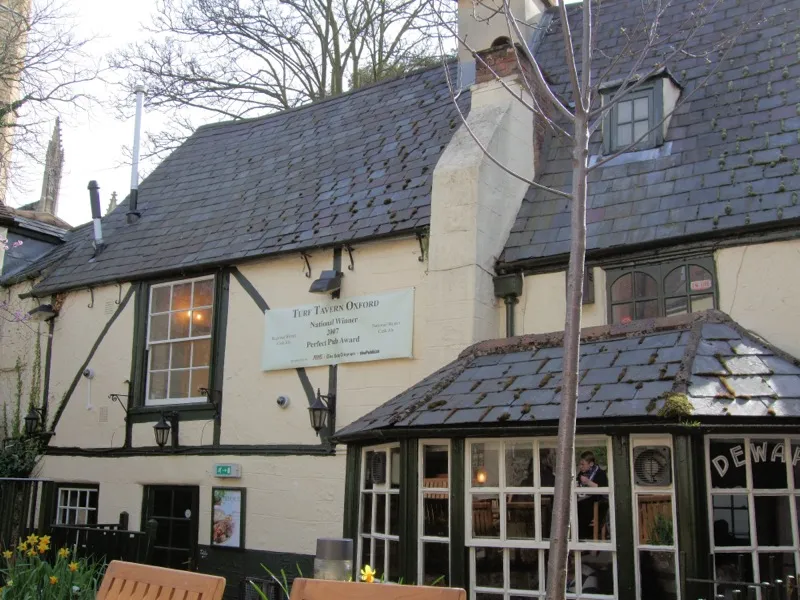
A proper pub hiding in plain sight on the High Street — the 15th-century beams are the real deal.
A big riverside pub at Folly Bridge — the terrace over the Thames is the whole point.
A proper village pub in Headington Quarry — the kind of place C.S. Lewis would have walked to, because he did.
A serious cheese counter in the Covered Market — British and European artisan cheeses, cut to order.
The Pre-Raphaelite Brotherhood's most famous fiasco — Rossetti, Morris and Burne-Jones painted Arthurian scenes onto the bare brickwork of the Union's debating hall in 1857. The paint started peeling before the work was finished.
A village green pub in Wolvercote — proper ale, proper food, properly relaxed.
A single-screen Edwardian cinema on Jeune Street off the Cowley Road — opened 1911, Grade II listed, community-owned since 2022, programming arthouse, foreign-language and cult repertory.
A tiny Broad Street pub squeezed between Blackwell's and the Bodleian — smaller than some college rooms.
Vintage clothing on the Cowley Road — rammed rails at student-friendly prices.