St Antony's College
Oxford's international affairs college, known for its seminar programme and area studies.
St Antony's is Oxford's most international college, specialising in area studies across every major world region — from Russia and Eastern Europe to the Middle East, Latin America, East Asia, and Africa. Founded in 1953 with a gift from the French-Aden merchant Antonin Besse, it operates more like a think tank than a traditional college. The Middle East Centre, the Russian and Eurasian Studies Centre, and the Latin American Centre are all housed here, and the public seminars draw senior figures from diplomacy and academia — if international politics is your thing, check the termcard.
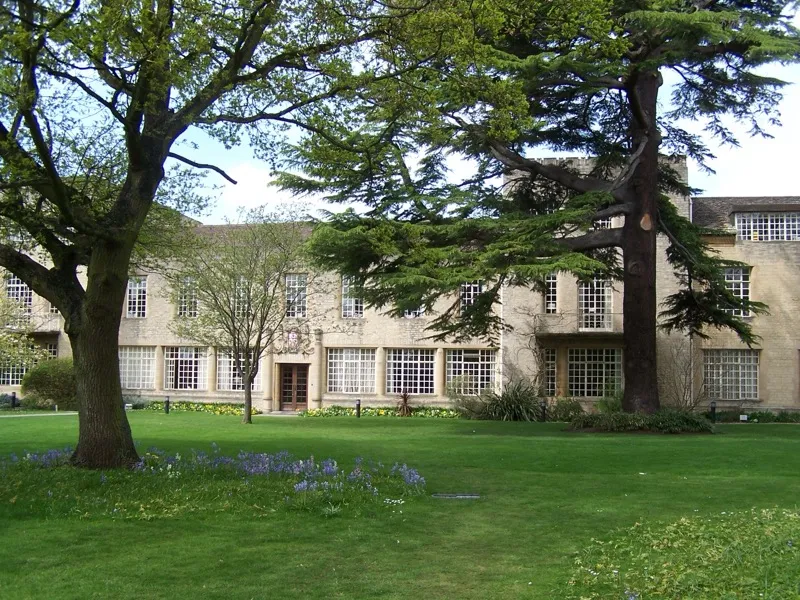
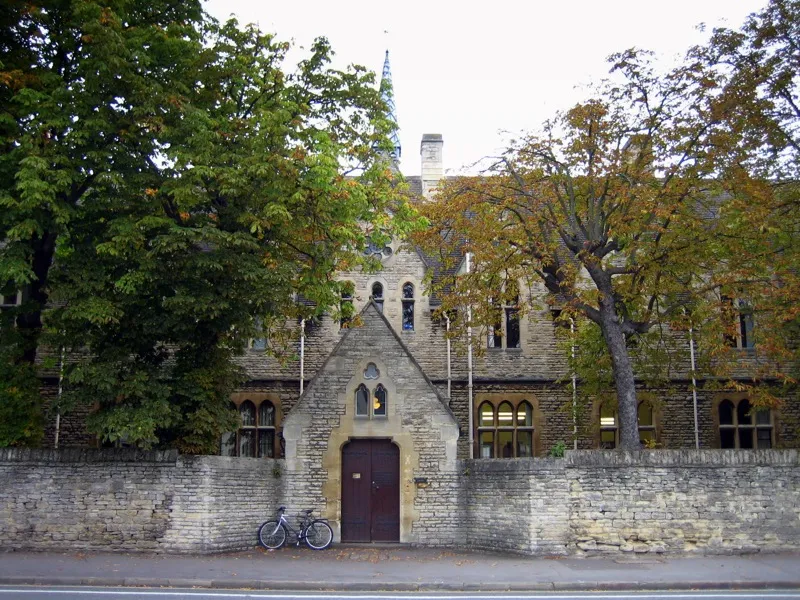
Architecturally it's a working college rather than a visitor stop: a collection of Victorian houses and modern buildings on Woodstock Road in North Oxford, without the quad-and-chapel structure of the older foundations. The Investcorp Building (2015), designed by Zaha Hadid for the Middle East Centre, is architecturally striking — a gleaming, fluid-form structure, Oxford's sole Hadid building — but it's not generally open to casual visitors.
What makes it special
St Antony's punches well above its weight in international affairs and area studies. The Hadid building is a striking piece of contemporary architecture, and the college's seminar series attracts leading figures in global politics and diplomacy. But these are reasons for academics and policy wonks, not tourists. If you're attending a seminar or lecture here, you'll find a cosmopolitan, intellectually stimulating environment. Otherwise, keep walking.
Visitor info
St Antony's is on Woodstock Road, about 15 minutes' walk from the city centre. The Investcorp Building is visible from the road and worth a look from outside for Hadid fans. The college doesn't have regular visitor hours. Check the college website for public lectures and seminars — these are the real reason to come here, and many are open to all.
Nearby
Within a few minutes' walk