Magdalen College
Extensive grounds with a deer park, river walks, and a famous tower
Visit in late February for the snake’s head fritillaries in the water meadow — it’s one of the rarest wildflower displays in Britain, and most tourists don’t know about it.
Magdalen (pronounced "maudlin," and yes, everyone gets it wrong) has the largest grounds of any central Oxford college — over a hundred acres of deer park, water meadows, and riverside walks, all inside the city. Where other colleges offer a quad and a chapel, Magdalen offers an entire landscape. It is well-endowed, academically strong, and unusually spacious.
What to look for
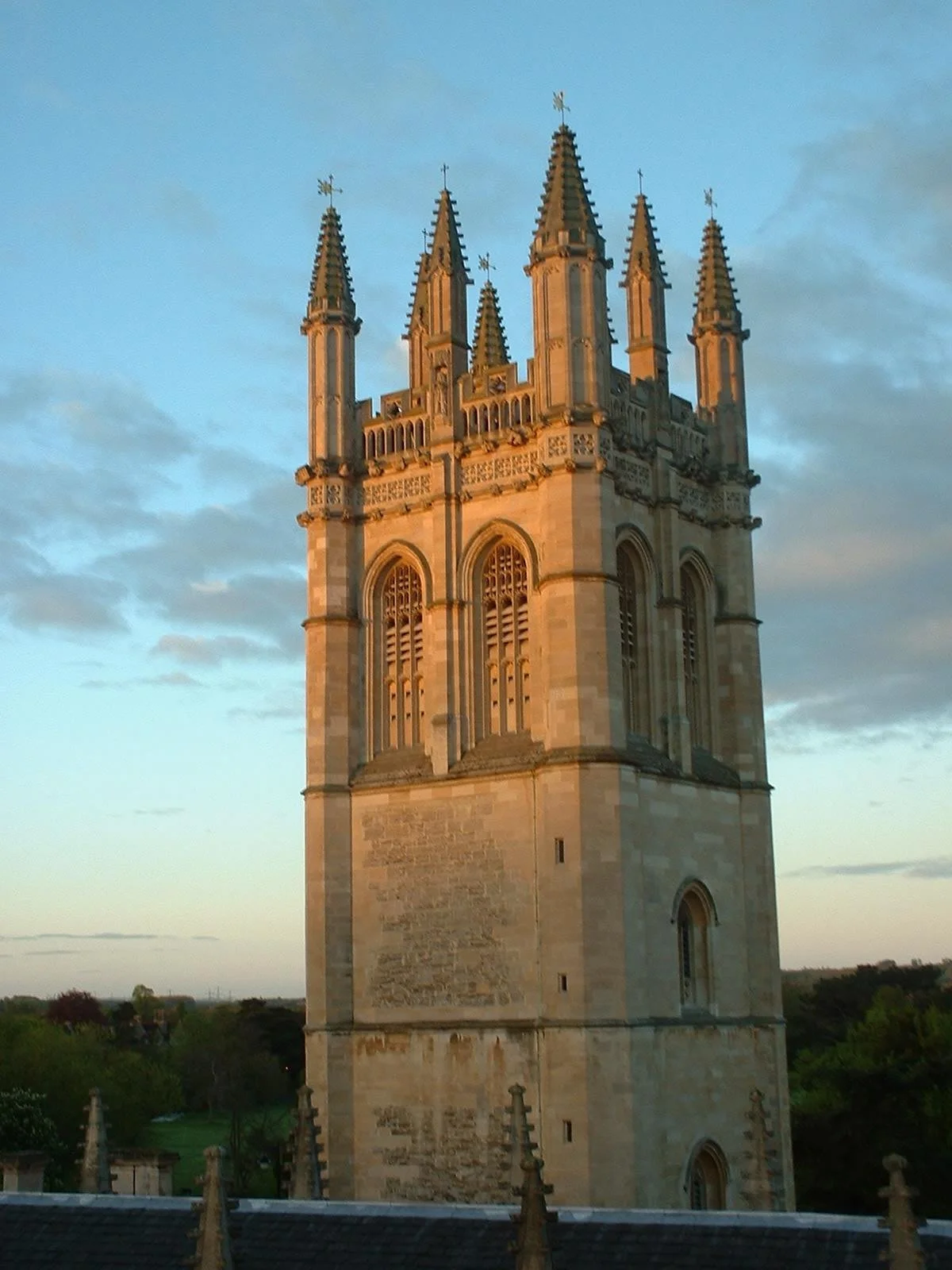
- The Great Tower — The bell tower at the entrance on the High Street is Magdalen's signature. Every May Morning at 6am, the college choir sings from the top while thousands gather on the bridge below. Outside of May Day, you can sometimes arrange to climb it — the views extend across Oxford and into the surrounding countryside.
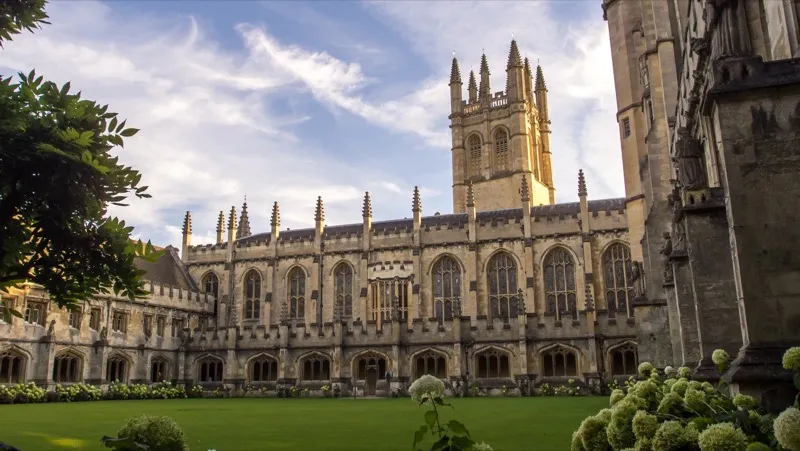
- The Cloisters and Cloister Garden — Medieval cloisters surround a quiet garden with grotesque stone figures (called "hieroglyphics" by the college, though nobody really knows what they represent). This is among Oxford's most peaceful corners, and often empty even when the rest of the college is busy.
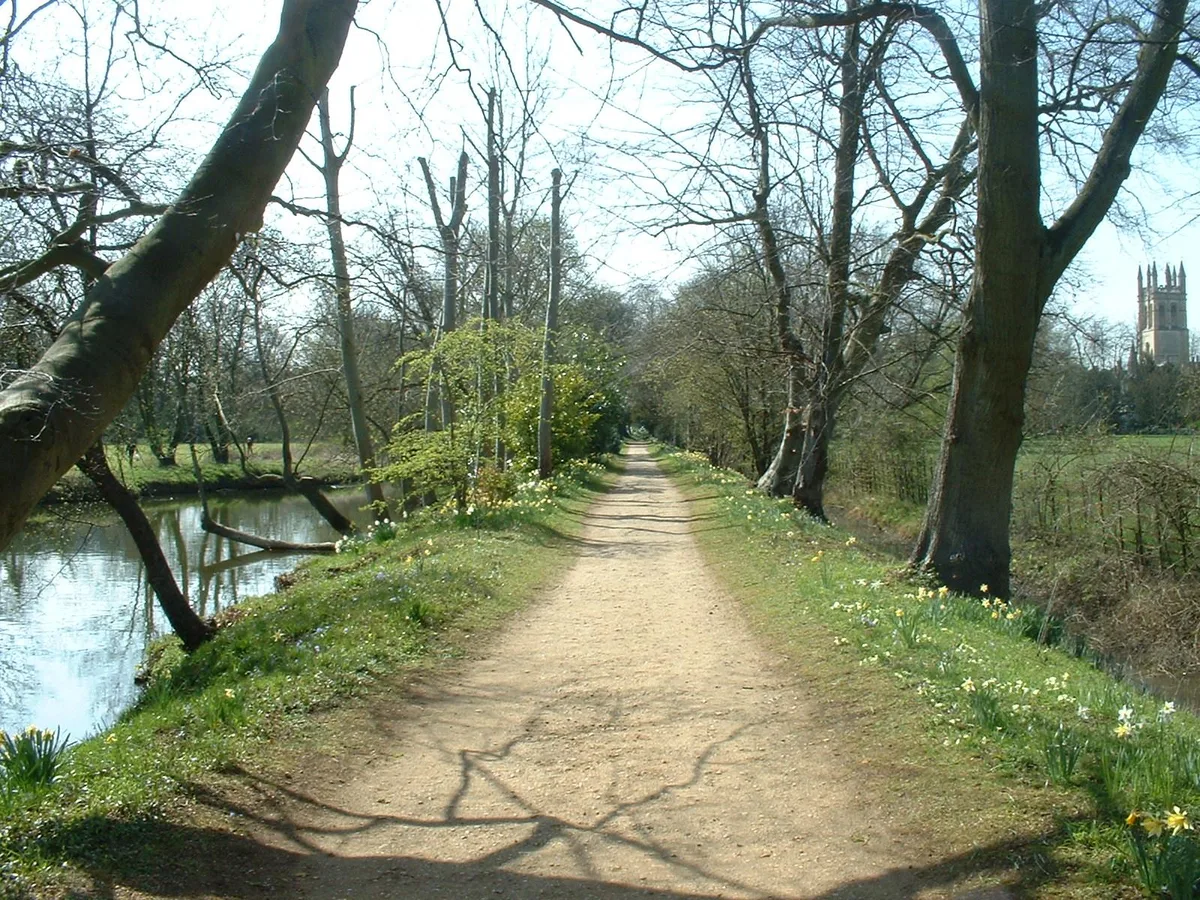
- Addison's Walk and the Deer Park — A circular tree-lined path along the River Cherwell that loops through the water meadow. The deer have been here since the 1700s and are wild — keep your distance. In February, the meadow floods with snake's head fritillaries, one of the rarest wildflowers in Britain.
Visiting
Magdalen charges for entry and the opening hours can be erratic, so check the college website before you go. Allow at least an hour — rushing through is a waste. The river walk alone takes twenty minutes. Evensong in the chapel is free and a far better way to experience the college than a daytime ticket.
Famous alumni & fellows
Notable Oxford figures associated with Magdalen College.


Nearby
Within a few minutes' walk