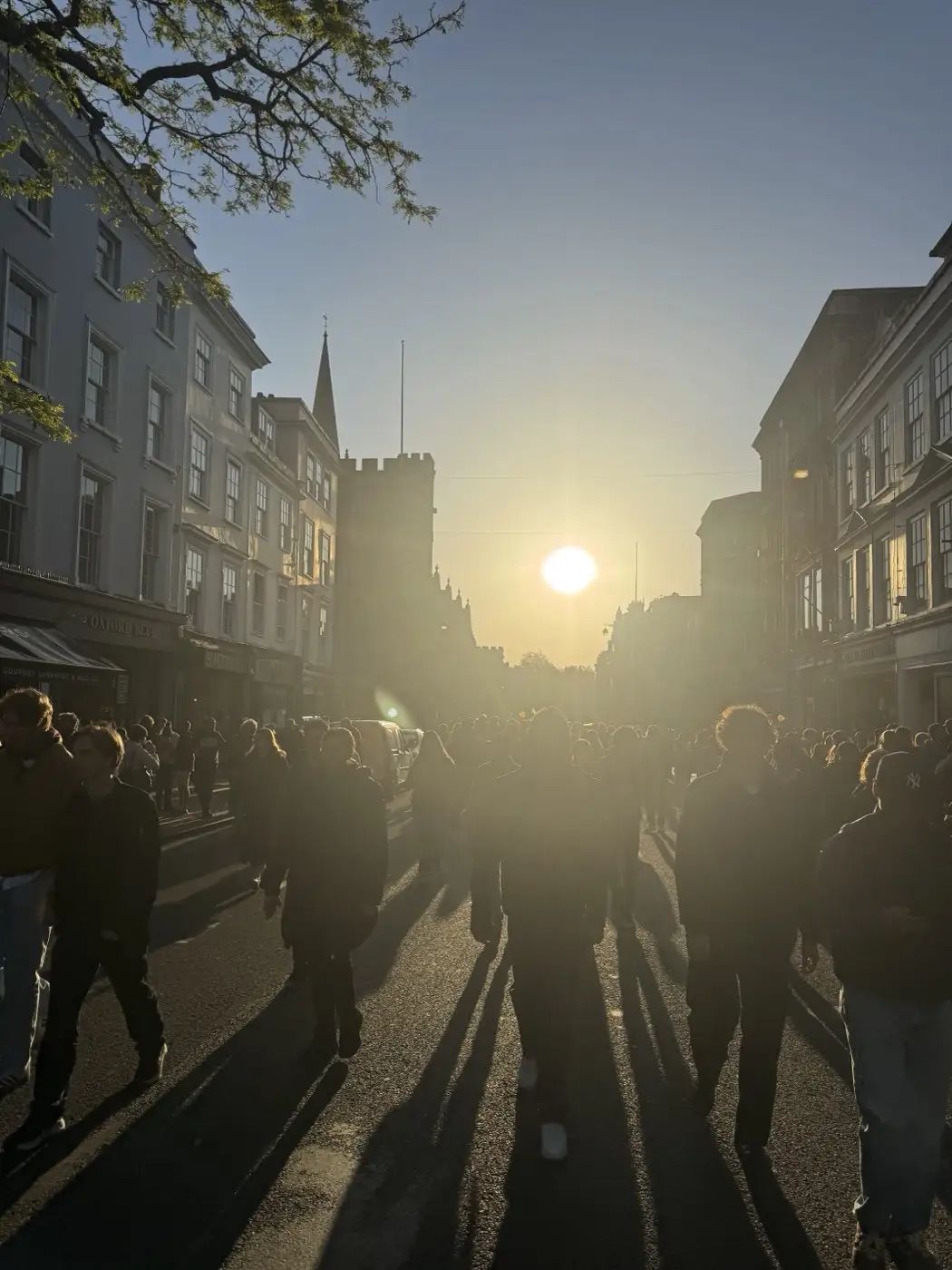
May Morning
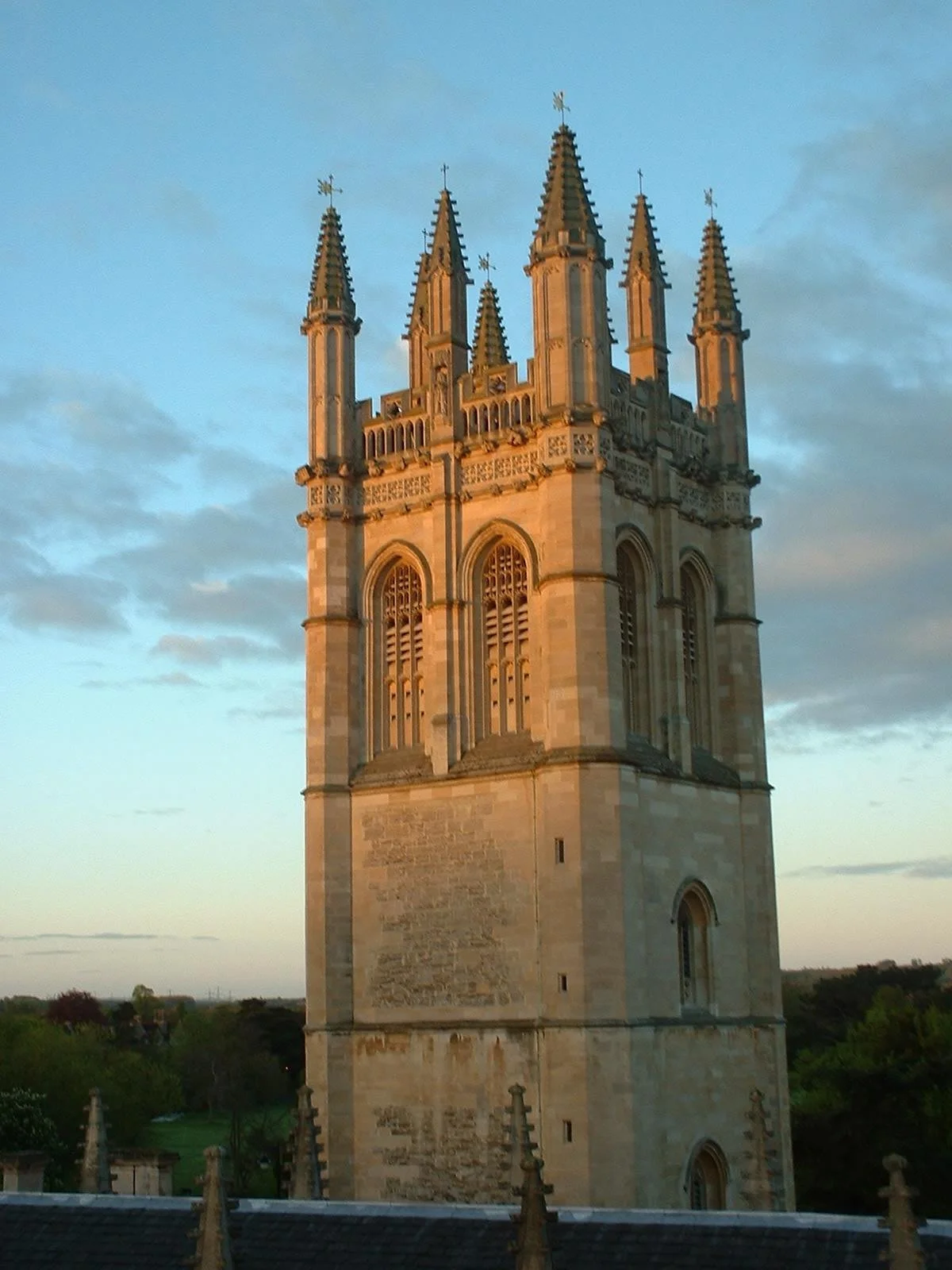
Every 1 May at 6:00 a.m., the Magdalen College Choir sings the Hymnus Eucharisticus from the top of Magdalen Tower to crowds gathered below — a tradition thought to date to 1509.
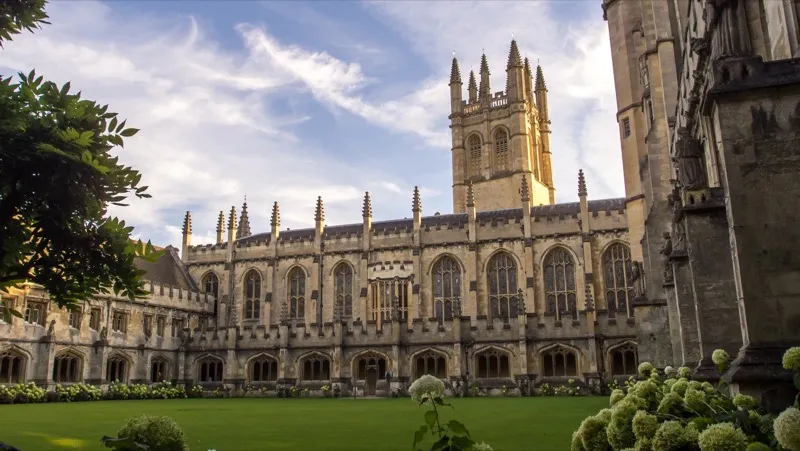
May Morning is Oxford's most distinctive annual ceremony. At 6:00 a.m. on 1 May, the Magdalen College Choir sings the Hymnus Eucharisticus from the top of Magdalen Tower to a crowd gathered on the High Street and Magdalen Bridge below. The tradition is thought to date to at least 1509 — the year the tower was completed, in the reign of Henry VII — and has run, in recognisable form, ever since.
How the morning runs
The choir gathers on the tower roof before six. As the bells fall silent and the Dean of Divinity leads prayers for the city, the choristers face east and sing the Hymnus Eucharisticus — a hymn with 17th-century words by Thomas Smith and music by Benjamin Rogers, both Magdalen Fellows, formalised into the May Morning ceremony in 1844. The 1844 rules survive: surplices, heads uncovered, only the Eucharistic hymn, choir facing east. The choir then traditionally adds Thomas Morley's 1595 madrigal Now Is the Month of Maying, and the bells of Magdalen and the city's churches answer.
From around 6:15 a.m. the formal ceremony dissolves into general celebration. Sol Samba, the Oxford Brazilian percussion band who have been a fixture of May Morning for over twenty years, assembles at the Longwall Street corner and starts up the High Street with samba drums shortly after the singing finishes — the loudest single moment of the morning, and the one that changes the mood from reflective to raucous. Morris sides take up positions in Radcliffe Square and around the city centre; pubs along the High Street and elsewhere obtain early licences to serve from dawn; coffee, breakfast and ad hoc stalls appear on Broad Street and Cornmarket. By around 8:30 the worst of the crowd has thinned.
Bridge jumping (please don't)
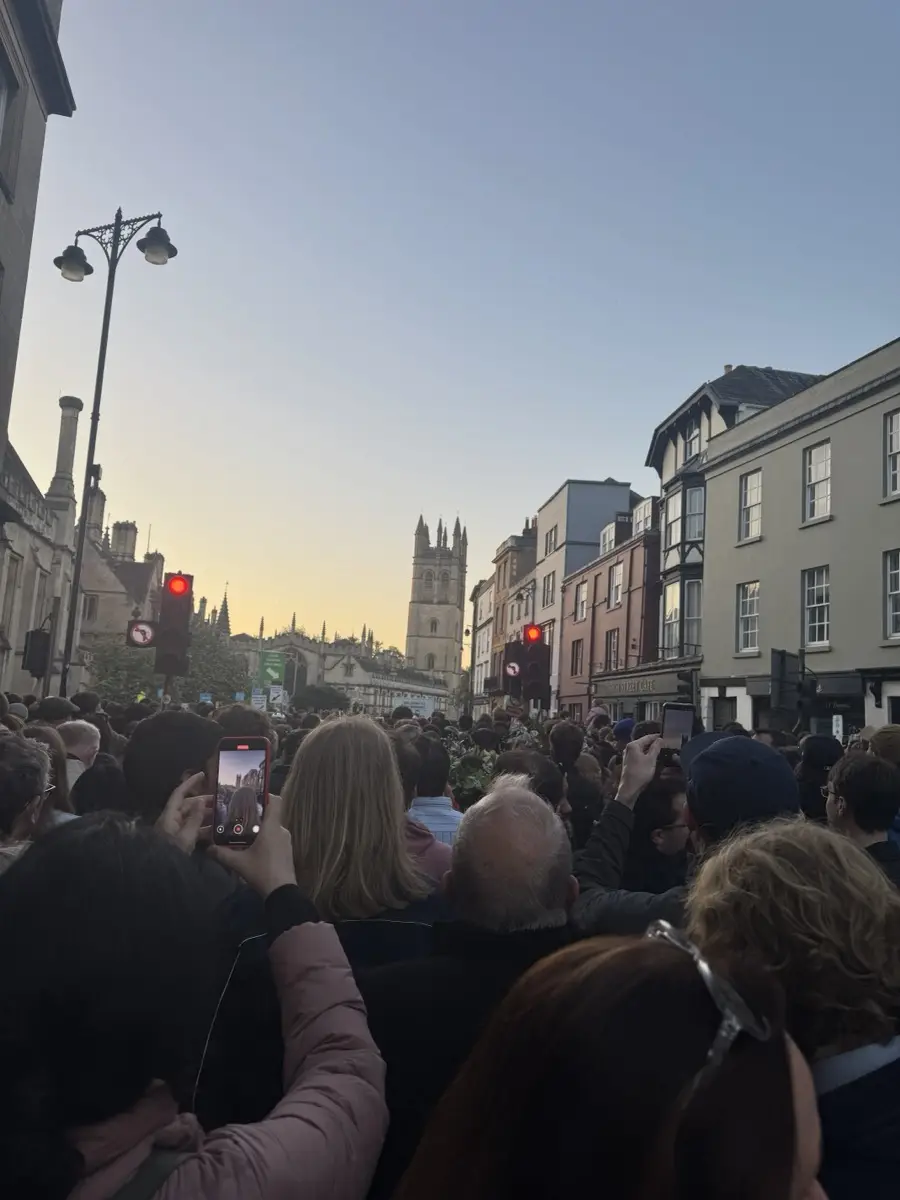
Sporadically from the 1960s, and routinely from the 1980s, students began jumping from Magdalen Bridge into the Cherwell at first light. The river is shallow — usually too shallow — and the practice has produced serious injuries, including one paralysing fall in 1997 and ten hospitalisations in 2005. The bridge was closed every May Morning from 1998 to 2001 and again from 2006 to 2009. It is no longer encouraged, and the police presence on the bridge is not theatrical.
How to attend
- Be in place by 5:45 a.m. to hear the singing properly. The crowd packs the High Street back toward Queen's Lane; arriving at six is too late for a useful sightline.
- The acoustics favour Magdalen Bridge and the section of High Street directly under the tower.
- Dress for cold. Oxford in early May is rarely warm at dawn, and you'll be standing still for forty-five minutes.
- Don't drive in. The High Street, St Aldate's and the bridge are closed to traffic; park-and-ride is the only practical approach by car. The first buses into the centre often run earlier than usual on 1 May.
After the singing, the natural drift is west — through Radcliffe Square (Morris dancing), across to Broad Street and on to Cornmarket. By eight, queues form at any cafe with a hot kitchen.
How big is the crowd?
| Year | Reported attendance |
|---|---|
| 2017 | ~27,000 |
| 2022 | ~12,500 |
| 2024 | 16,500 (Oxford City Council) |
Bigger years tend to coincide with warm, dry forecasts; smaller, with rain or weekday timing.
Where to go after
- The Bear Inn, Turf Tavern and other High Street and Holywell-area pubs commonly run early licences.
- Gloucester Green Market trades Wednesday to Saturday, so a Friday May Morning lands on a market day with coffee and breakfast options.
- The Oxford Botanic Garden opens directly opposite Magdalen Tower across the bridge — a quiet decompression after the crowd.
A first-hand account of the most recent event is on the blog: May Morning 2026 — first-hand notes.
Nearby
Within a few minutes' walk