Along the Cherwell
A gentle river walk from the heart of North Oxford to a village pub — through parks, past punts, and into the countryside.
The Cherwell is Oxford's quieter river. While the Thames carries the boat race crews and the tour groups, the Cherwell winds through University Parks and out into the water meadows north of Marston in something close to rural silence. This walk follows it from the Parks Road entrance all the way to the Victoria Arms in Old Marston — a proper village pub that feels like it should be miles from the city.
It's the walk that North Oxford residents and Keble students treat as their evening stroll, and it works in every season. In spring, the Parks are full of blossom and the Cherwell Boathouse launches its punts. In autumn, the path through Mesopotamia — yes, that's its real name — is canopied in gold.
The route
Start: University Parks, Parks Road entrance
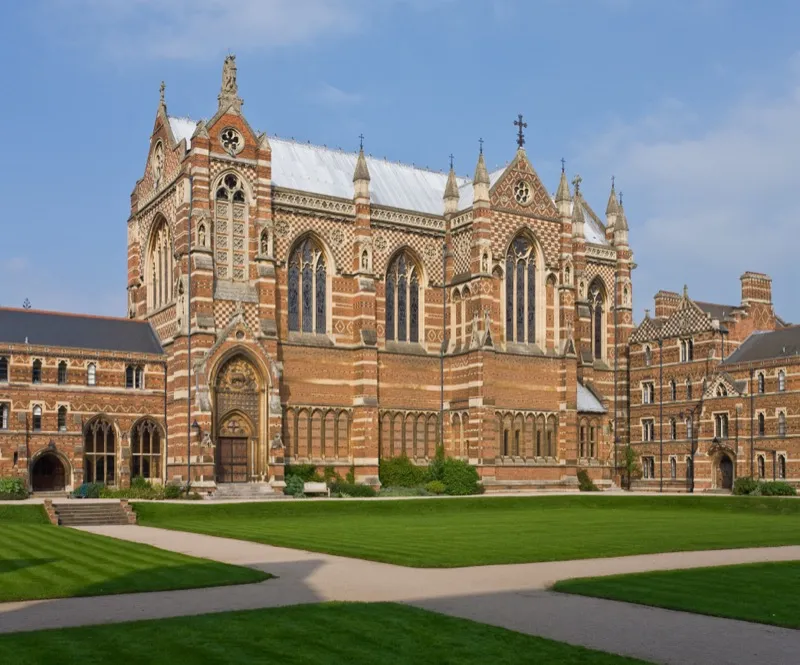
Enter through the main gate on Parks Road (between Keble and the Science Area). University Parks is Oxford's most beautiful public green space — 70 acres of lawns, specimen trees, and river frontage, free and open daily. Head east through the park towards the river.
1. The Cherwell frontage in University Parks (0.5 miles)
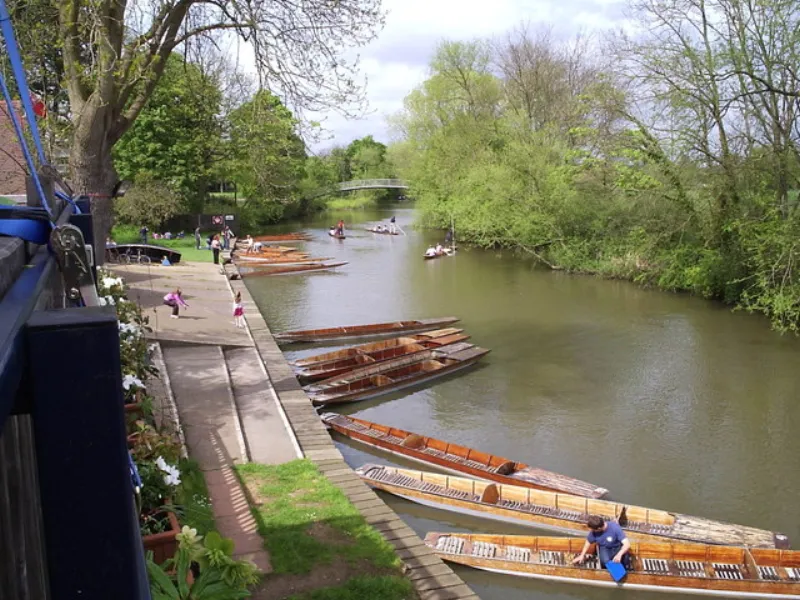
Follow the path along the Cherwell's west bank inside the Parks. The river is slow and winding here. In summer you'll see punts drifting past from the Cherwell Boathouse (upstream to the south) and Bardwell Road. The willow trees trailing into the water are the most photographed in Oxford after Christ Church Meadow's.
2. Rainbow Bridge (10 min from entrance)
The ornamental iron bridge crosses the Cherwell at the north end of the Parks. Cross over — the view downstream is the classic Cherwell panorama. From here you enter Mesopotamia Walk, the narrow strip of land between two branches of the river.
3. Mesopotamia Walk (0.5 miles)
This raised path runs between the Cherwell's main channel and a mill stream. It's an extraordinary walk — water on both sides, dense tree canopy overhead, and kingfishers if you're quiet and lucky. The name dates from the 19th century, a joking reference to the land-between-two-rivers. The path is narrow and can be muddy after rain, but it's well-trodden and passable year-round.
4. Marston Ferry Road crossing (brief road section)
Mesopotamia Walk ends at a weir near Marston Ferry Road. Cross the road and pick up the signed footpath towards Old Marston, heading north-east along the mill stream.
5. Water meadows to Old Marston (0.7 miles)
The path crosses open water meadows — flat, often marshy, and full of birds. In winter the meadows flood and you may need to pick your way along the raised edges. The village of Old Marston appears ahead: a cluster of stone cottages and a church that still feels genuinely rural.
6. Old Marston village
Walk through the village, past the medieval St Nicholas' Church (worth a look inside if open — the Norman font is original). Old Marston was an independent village until relatively recently and retains a character distinct from the suburban streets that now surround it.
End: The Victoria Arms — sitting on the river at the edge of the village. The garden backs directly onto the Cherwell, and in summer you can arrive by punt. The food is solid pub fare and the setting is hard to beat.
Practical notes
- Distance: 3 miles (5km) point-to-point
- Time: 1.5 hours at walking pace, 2.5 hours with stops and pub time
- Terrain: flat throughout; Mesopotamia Walk and the water meadows can be muddy in winter — walking boots advisable October-March
- Best time: late spring for blossom in the Parks and punting season; autumn for the tree canopy on Mesopotamia Walk
- Refreshments: Cherwell Boathouse (near the start — restaurant and punt hire), The Victoria Arms (end)
- Getting back: bus 14 from Marston to city centre (every 20 min), or walk back via Headington Hill and South Parks Road (1.5 miles)
Why this walk
The Cherwell corridor is where Oxford stops being a city and starts being countryside, with no clear boundary between the two. You leave from a park in the middle of the university, walk along a river between ancient water channels, cross open meadows, and arrive at a village pub — and the whole thing takes under two hours. It's the walk that makes you understand why Oxford academics have stayed here for 800 years: the countryside isn't a drive away, it's a stroll.
Nearby
Within a few minutes' walk