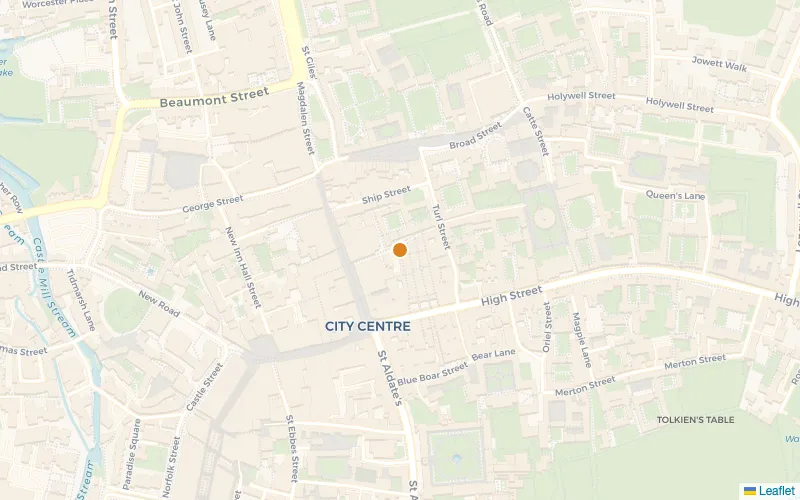
A Taste of China (三秦百味)
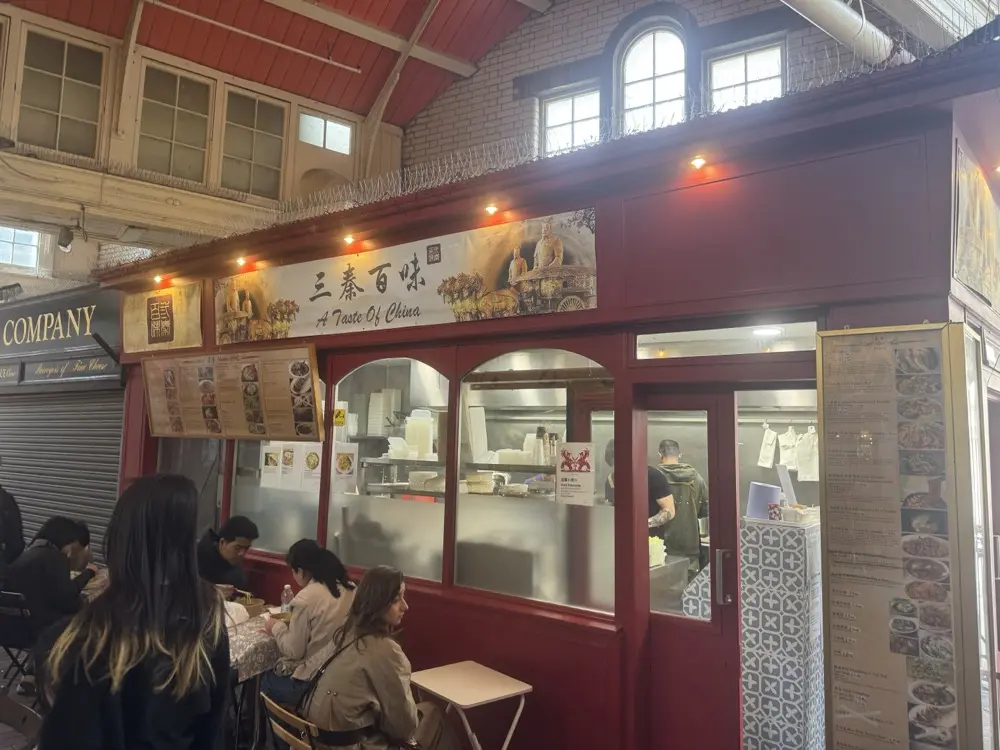
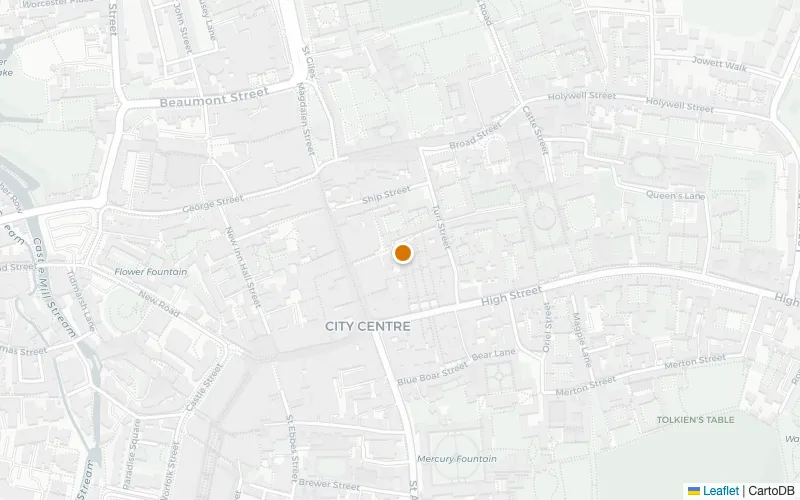
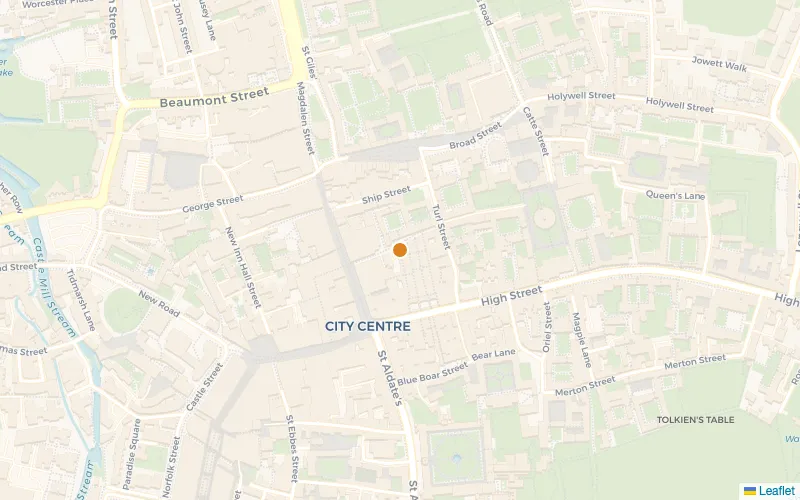
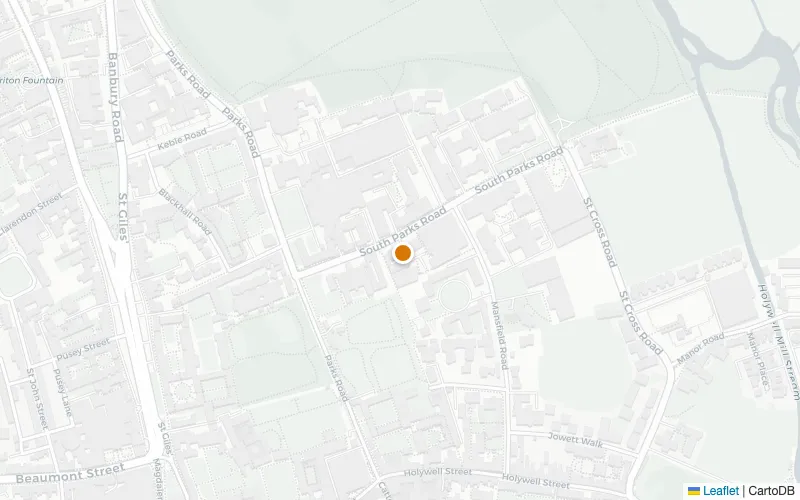
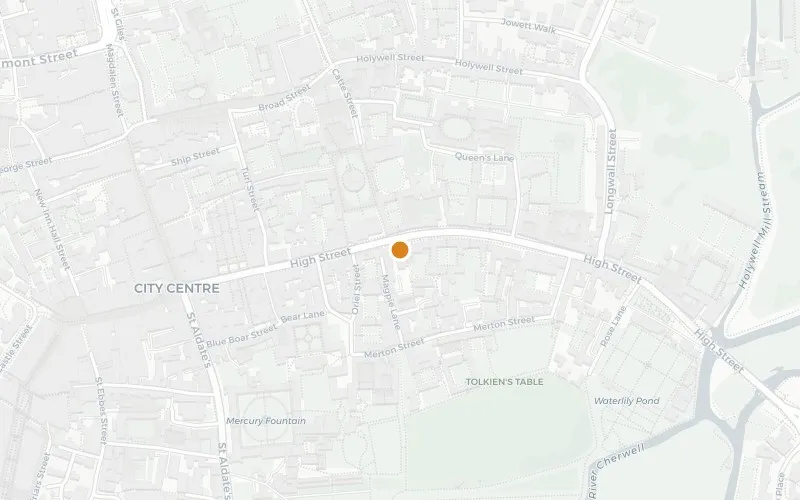
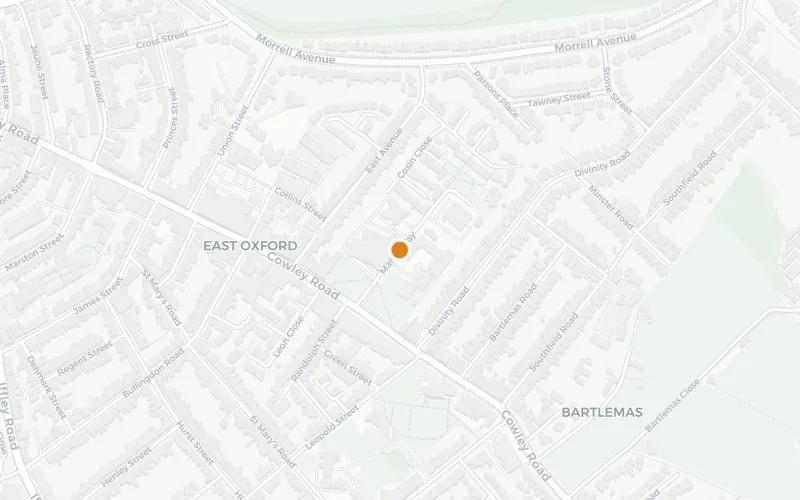
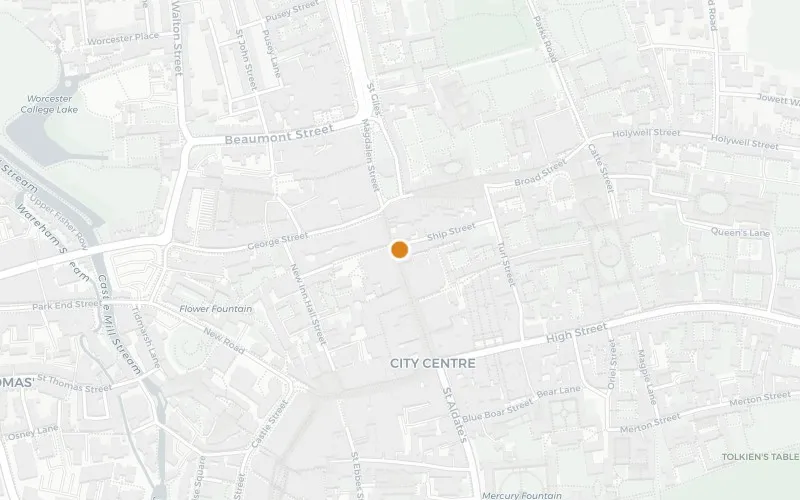
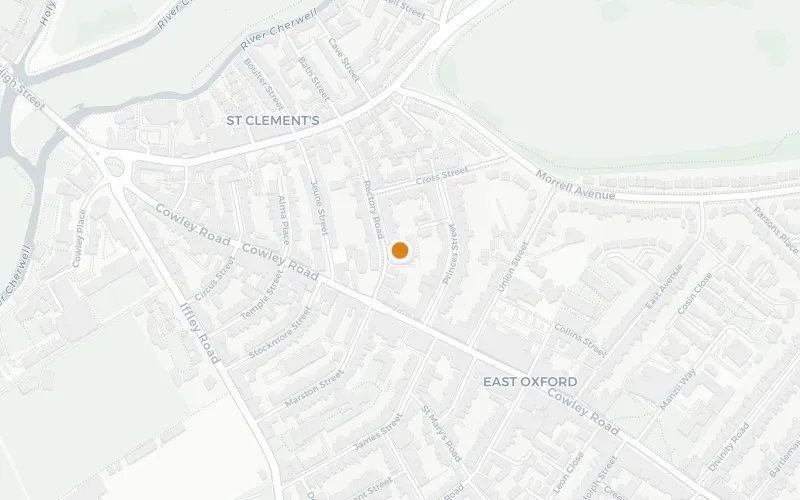
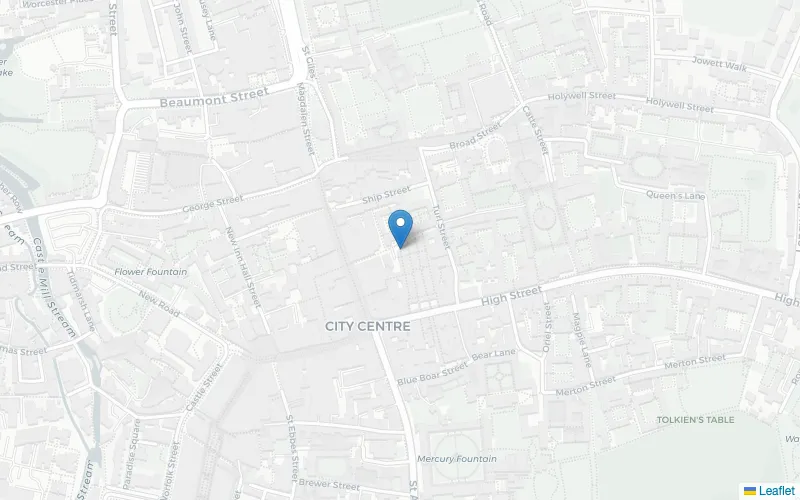
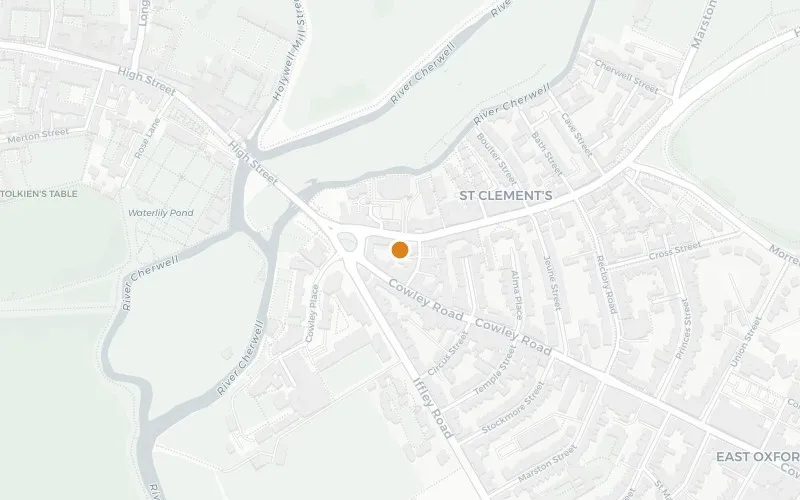
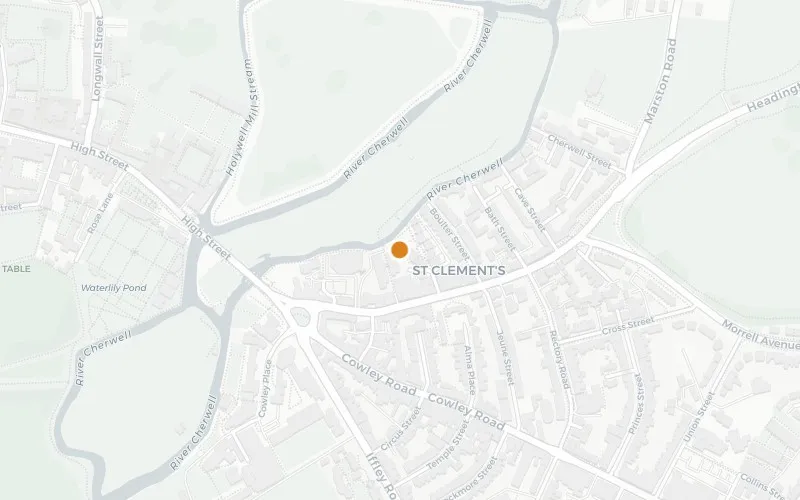
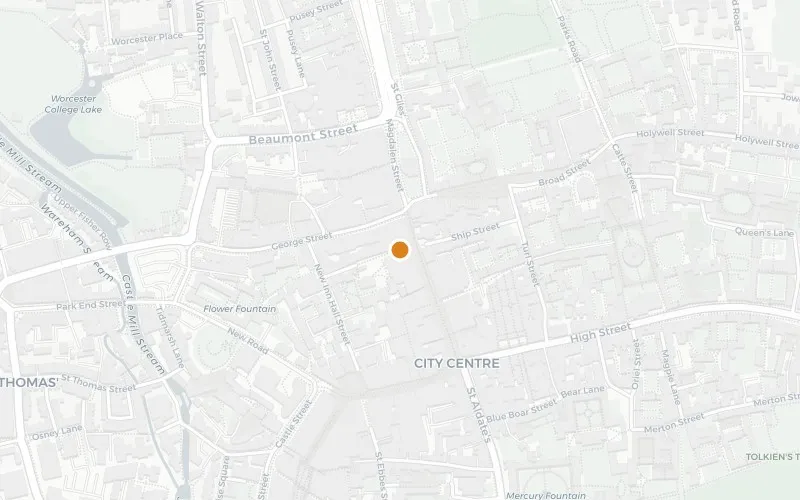
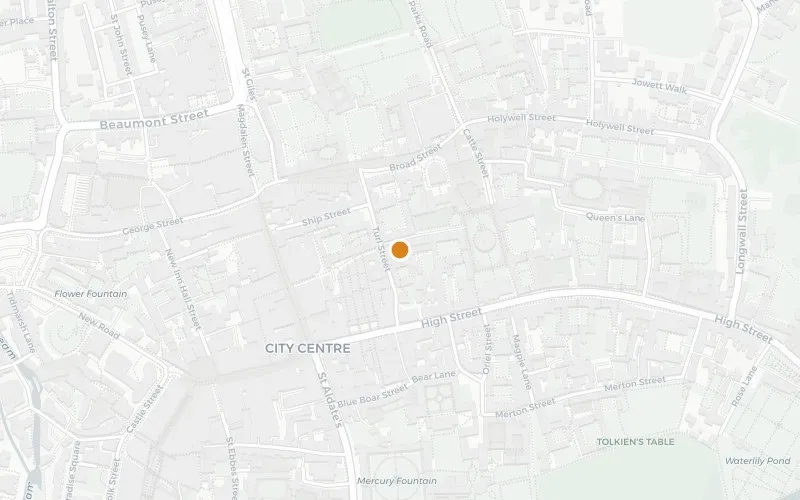
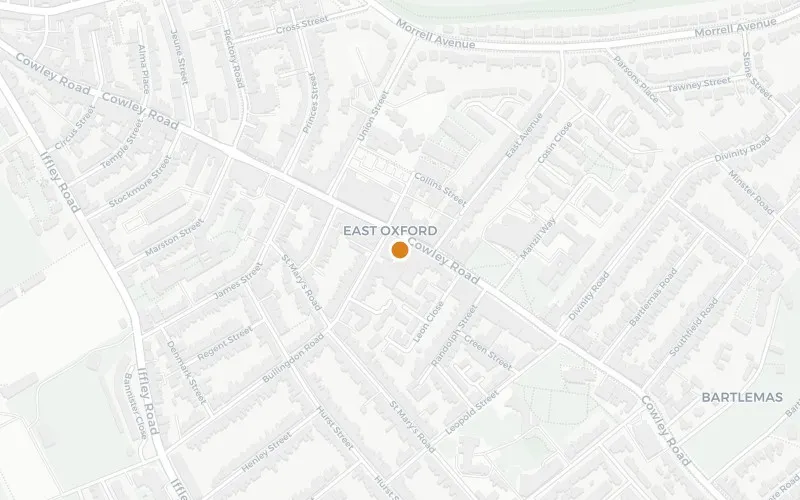
Family-run Shaanxi/Xi'an noodle bar in the Covered Market — the bilingual sign reads 三秦百味 ('Three Qin Hundred Flavours'), the kitchen runs hand-cut biang biang noodles and rou jia mo.
Oxford es uno de los mejores destinos de un dia gratuitos de Gran Bretana. Cuatro museos de talla mundial son completamente gratis. La mayoria de las capillas y jardines de los colegios se pueden visitar sin pagar. Los senderos junto al rio y las praderas historicas tampoco cuestan nada. Incluso el exterior espectacular de la Bodleian Library se puede admirar gratis desde los patios. Puedes pasar un dia completo en Oxford, ver cosas extraordinarias y casi no gastar dinero.
El Ashmolean Museum es el museo publico mas antiguo del mundo, con colecciones que van desde momias egipcias hasta pinturas prerrafaelitas — completamente gratis. El Natural History Museum tiene el esqueleto de dodo mas completo que existe, un T-Rex y, conectado por la puerta trasera, el Pitt Rivers Museum: una extraordinaria coleccion antropologica organizada por tipo de objeto, no por geografia. Todo gratis, abierto todo el dia.
Muchos colegios de Oxford permiten a los visitantes entrar gratis a los patios principales, capillas y jardines durante el horario de apertura. Corpus Christi tiene un hermoso patio pequeno con un reloj de sol con un pelicano. Brasenose tiene un cesped con vistas a la Radcliffe Camera. La capilla de Lincoln College conserva sus vidrieras originales. Consulta la informacion de visita de cada colegio — algunos cobran en pleno verano, pero la mayoria son gratis fuera del periodo de examenes (abril-junio).
Port Meadow es una pradera publica de 180 hectareas junto al Tamesis, abierta todo el ano y gratuita. Christ Church Meadow ofrece vistas de postal de los campanarios sin necesidad de entrada. Los caminos de sirga del Tamesis y del Cherwell estan libres de coches, son llanos y con paisajes preciosos. Nuestras guias de paseos cubren todas las mejores rutas gratuitas.
Edamame en Holywell Street es el campeon de la relacion calidad-precio: ramen japones contundente a precios de estudiante. Vaults and Garden sirve comida asequible en una cripta medieval, con terraza al aire libre. El Covered Market tiene muchas opciones baratas: pasteles de la carniceria, quesos de Oxford Cheese Company, galletas de Ben's. En cuanto a pubs, el Cape of Good Hope en the Plain es uno de los mas baratos de Oxford para una pinta.
Family-run Shaanxi/Xi'an noodle bar in the Covered Market — the bilingual sign reads 三秦百味 ('Three Qin Hundred Flavours'), the kitchen runs hand-cut biang biang noodles and rou jia mo.
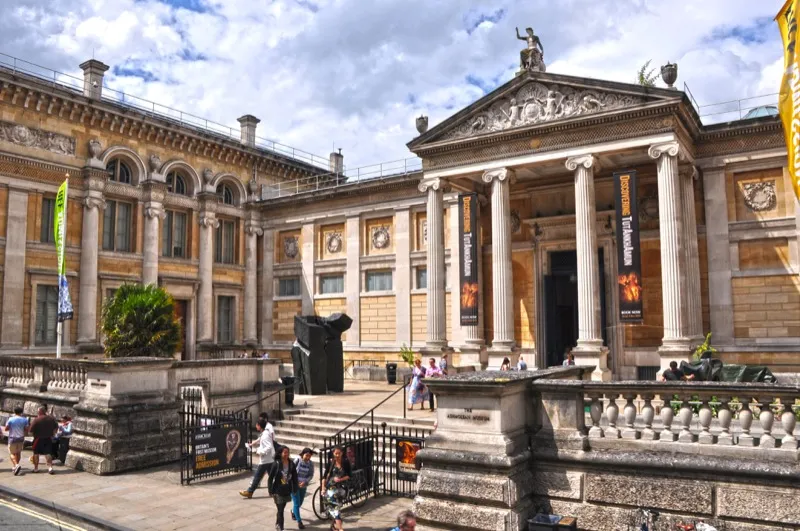
The world's first university museum — free, with major collections of art and archaeology.
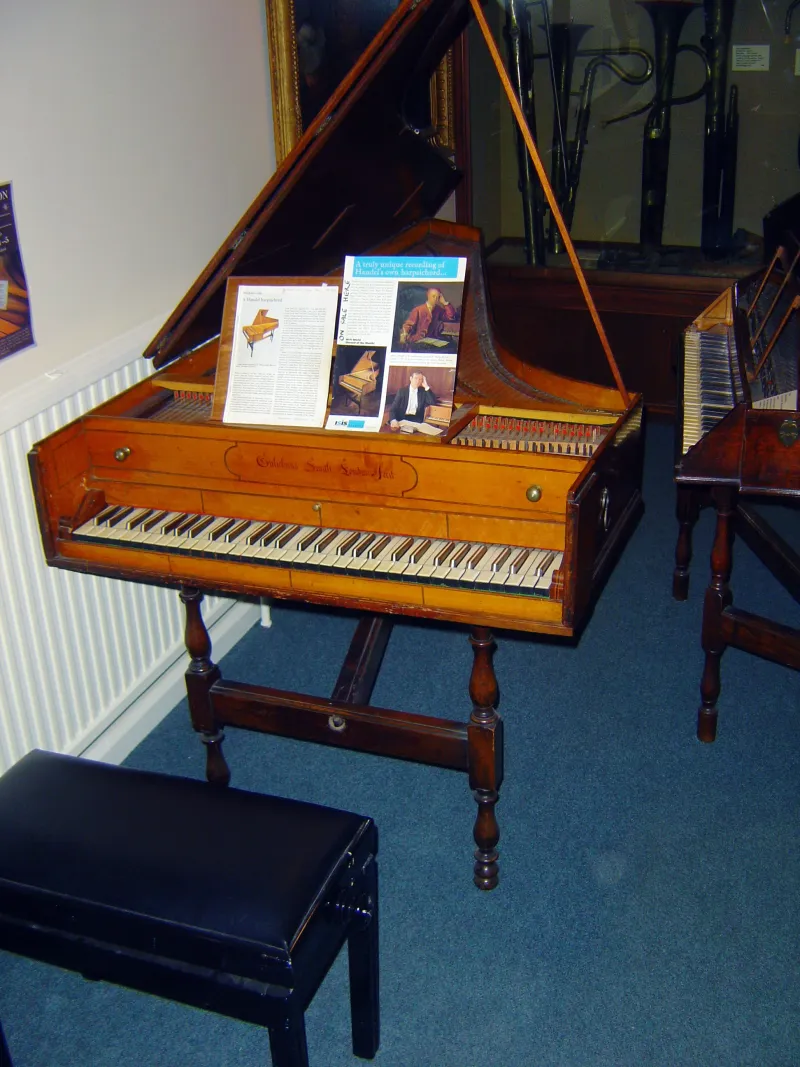
A specialist collection of historical musical instruments, from medieval to modern.
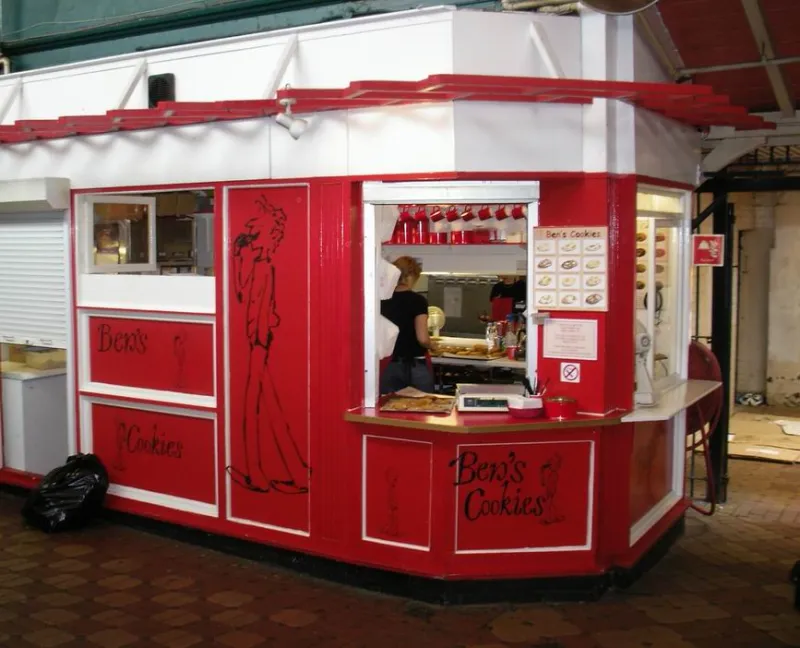
The original Ben's Cookies — baked fresh in the Covered Market since 1984, famous far beyond Oxford.
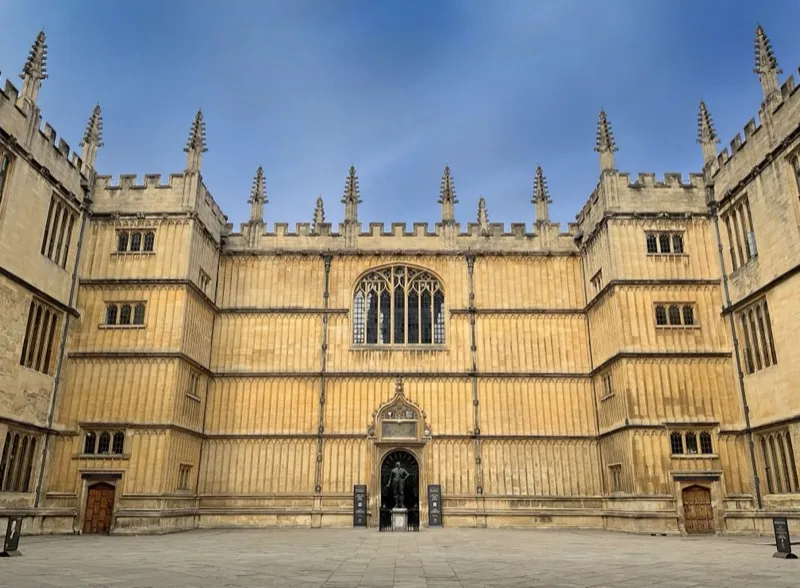
One of the oldest libraries in Europe — the Divinity School, Duke Humfrey's Library, and the Radcliffe Camera.
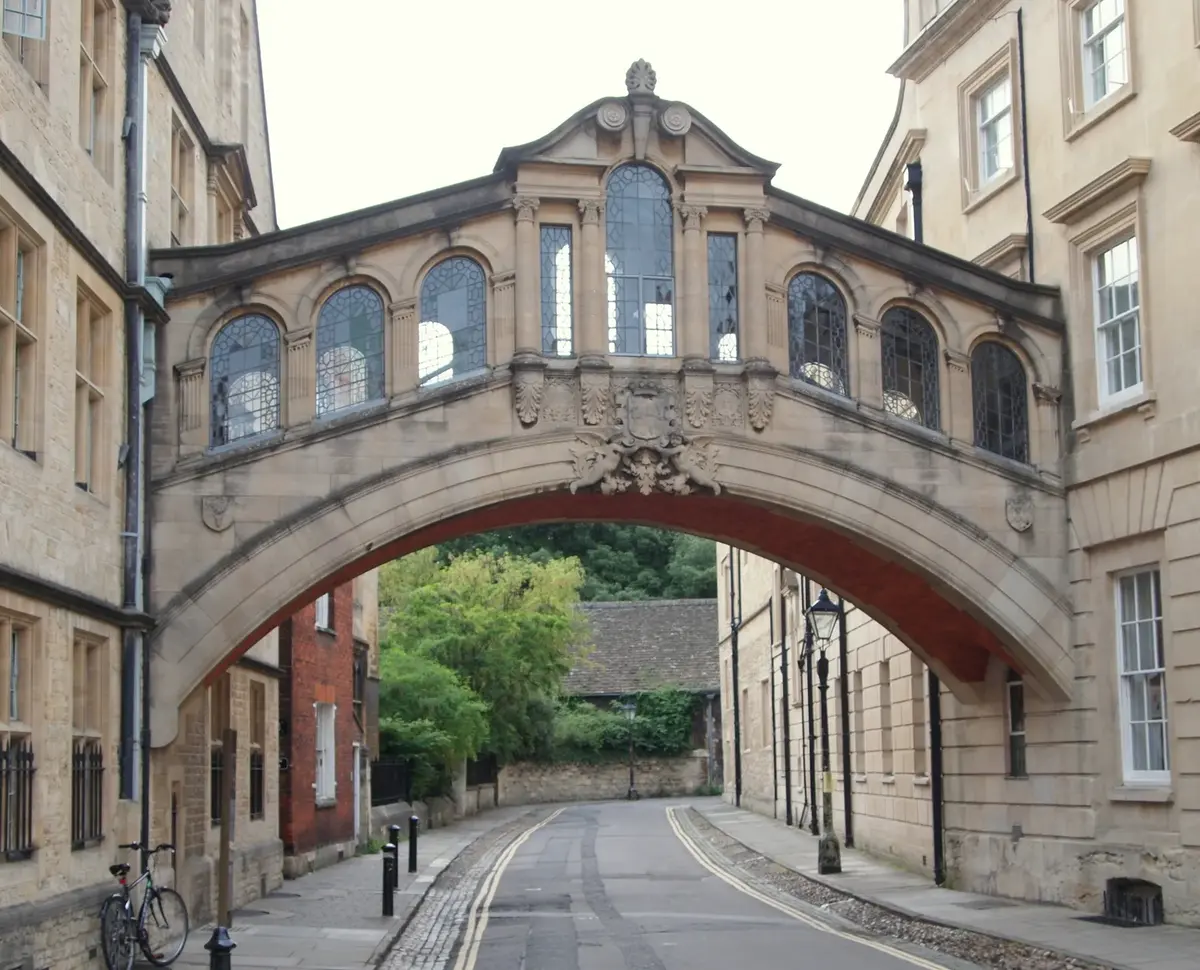
Hertford College's 1914 covered skyway over New College Lane — Oxford's most photographed bridge, despite resembling neither of the actual Bridges of Sighs.
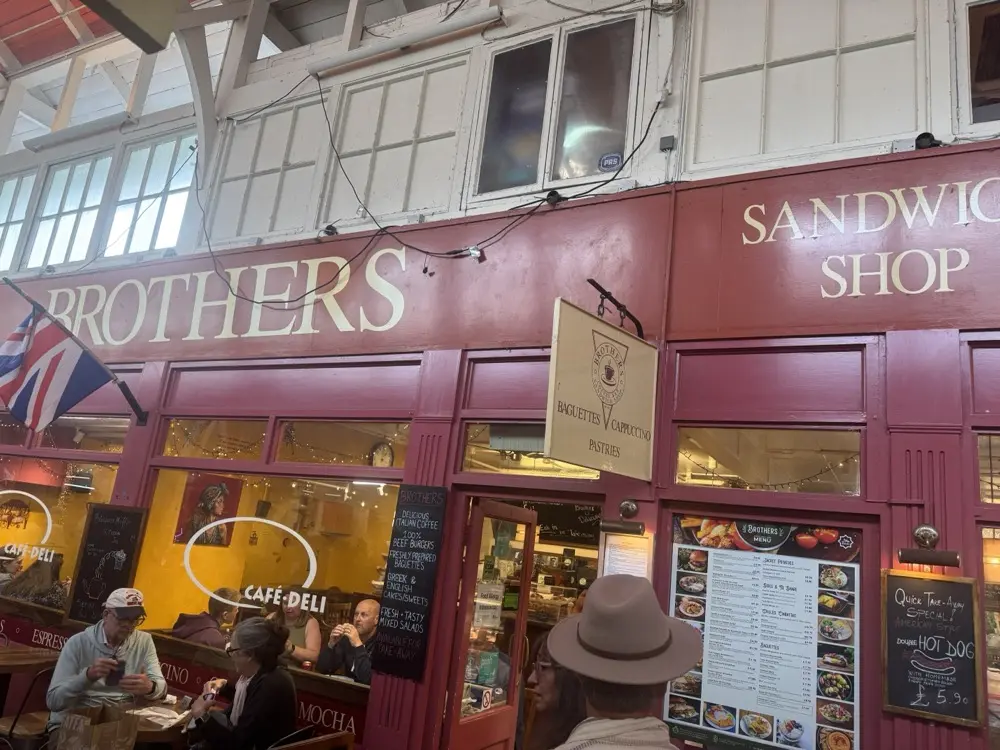
Independent café-deli on Avenue 3 of the Covered Market — Greek and Mediterranean home cooking alongside English breakfasts, sandwiches and cakes.
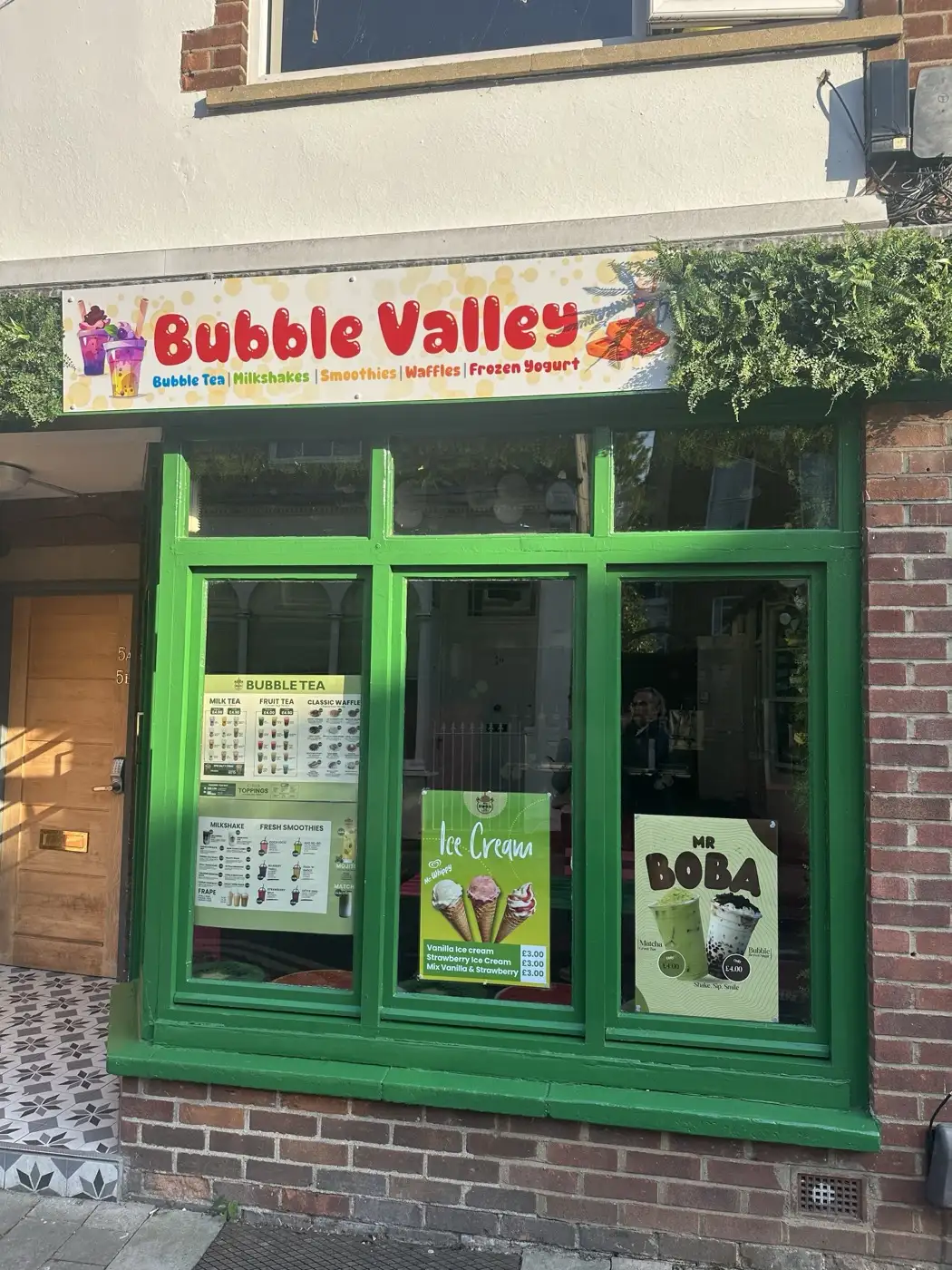
Bubble tea, waffles, smoothies and ice cream from a bright-green shopfront on North Parade.
The smallest cathedral in England and the only one that is also a college chapel. Norman bones, a 14th-century Becket window that survived the Reformation, and five Burne-Jones windows.
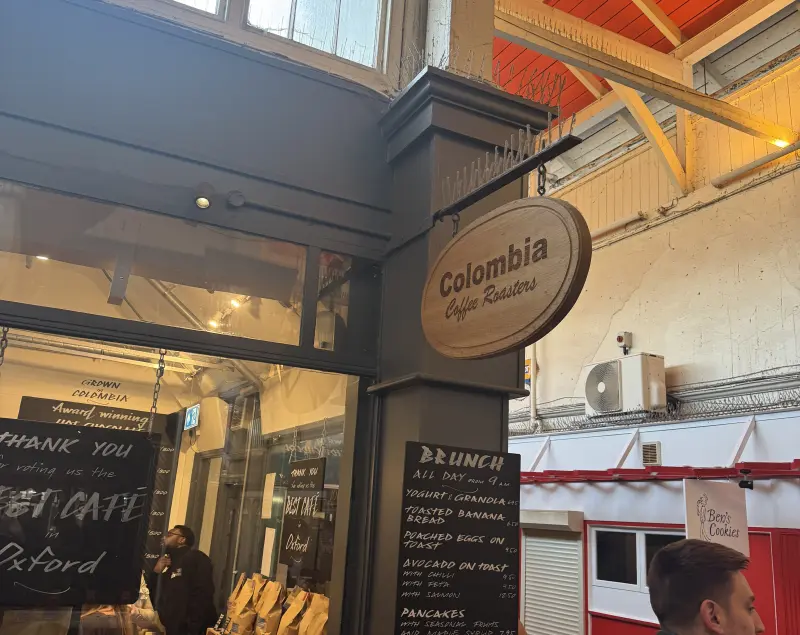
Oxford-based specialty single-origin roaster with a cafe in the Covered Market — espresso, brunch, and bagged beans to take home.
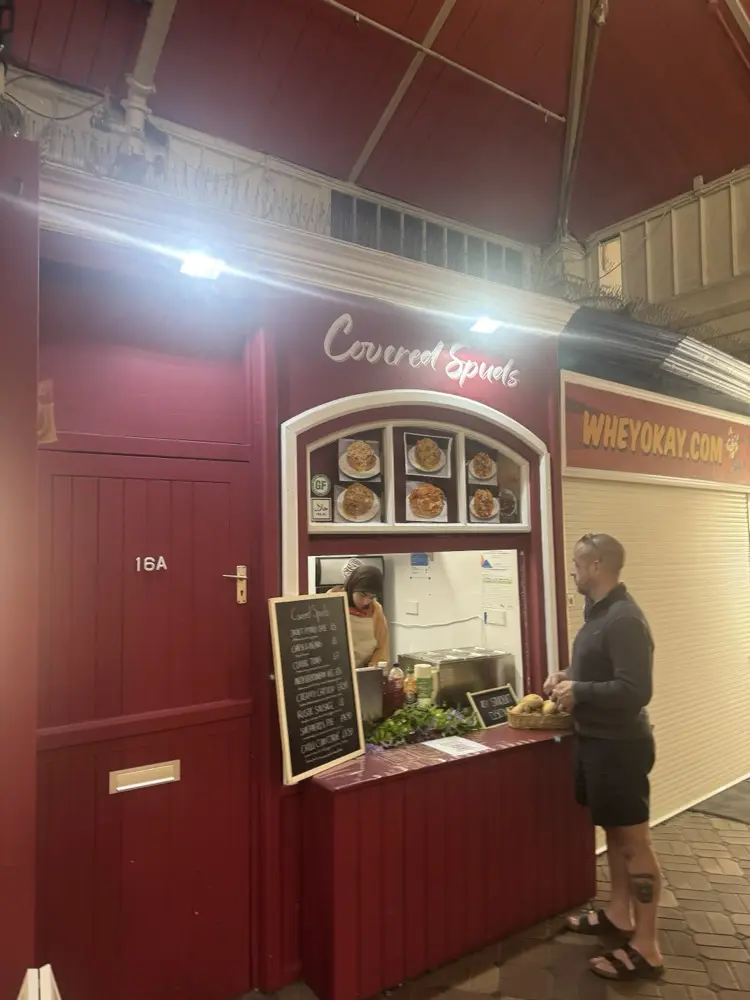
Jacket potato counter at stall 16A in the Covered Market — gluten-free and halal labelled, eight fillings on the warmer.
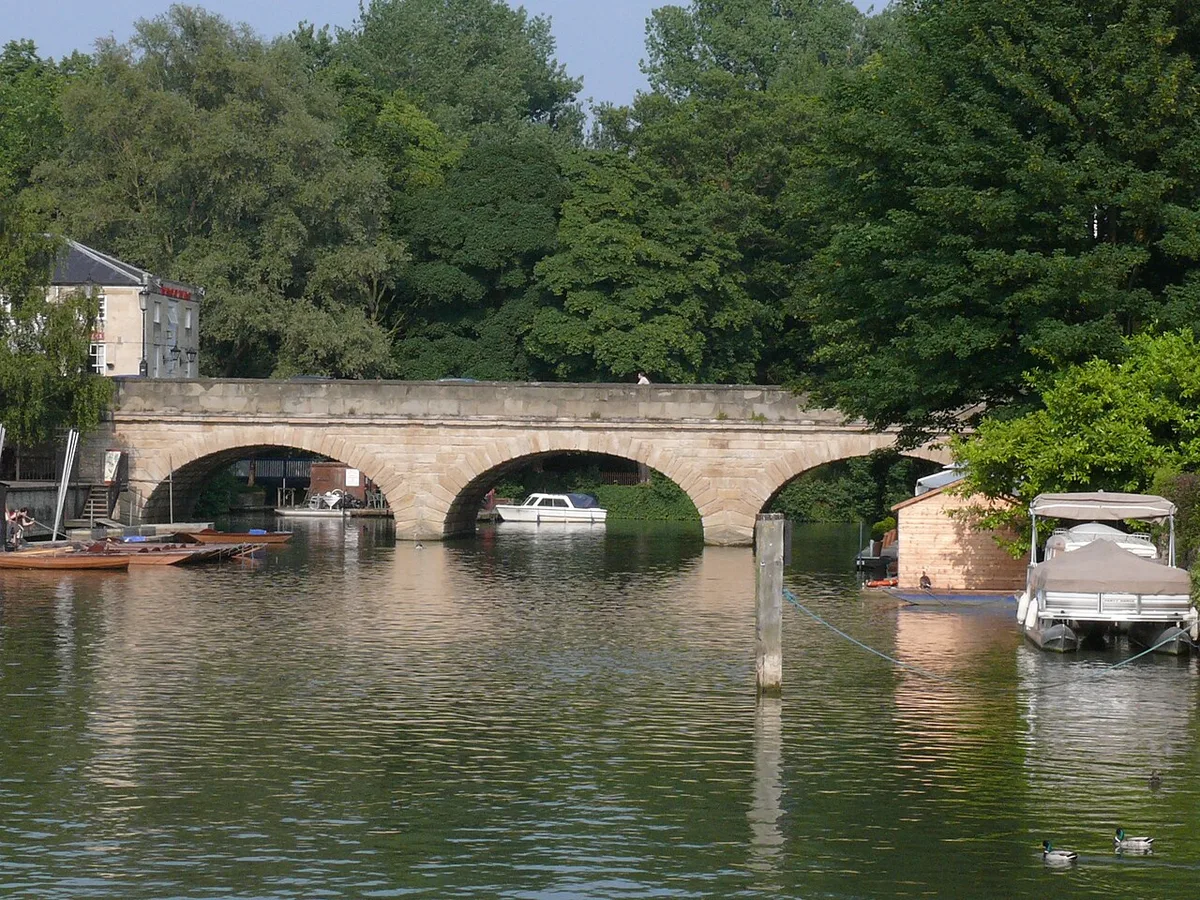
The 1825 stone bridge at the south end of St Aldate's, Grade I listed and standing on the site of an oxen-ford that gave Oxford its name. The boat that became *Alice in Wonderland* set off from here on 4 July 1862.
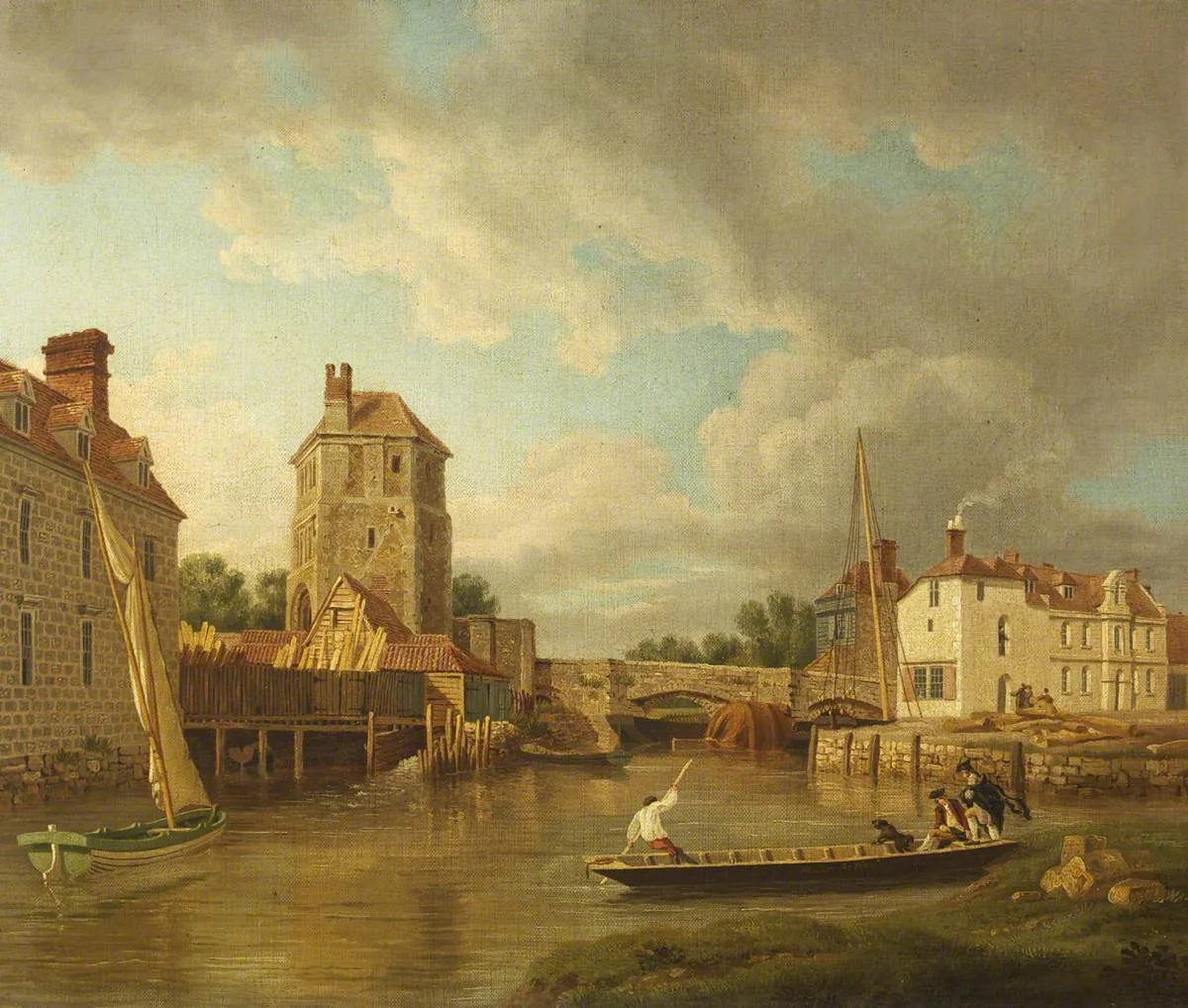
A medieval tower at the north end of Folly Bridge, demolished 1779. The 13th-century Franciscan friar Roger Bacon — one of the earliest European advocates of the scientific method — is said to have lived and worked here.
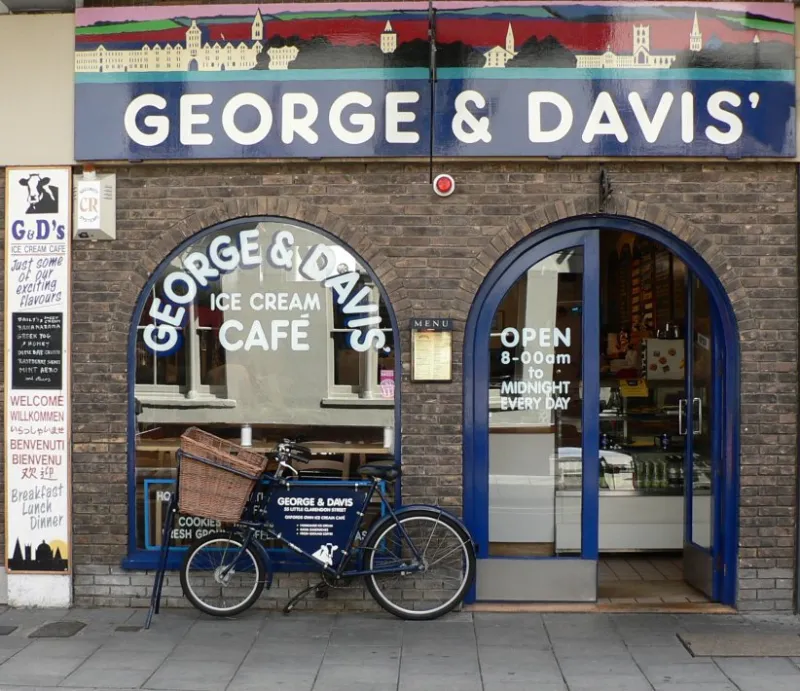
Oxford's own ice cream since 1992 — handmade, inventive, and open past midnight.
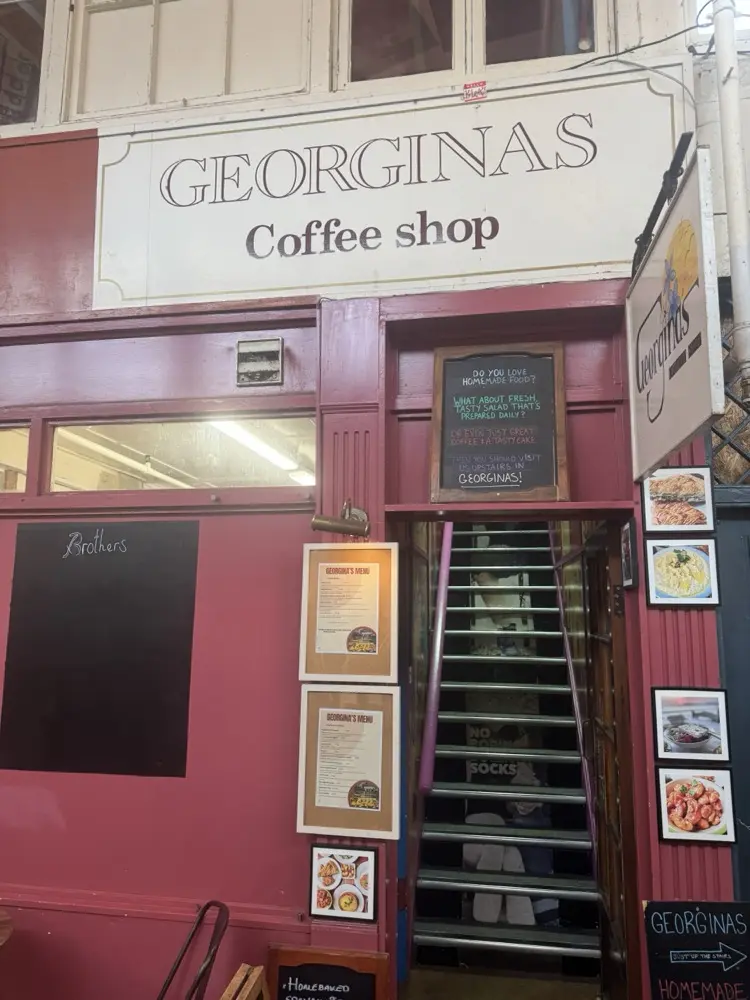
Greek and Mediterranean café tucked upstairs in the Covered Market, with vintage cinema posters covering the walls and ceiling.
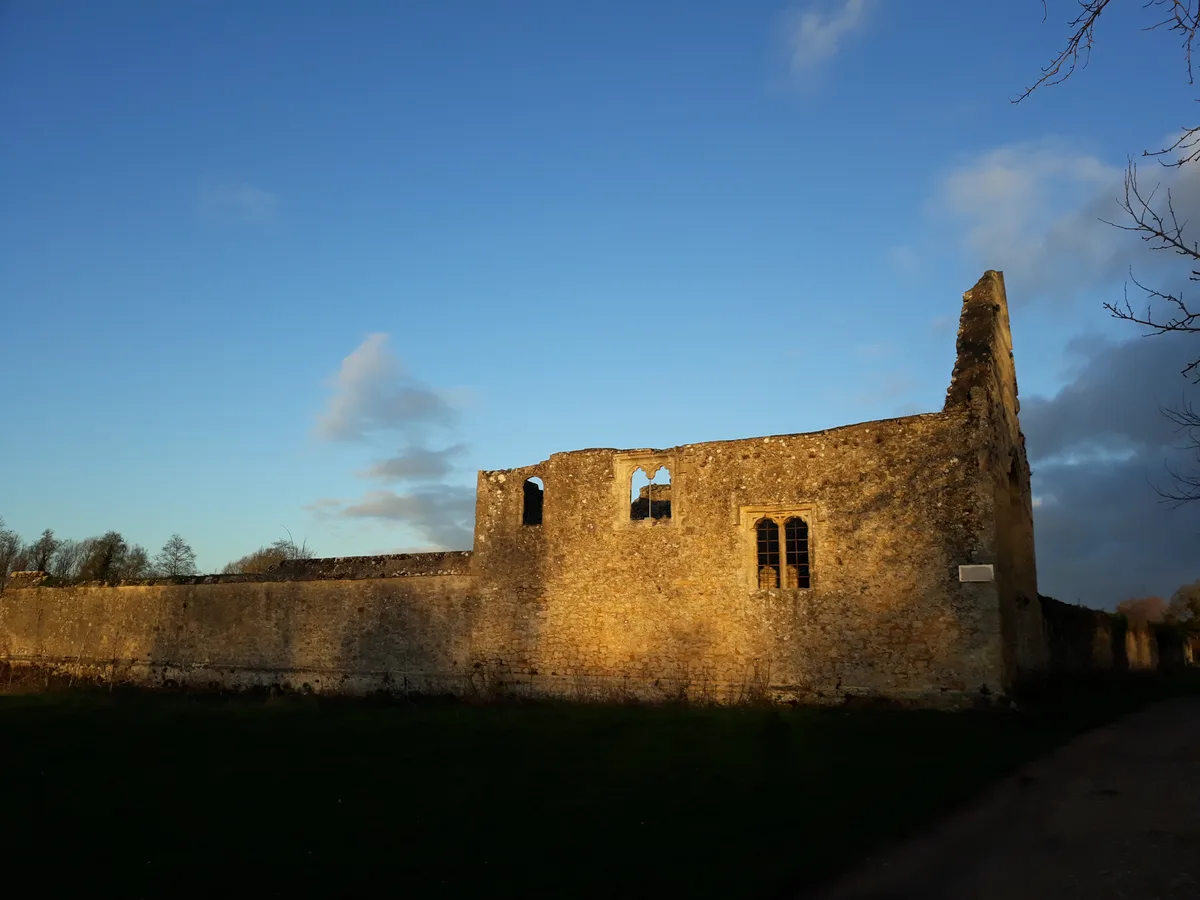
A Benedictine nunnery founded in 1133 on an island in the Thames; the burial place of Henry II's mistress Rosamund Clifford until a bishop ordered her tomb thrown out of the church in 1191. Suppressed in 1539, ruined in the Civil War, painted by the Pre-Raphaelites, picnicked over by Lewis Carroll.
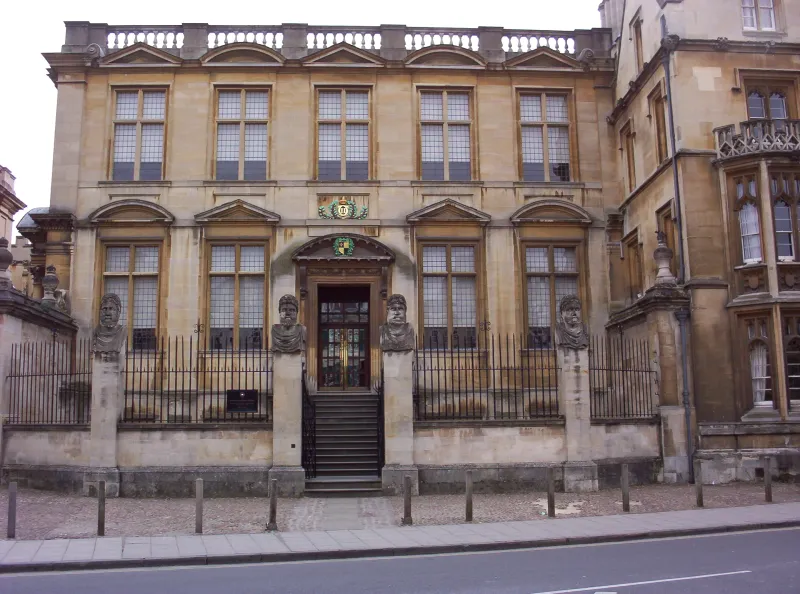
Scientific instruments from the Middle Ages to the 19th century, in the world's oldest surviving purpose-built museum.
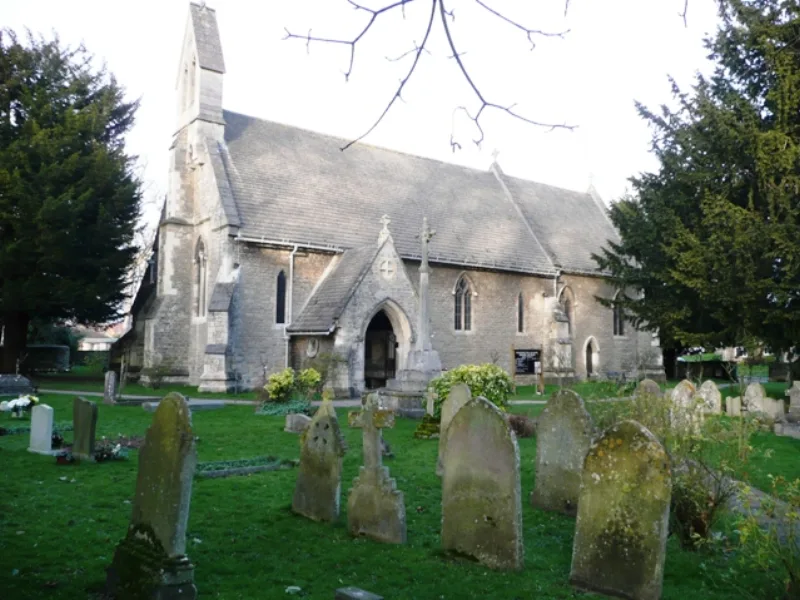
C. S. Lewis's parish church from 1930 to his death in 1963 — designed by George Gilbert Scott, built 1848 to 1849 for the quarry workers of Headington Quarry, with a 1991 Narnia window in the north aisle and the Lewis brothers buried in the churchyard.
Victorian cemetery established in 1847 on Merton College land. The resting place of Kenneth Grahame, Walter Pater, Charles Williams and the Mad Hatter's reputed model — now a wildlife refuge with muntjac deer and pheasants.
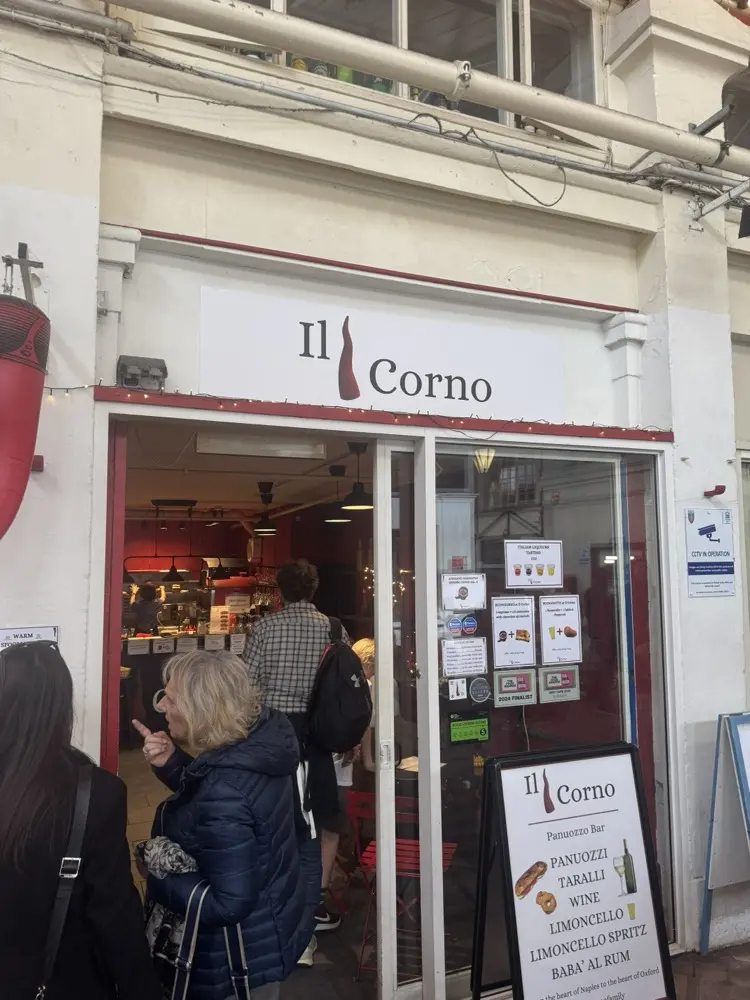
Neapolitan panuozzo bar in the Covered Market, named for the southern Italian good-luck horn.
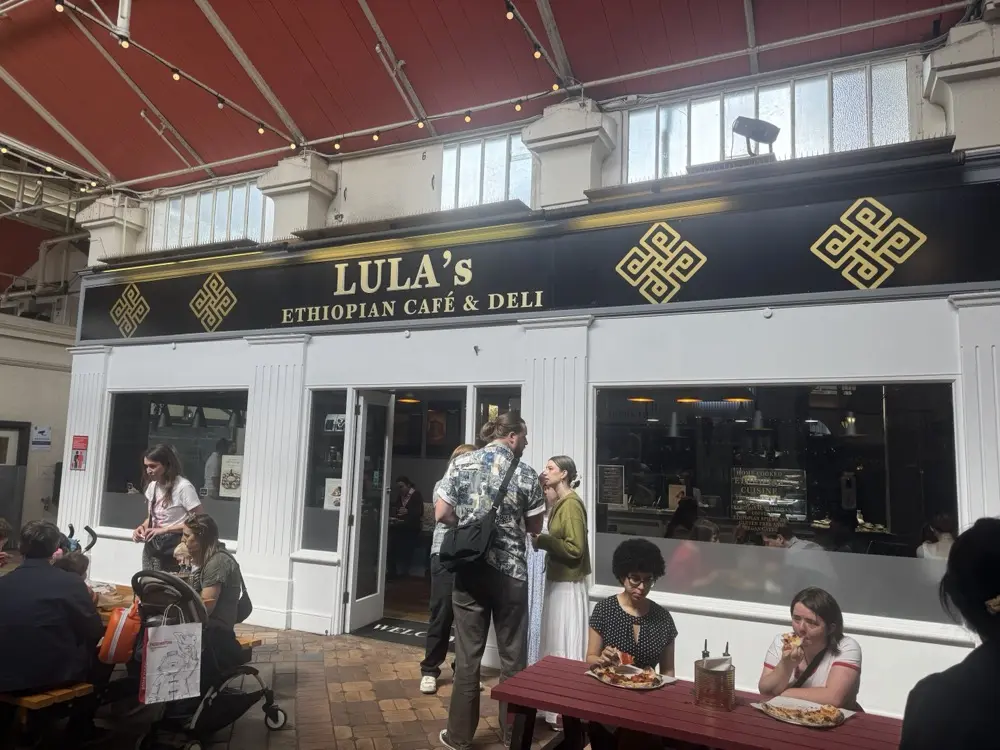
Traditional Ethiopian dishes on injera, with a Thursday evening coffee ceremony.
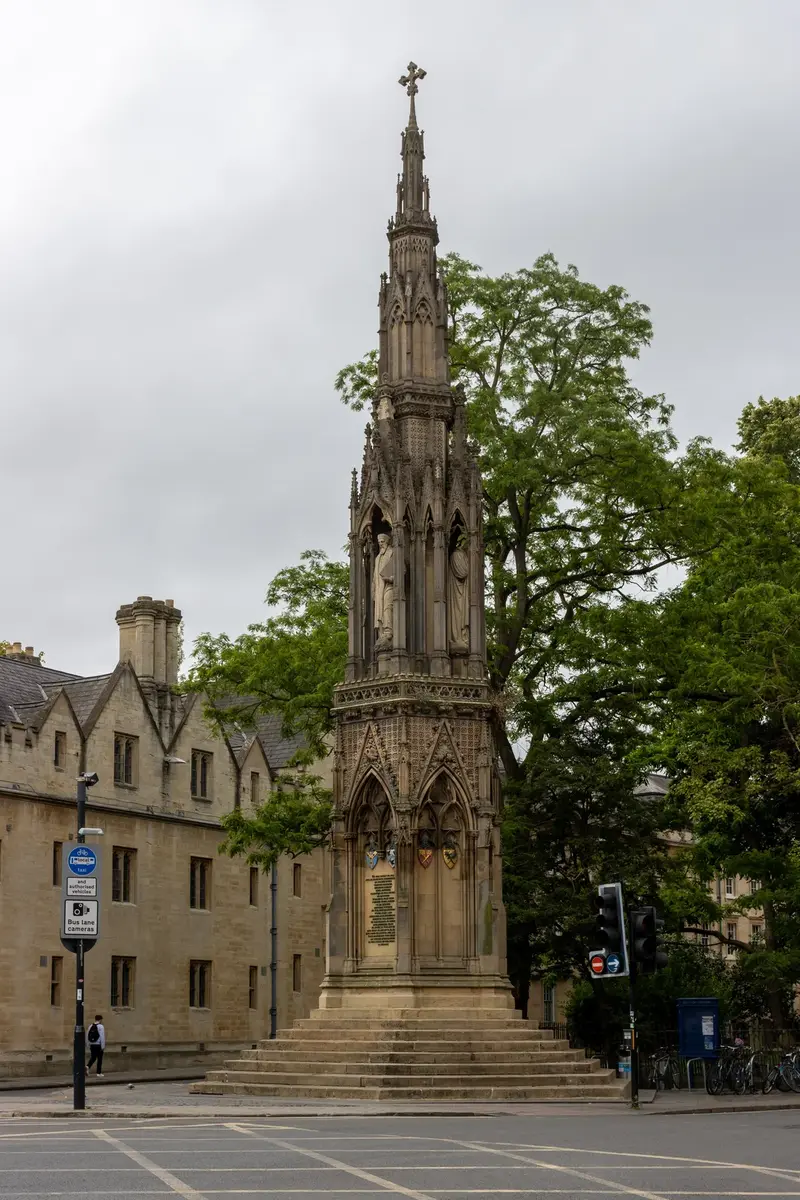
Sir Gilbert Scott's 1843 Gothic-Revival monument to Cranmer, Latimer and Ridley — the three Oxford Martyrs burned for heresy in 1555–1556.
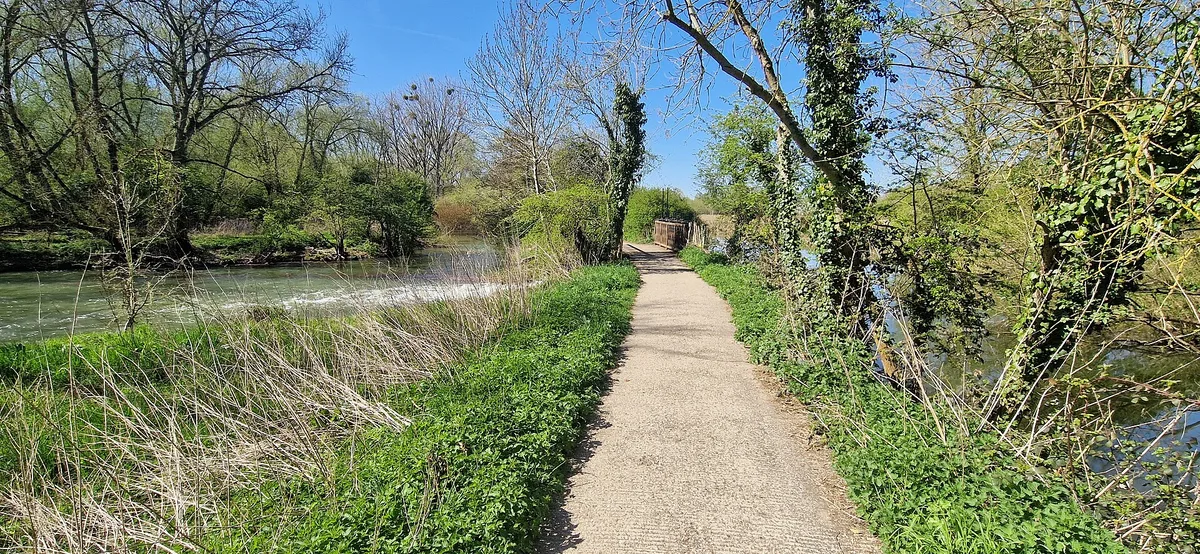
A long, narrow island in the Cherwell — Greek 'between rivers' — laid out as a public walk in 1865, threaded between two branches of the river that flow at different heights.
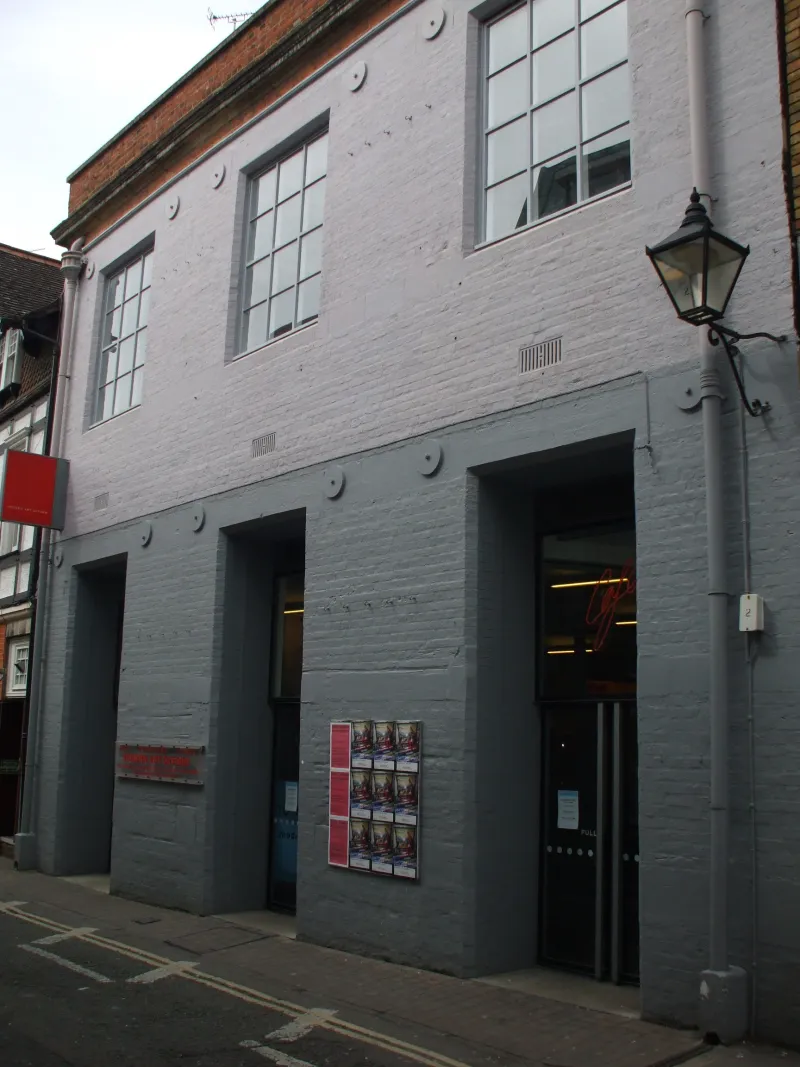
Oxford's contemporary art gallery — free, ambitious exhibitions in the heart of the city.
The 13th-century defensive ring around medieval Oxford — best-preserved in the gardens of New College.
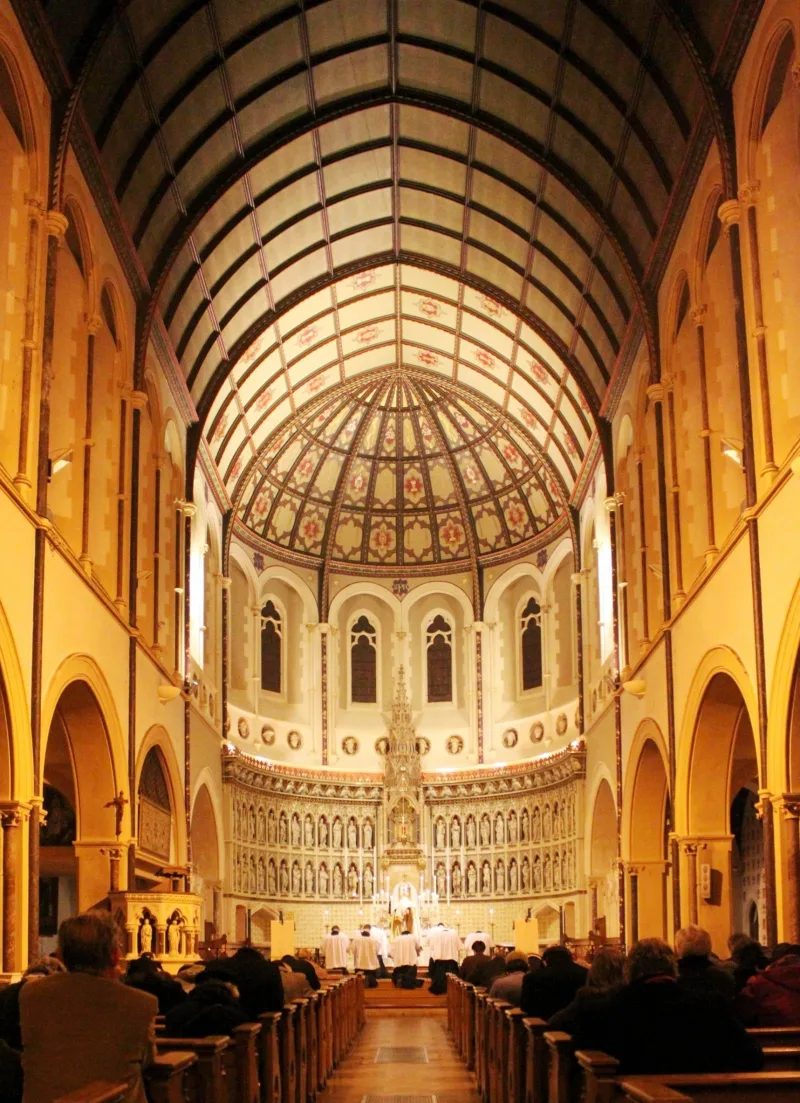
The Catholic parish church for central Oxford — completed in 1875 as a Jesuit foundation, taken over by the Birmingham Oratory in 1990, with a shrine to St John Henry Newman, restored Pippet murals, and a parish history that includes Gerard Manley Hopkins.
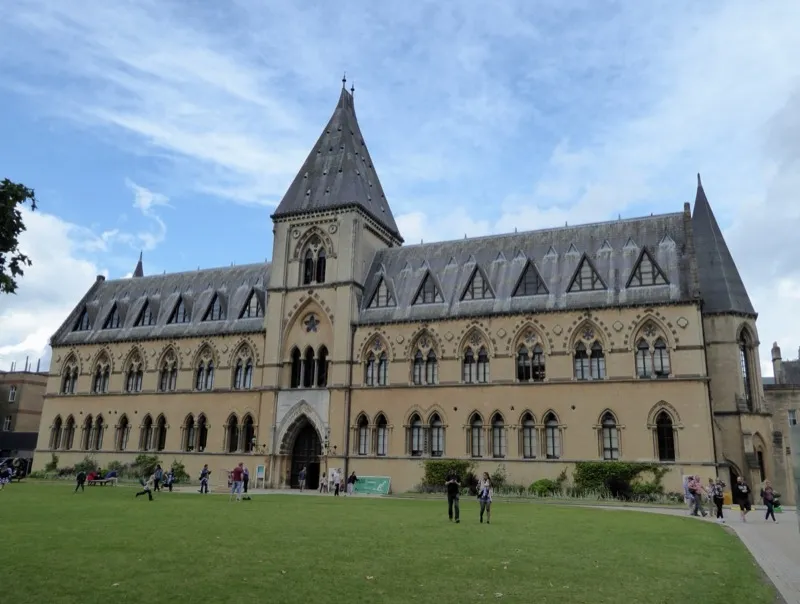
Dinosaurs, dodos, and Darwin's legacy — all under a Gothic Revival iron-and-glass roof.
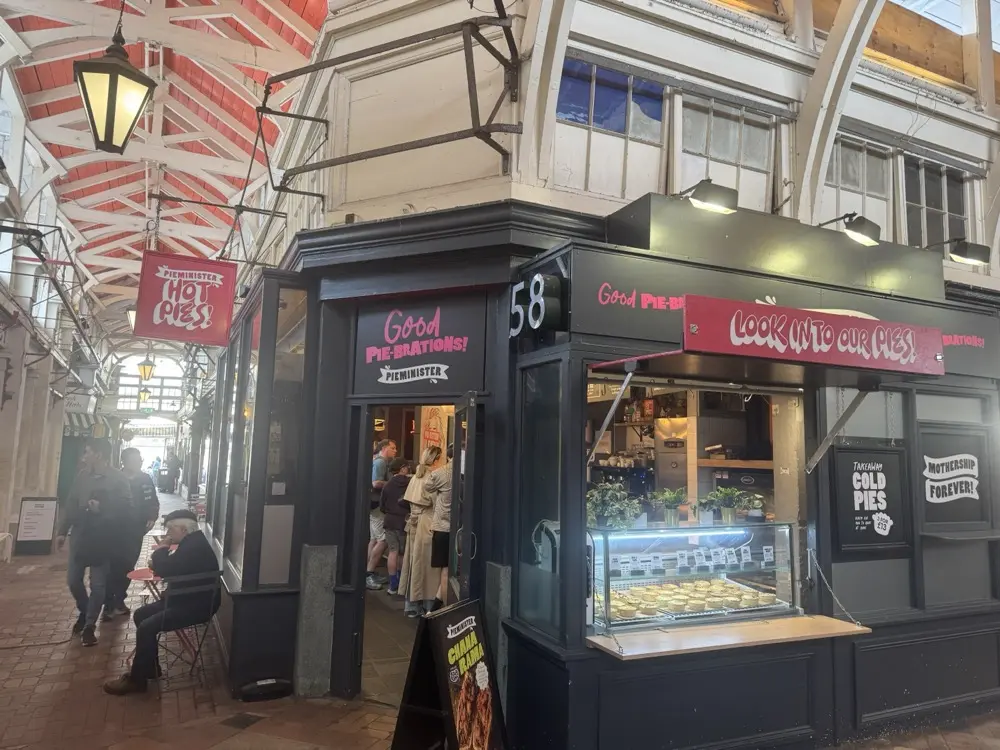
Proper pies in the Covered Market — the steak and ale is dependable, the specials rotate.
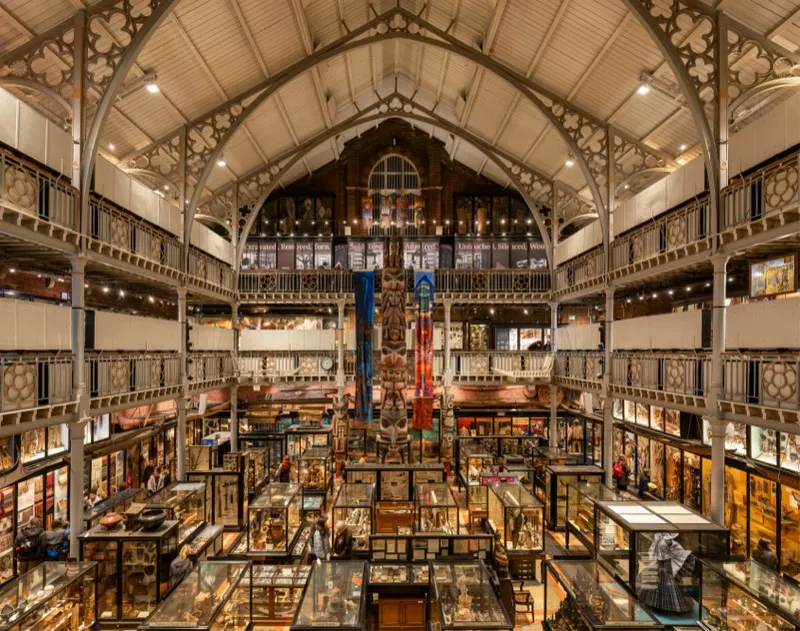
A Victorian cabinet of curiosities — shrunken heads, totem poles, and half a million objects from every culture on earth.
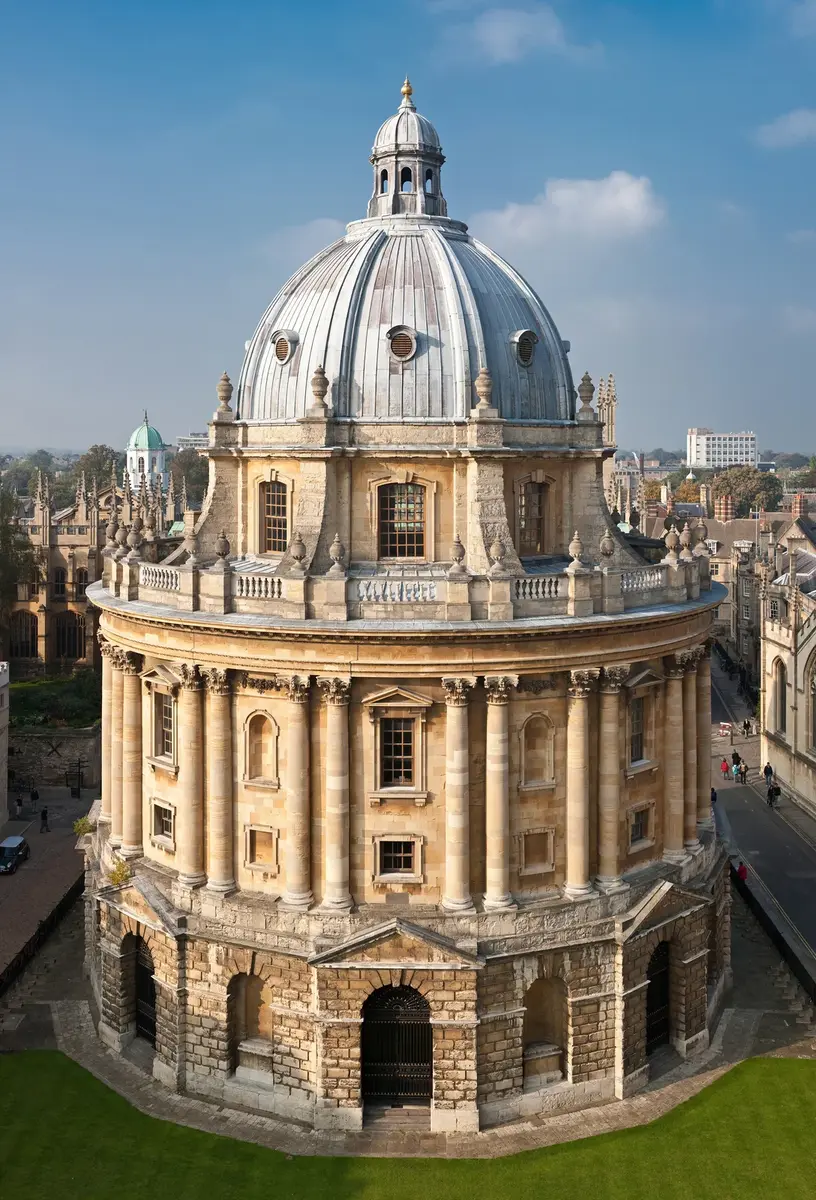
James Gibbs's English Palladian rotunda (1749) — the first circular library in the country and the most photographed building in Oxford.
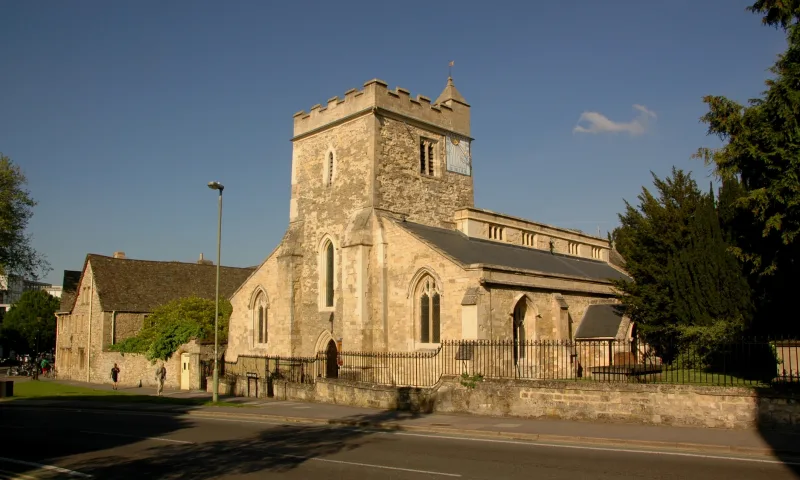
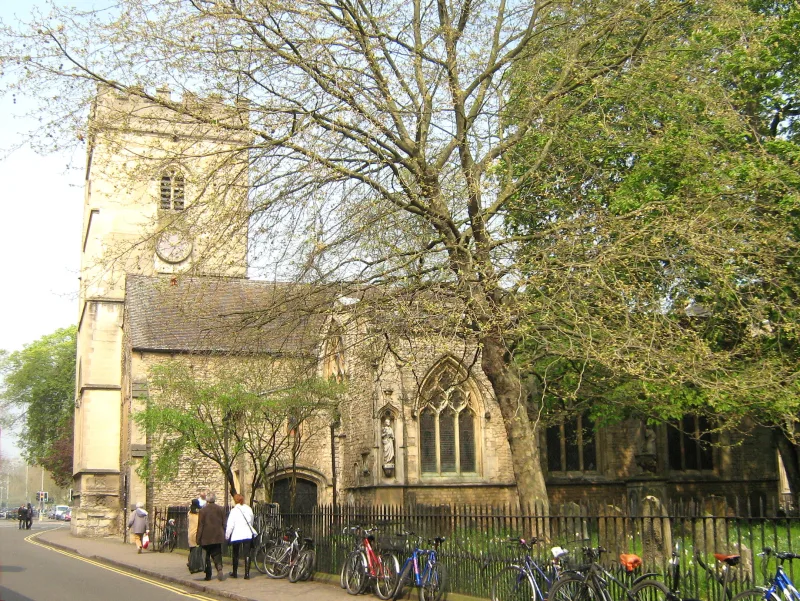
The 12th-century parish church opposite [Christ Church](/places/colleges/christ-church/) and next door to [Pembroke College](/places/colleges/pembroke/) — Saxon roots, a 13th-century tower rebuilt in 1873, and a glass vestibule opening onto St Aldate's.
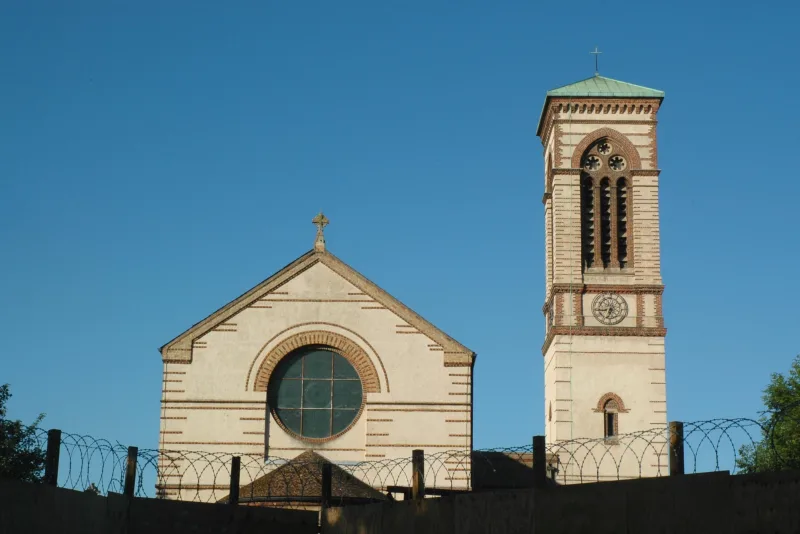
Jericho's Romanesque basilica — informally known as the 'Oxford Basilica' — built in 1869 by Sir Arthur Blomfield for Thomas Combe of OUP, modelled on San Clemente in Rome and the Ravenna basilicas, with an Italianate campanile visible across the canal.
A Grade I-listed Norman parish church on St Cross Road, closed in October 2008 and reopened in 2011 as Balliol College's Historic Collections Centre — and the church where, in fiction, Lord Peter Wimsey married Harriet Vane.
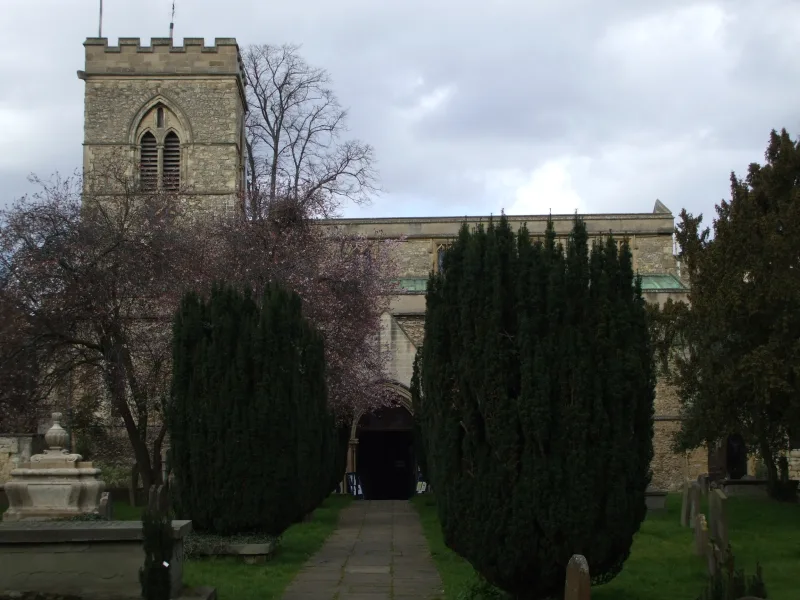
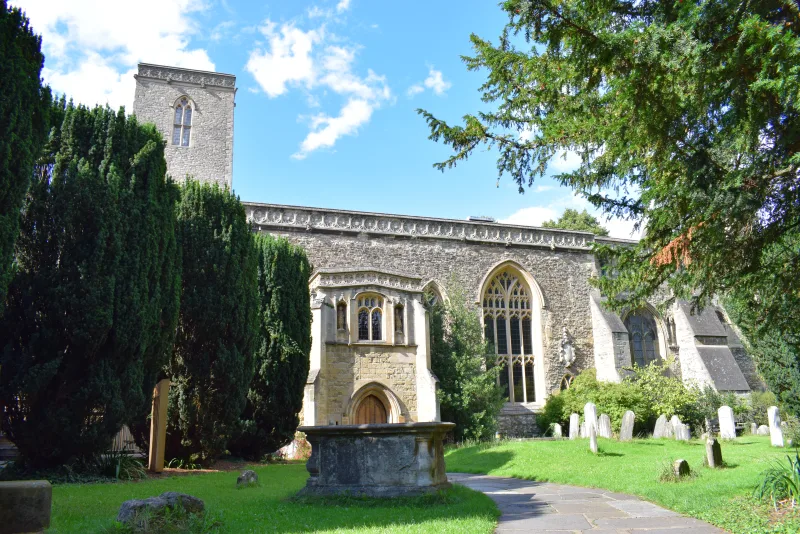
The Norman parish church at the northern head of St Giles', finished in 1120 and consecrated in 1200 by St Hugh of Lincoln — the consecration that gave Oxford [St Giles' Fair](/places/streets/st-giles/).
A Grade I-listed ancient parish church on Magdalen Street, with Saxon origins, work by Saint Hugh of Lincoln in 1194, and Oxford's first Gothic Revival interior — George Gilbert Scott's 1841 Martyrs' Aisle, complementing the [Martyrs' Memorial](/places/landmarks/martyrs-memorial/) immediately to the north.
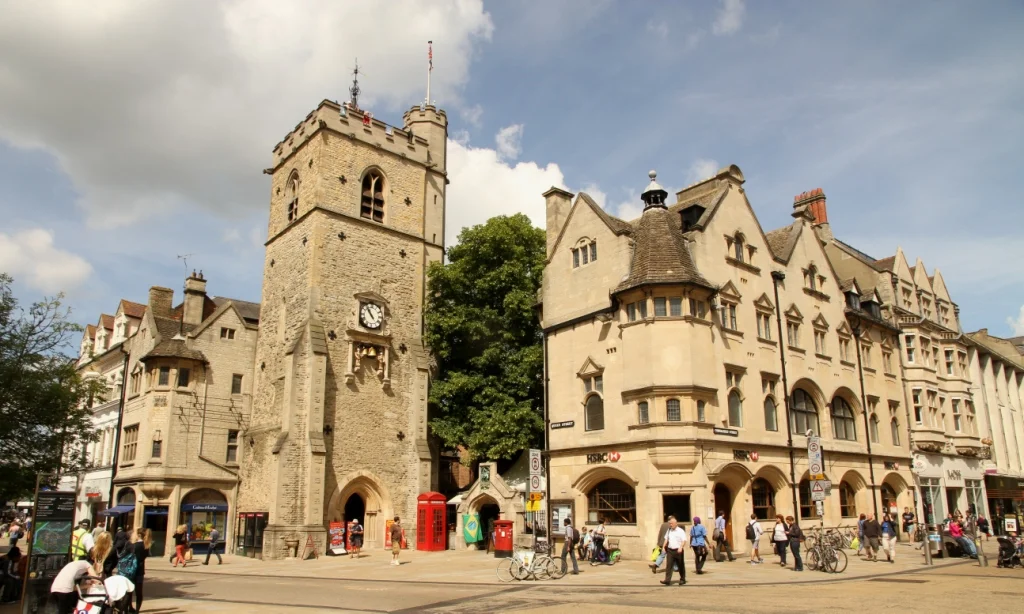
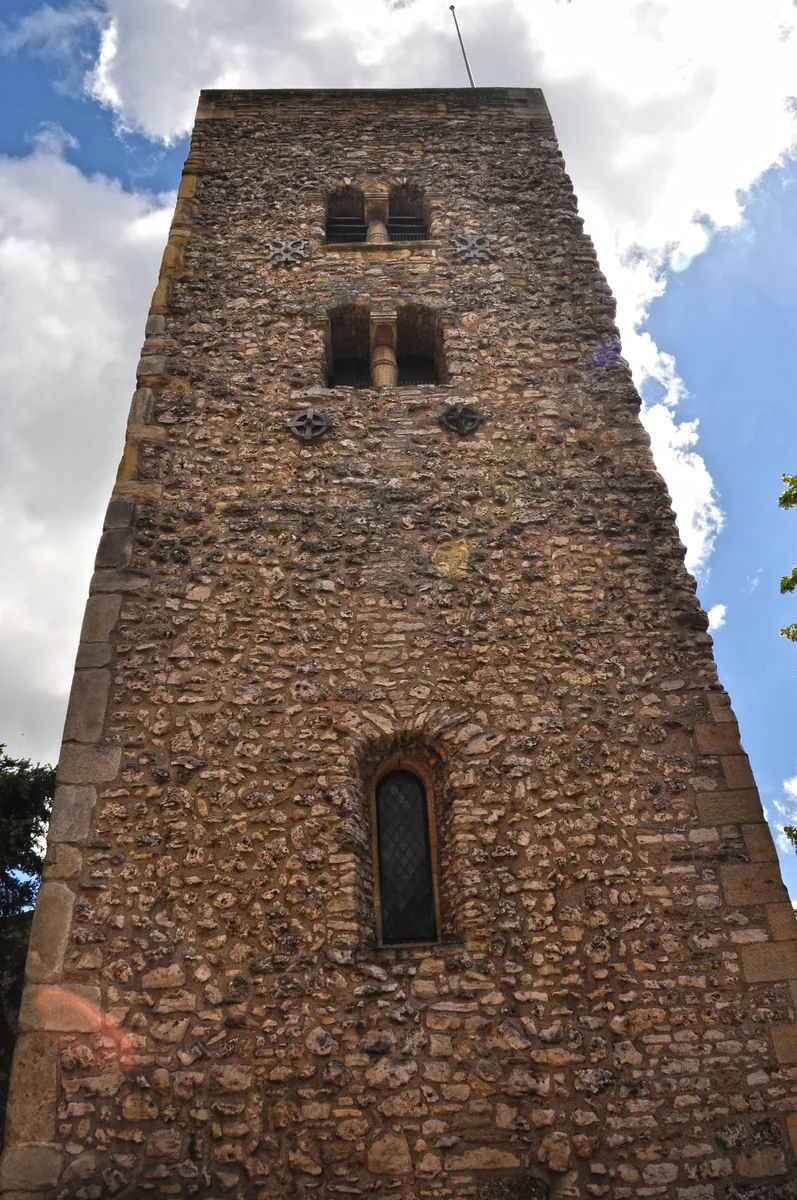
The Anglo-Saxon tower at the head of Cornmarket — c.1040, the oldest standing building in Oxford. The Bocardo Prison cell door behind which Cranmer, Latimer and Ridley were held in 1555-56 is preserved in the tower.
A 12th-century church on Queen's Lane, deconsecrated in the 1970s and now the library of [St Edmund Hall](/places/colleges/st-edmund-hall/) — with a small garden churchyard, a bronze statue of St Edmund as an impoverished student, and a Domesday Book mention from c.1085.
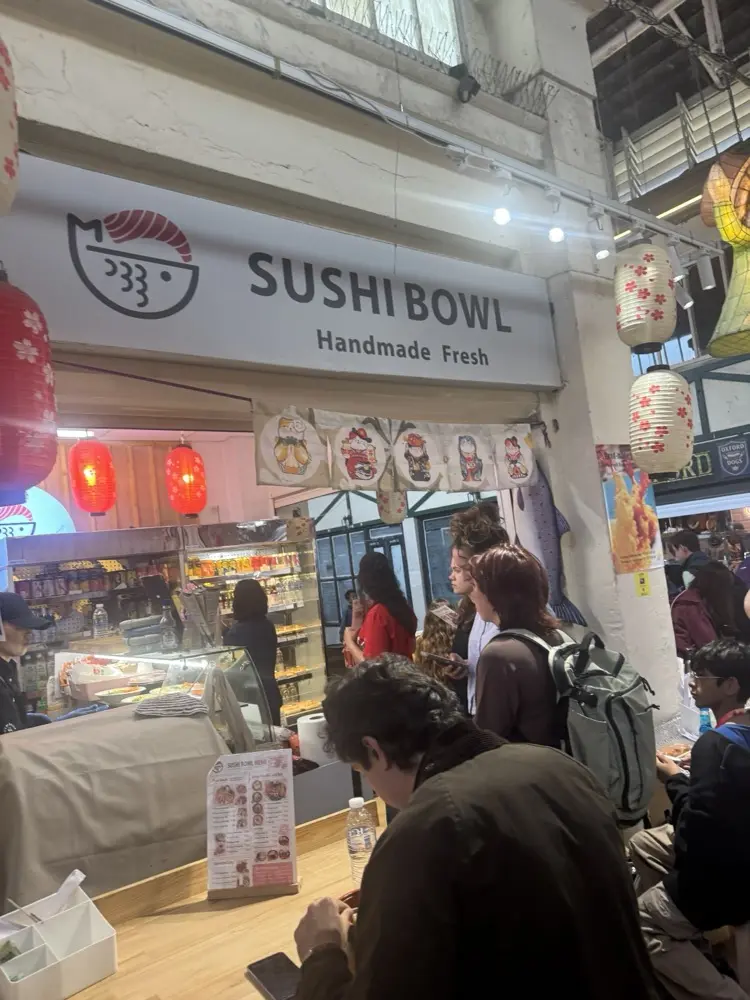
Handmade-fresh sushi counter in the Covered Market — paper lanterns over the door, photo menus in the window, takeaway boxes from the cabinet.
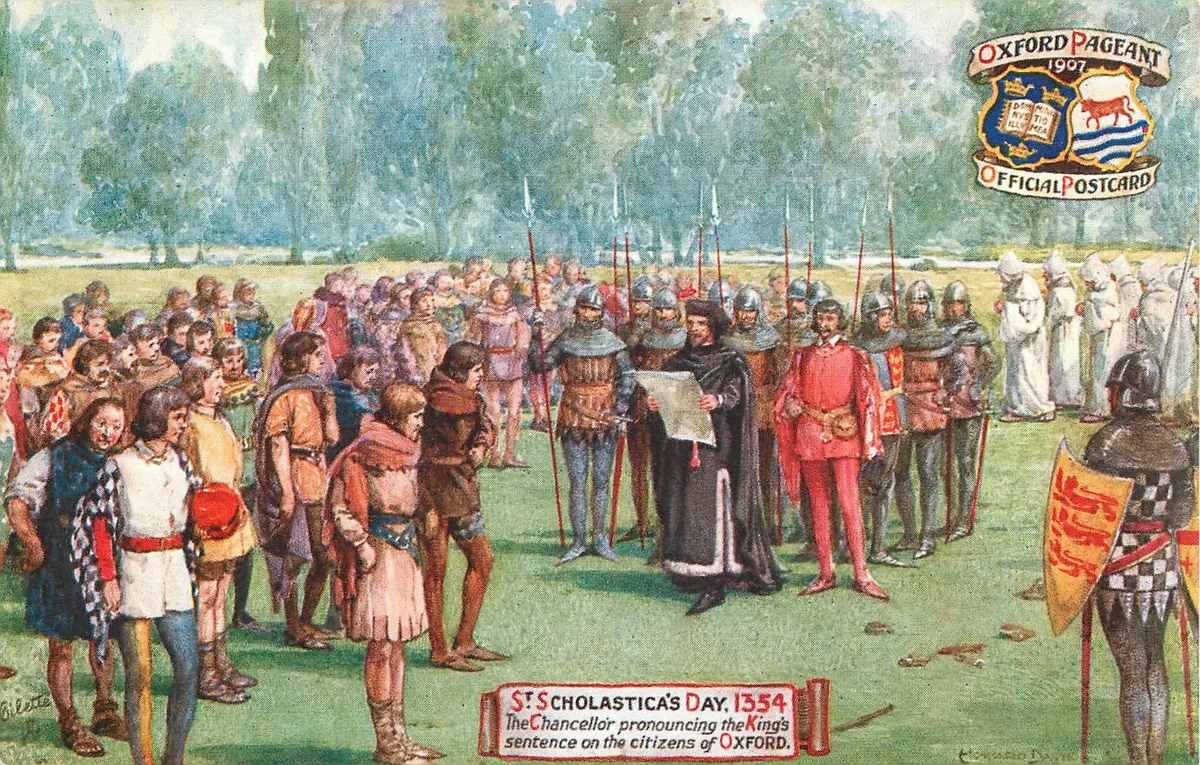
On 10 February 1355 two students complained about the wine at the Swindlestock Tavern at Carfax. Three days later, ninety-three people were dead — and the university had supremacy over the town for the next 470 years.
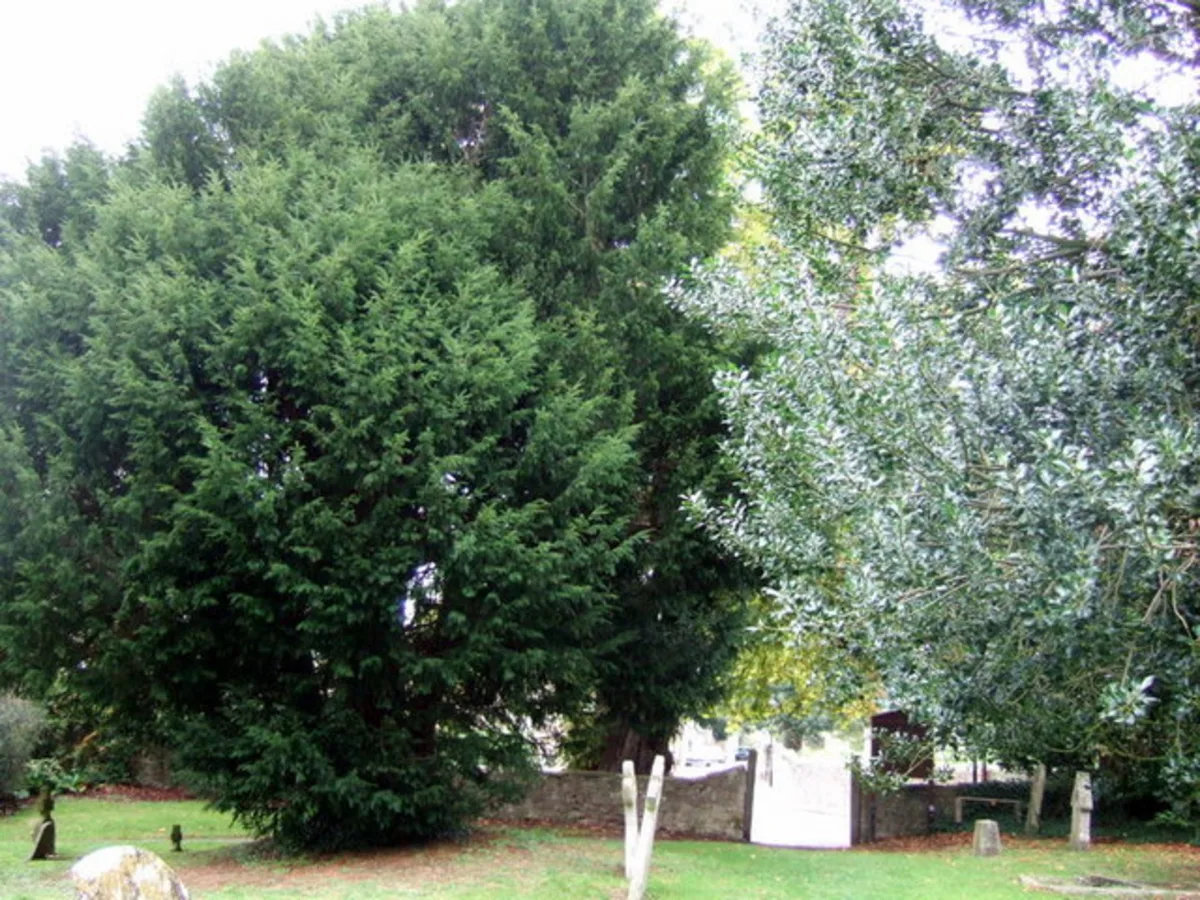
An ancient yew at the entrance to one of England's finest Norman churches — paired inside by John Piper's Tree of Life and Roger Wagner's Flowering Tree windows.
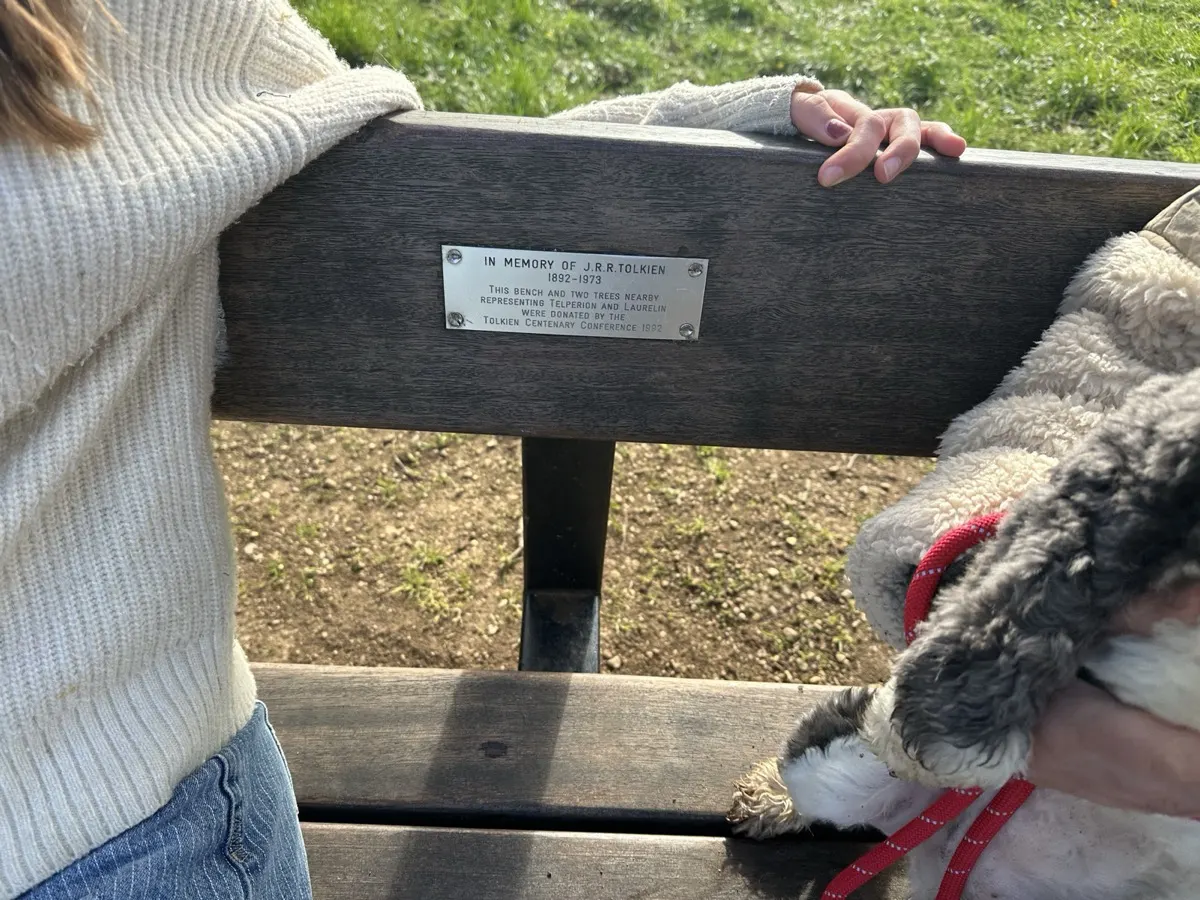
A brass-plaqued bench in University Parks, dedicated to J.R.R. Tolkien (1892–1973) by the Tolkien Centenary Conference in 1992 — accompanied by two trees said to represent Telperion and Laurelin, the Two Trees of Valinor.
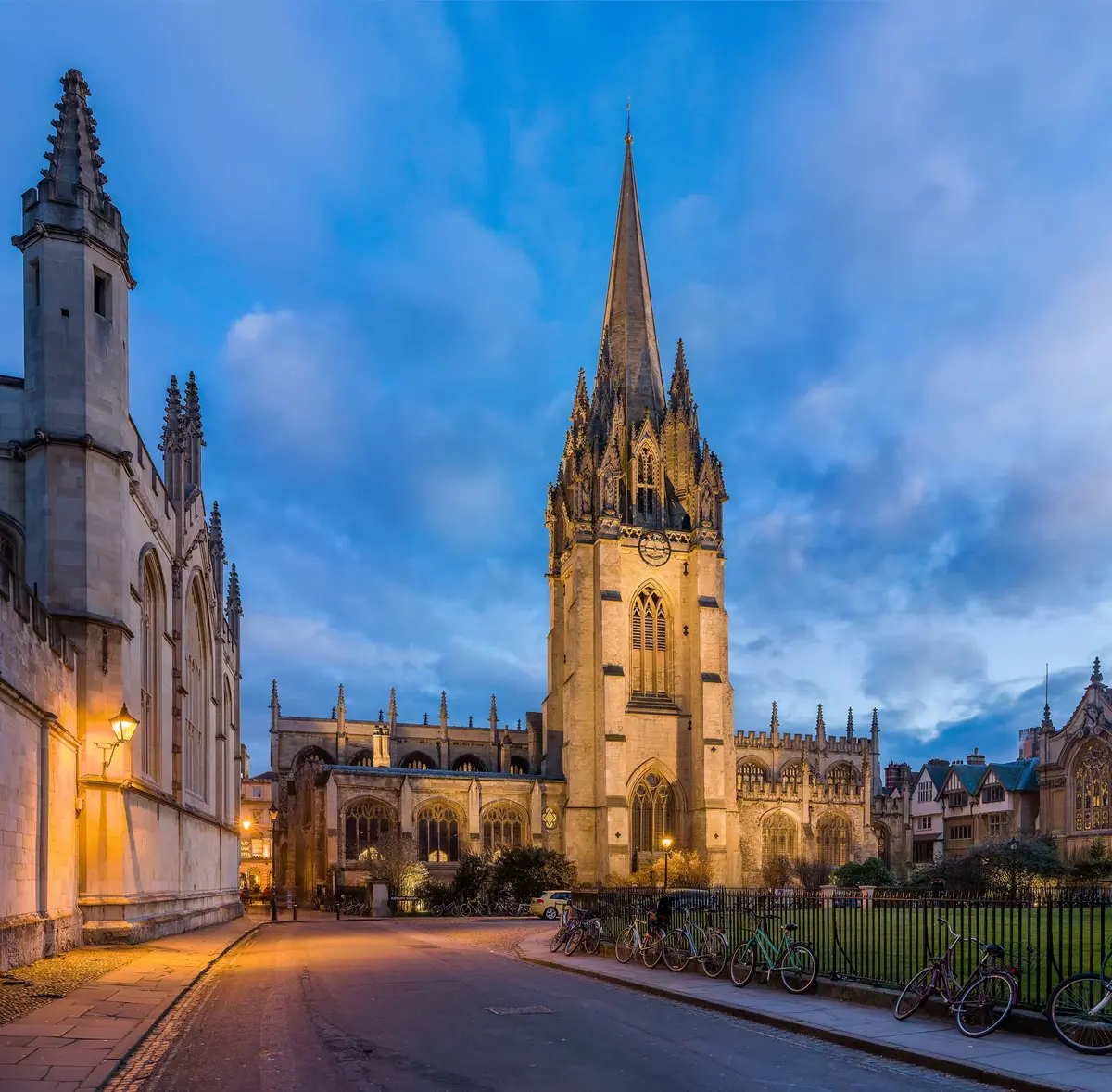
The University's church on the High Street, with one of the best tower views in Oxford and a 13th-century spire.
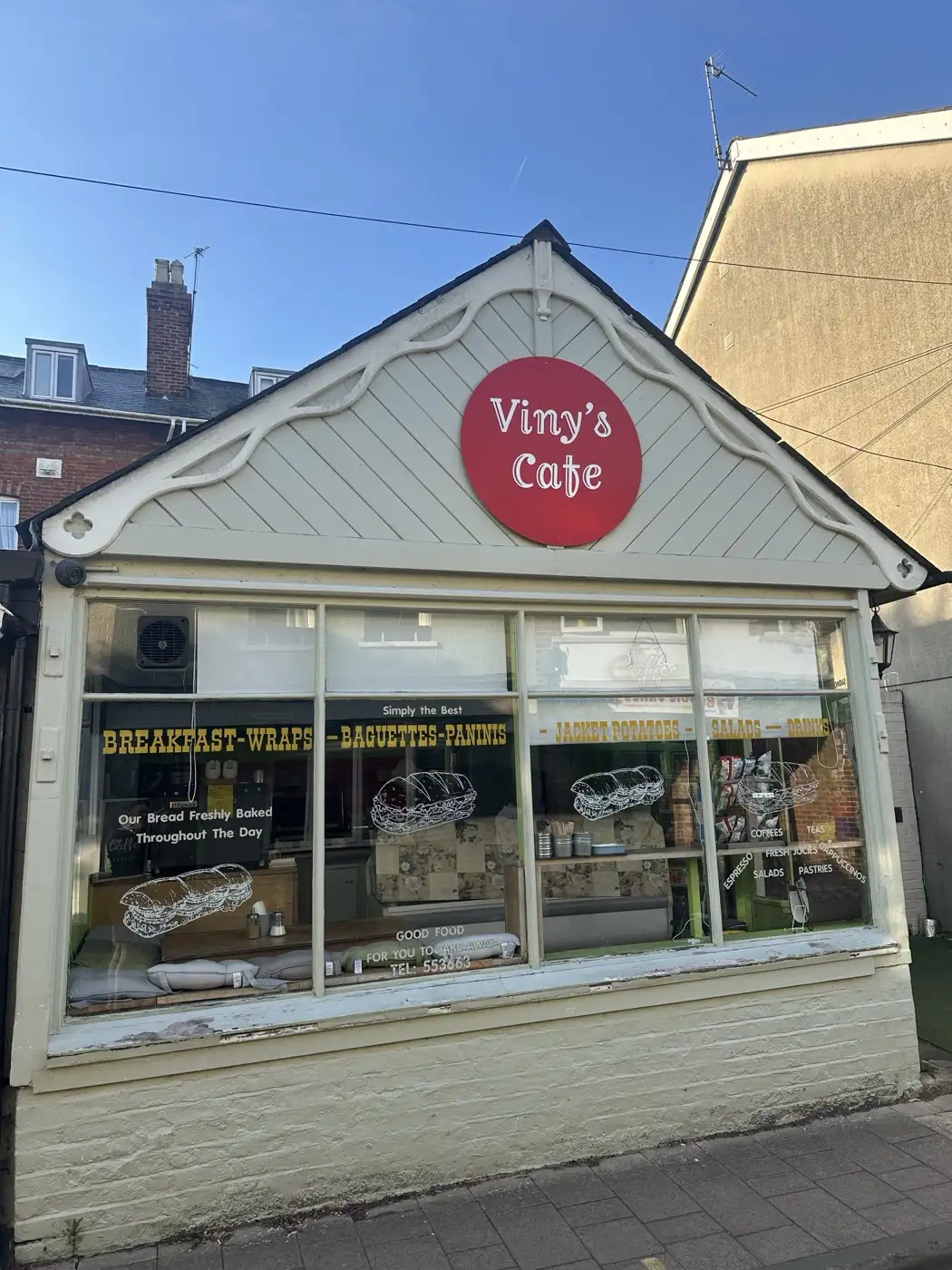
A no-frills sandwich cafe on North Parade — breakfast wraps, baguettes and paninis with bread baked through the day.
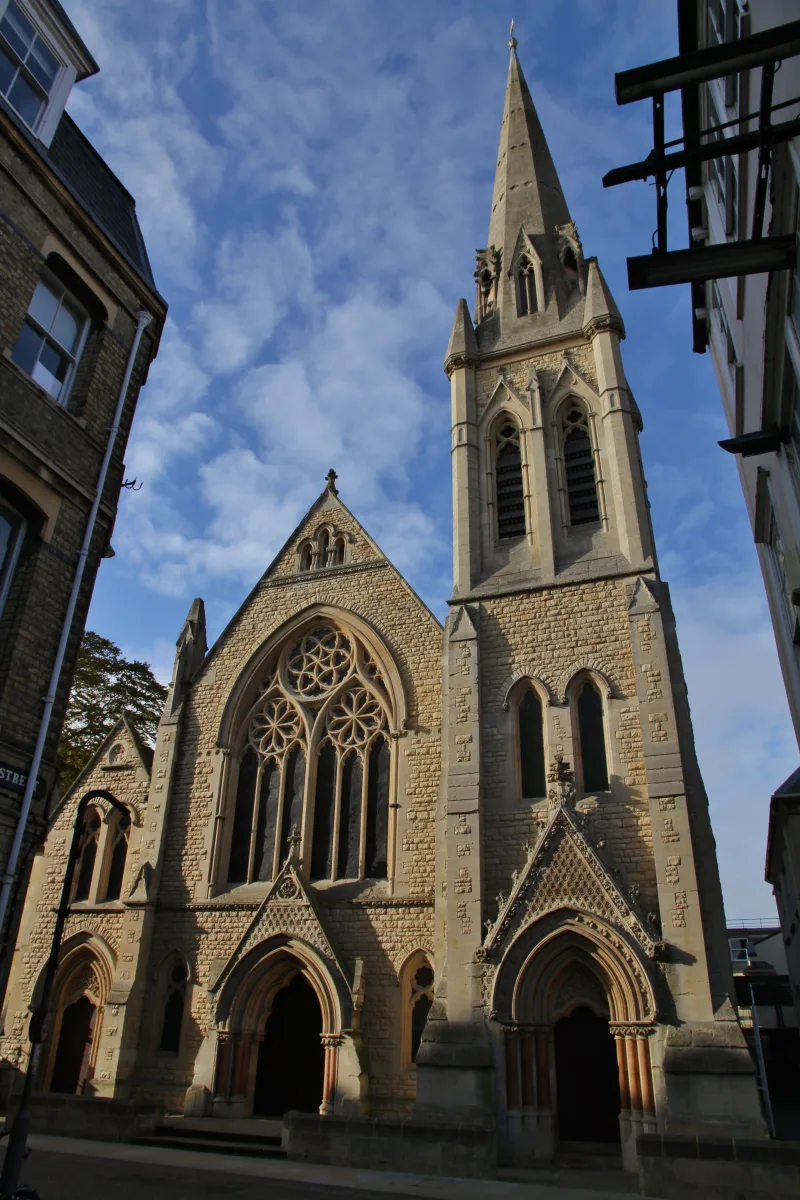
Central Oxford's Methodist church — the present Gothic Revival building was opened in 1878 by Charles Bell, on a street where John Wesley preached on 4 July 1783.
City cemetery opened in 1889. The Roman Catholic section contains the grave of J.R.R. Tolkien and his wife Edith, headstone inscribed Beren and Lúthien.
Authentic Italian gelato in the Covered Market.
The Covered Market's best-loved falafel stall — massive wraps, tiny prices.
Entirely plant-based street food — bold flavours drawn from global traditions.
The Covered Market's greengrocer since 1952 — seasonal fruit and veg from local farms.
The market traders' cafe — full English breakfasts and builder's tea since the early hours.
Coffee and college-baked pastries from a converted gardener's office in the St Edmund Hall churchyard.
Social enterprise cafe and co-working space in Jericho.
Tiny, no-frills Japanese canteen on Holywell Street — ramen, donburi, gyoza, and bento boxes.
Modern Punjabi street food in the Covered Market — from food van sensation to permanent stall.
Independent coffee from a horsebox outside the Natural History Museum.
Ethically sourced, Oxford-roasted specialty coffee — direct-trade beans with full traceability.
No-frills Thai cooking on the Cowley Road — big flavours, tiny prices, zero pretension.
Specialty coffee done with warmth and precision — pour-over and filter in central Oxford.
Proper Caribbean food on the Cowley Road — jerk chicken with soul, plantain with crunch, and rice and peas done right.
Every type of brush imaginable — a Covered Market institution.
An independent bakery in the Covered Market — honest cakes, pastries, and bakes without the artisan price tag.
A friendly local perched on The Plain roundabout — the gateway pub to east Oxford.
A no-frills St Clement's local where the quiz is taken seriously and the prices aren't.
Bike-themed cafe-bar on St Michael's Street — good coffee by day, cocktails by night.
Reachable only on foot or by boat — a riverside pub at Iffley Lock that feels like a secret.
Cheap cocktails and a sticky floor — Cowley Road's unrepentant late-night favourite.
Oxford's original specialty coffee shop — own-roasted beans on Turl Street.
A fiercely loved backstreet local off Cowley Road — the kind of pub communities fight to save.
Coffee and vinyl on the Cowley Road — browse records with a flat white in hand.
Vintage clothing on the Cowley Road — rammed rails at student-friendly prices.