Alice's Shop
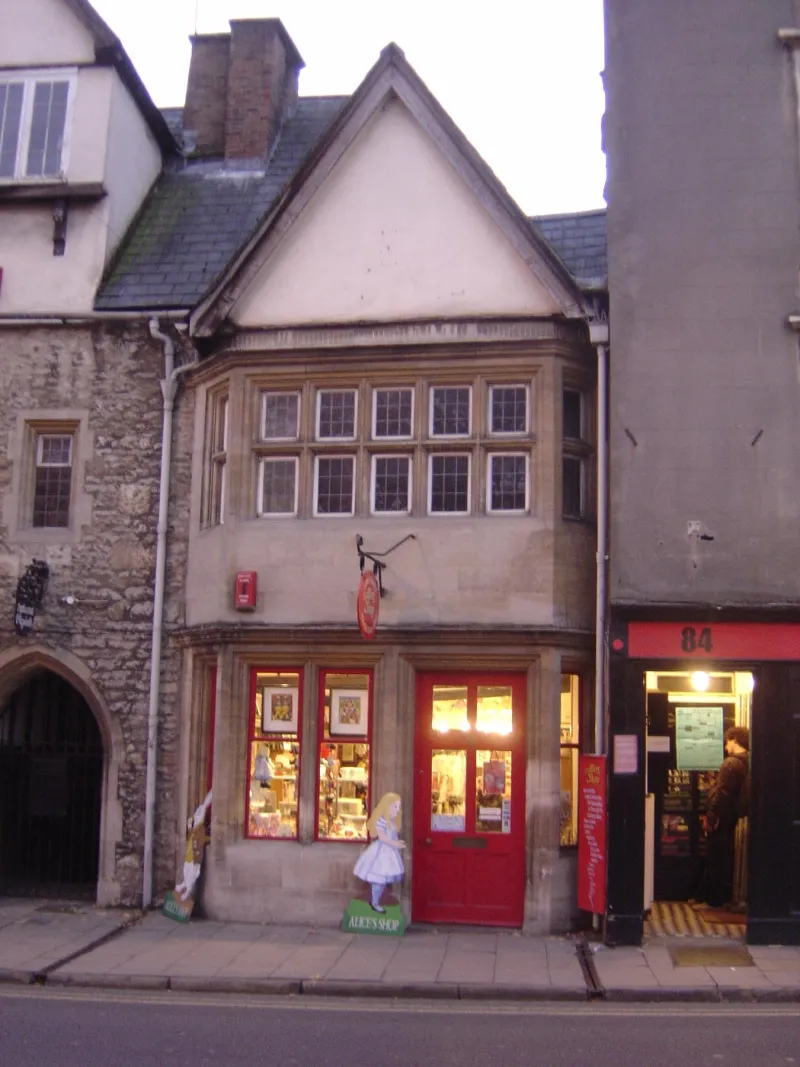
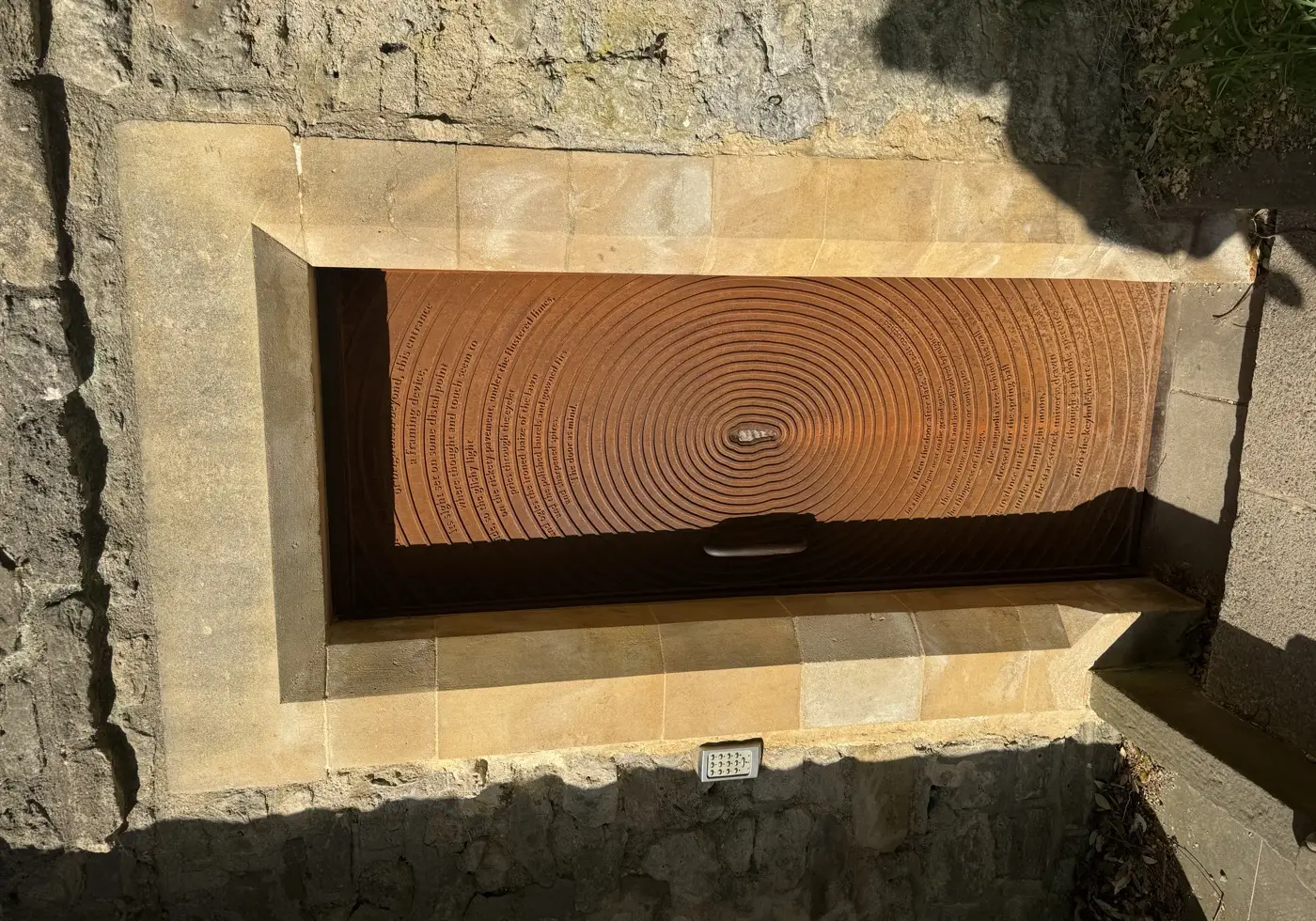
RecommendedThe real shop that inspired Tenniel's illustration in Through the Looking-Glass — now selling all things Alice.
En Oxford han nacido mas obras literarias que en casi cualquier otra ciudad del mundo. Tolkien escribio El Senor de los Anillos en su despacho de Merton College y tomaba pintas con C.S. Lewis en el Eagle and Child de St Giles'. Lewis Carroll creo a Alicia para la hija del decano de Christ Church. Philip Pullman ambiento La materia oscura en Jordan College (un Exeter College ficticio). Colin Dexter hizo que el Inspector Morse visitara practicamente todos los pubs de Oxford. Oxford no es solo el escenario de la literatura — la moldeo.
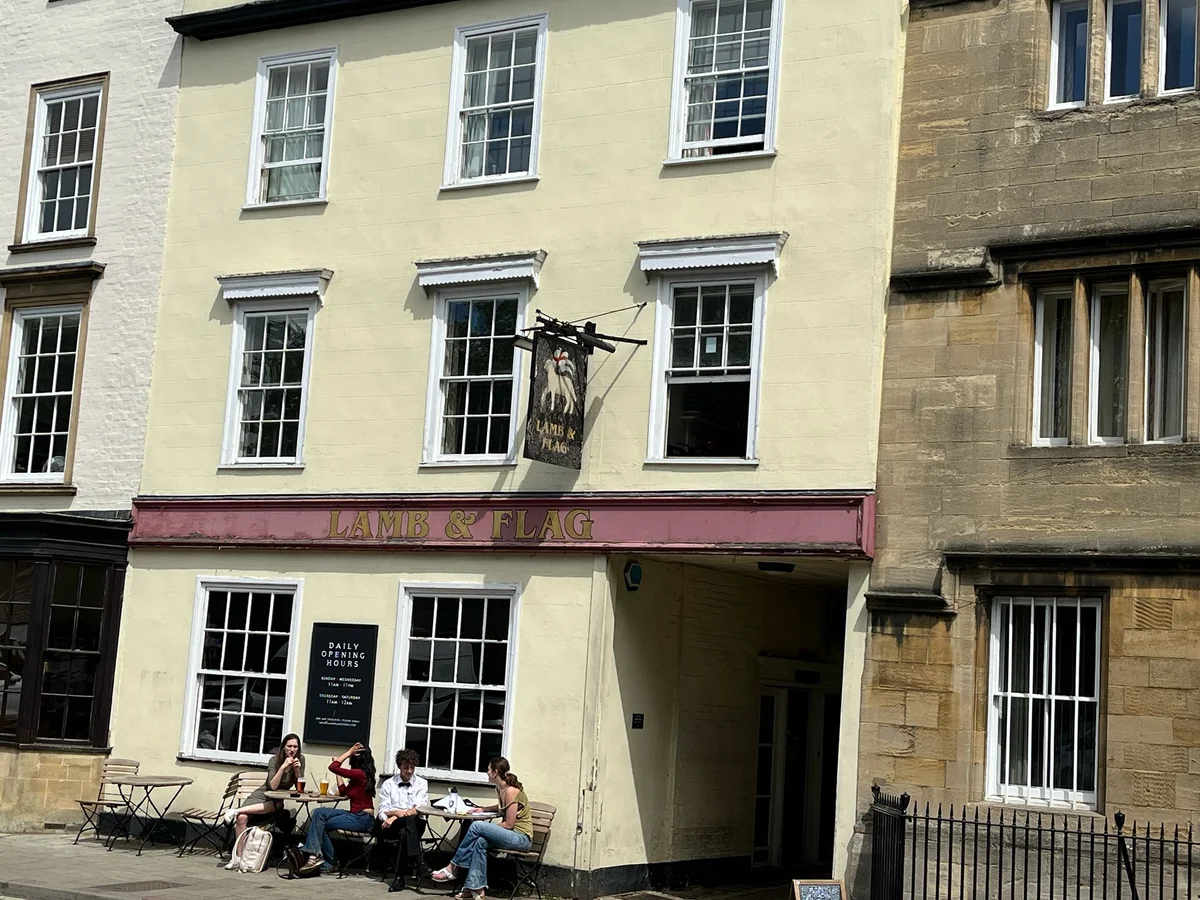
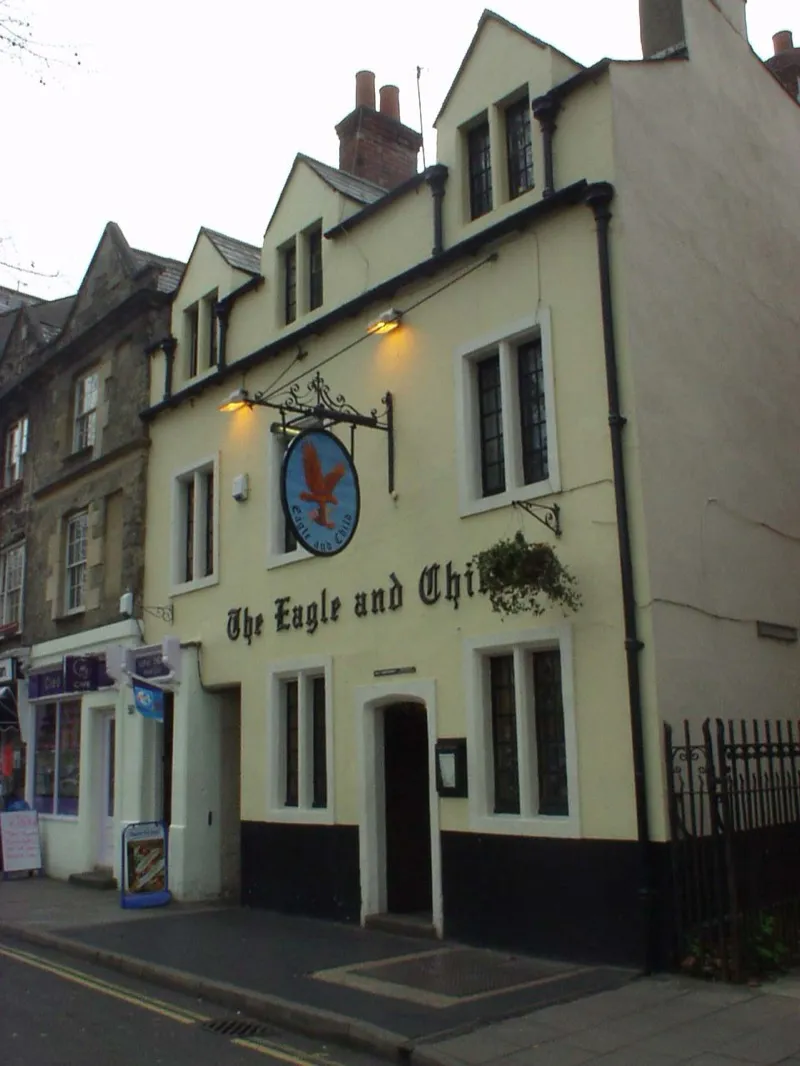
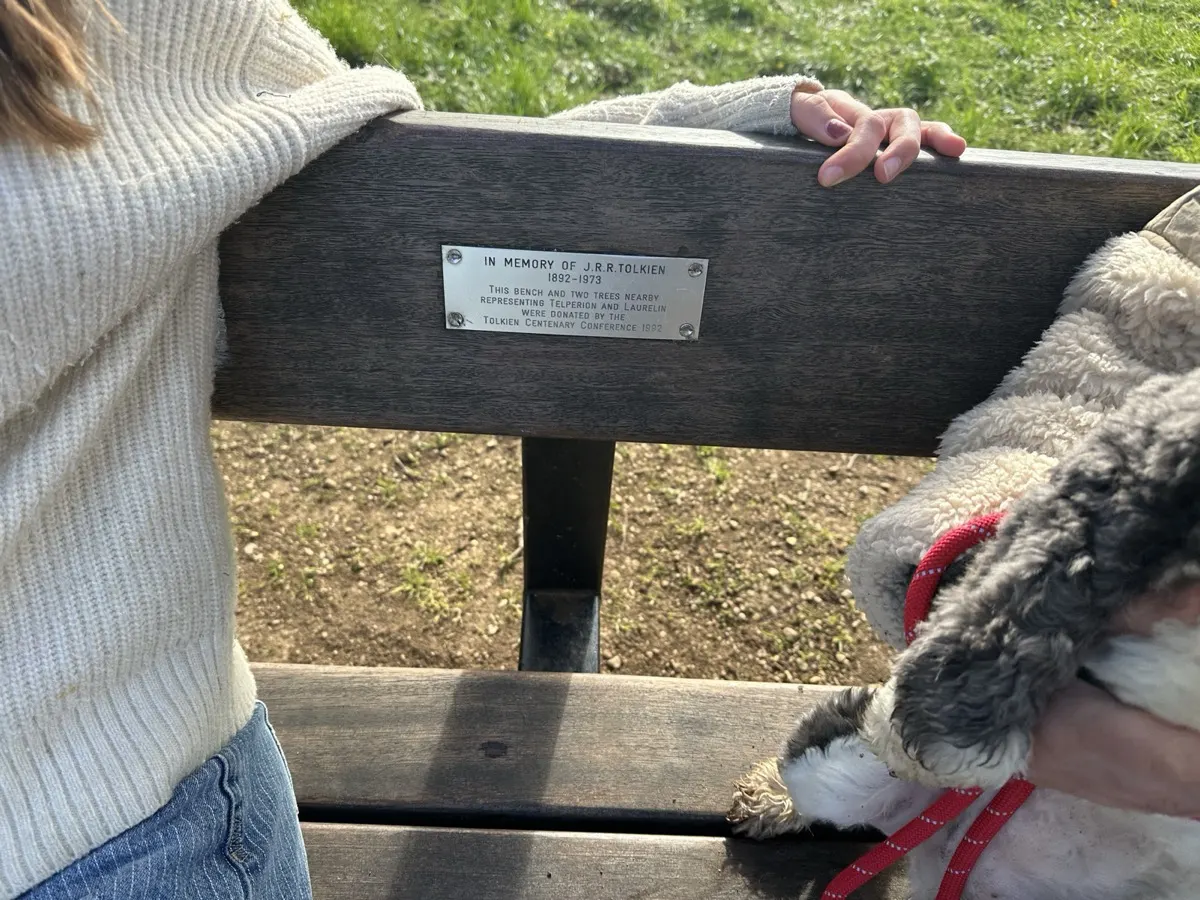
J.R.R. Tolkien y C.S. Lewis eran los miembros centrales de los Inklings, un grupo literario informal que se reunia los martes por la manana en el Eagle and Child de St Giles' (los habituales lo llamaban "Bird and Baby"). Cuando la sala trasera del Eagle se volvio demasiado ruidosa, se mudaron al Lamb and Flag de enfrente. Tolkien fue fellow de Exeter College (1911-1915) y despues profesor de ingles en Merton College (1945-1959). Lewis fue fellow de Magdalen College durante casi treinta anos. La casa de Lewis en Headington, The Kilns, se puede visitar con cita previa.
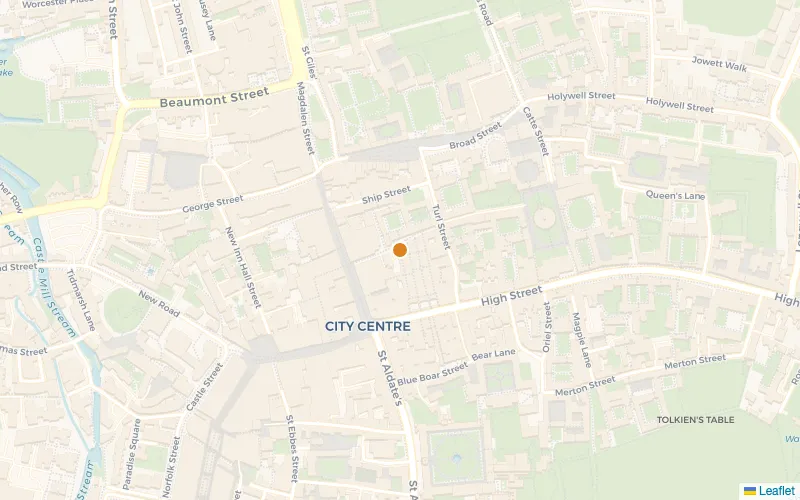
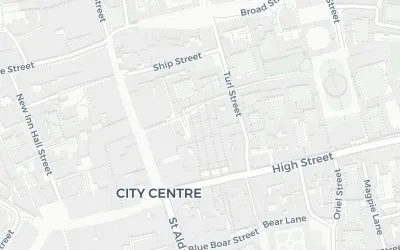
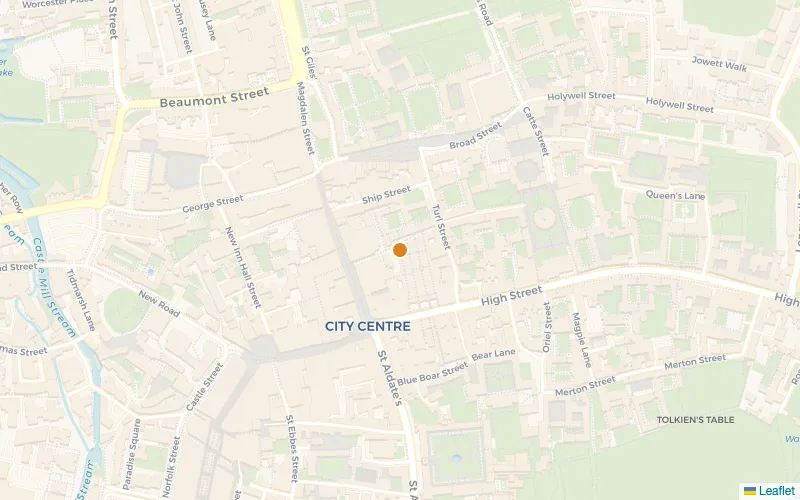
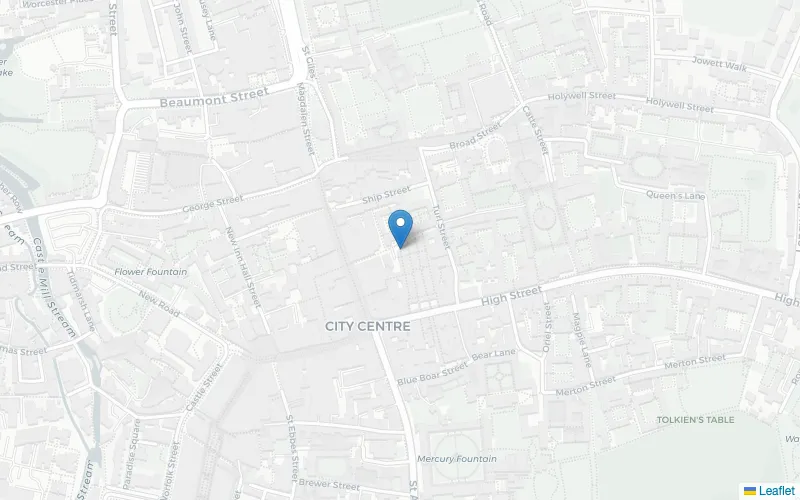
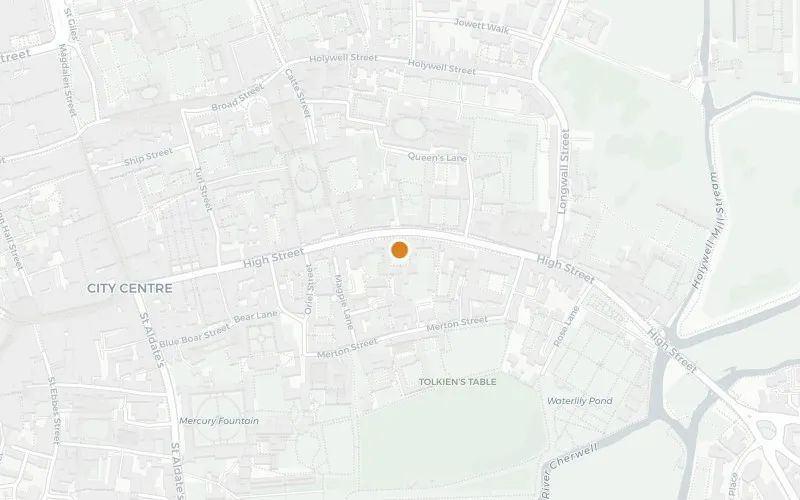
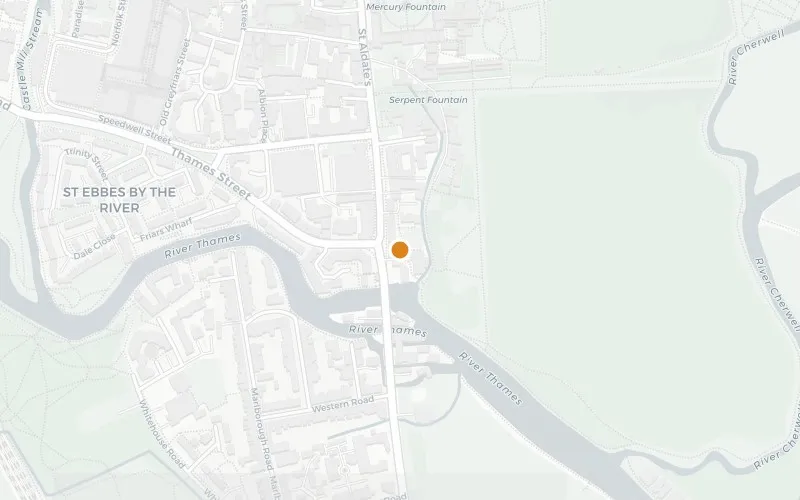
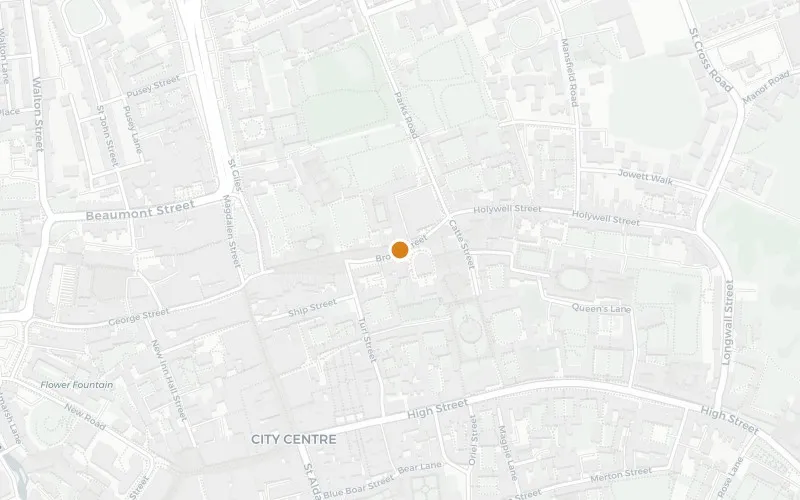
Charles Dodgson (Lewis Carroll) paso la mayor parte de su vida como profesor de matematicas en Christ Church. La historia de Alicia se conto por primera vez a Alice Liddell, hija del decano, durante un paseo en barca por el Tamesis. La ornamentada chimenea del comedor del colegio inspiro escenas clave. La tienda de Alice (Alice's Shop) al otro lado de St Aldate's es la original "Old Sheep Shop" de A traves del espejo, ahora con recuerdos del Pais de las Maravillas.
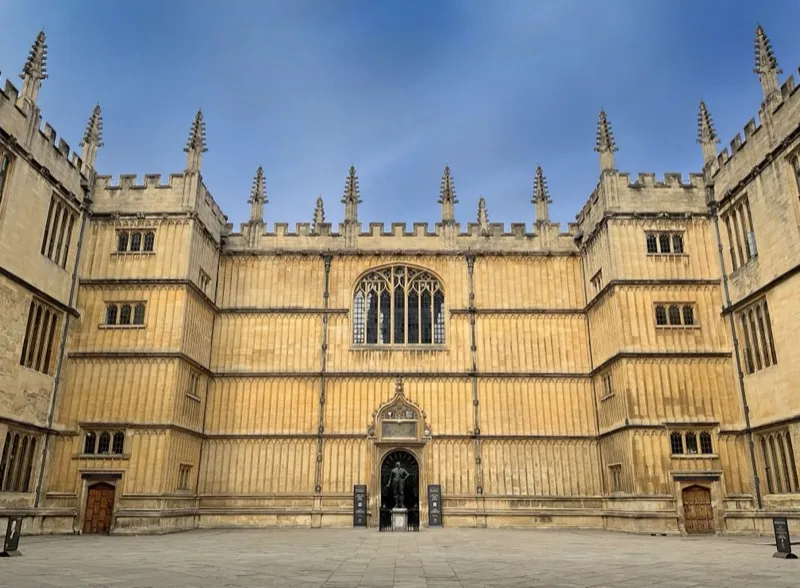
Pullman estudio en Exeter College en los anos 60. Su ficticio Jordan College se basa en la distribucion de Exeter, pero tambien incorpora elementos de otros colegios. La Bodleian Library, el Covered Market y el Pitt Rivers Museum aparecen en La materia oscura. Pullman ha dicho que situo sus novelas en Oxford porque la arquitectura de la ciudad parece capaz de esconder puertas a otros mundos en cualquier momento.
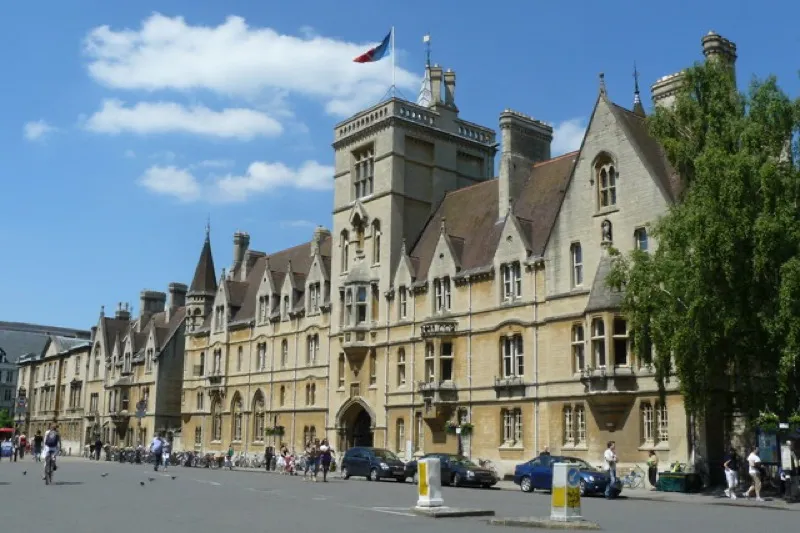
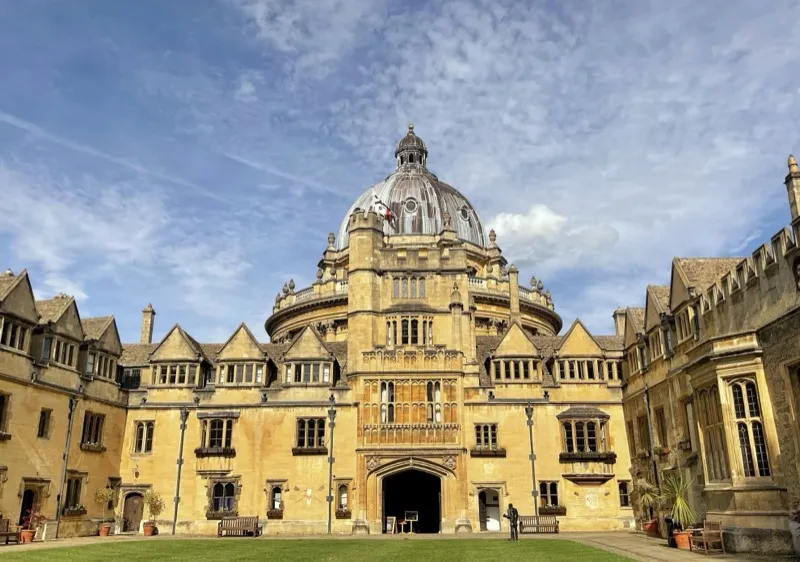
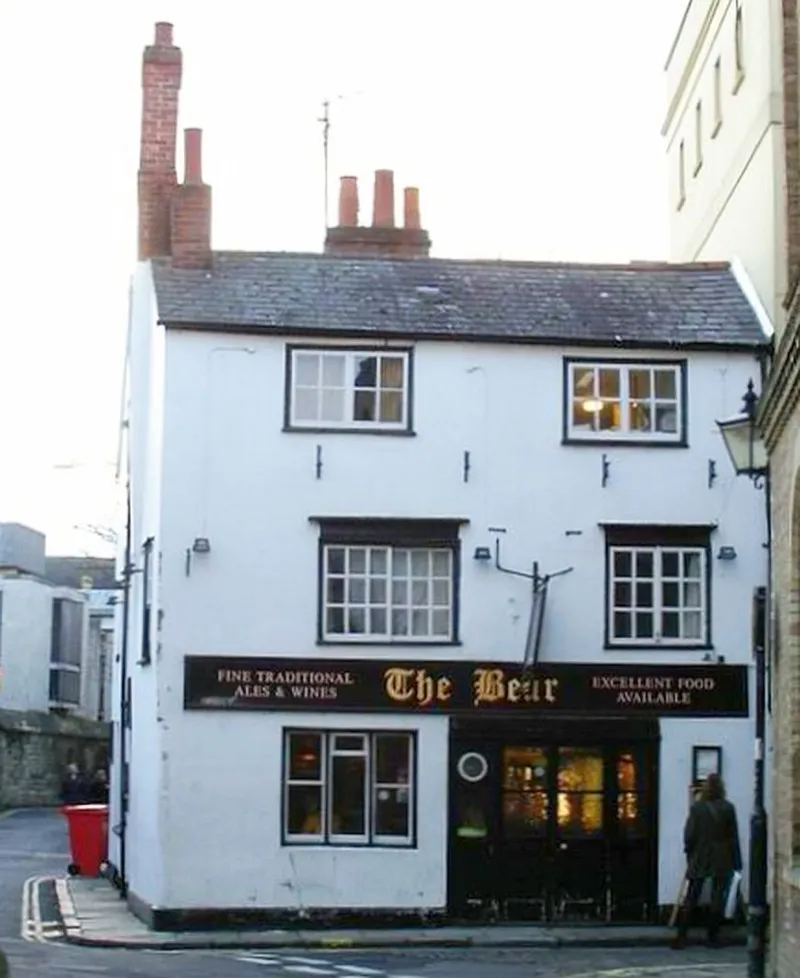
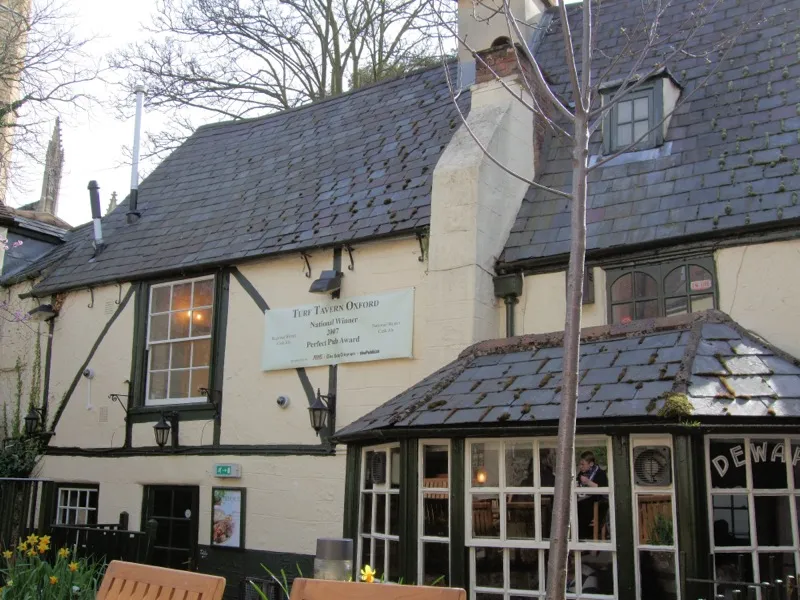
Las novelas de Inspector Morse de Colin Dexter, y la posterior serie de television, utilizan Oxford como escenario atmosferico para sus casos. Morse bebia en el King's Arms, el White Horse y el Turf Tavern. Los escenarios de rodaje incluyen Brasenose, Wadham, Hertford y Exeter. El Randolph Hotel en Beaumont Street aparece repetidamente. Los tours tematicos de Morse siguen siendo muy populares, y el Turf Tavern tiene una placa conmemorativa de la serie.
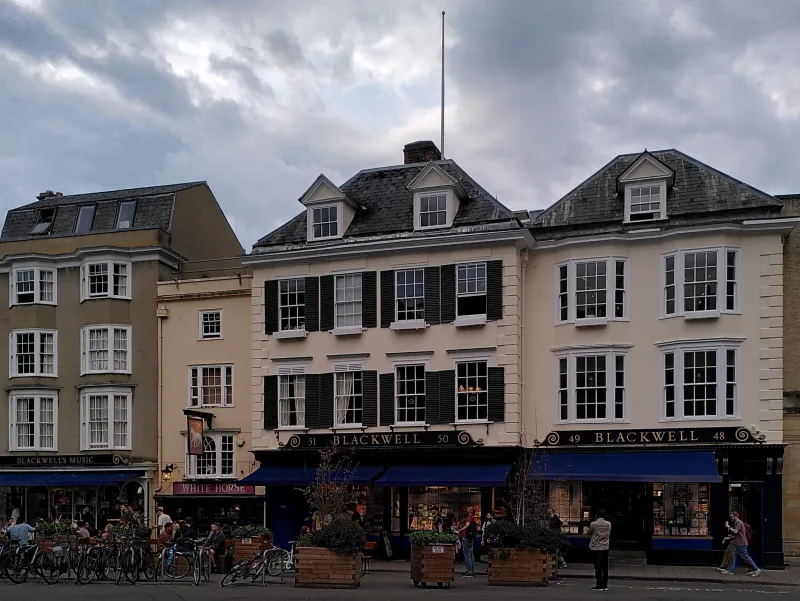
Blackwell's en Broad Street es una de las librerias mas grandes del mundo, con la Norrington Room subterranea que tiene mas de cinco kilometros de estanterias. La tienda de la Bodleian Library vende libros academicos y regalos literarios. Para ediciones raras y libros antiguos, Sanders of Oxford en High Street tiene mapas, grabados y primeras ediciones.
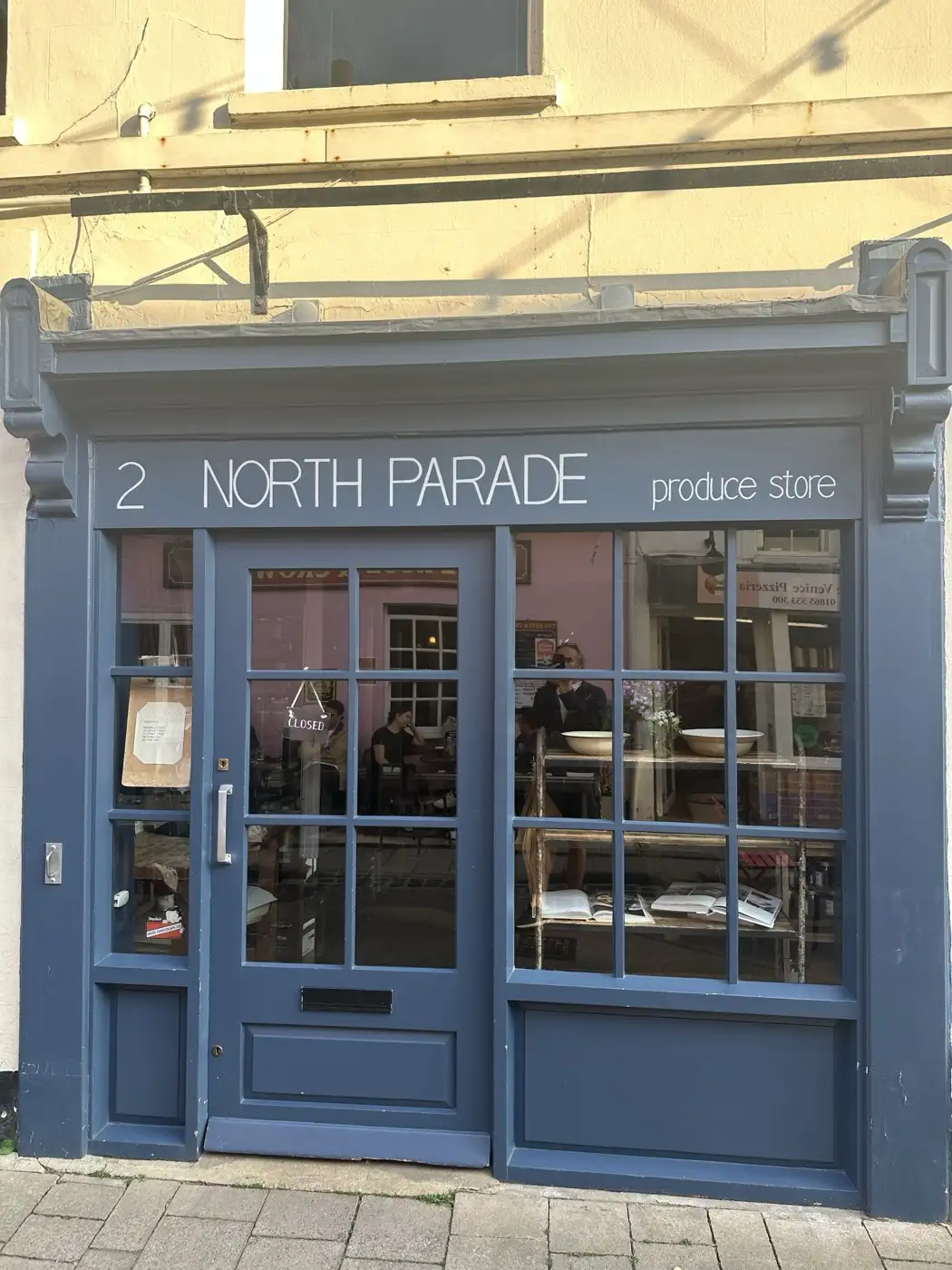
The real shop that inspired Tenniel's illustration in Through the Looking-Glass — now selling all things Alice.
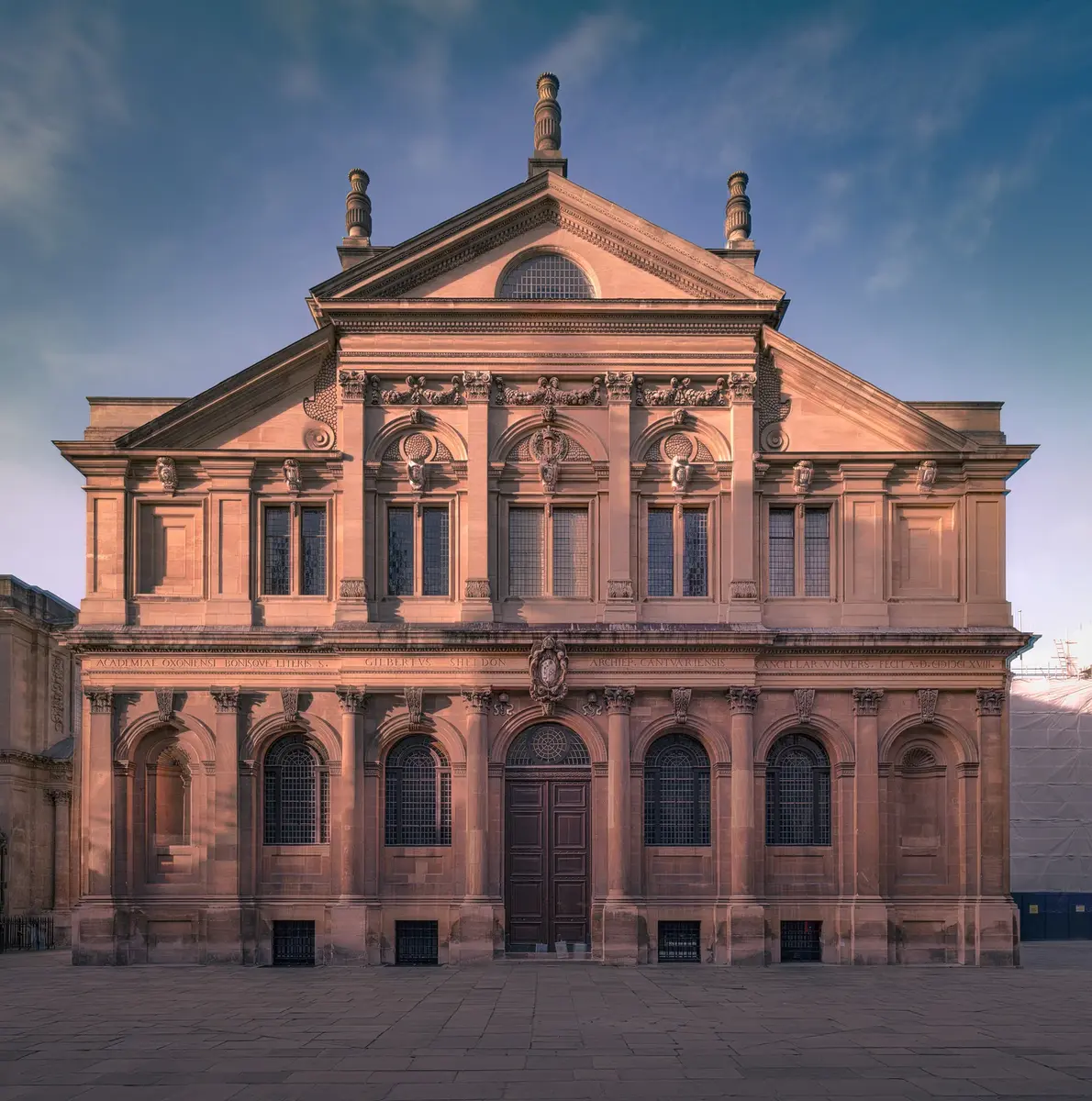
No students, the hardest exam in the world, and Hawksmoor's twin towers
The world's first university museum — free, with major collections of art and archaeology.
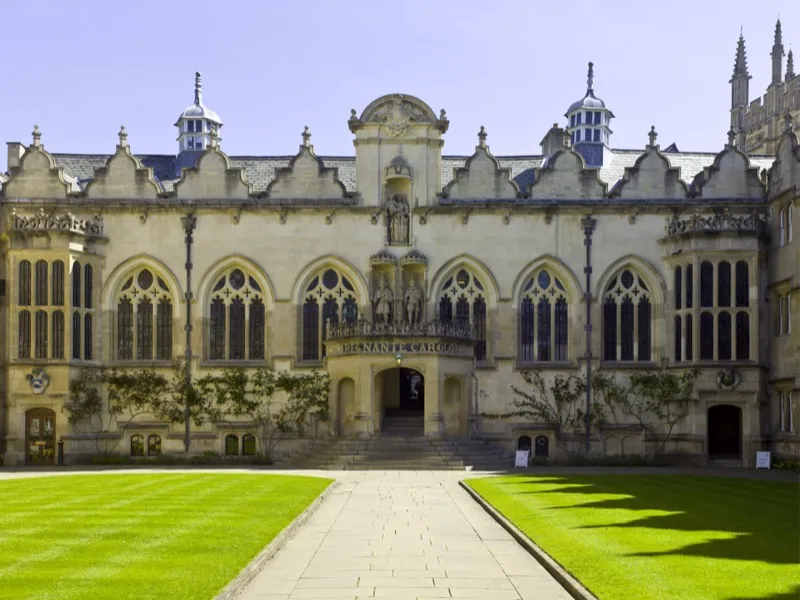
One of Oxford's oldest colleges — plain outside, historically significant inside
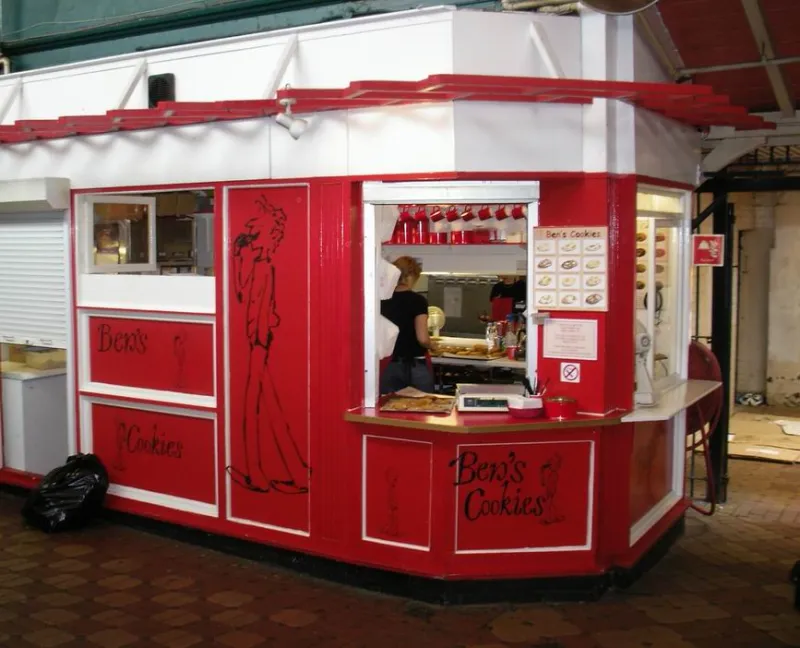
The original Ben's Cookies — baked fresh in the Covered Market since 1984, famous far beyond Oxford.
An Oxford institution since 1879 — Broad Street bookshop with the cavernous Norrington Room below.
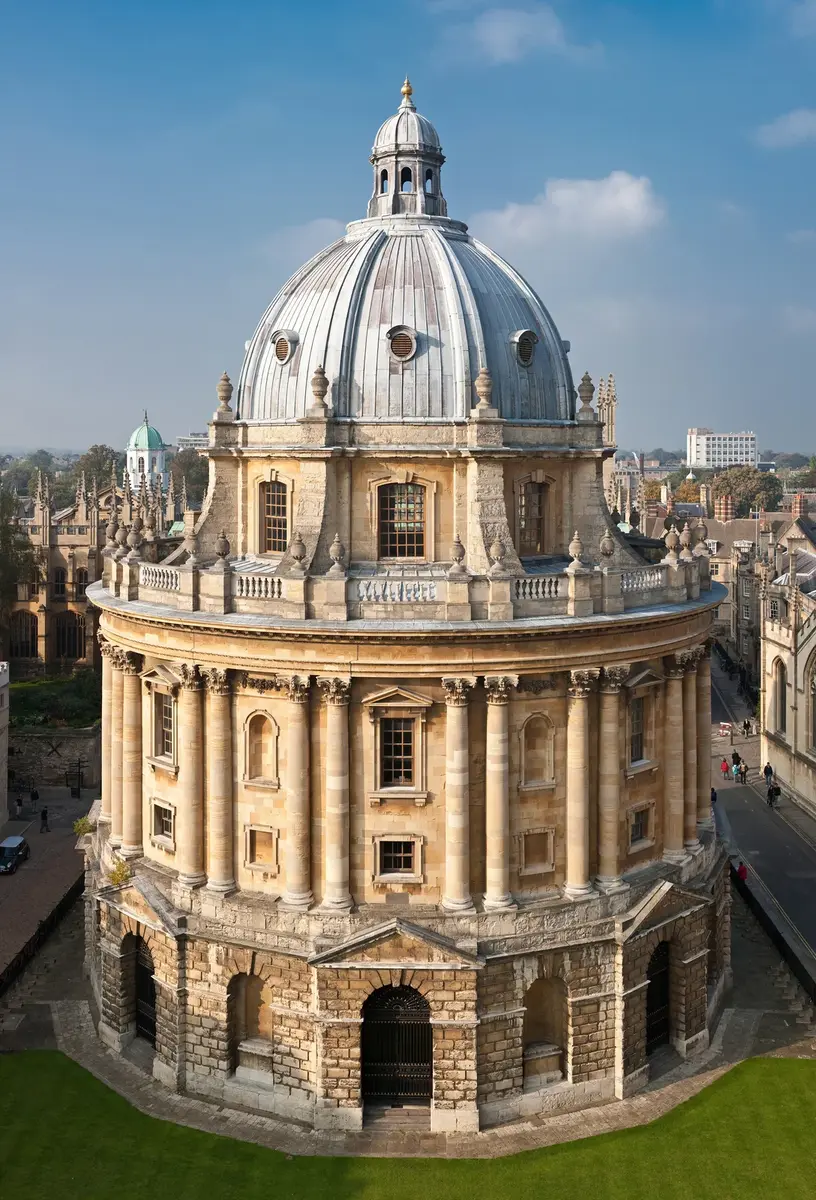
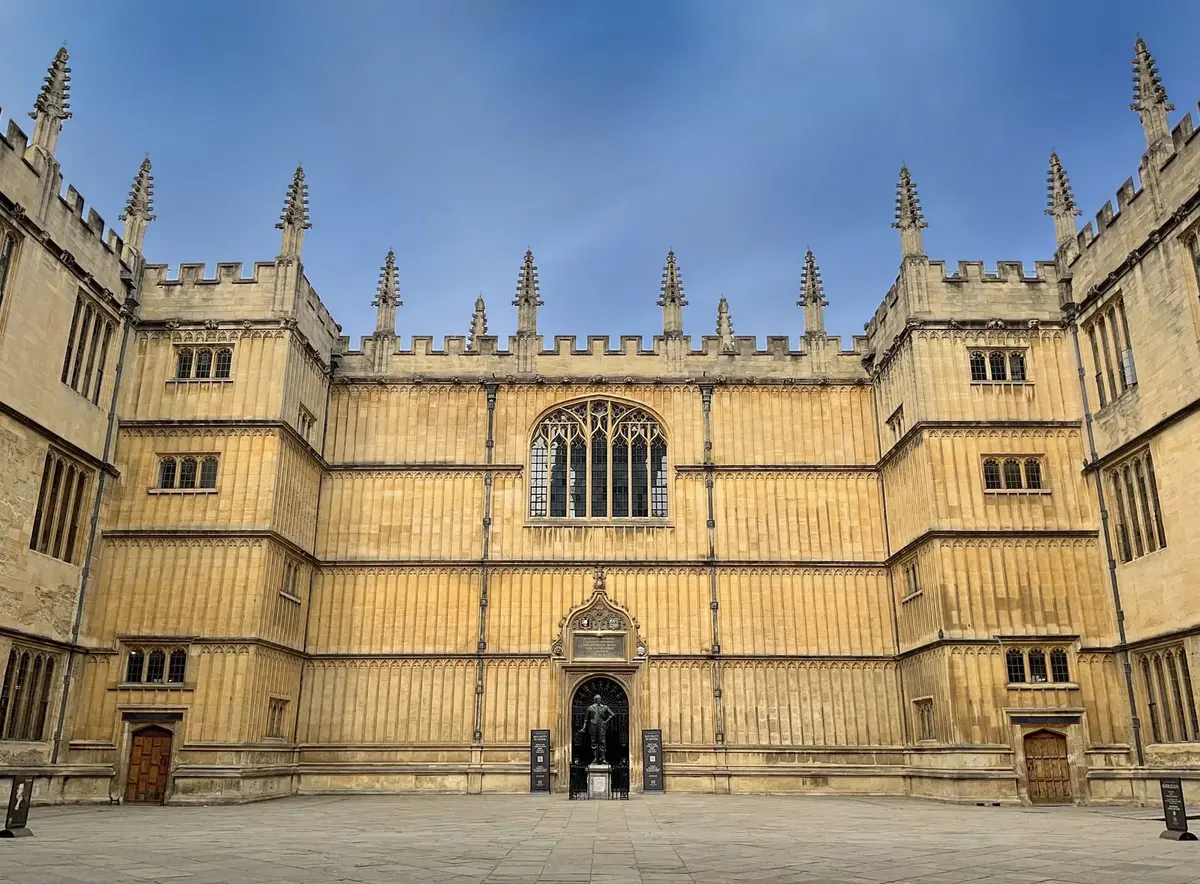
One of the oldest libraries in Europe — the Divinity School, Duke Humfrey's Library, and the Radcliffe Camera.
Right behind the Radcliffe Camera — an intimate college with a painted chapel ceiling
Broad Street's independent art supplies shop — paints, papers, and materials for working artists and students.
Loose-leaf teas and freshly roasted coffees in the Covered Market — the smell alone is worth the detour.
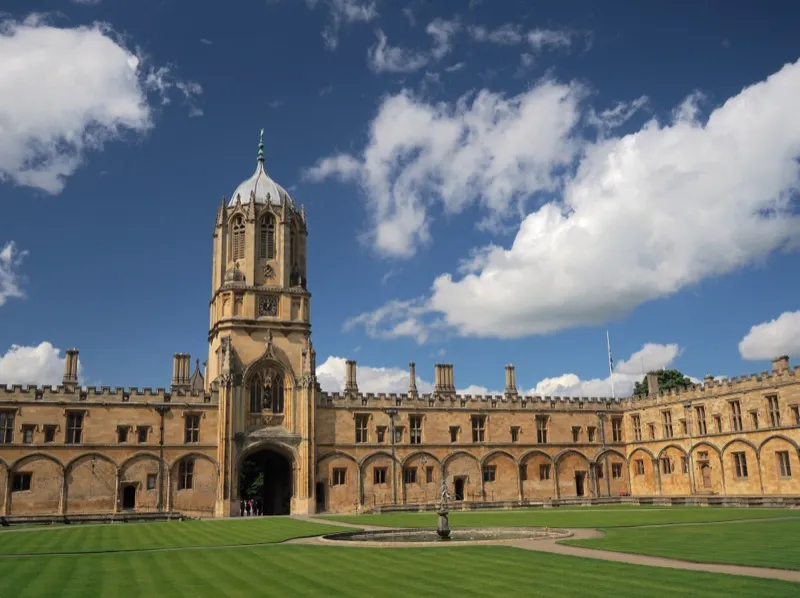
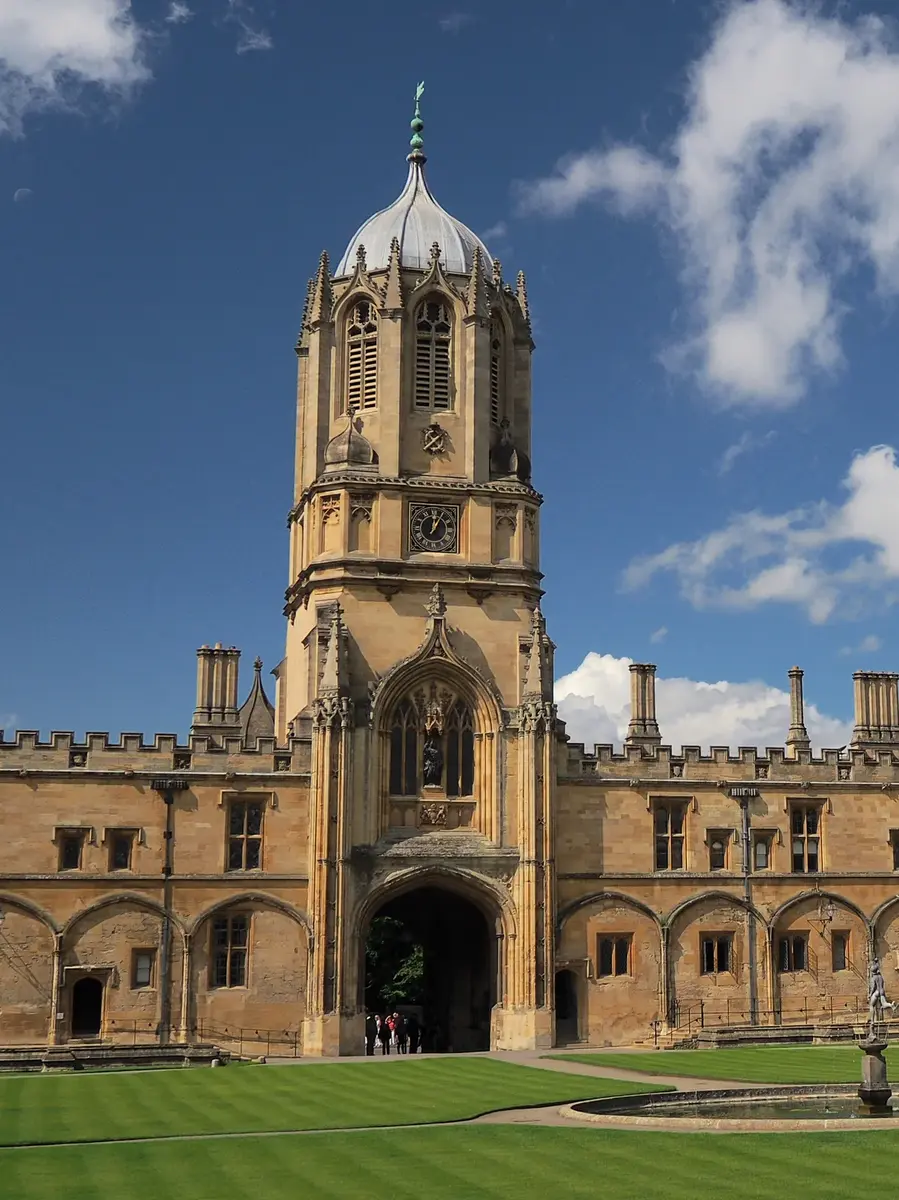
Oxford's grandest college — part cathedral, part palace, all spectacle
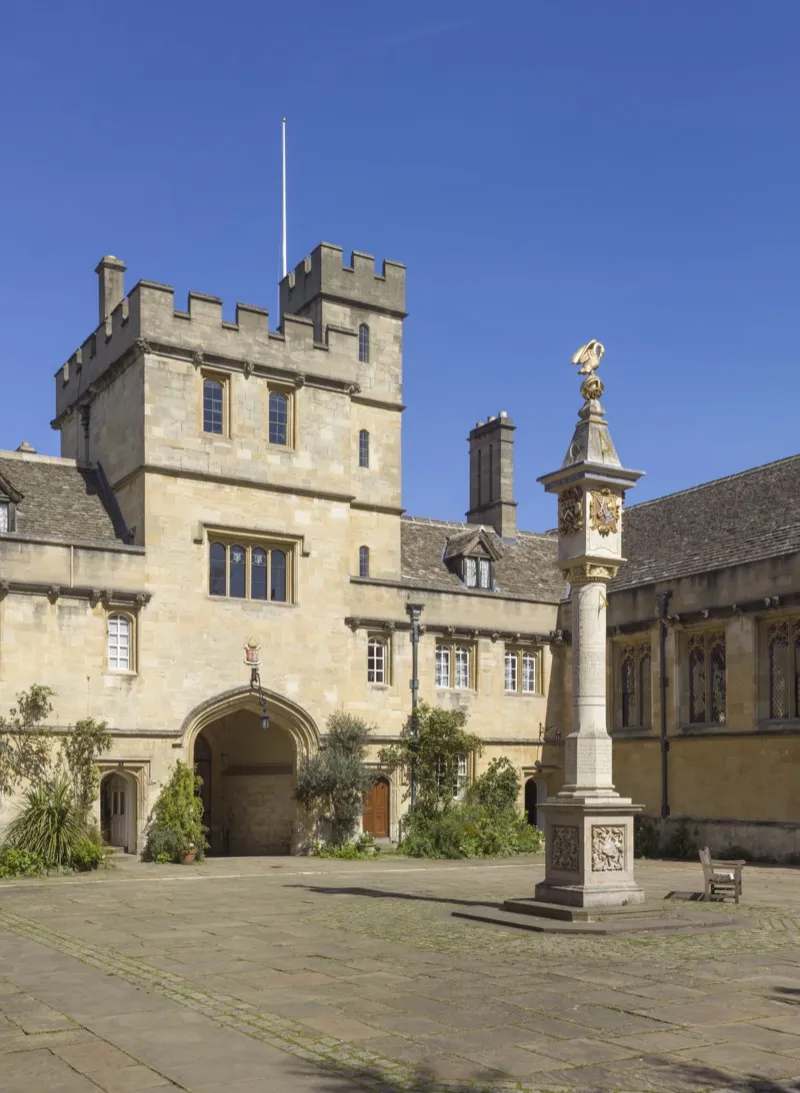
One of Oxford's smallest colleges, with a famous pelican sundial
A proper traditional butcher in the Covered Market — locally sourced meat, hand-cut to order.
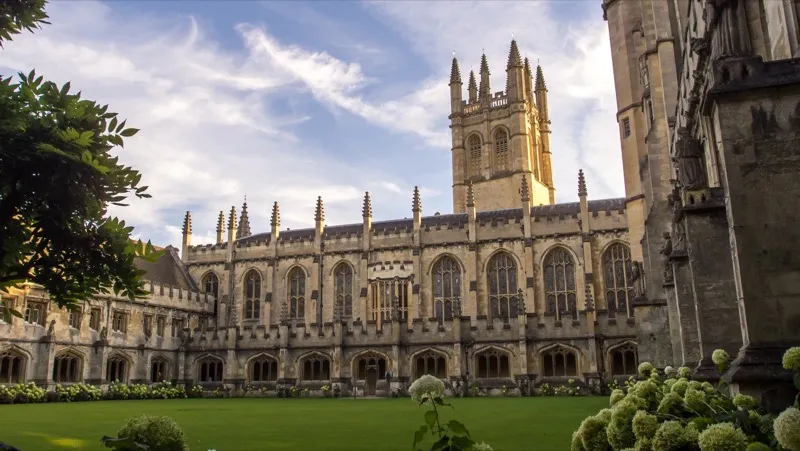
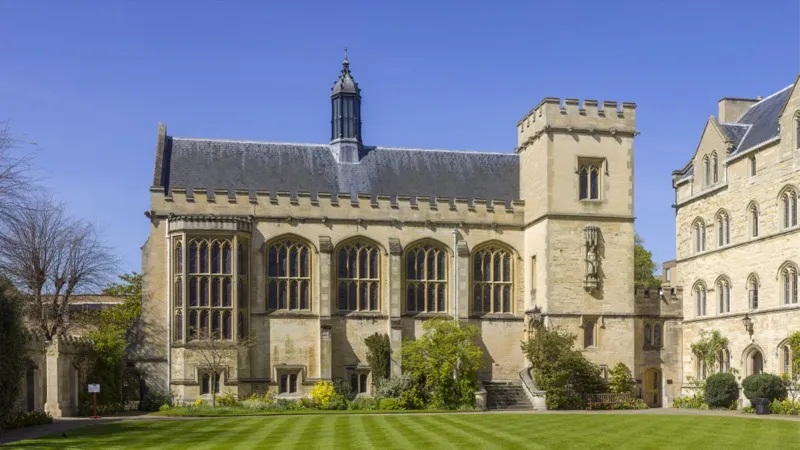
Tolkien's college, a miniature Sainte-Chapelle, and a hidden view over Radcliffe Square
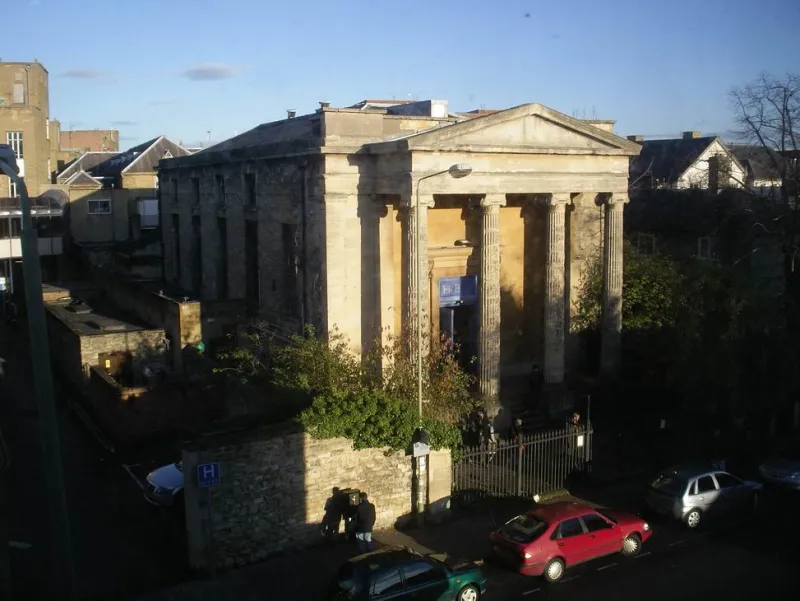
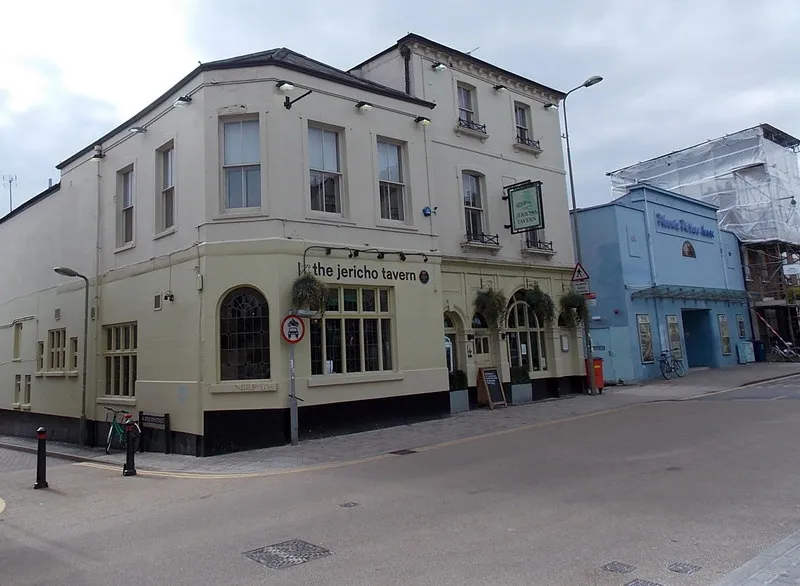
A former Jericho bar in a deconsecrated Greek Revival church — currently closed, with the building under new ownership.
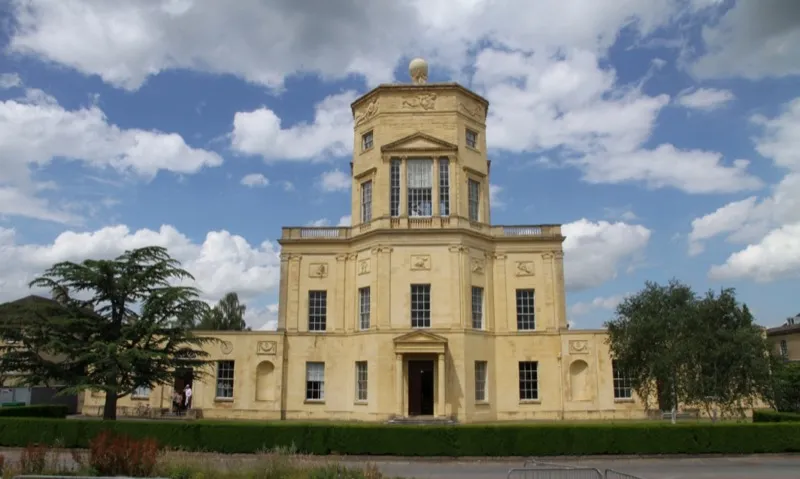
A modern graduate college wrapped around a Georgian observatory tower
Oxford's mature-student college with notable Pre-Raphaelite stained glass
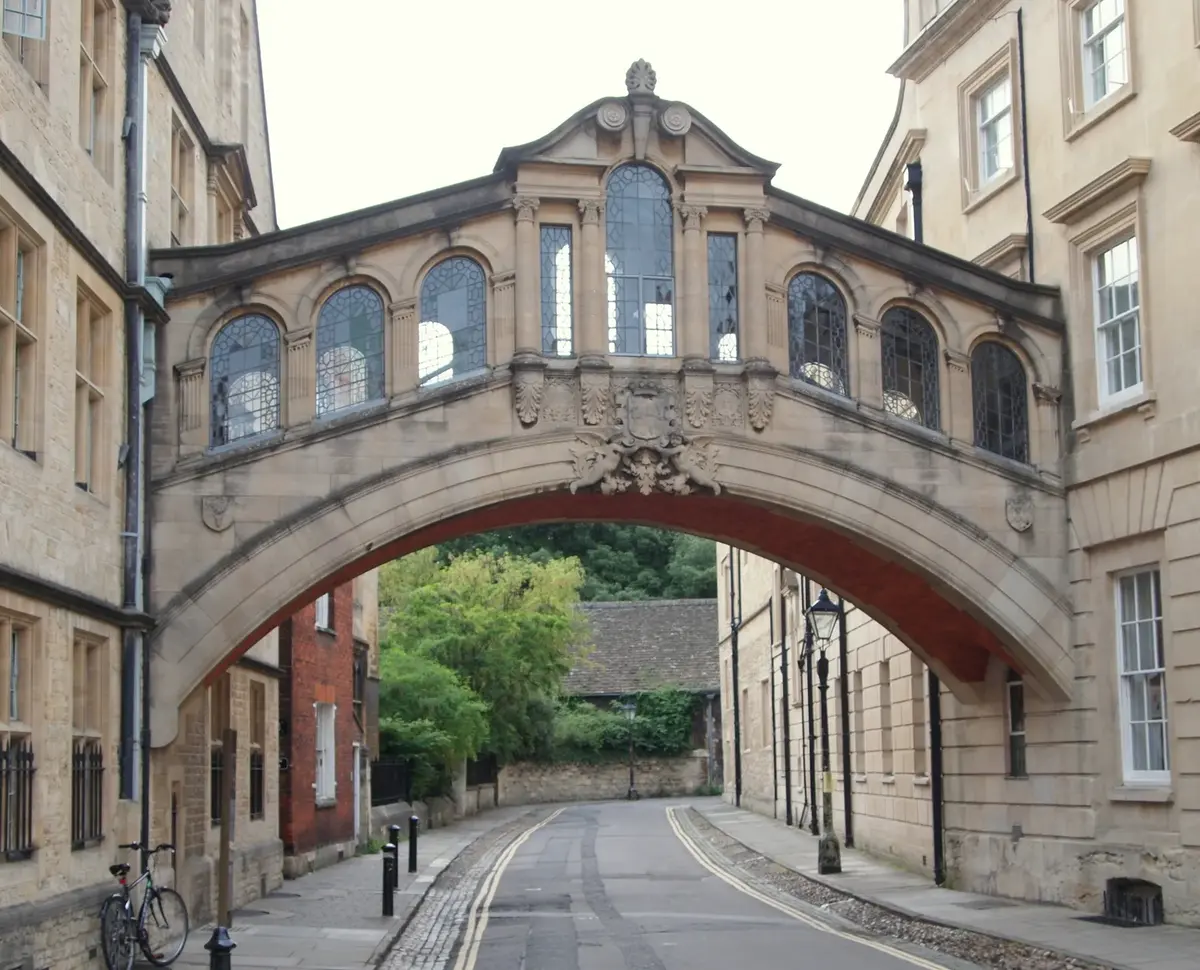
Home of the Bridge of Sighs — Oxford’s most photographed architectural moment
The Welsh college on Turl Street — quieter than its neighbours, full of character
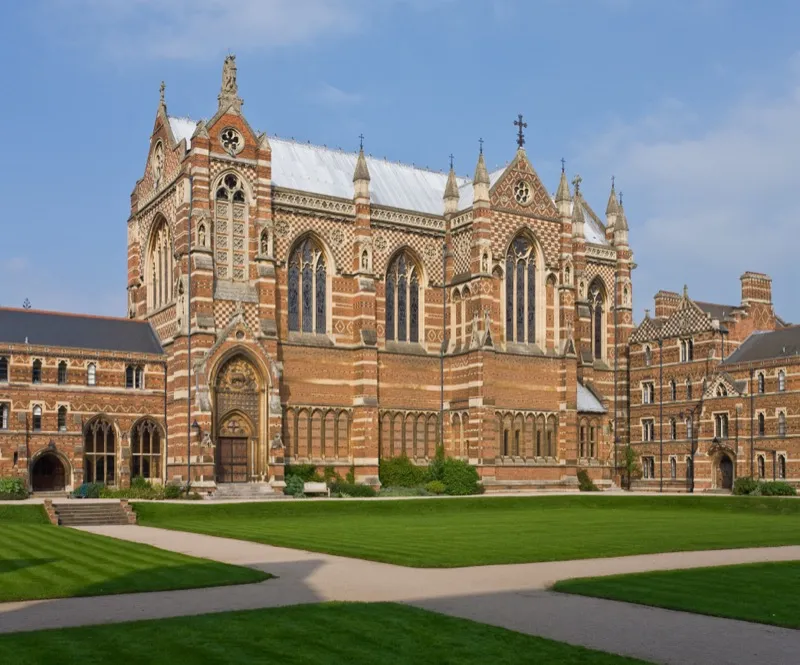
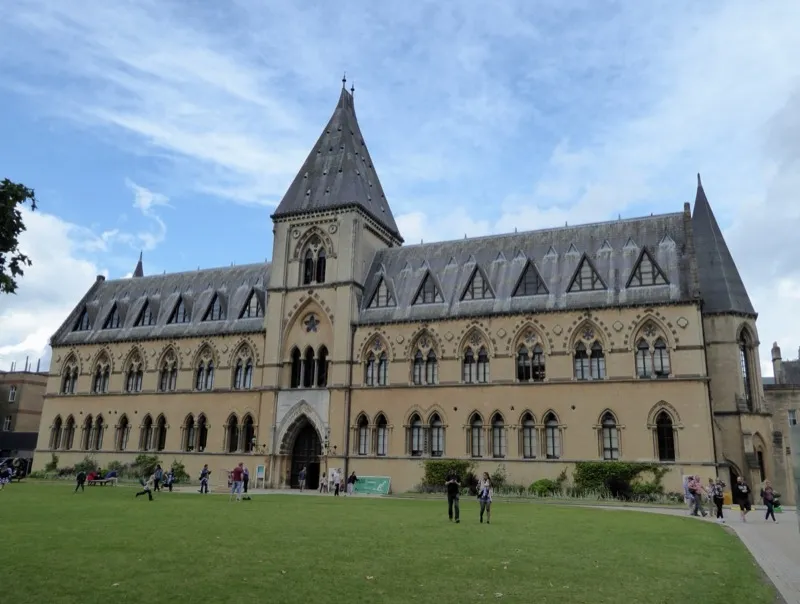
Victorian polychrome brick — Oxford's most divisive building and a masterpiece painting
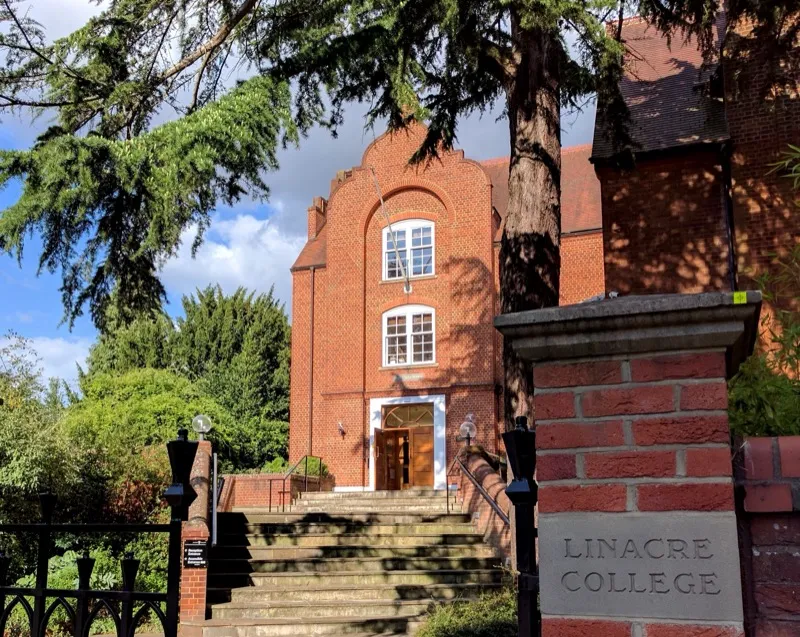
Oxford's part-time and continuing education hub — not a tourist destination
Riverside gardens and pioneering history, away from the tourist crush
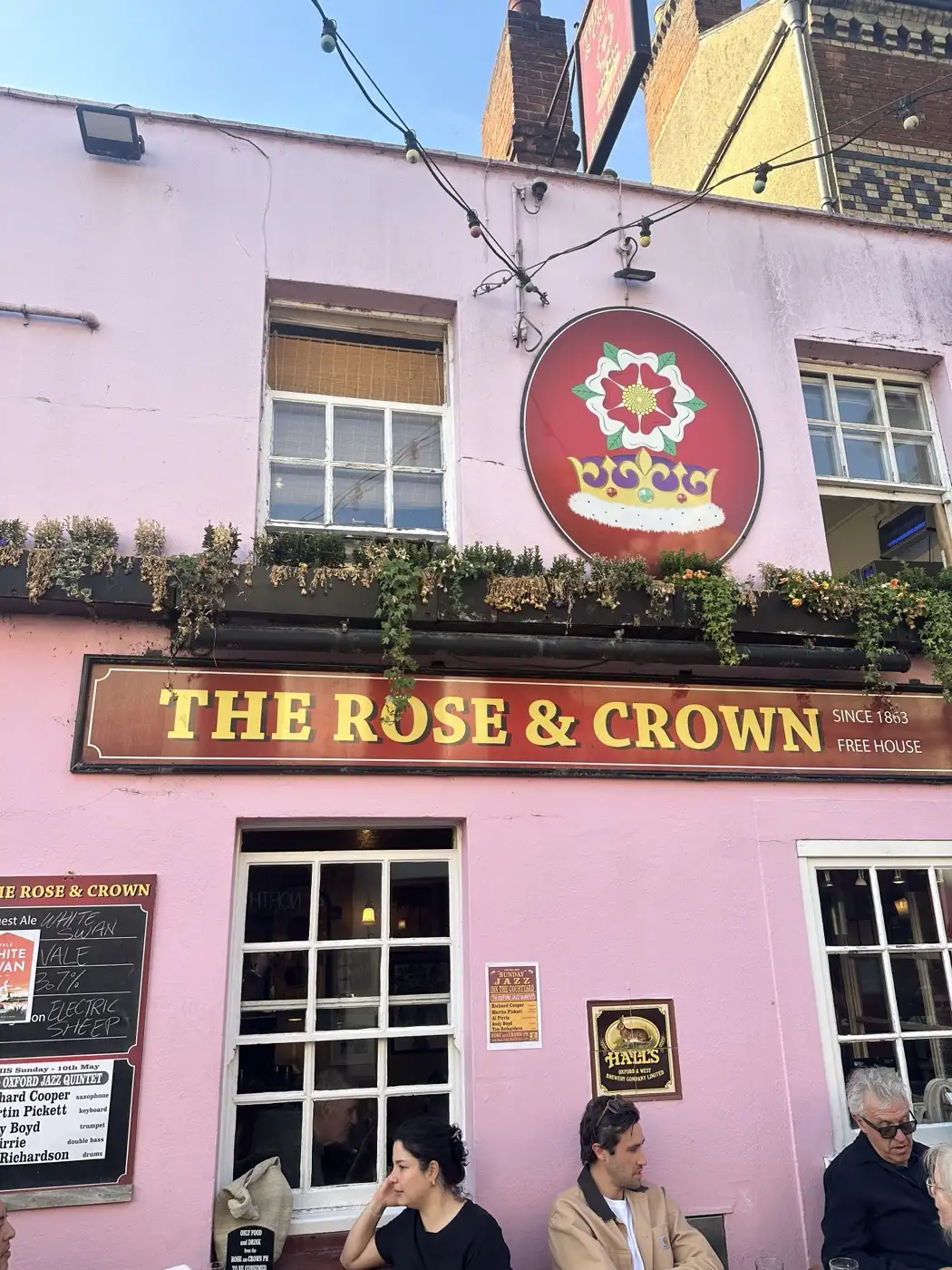
A proper Oxford local — ancient, unpretentious, and owned by St John's College.
An eco-focused graduate college — admirable but not a visitor attraction
A perfectly preserved medieval gem on Turl Street — John Wesley's college
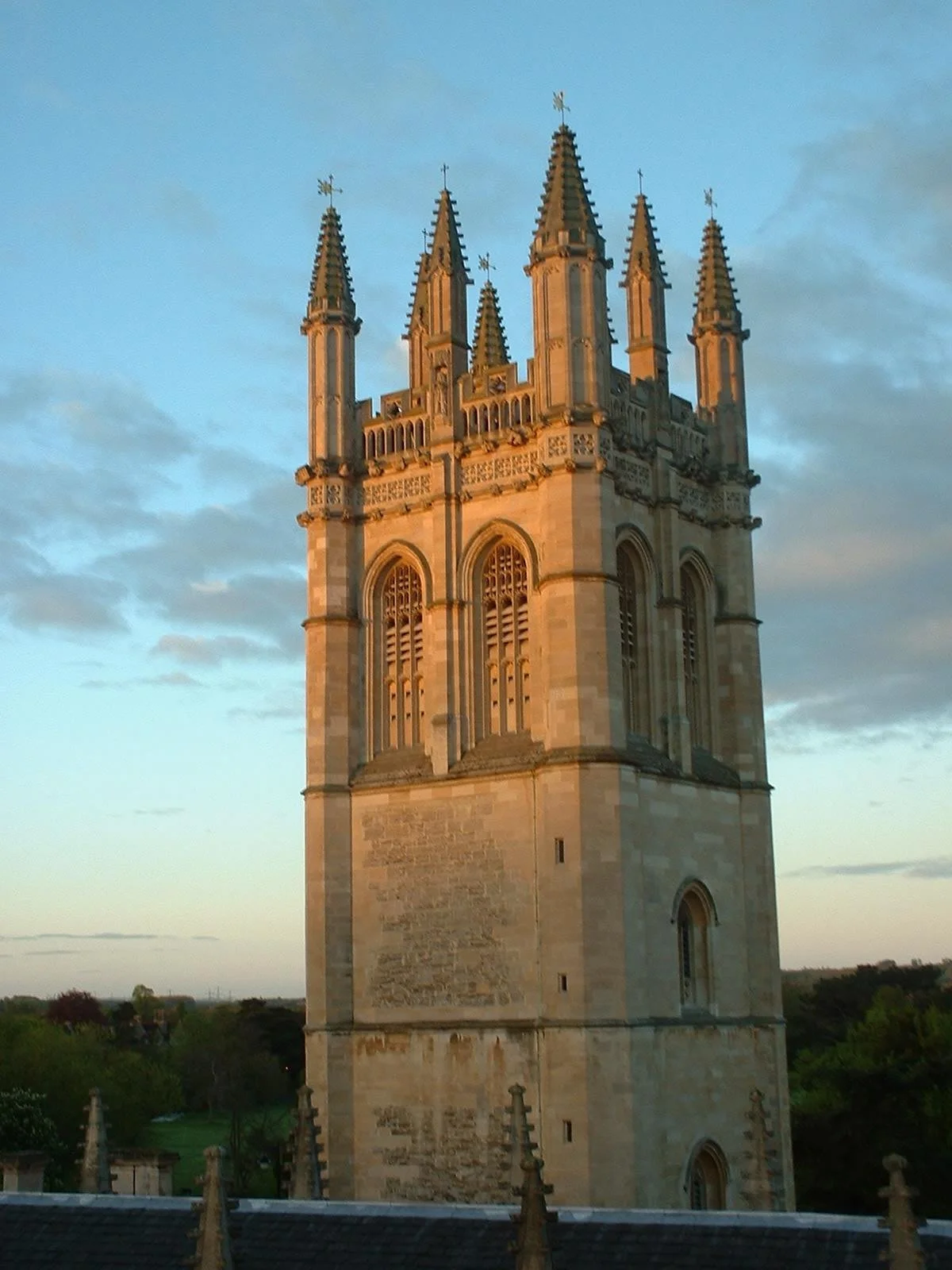
Extensive grounds with a deer park, river walks, and a famous tower
A Nonconformist college with a Gothic Revival chapel and progressive spirit
Oxford's oldest quad, a medieval library, and Tolkien's second home
Medieval cloisters, a stretch of city wall, and a chapel with an El Greco
Oxford's social science powerhouse — architecturally divisive, intellectually formidable
Mid-century furniture, vintage homeware, and salvaged curiosities on the Cowley Road.
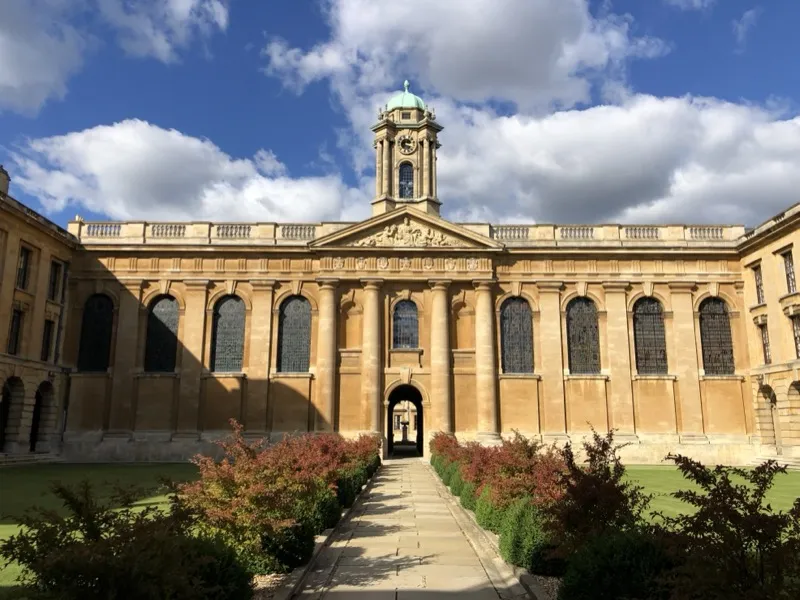
Oxford's oldest royal foundation — seven centuries on a beautiful square
Dinosaurs, dodos, and Darwin's legacy — all under a Gothic Revival iron-and-glass roof.
The retail home of the world's largest university press — dictionaries, academic texts, and OUP's full catalogue on the High Street.
Samuel Johnson's college — quietly handsome, just off St Aldate's
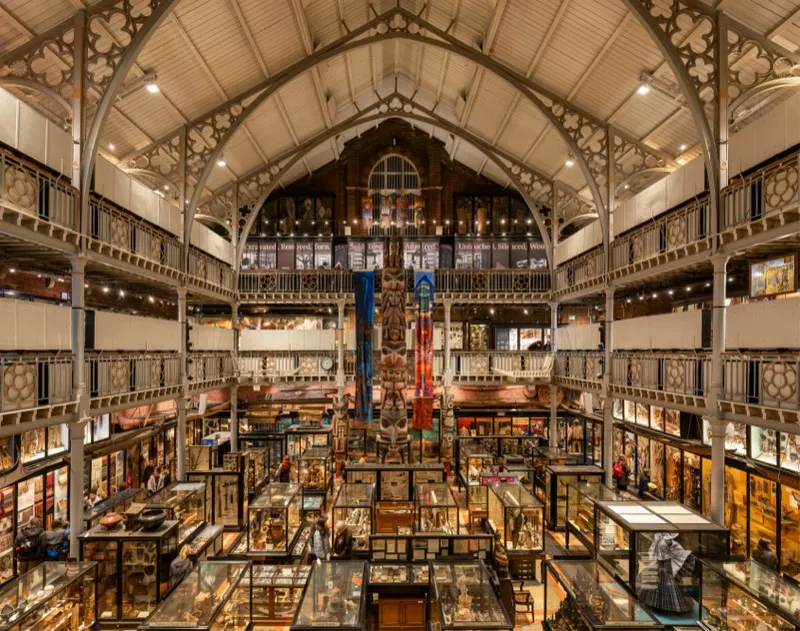
A Victorian cabinet of curiosities — shrunken heads, totem poles, and half a million objects from every culture on earth.
A tiny Baptist hall on St Giles' — small and friendly
Antique maps, prints, and engravings on the High Street — established 1967.
Fine pens, handmade papers, and writing instruments on Turl Street.
A pioneering women's college — alumni include Thatcher, Sayers, and Indira Gandhi
A modernist campus college with a strong access ethos — not a sightseeing stop
Oxford's international affairs college — impressive seminars, not impressive buildings
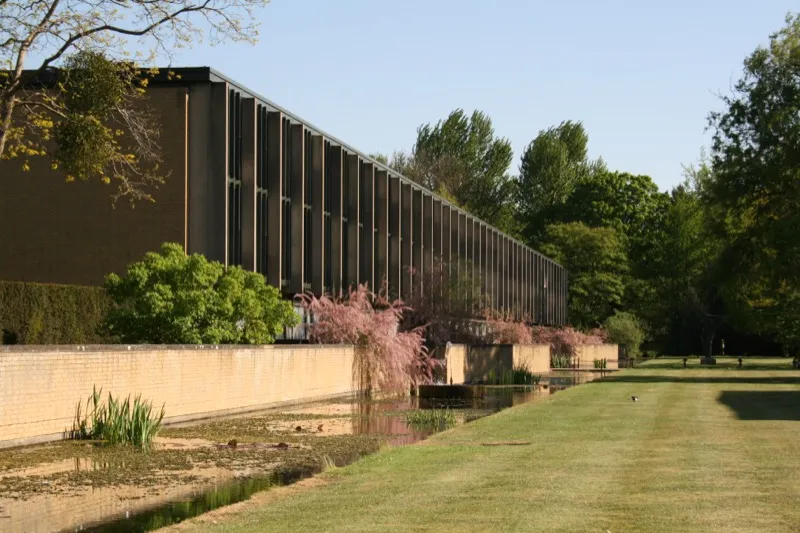
Designed by Arne Jacobsen — a complete modernist campus with sculpture gardens by the Cherwell
A small graduate college on St Giles' — pleasant but not a visitor destination
The oldest academic hall in any university — 800 years in a tiny quad off Queen's Lane
Oxford's last single-sex college (until 2008), with Cherwell riverside gardens
14 acres of gardens in North Oxford — one of the largest college grounds in the university
Oxford's wealthiest college — Canterbury Quad, large gardens, and serious money
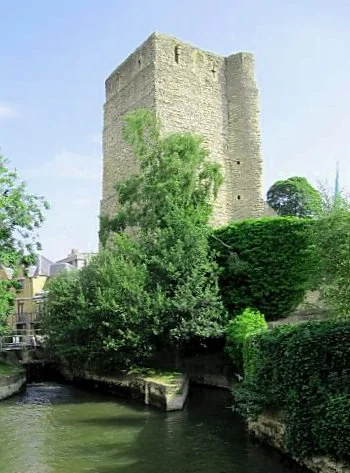
A young college on an ancient site — unassuming but well located near the castle
The Covered Market's organic grocer — wholefood staples, fresh produce, and zero-waste refills before it was fashionable.
A well-stocked museum shop — jewellery, prints, and design objects inspired by the Ashmolean's collection.
Oxford's oldest pub — famous for its tie collection and recently expanded into a larger space.
Every type of brush imaginable — a Covered Market institution.
An independent bakery in the Covered Market — honest cakes, pastries, and bakes without the artisan price tag.
A proper pub hiding in plain sight on the High Street — the 15th-century beams are the real deal.
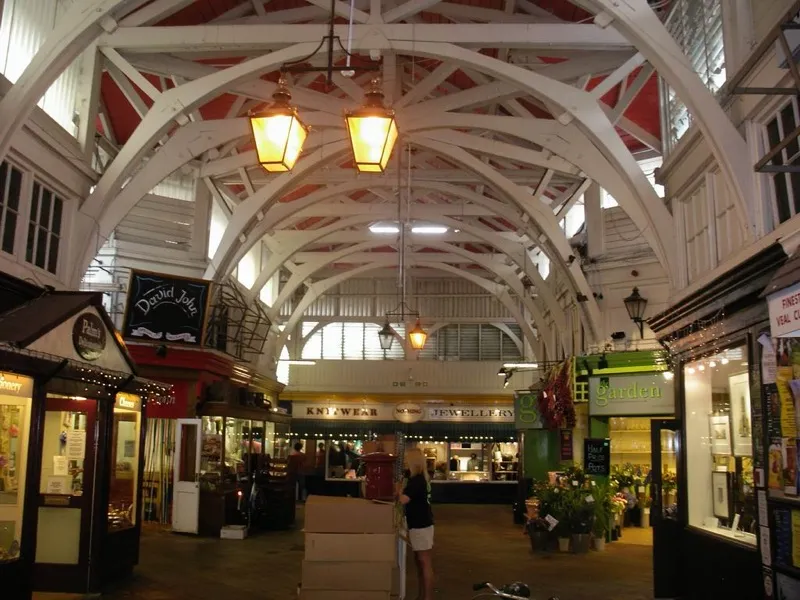
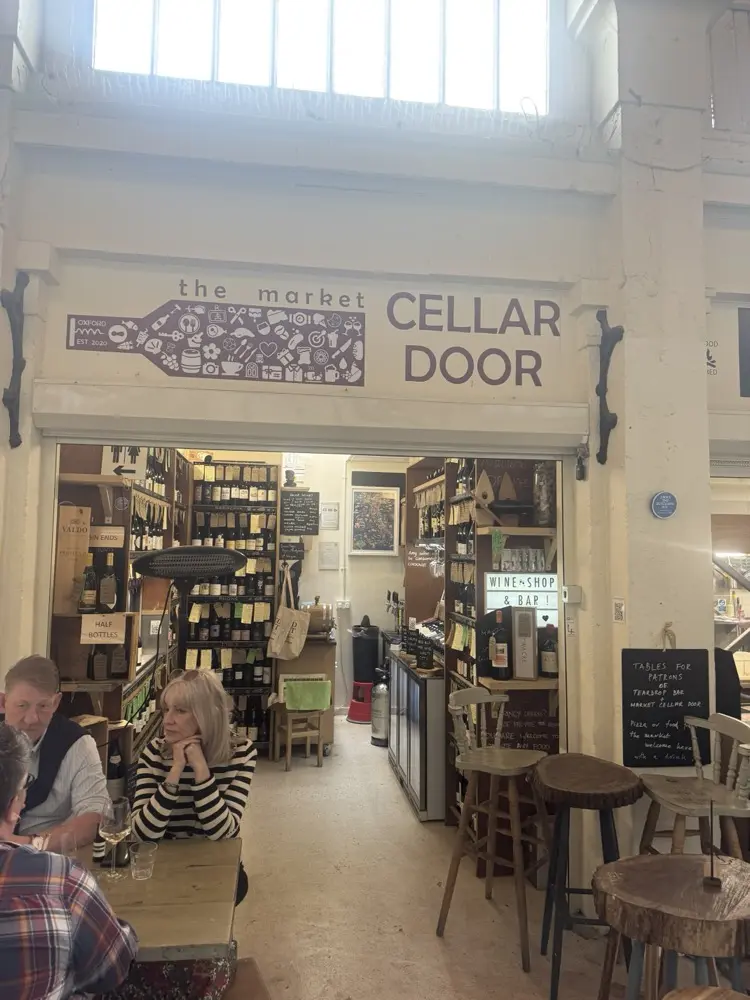
Oxford's beating heart since 1774 — over 50 independent stalls under one historic roof.
Where the Inklings met — Tolkien and Lewis's local on St Giles'.
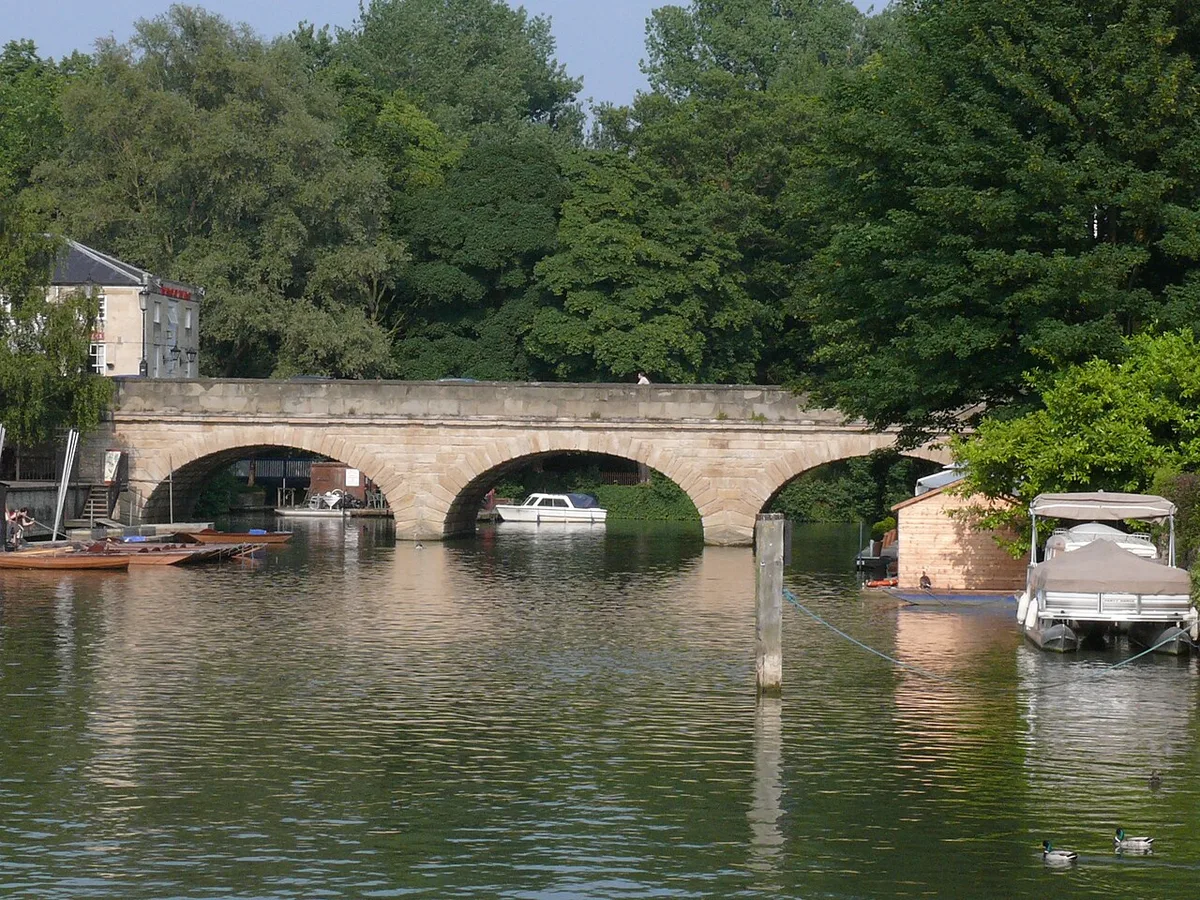
A big riverside pub at Folly Bridge — the terrace over the Thames is the whole point.
The pub where Radiohead played their first gig — Oxford's main small live music venue.
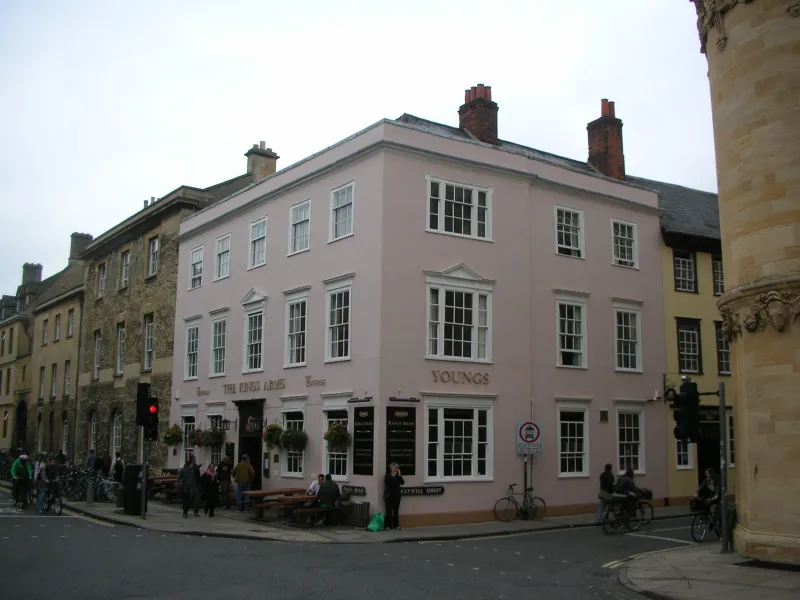
Oxford's quintessential student pub — Young's ales on Holywell Street, opposite the Bodleian.
A proper village pub in Headington Quarry — the kind of place C.S. Lewis would have walked to, because he did.
A serious cheese counter in the Covered Market — British and European artisan cheeses, cut to order.
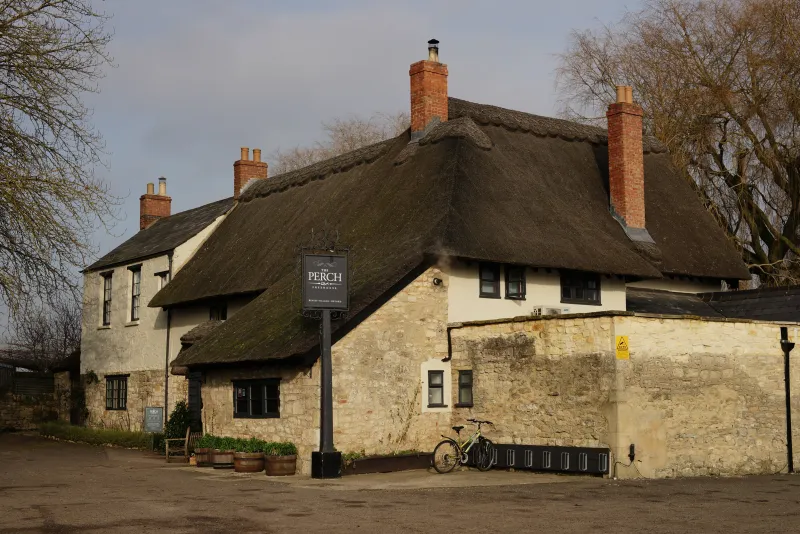
A thatched riverside pub reached via a walk across Port Meadow.
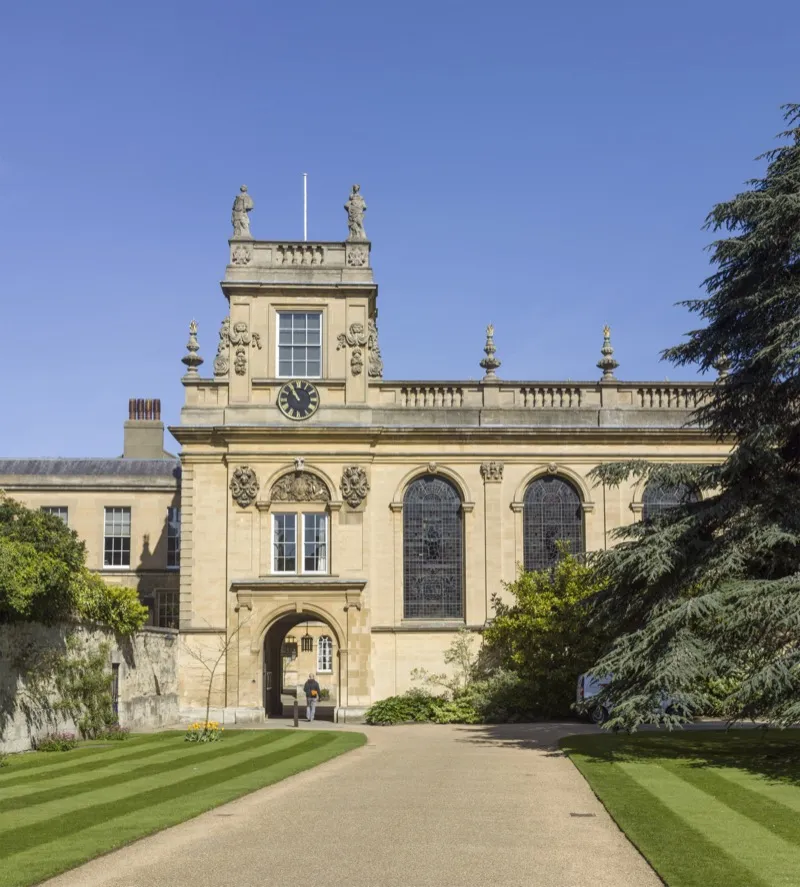
A baroque showpiece on the High Street — Oxford's only fully classical college
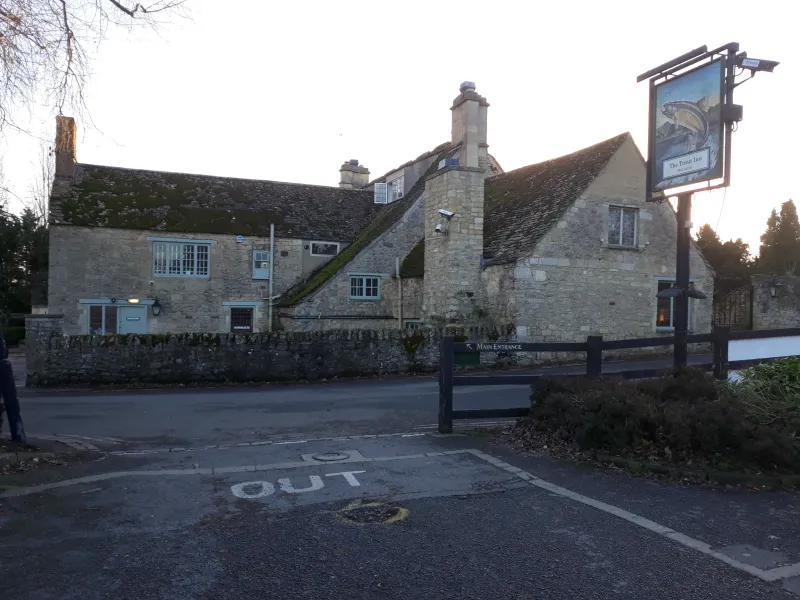
A village green pub in Wolvercote — proper ale, proper food, properly relaxed.
North Parade's anchor pub — a proper local where the landlord knows every regular by name.
Inspector Morse's local, perched over a weir on the Thames at Wolvercote — come for the view, stay for the atmosphere.
A well-hidden pub, tucked down a medieval alleyway behind the Bodleian.
A tiny Broad Street pub squeezed between Blackwell's and the Bodleian — smaller than some college rooms.
Spacious gardens and a Wren chapel on Broad Street — often overlooked
Vintage clothing on the Cowley Road — rammed rails at student-friendly prices.
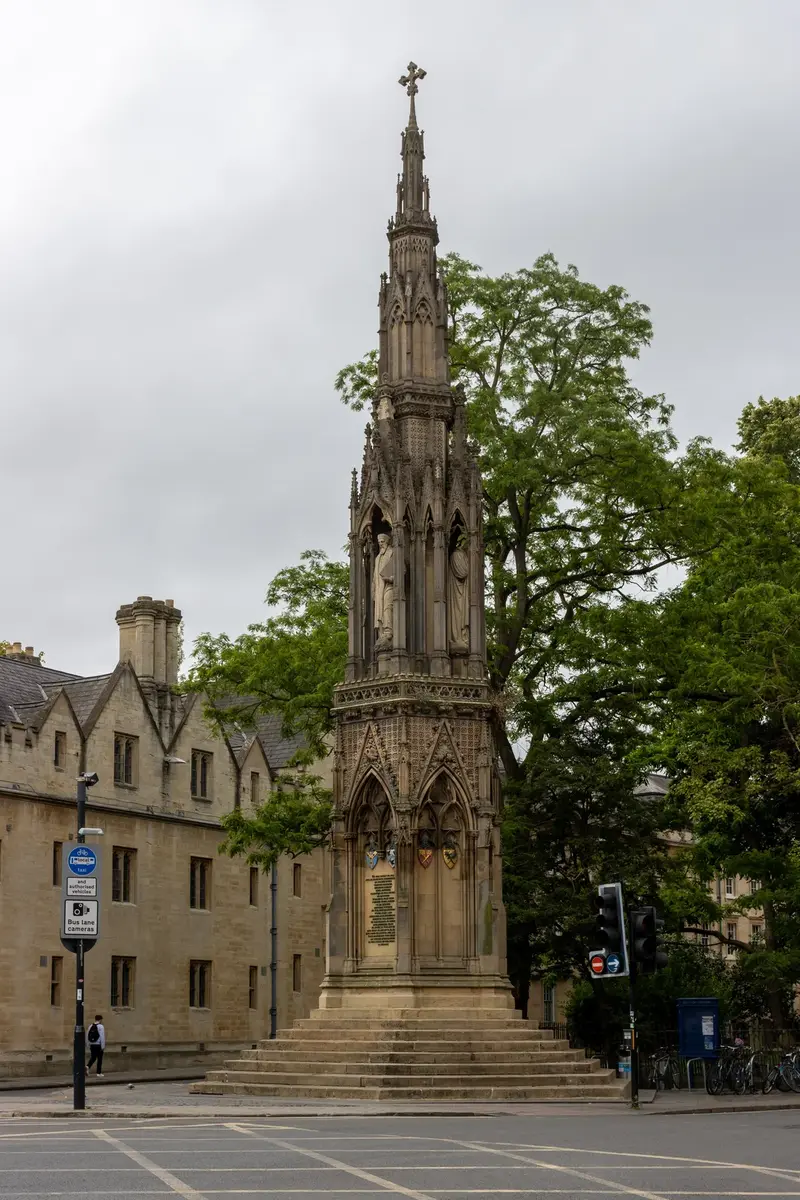
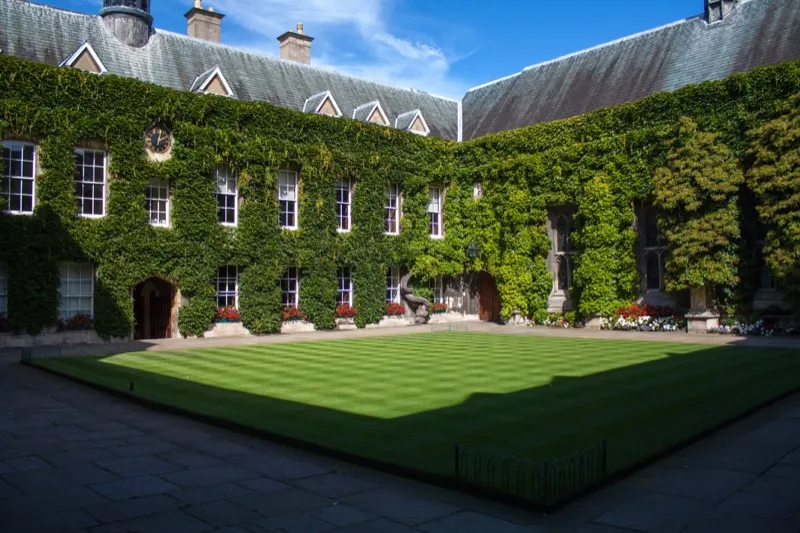
Possibly Oxford's oldest college — Shelley's memorial and a long High Street facade
A well-preserved Jacobean quad, large gardens, and a progressive reputation
Isaiah Berlin's riverside graduate college — pleasant Cherwell-side setting
A lake, medieval cottages, and large gardens — one of central Oxford's hidden landscapes